Side-by-Side IQ Profile: Yorkshire Terrier vs. American Staffordshire Terrier
The Cosmic Pet Pet IQ Lab employs a multi-faceted approach to assess canine intelligence, moving beyond a single ranking to detail specific cognitive strengths. Our framework evaluates problem-solving, training speed, social intelligence, instinctive drive, and memory. Let's examine how the Yorkshire Terrier and the American Staffordshire Terrier measure up.
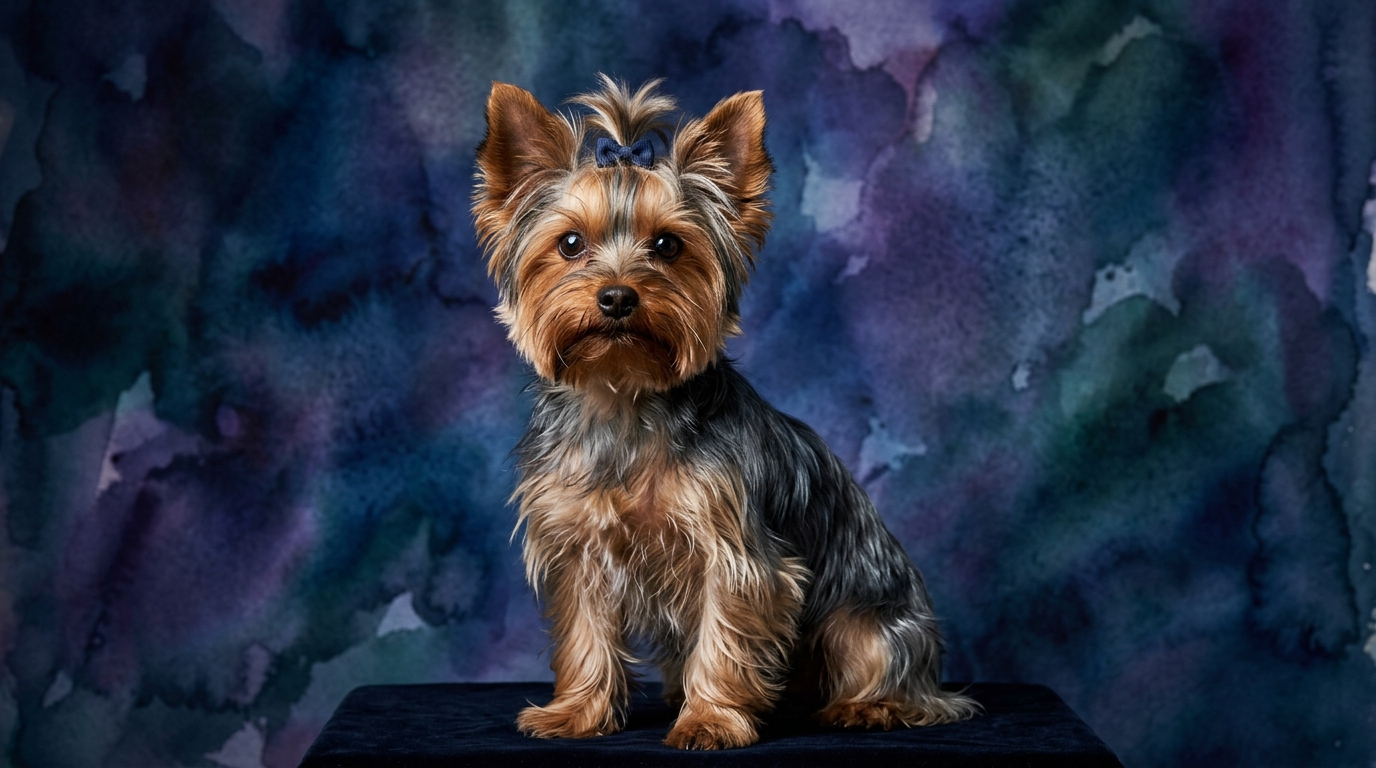
The Yorkshire Terrier, holding a Coren rank of #27, demonstrates a balanced yet sharp cognitive profile. Its Problem Solving score of 3/5 indicates an aptitude for navigating novel situations and figuring out solutions, often with a terrier's characteristic tenacity. Training Speed at 4/5 suggests a breed that picks up new commands and routines with relative quickness, requiring fewer repetitions to solidify learning. Social Intelligence, also at 4/5, points to a strong ability to interpret human cues, understand social hierarchies, and adapt behavior within a family unit. Its Instinctive Drive of 4/5 reflects a persistent, energetic nature, typical of its working terrier heritage, always keen to engage with its environment or pursue perceived 'prey.' Finally, a Memory score of 4/5 means the Yorkshire Terrier reliably retains learned behaviors and associations over time, making consistent training efforts fruitful.
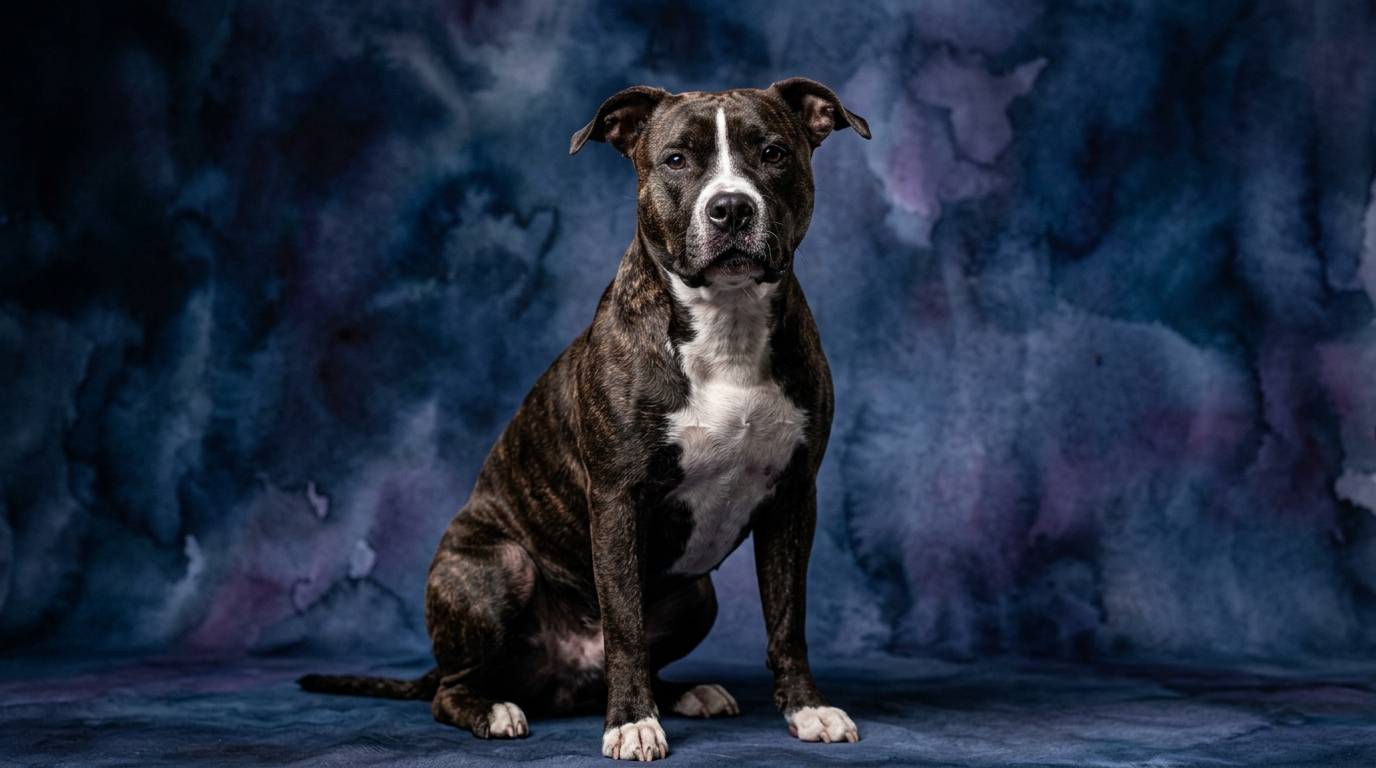
In contrast, the American Staffordshire Terrier, with a Coren rank of #48, presents a slightly different cognitive picture. Its Problem Solving ability is rated at 3/5, matching the Yorkshire Terrier, suggesting a similar capacity for independent thought in overcoming obstacles. However, its Training Speed comes in at 3/5, indicating that while capable of learning, it may require more consistent repetition and patience during training sessions compared to the Yorkshire Terrier. Social Intelligence, also at 3/5, implies that while capable of forming strong bonds, the AmStaff might be less overtly attuned to subtle human emotional shifts or social cues than some other breeds. An Instinctive Drive of 3/5 suggests a powerful but perhaps more focused drive than the bustling Yorkie, manifesting as determination in specific tasks rather than a constant, generalized energy. Its Memory score, however, is a robust 4/5, on par with the Yorkshire Terrier, signifying a strong ability to remember commands, routines, and experiences once they are firmly established.
Where the Yorkshire Terrier Wins Cognitively
The Yorkshire Terrier's cognitive edge largely stems from its superior scores in training speed, social intelligence, and instinctive drive. With a training speed of 4/5, this small terrier demonstrates a notable quickness in grasping new commands and routines. This means owners often see results faster, with fewer repetitions needed to ingrain a behavior. Their higher social intelligence (4/5) allows them to be exceptionally perceptive to human moods and intentions, making them adept at understanding what their owners expect and adapting their behavior accordingly. This contributes to a highly responsive companion who often seems to anticipate needs or desires.
Furthermore, the Yorkie's 4/5 instinctive drive, while potentially manifesting as a spirited personality, also translates into a keen engagement with mental stimulation and tasks. This isn't just about physical energy; it's a cognitive drive to explore, investigate, and 'work,' even if that work is solving a puzzle toy or learning a complex trick. This blend of quick learning, social perceptiveness, and inherent drive makes the Yorkshire Terrier particularly adept at navigating complex social environments and excelling in activities that demand mental agility and a strong partnership with their human.
Where the American Staffordshire Terrier Wins Cognitively
While the American Staffordshire Terrier may have slightly lower scores in some areas, its cognitive strengths lie in its steady problem-solving, reliable memory, and focused persistence. Matching the Yorkshire Terrier with a 3/5 in problem-solving, the AmStaff is perfectly capable of figuring out solutions to challenges, often approaching them with a methodical determination that suits its powerful build. This isn't about quick, flashy solutions, but rather a robust capacity for logical, step-by-step thinking when faced with an obstacle, whether it's opening a gate or retrieving a hidden toy.
Crucially, the AmStaff's 4/5 memory score is a significant asset. Once a command or routine is learned, it tends to stick, making them very reliable once training is complete. This strong retention means that while initial training might require more patience due to a 3/5 training speed, the investment pays dividends in long-term consistency. Their 3/5 instinctive drive, while not as broadly energetic as the Yorkie's, can translate into a focused determination on specific tasks. This breed can commit to an objective with impressive resolve, making them effective in roles requiring sustained effort and unwavering attention, such as structured sports or tasks that demand unwavering focus.
Which is Easier to Train and Why?
Based on our IQ metrics, the Yorkshire Terrier generally presents as the easier breed to train. Its Training Speed of 4/5 directly indicates a quicker uptake of new commands and routines. This means fewer repetitions are typically required for a Yorkie to understand and consistently perform a desired behavior. Coupled with a Social Intelligence score of 4/5, the Yorkshire Terrier is often more attuned to human vocalizations, body language, and emotional states, allowing them to better interpret and respond to training cues. They are often eager to please and highly motivated by positive reinforcement, which streamlines the learning process significantly.
The American Staffordshire Terrier, with a Training Speed of 3/5 and Social Intelligence of 3/5, will likely require a more patient and consistent approach to training. While perfectly capable of learning, AmStaffs may need more repetitions to solidify commands and might not pick up on subtle human cues as readily as a Yorkie. Their training requires clear, unambiguous instructions and a firm, fair hand, emphasizing consistency above all. Their strong memory (4/5) ensures that once a lesson is learned, it is retained, but the initial teaching phase demands dedication and an understanding of their more independent cognitive style.
Which Suits Active Owners vs. Relaxed Owners?
When considering owner lifestyles, the differences in instinctive drive and overall cognitive engagement become key. The Yorkshire Terrier, despite its small stature, possesses a 4/5 instinctive drive. This means they are not content to simply lounge all day. They thrive on mental stimulation, interactive play, and opportunities to explore their environment, even if confined to a small yard or apartment. Their quick problem-solving and social intelligence make them excellent candidates for dog sports like agility or obedience, which provide an outlet for their energetic minds. Active owners who enjoy daily walks, puzzle toys, and engaging in training sessions will find a Yorkie to be a spirited and enthusiastic companion, requiring consistent mental and moderate physical engagement.
The American Staffordshire Terrier, with a 3/5 instinctive drive, requires a different kind of activity. While they may not have the constant, bustling energy of a Yorkie, their drive is powerful and focused. They need structured exercise to channel their physical strength and mental determination, such as long walks, jogs, or vigorous play sessions. Their 3/5 problem-solving and 4/5 memory make them suitable for owners who enjoy consistent training, perhaps in weight pull or advanced obedience, where their tenacity can shine. Relaxed owners who prefer minimal interaction or inconsistent exercise routines might struggle with an AmStaff, as their need for purpose and physical exertion, while perhaps less frantic than a Yorkie's, is significant and must be met to prevent boredom and potential behavioral issues. They suit owners who are active in a structured, consistent way rather than a spontaneous, high-energy way.
The Verdict: When to Choose Each
Understanding the cognitive profiles of the Yorkshire Terrier and American Staffordshire Terrier reveals that neither is 'smarter' overall, but rather possess distinct intellectual strengths that suit different lifestyles and owner expectations. The Yorkie excels in rapid learning and social responsiveness, while the AmStaff offers steadfast memory and determined problem-solving.
Choosing between these two breeds hinges on what you value most in a companion's cognitive makeup and how that aligns with your household dynamics and training philosophy. Both breeds bring unique intellectual gifts, promising enriching companionship to owners who appreciate their specific cognitive styles.
The Verdict
Choose the Yorkshire Terrier if you seek a highly responsive, quick-learning companion who thrives on social interaction and enjoys engaging in mentally stimulating activities. Their faster training speed and social perceptiveness make them an excellent choice for owners who appreciate a dog that rapidly picks up cues and forms a strong, communicative bond.
Opt for the American Staffordshire Terrier if you value a dog with a robust memory and determined approach to problem-solving, even if initial training requires more patience. They are ideal for owners who can provide consistent, structured training and physical activity, fostering a powerful yet loyal partnership built on mutual respect and clear expectations.
🧠 Find Your Pet's IQ Score
Our Pet IQ Lab assessment covers 25+ tests across 5 cognitive dimensions — personalized to your breed.
Take the Full IQ Test →Frequently Asked Questions
Do Yorkshire Terriers bark a lot due to their intelligence?
Yorkshire Terriers' 4/5 instinctive drive and social intelligence can contribute to vocalizations, as they are often alert and communicative. This isn't directly a measure of 'intelligence' but rather how their cognitive traits manifest in their interaction with their environment and perceived threats or excitements.
Is an American Staffordshire Terrier difficult to train because of its lower training speed?
An American Staffordshire Terrier is not difficult to train, but its 3/5 training speed means it may require more patience and consistency than a breed with a higher score. Their strong 4/5 memory ensures that once a lesson is learned, it is retained, making dedicated training efforts very rewarding in the long run.
How does social intelligence impact daily life with these breeds?
A Yorkshire Terrier's 4/5 social intelligence means it's likely very attuned to your moods and family dynamics, often adapting quickly to household routines. An American Staffordshire Terrier's 3/5 social intelligence suggests it forms deep bonds but might be less overtly expressive or sensitive to subtle human emotional shifts, valuing clear communication and consistent interaction.