
A Side-by-Side Cognitive Profile
The Cosmic Pet Pet IQ Lab employs a multi-dimensional approach to assess canine intelligence, moving beyond simple obedience ranks to explore five key cognitive areas: Problem Solving, Training Speed, Social Intelligence, Instinctive Drive, and Memory. This framework allows us to dissect the nuanced mental capabilities of breeds like the Yorkshire Terrier and the Briard, offering a richer understanding than a single score could provide.
The Yorkshire Terrier, a feisty Terrier breed ranking #27 on Coren's scale, demonstrates a Problem Solving score of 3/5, indicating a cleverness for navigating their immediate environment and figuring out practical solutions to small challenges. Their Training Speed is impressive at 4/5, suggesting a quick grasp of commands, often motivated by their desire to engage with their human companions. Social Intelligence, also 4/5, highlights their acute ability to read human cues and adapt their behavior accordingly, fostering deep bonds. An Instinctive Drive of 4/5 reflects their strong terrier instincts for alertness and a tenacious pursuit of small prey, while their Memory, a solid 4/5, ensures they retain learned behaviors and experiences with reliability.
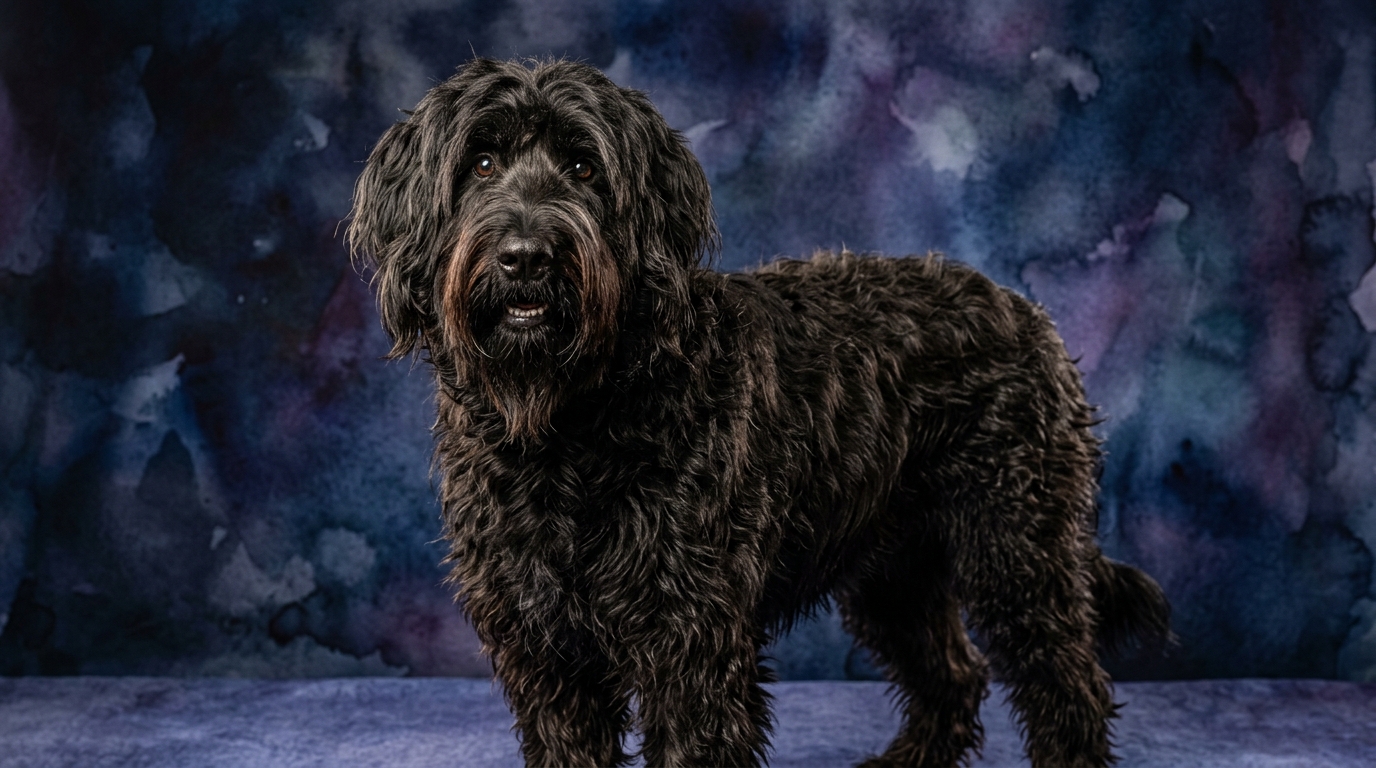
In contrast, the Briard, a majestic Herding breed ranking #30 on Coren's scale, presents a different cognitive blueprint. Their Problem Solving ability stands at a robust 4/5, signifying a capacity for more complex thought and independent decision-making, crucial for their historical role in livestock management. Training Speed matches the Yorkie's at 4/5, meaning they learn new tasks rapidly, though their independent nature might influence their motivation. Social Intelligence is rated 3/5, indicating loyalty to their family but a more reserved demeanor with strangers and a less overt focus on interpreting every human micro-expression compared to some breeds. An Instinctive Drive of 3/5 reflects their herding and protective tendencies, which are strong but generally less intense than a terrier's prey drive. Like the Yorkie, their Memory is also a strong 4/5, ensuring excellent recall of training and past events.
Where the Yorkshire Terrier Shines Cognitively
The Yorkshire Terrier’s cognitive strengths are particularly evident in their social adaptability and acute awareness of their surroundings. Their 4/5 Social Intelligence allows them to form exceptionally strong bonds with their human families, making them adept at understanding subtle emotional shifts and responding with comforting presence or playful engagement. This high social acumen, combined with their 4/5 Training Speed, means they are often quick to learn complex social rules and routines within a household, making them remarkably integrated family members.
Furthermore, their 4/5 Instinctive Drive, characteristic of the terrier group, translates into a vigilant alertness. While it manifests as a keen interest in small movements or sounds, it also contributes to their role as effective miniature watchdogs, quick to signal anything amiss. This combination of social perceptiveness, quick learning, and inherent vigilance allows the Yorkshire Terrier to navigate diverse domestic environments with a confident, often charming, intelligence that belies their small stature.
Where the Briard Holds the Cognitive Edge
The Briard's cognitive prowess truly stands out in its Problem Solving capabilities, scoring an impressive 4/5. This reflects their heritage as independent herding dogs, accustomed to making strategic decisions without constant human direction in vast pastures. They possess a capacity for complex thought, allowing them to assess situations, anticipate outcomes, and devise solutions, whether it’s figuring out how to open a gate or strategically maneuvering a flock.
This advanced problem-solving skill, coupled with their 4/5 Memory, means a Briard can not only learn intricate tasks but also apply that learning flexibly to new, similar challenges. Their instinctive drive, while rated 3/5, is focused on protection and management, giving them a purpose-driven intelligence. This translates to a dog that can be relied upon to make sound judgments in safeguarding their family or property, often exhibiting a thoughtful, observant demeanor rather than impulsive reactions.
Training Dynamics: Yorkie's Eagerness vs. Briard's Independent Thought
Both breeds share an impressive 4/5 rating for Training Speed, indicating that they are generally quick to grasp new commands and concepts. However, the 'why' and 'how' of their learning diverge significantly, influencing the training experience. The Yorkshire Terrier's high Social Intelligence and eagerness to please their beloved humans often translate into a motivated student. They thrive on positive reinforcement, praise, and the reward of continued interaction, making them responsive to consistent, engaging training sessions. Their smaller size also makes physical handling and redirection during training more manageable.
The Briard, while equally fast to learn, approaches training with a more independent mindset, thanks to their 4/5 Problem Solving score. They aren't just learning commands; they are often evaluating the purpose and efficacy of those commands. A Briard might question a repetitive drill or seek a more efficient path, requiring a trainer who understands their need for mental engagement and who can provide clear, consistent leadership. Their herding instinct might also lead them to try and 'manage' situations or people, requiring early socialization and boundaries to channel this drive appropriately. Success with a Briard hinges on mutual respect and making training a collaborative, rather than purely compliant, effort.
Matching Canine Cognition to Lifestyle
Choosing between a Yorkshire Terrier and a Briard involves more than just physical preference; it’s about aligning their unique cognitive needs with an owner's lifestyle. The Yorkshire Terrier, with its high Social Intelligence and adaptable nature, can thrive with owners who enjoy close companionship and are prepared for consistent mental stimulation through indoor games, puzzle toys, and regular, albeit moderate, walks. Their alertness makes them engaging companions for those who appreciate a vigilant presence, even in a smaller package. They fit well into various living situations, from apartments to larger homes, as long as their social and cognitive needs are met.
The Briard, on the other hand, demands a more active and engaged ownership. Their robust Problem Solving skills and inherent herding drive mean they are not content with a sedentary existence. They require ample physical exercise – long walks, runs, or structured playtime – combined with significant mental challenges, such as advanced obedience, agility, or even actual herding tasks, to prevent boredom and destructive behaviors. Owners who appreciate an independent, protective, and highly capable working dog, and who are committed to providing extensive training, socialization, and outdoor activity, will find the Briard to be an incredibly rewarding companion. They are best suited for homes with space and owners dedicated to channeling their formidable intellect and energy.
The Verdict
Choose a Yorkshire Terrier if you seek a highly social, adaptable, and alert companion who thrives on close interaction and can fit into various living situations with consistent mental engagement. Their keen social intelligence makes them exceptionally attuned family members.
Opt for a Briard if you are an experienced owner valuing an independent, protective, and intelligent working dog, willing to commit to extensive training, socialization, and ample physical activity. Their problem-solving prowess requires an owner who can consistently challenge their intellect.
🧠 Find Your Pet's IQ Score
Our Pet IQ Lab assessment covers 25+ tests across 5 cognitive dimensions — personalized to your breed.
Take the Full IQ Test →Frequently Asked Questions
Are Yorkshire Terriers good for first-time dog owners?
Yorkshire Terriers can be suitable for first-time owners who are prepared for their strong personalities and specific training needs. Their high social intelligence and training speed make them responsive, but their terrier drive requires consistent boundaries and socialization from an early age.
How do Briards handle new people or environments given their social intelligence score?
Briards, with a social intelligence of 3/5, are loyal to their family but can be reserved or protective with strangers and in new environments. Early and extensive socialization is crucial to help them develop confidence and appropriate responses, channeling their protective instincts positively.
Which breed is generally better with children?
Both breeds can be good with children, but require proper socialization and supervision. Yorkshire Terriers, due to their smaller size and delicate nature, are often better suited for older, respectful children. Briards, with their protective instincts and larger size, can be excellent family guardians but need early training to understand their role and gentle interaction with younger children, particularly regarding their herding tendencies.