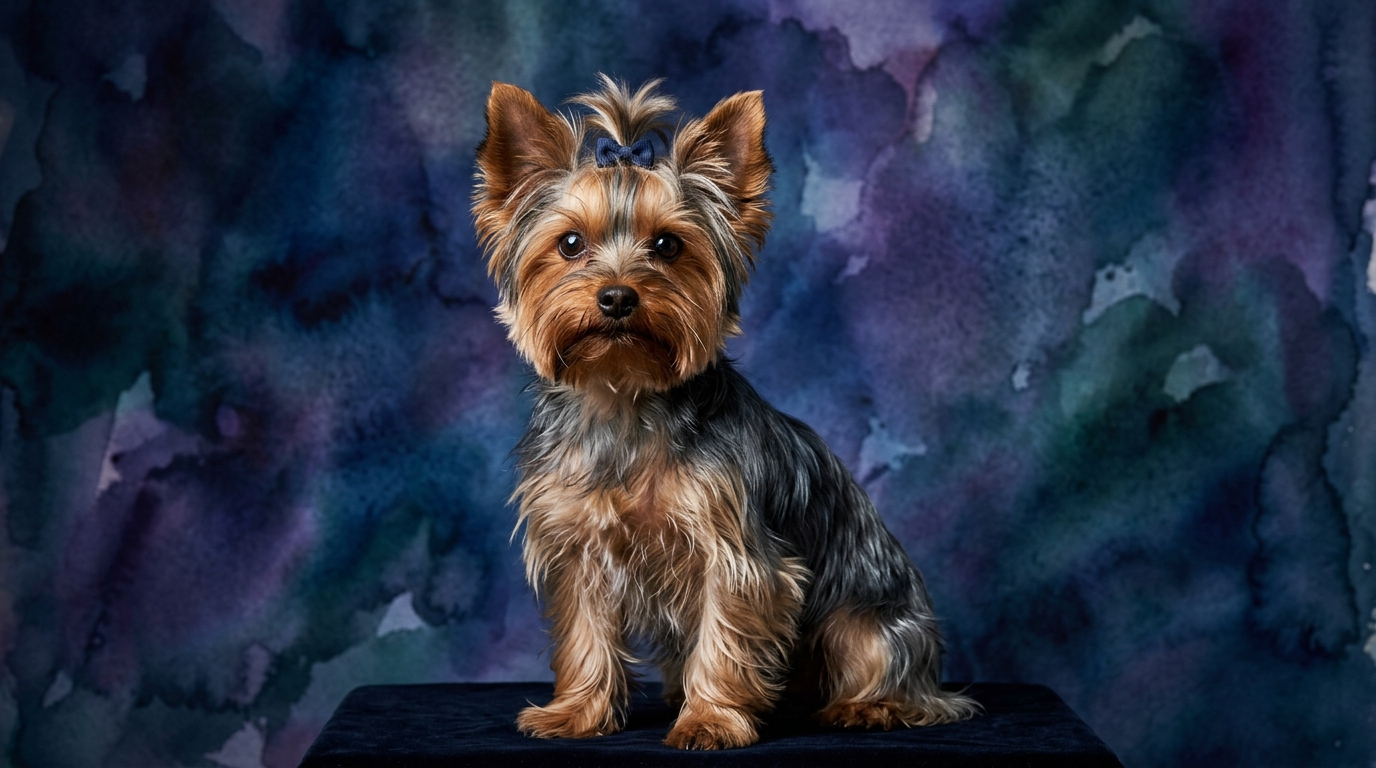
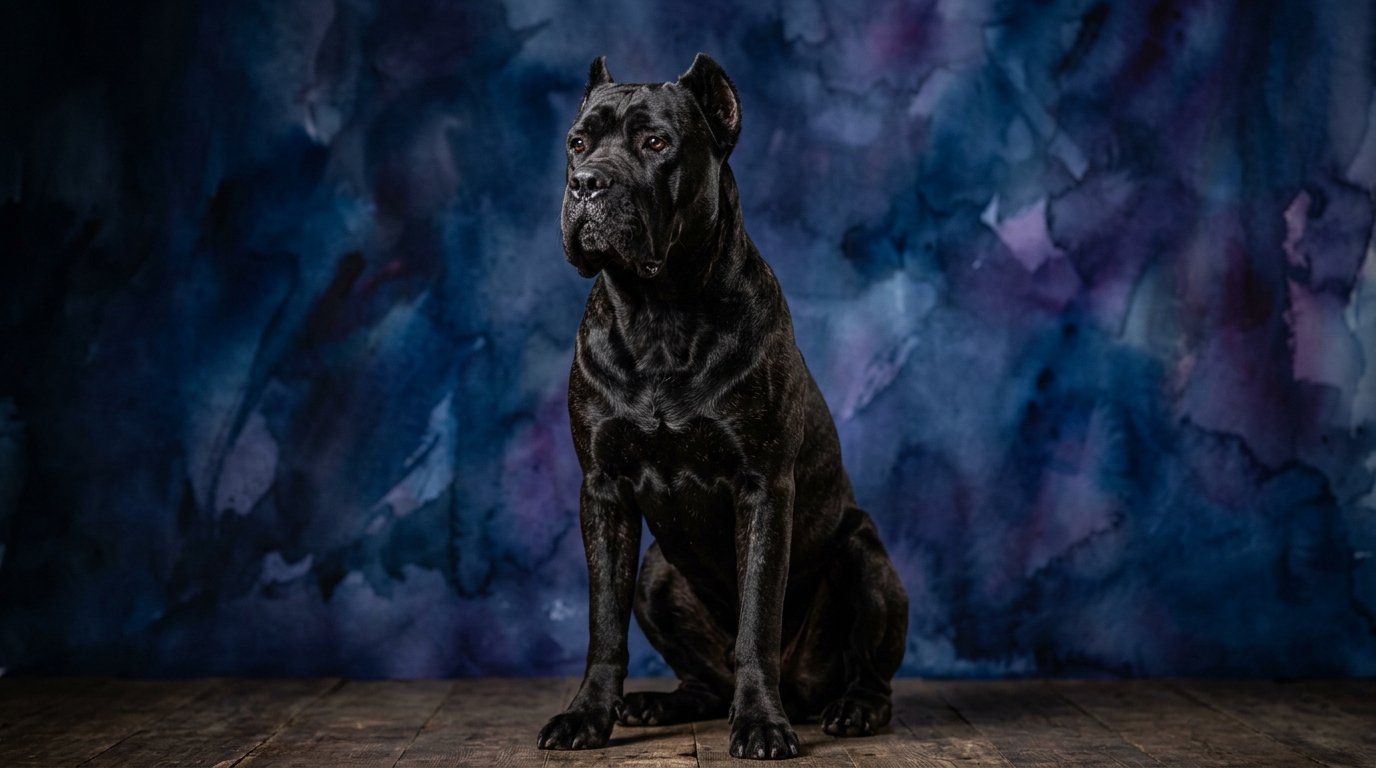
Side-by-Side IQ Profile: Yorkie vs. Cane Corso Cognitive Dimensions
To understand the unique intellectual landscape of these two distinct breeds, we examine their cognitive abilities across five key dimensions, as measured by The Cosmic Pet Pet IQ Lab. These metrics offer a granular view into how each breed perceives, learns, and interacts with their world.
**Yorkshire Terrier (Terrier Group, Coren Rank #27):** This spirited companion, often seen as a pocket-sized adventurer, exhibits a cognitive profile reflecting its terrier lineage and close human companionship.
**Problem Solving (3/5):** Yorkies exhibit a moderate capacity for navigating novel challenges, often employing tenacity and curiosity to figure out how to access desired items or attention. Their approach leans towards trial and error rather than complex strategic planning, like figuring out a treat puzzle after a few attempts.
**Training Speed (4/5):** This breed demonstrates a good pace in acquiring new commands. Their responsiveness to positive reinforcement, coupled with a quick grasp of cause-and-effect, allows them to pick up routines and behaviors rapidly.
**Social Intelligence (4/5):** Yorkies show a strong aptitude for understanding human cues and the social dynamics within their family. They are adept at reading moods and communicating their needs, fostering deep emotional bonds.
**Instinctive Drive (4/5):** Reflecting their terrier heritage, Yorkies possess a pronounced drive for investigating small movements or scents. This translates into keen observation and persistent engagement with their immediate environment.
**Memory (4/5):** Yorkies have a good memory, enabling them to retain learned commands, recall routines, and remember specific people or places over time, which supports their overall trainability.
**Cane Corso (Working Group, Not Coren-Ranked):** The formidable Cane Corso, a breed historically valued for its guarding abilities, displays a distinct cognitive makeup focused on vigilance, loyalty, and a deliberate approach to its environment.
**Problem Solving (3/5):** Cane Corsos display a moderate ability to tackle new problems, often characterized by a deliberate, observational assessment of situations, particularly those related to their protective role. They might methodically figure out how a gate latch works.
**Training Speed (3/5):** This breed learns at a steady, deliberate pace. While capable of mastering complex tasks, they require patience, clarity, and consistent repetition. Once a command is learned, it is typically well-understood.
**Social Intelligence (3/5):** Cane Corsos exhibit a moderate level of social intelligence, primarily attuned to their immediate human companions. Their social interactions can be more reserved, prioritizing a strong bond with their inner circle and assessing strangers cautiously.
**Instinctive Drive (3/5):** Their working heritage manifests as a moderate drive for guarding and protection, translating into natural vigilance and an awareness of their territory, rather than the high-intensity prey drive of some terriers.
**Memory (3/5):** Cane Corsos possess a solid memory, allowing them to recall training, remember family members, and identify familiar environments, which ensures consistency in their learned behaviors and relationships.
Where the Yorkshire Terrier Wins Cognitively
When we look closer at the specific cognitive dimensions, the Yorkshire Terrier demonstrates a distinct edge in several areas. Their **Training Speed** (4/5) surpasses the Cane Corso's (3/5), indicating a quicker uptake of new commands and routines. This means a Yorkie might master a new trick or house rule in fewer repetitions, making early training phases potentially less time-intensive.
Furthermore, their **Social Intelligence** (4/5) is more pronounced, suggesting a greater natural aptitude for interpreting human emotions and intentions. This can lead to a more intuitive communication dynamic, where the Yorkie seems to anticipate their owner's needs or moods with subtle cues. The Yorkie's **Instinctive Drive** (4/5), rooted in its terrier lineage, also scores higher, reflecting a more intense curiosity and engagement with environmental stimuli, like tracking a scent or investigating a rustle in the bushes. Finally, their **Memory** (4/5) is rated as more robust, allowing them to retain learned behaviors and associations for longer periods and with greater reliability than their Cane Corso counterparts.
Where the Cane Corso Wins Cognitively
While the raw scores might suggest the Cane Corso doesn't 'win' in a direct numerical comparison across all provided metrics, their cognitive profile excels in specific applications that align with their historical purpose. Their **Problem Solving** (3/5) is characterized by a deliberate, observational approach, often applied to assessing their environment for potential threats rather than playful curiosity. This means they might demonstrate a more measured and strategic thought process when evaluating a situation that requires a protective response.
Their **Instinctive Drive** (3/5), though numerically lower than the Yorkie's, is channeled into a distinct form of vigilance and territorial awareness. This isn't about chasing small prey, but rather a steady, inherent understanding of their boundaries and a calm readiness to protect their family. The Cane Corso's cognitive strengths lie in their stability and focused application of their intelligence towards tasks requiring composure and a watchful demeanor, rather than rapid, varied interactions.
Which is Easier to Train and Why
Considering the provided IQ metrics, the Yorkshire Terrier generally presents as the easier breed to train. Their higher **Training Speed** (4/5) means they tend to grasp new commands and concepts more quickly, often requiring fewer repetitions to achieve proficiency. This rapid learning curve, combined with their strong **Social Intelligence** (4/5), allows them to better read and respond to human cues, making them highly receptive to positive reinforcement methods.
A Yorkie's natural eagerness to engage and their good **Memory** (4/5) further contribute to their trainability, ensuring that once a behavior is learned, it is likely to be retained. For instance, house-training a Yorkie might progress faster due to their ability to quickly associate outdoor trips with appropriate elimination. In contrast, the Cane Corso's **Training Speed** (3/5) is more moderate, requiring a more patient and consistent approach from their owner. While they are capable learners, their deliberate nature means that new commands might take longer to solidify, and their **Social Intelligence** (3/5) might make them less overtly responsive to subtle human prompts. Their strong will and independent streak, characteristic of working breeds, can also mean that owners need to establish clear leadership and boundaries from an early age to ensure cooperation. Therefore, while both breeds are trainable, the Yorkie's cognitive makeup lends itself to a smoother, faster training experience for the average owner.
Which Suits Active Owners vs. Relaxed Owners
The choice between a Yorkshire Terrier and a Cane Corso for active versus relaxed owners hinges on their inherent energy levels, cognitive engagement styles, and physical requirements. The Yorkshire Terrier, with its higher **Instinctive Drive** (4/5) and spirited terrier nature, suits owners who enjoy consistent mental and moderate physical engagement. Despite their size, they thrive on interactive play, short walks, and opportunities to 'hunt' toys or solve simple puzzles. Their quick **Training Speed** and robust **Memory** mean they benefit greatly from ongoing learning to keep their minds stimulated. An owner for a Yorkie enjoys teaching new tricks or engaging in frequent, varied play sessions. For a truly relaxed owner seeking a low-maintenance companion, a Yorkie's mental and physical needs might be underestimated.
The Cane Corso, despite its imposing size, can be surprisingly suitable for a more relaxed owner, provided foundational needs for structure and socialization are met. Their **Instinctive Drive** (3/5) is geared more towards vigilance than high-energy pursuits, meaning they don't typically require endless hours of vigorous exercise. While they need regular walks, their cognitive engagement is often satisfied by a stable routine, clear boundaries, and being close to their family. Their moderate **Training Speed** means an owner needs to be consistent, but once trained, behaviors are generally reliable thanks to their solid **Memory**. A relaxed owner for a Cane Corso values a calm, watchful presence and is prepared to invest in consistent, early training for a well-adjusted, loyal companion.
The Verdict
Choose a Yorkshire Terrier if you seek a spirited, quick-learning companion eager for interactive mental challenges and capable of forming deep, intuitive emotional bonds within a smaller package.
Opt for a Cane Corso if you desire a calm, watchful protector whose loyalty is unwavering, and you are prepared for consistent, patient training to cultivate a stable, majestic presence in your home.
🧠 Find Your Pet's IQ Score
Our Pet IQ Lab assessment covers 25+ tests across 5 cognitive dimensions — personalized to your breed.
Take the Full IQ Test →Frequently Asked Questions
Does the Coren Rank difference significantly impact their intelligence?
The Coren Rank primarily measures obedience and working intelligence, reflecting how quickly a dog learns and performs known commands. While the Yorkshire Terrier's #27 rank indicates a strong aptitude for this type of learning, the Cane Corso's unranked status doesn't imply a lack of intelligence, but rather that its cognitive strengths might lie in areas not fully captured by this specific metric, such as independent protective decision-making.
How does a Yorkie's high instinctive drive compare to a Cane Corso's?
A Yorkie's high instinctive drive (4/5) typically manifests as a keen interest in small movements, scents, and exploring, characteristic of their terrier hunting heritage, leading to spirited engagement. The Cane Corso's instinctive drive (3/5) is more focused on vigilance, guarding, and territorial awareness, reflecting their working background as protectors, leading to a watchful and discerning demeanor.
Can a Cane Corso be as adaptable as a Yorkshire Terrier to different living situations?
While both breeds can adapt, the Yorkshire Terrier's smaller size and generally higher social intelligence (4/5) often make them more adaptable to various living spaces, including apartments, provided their mental stimulation needs are met. The Cane Corso, though calmer indoors, requires sufficient space for their large bodies and, due to their protective instincts, thrives best in a stable environment with consistent boundaries and early socialization, which might require a more specific living setup.