
Side-by-Side Cognitive Profiles: Decoding Each Breed's Mind
The Yorkshire Terrier, a breed with a Coren ranking of #27, consistently demonstrates a sharp, engaged mind across multiple dimensions. Their problem-solving ability is rated at 3/5, indicating they can navigate moderate cognitive challenges and figure out solutions when motivated, often with a tenacious terrier spirit. Training speed is a notable strength at 4/5, suggesting they grasp new commands and routines with impressive alacrity. Social intelligence, also at 4/5, means they are adept at reading human cues, understanding emotional states, and forming strong, responsive bonds. Their instinctive drive, rated 4/5, points to a robust inner motivation, often manifesting as a keen prey drive or territorial protectiveness, requiring consistent redirection. Memory, at 4/5, enables them to retain learned behaviors, recall experiences, and remember individuals and locations over extended periods.
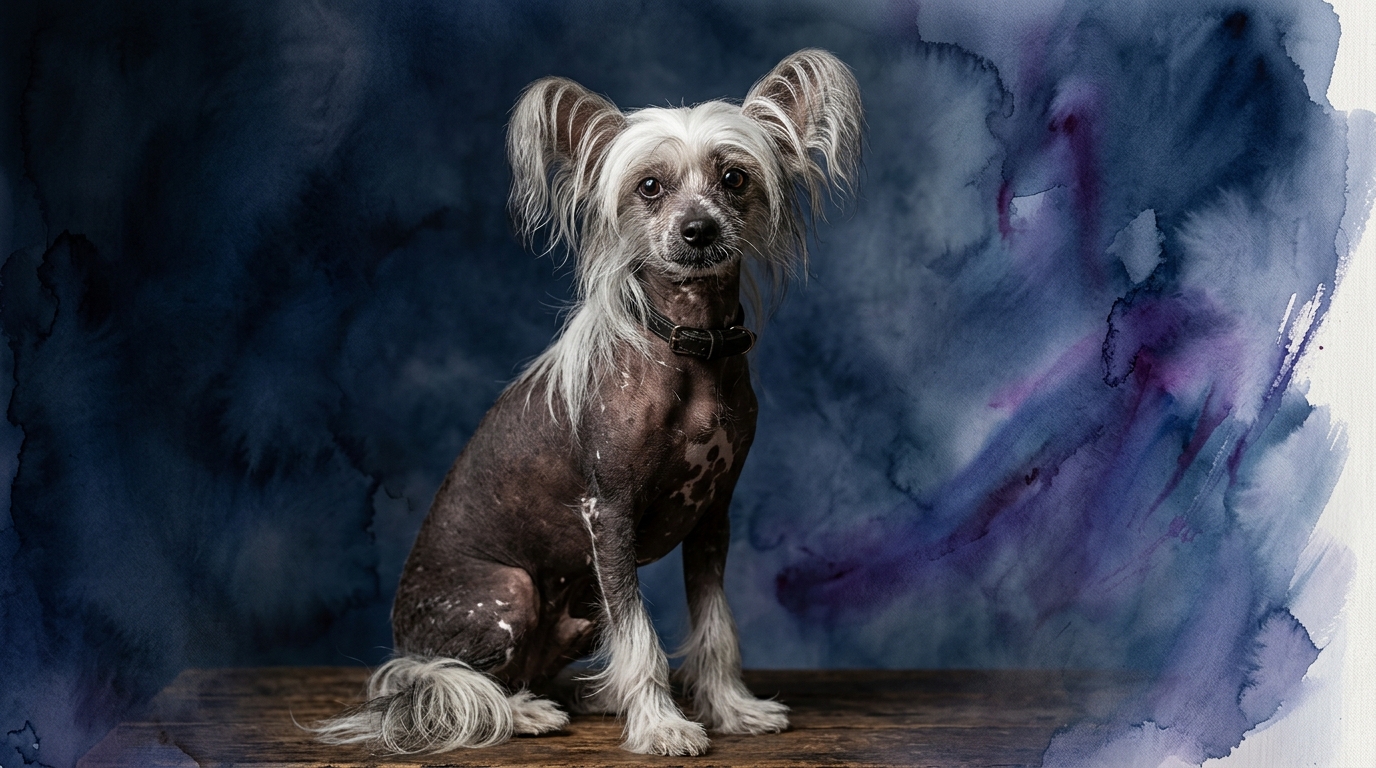
In contrast, the Chinese Crested, while not listed on the Coren ranking, presents a more moderate and perhaps more sensitive cognitive profile. Their problem-solving ability stands at 3/5, similar to the Yorkie, meaning they are capable of learning and adapting to new situations, though perhaps with less independent drive to initiate complex solutions. Training speed is rated 3/5, indicating they learn steadily and reliably, but may require more consistent repetition and patience compared to faster-learning breeds. Social intelligence, at 3/5, suggests they are attuned to their primary caregivers and can be deeply affectionate, yet might be less universally outgoing or quick to interpret the nuances of broader social interactions. Instinctive drive, at 3/5, indicates a lower intrinsic drive compared to the Yorkie, translating to less intense prey drive or territorial behaviors. Memory, also at 3/5, means they can recall routines and familiar faces, but might not retain information with the same detailed precision or long-term recall as breeds with higher scores.
Where the Yorkshire Terrier Excels Cognitively
The Yorkshire Terrier's cognitive strengths lie primarily in their speed of acquisition and their robust internal drives. With a training speed of 4/5, they are remarkably quick to pick up new commands and cues, often needing fewer repetitions to cement a behavior. This makes them excellent candidates for advanced obedience, trick training, or even certain dog sports where rapid learning is an asset. Their social intelligence, also 4/5, means they are highly perceptive to human emotions and intentions, often anticipating their owner's next move or mood, which can foster a deeply intuitive bond.
Furthermore, the Yorkie's 4/5 instinctive drive translates into a persistent, goal-oriented approach. Whether it's tracking a scent, guarding their territory, or diligently working to solve a puzzle for a treat, they possess an inherent drive to complete tasks. This tenacity, coupled with their 4/5 memory, allows them to remember complex sequences of actions and apply past successful strategies to new challenges, making them effective problem-solvers once they understand the parameters. Their memory also contributes to their strong recall of people and places, making them excellent companions for those who appreciate a dog that remembers every interaction.
Where the Chinese Crested Finds Its Cognitive Edge
While the Chinese Crested's scores might appear more moderate, their cognitive advantages often manifest in their adaptability and their nuanced approach to companionship. Their 3/5 problem-solving, while not as fiercely independent as some breeds, often means they are capable of learning household rules and navigating their environment effectively without constantly seeking out new challenges to conquer. This can translate to a more relaxed and less demanding cognitive presence in the home, ideal for owners who prefer a calmer intellectual dynamic.
The Chinese Crested's 3/5 social intelligence, combined with their generally lower instinctive drive (3/5), often results in a dog that forms incredibly deep, focused bonds with their immediate family. They may not be as broadly socially astute as a Yorkie, but their sensitivity allows them to be exceptionally attuned to their chosen human's needs, often acting as gentle, empathetic companions. Their memory, also 3/5, ensures they reliably recall routines and the comfort of familiar people, contributing to their sense of security and their ability to thrive in a consistent, loving environment. This breed's cognitive profile makes them particularly well-suited for owners who value a sensitive, devoted partner over a dog driven by strong independent urges.
Training Dynamics: Yorkie's Zest vs. Crested's Sensitivity
Training a Yorkshire Terrier often feels like working with a quick study. Their 4/5 training speed means they pick up commands rapidly, making early obedience training a rewarding experience. However, their 4/5 instinctive drive, particularly their terrier tenacity and prey drive, can present challenges; they might be easily distracted by small movements or strong scents, requiring consistent focus and engaging, high-value rewards to maintain their attention. Their 4/5 social intelligence allows them to understand what you want, but their independent spirit means consistency and clear expectations are paramount to prevent them from developing their own 'rules.'
The Chinese Crested, with a 3/5 training speed, benefits significantly from patience and positive reinforcement. They learn steadily, but might require more repetitions than a Yorkie to fully internalize a command. Their 3/5 social intelligence means they are sensitive to tone and body language, thriving in an environment of gentle encouragement rather than harsh corrections, which could lead to timidity or reluctance. Their lower instinctive drive (3/5) can be an advantage here, as they are generally less prone to chasing impulses or exhibiting strong territorial behaviors, making them less likely to get sidetracked during training sessions. Success with a Crested often comes from building trust and making learning a positive, low-pressure experience.
Matching Lifestyles: Active Engagement vs. Relaxed Companionship
For owners who enjoy an active and mentally stimulating lifestyle, the Yorkshire Terrier is often an excellent match. Their 4/5 instinctive drive and 4/5 memory mean they thrive on consistent engagement, whether it's through daily training sessions, puzzle toys that challenge their problem-solving (3/5) skills, or even participation in dog sports like agility or earthdog trials (where applicable for their size). They benefit from owners who can channel their inherent drives into productive activities, preventing boredom and potential mischief. Their quick social intelligence (4/5) also makes them responsive partners in dynamic activities, eager to interact and learn alongside their human.
Conversely, the Chinese Crested's cognitive profile aligns beautifully with more relaxed or home-centered owners. Their moderate instinctive drive (3/5) means they are generally content with gentle walks, indoor play, and extensive cuddle time, rather than constantly seeking high-intensity physical or mental challenges. While they still enjoy learning (3/5 training speed) and benefit from mental enrichment, their overall cognitive demands are less strenuous. Their sensitivity and focused social intelligence (3/5) make them exceptionally devoted lap companions, ideal for individuals or families who cherish a quiet, affectionate presence and are prepared to offer consistent, gentle interaction.
The Verdict
Choose the Yorkshire Terrier if you're an owner ready to engage a quick-witted, tenacious companion with structured training, consistent mental challenges, and an appreciation for a dog that remembers every interaction and readily expresses its strong personality.
Opt for the Chinese Crested if you seek a sensitive, devoted, and relatively low-drive companion who thrives on gentle affection, consistent routines, and forms an incredibly deep bond within a calm, home-centric environment.
🧠 Find Your Pet's IQ Score
Our Pet IQ Lab assessment covers 25+ tests across 5 cognitive dimensions — personalized to your breed.
Take the Full IQ Test →Frequently Asked Questions
Are Yorkshire Terriers difficult to train due to their strong drive?
Yorkshire Terriers are quick learners (training speed 4/5), so they can be trained effectively. However, their strong instinctive drive (4/5) and terrier tenacity mean they require consistent, engaging training to channel their energy and prevent distractions, making early socialization and clear boundaries crucial.
Do Chinese Cresteds bond closely with their owners despite a lower social intelligence score?
Yes, while their social intelligence is rated 3/5, Chinese Cresteds are renowned for forming exceptionally deep, focused bonds with their primary caregivers. Their sensitivity means they are highly attuned to their chosen human, often preferring close companionship over broad social interactions.
Which breed is better for apartment living based on their cognitive traits?
Both breeds can adapt to apartment living, but the Chinese Crested's lower instinctive drive (3/5) and moderate activity needs might make them slightly easier for owners who prefer less intense mental and physical engagement. Yorkshire Terriers, with their higher drive (4/5), require more structured mental stimulation and consistent training to thrive in smaller spaces.