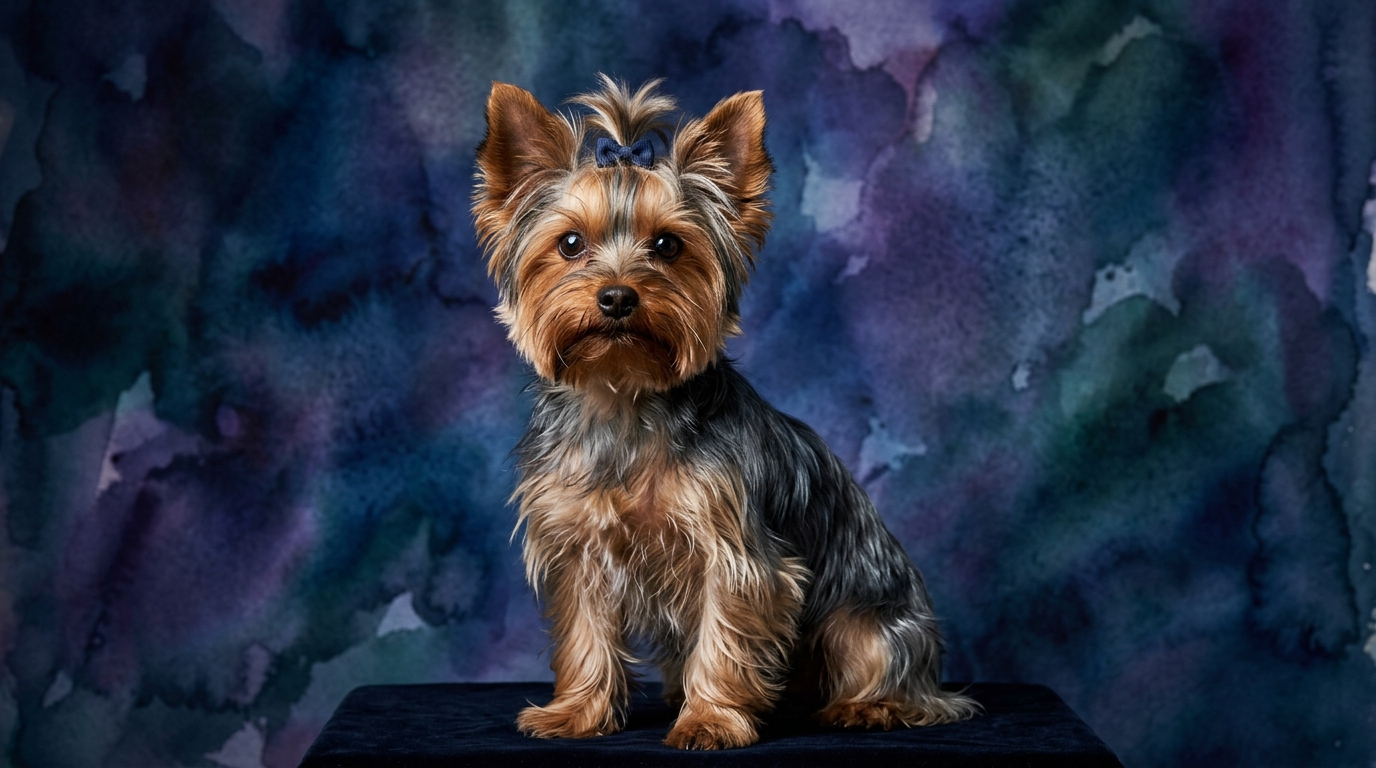
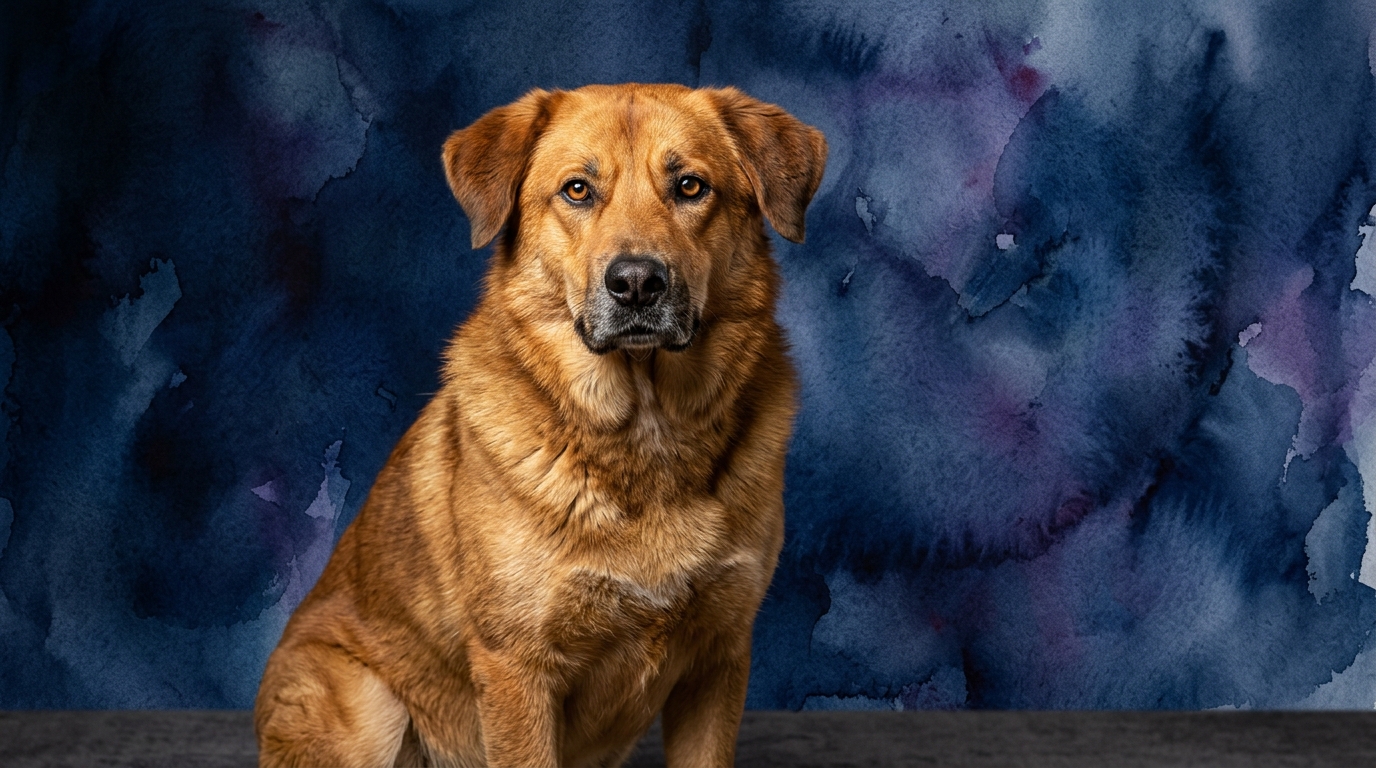
Side-by-Side Cognitive Profile
The Yorkshire Terrier, a spirited companion from the Terrier group, exhibits a fascinating cognitive makeup. Their Problem Solving is rated at 3/5, indicating a moderate ability to navigate novel situations with a resourceful, albeit sometimes persistent, approach. Training Speed shines at 4/5, demonstrating a quick grasp of new commands and routines. Social Intelligence is also strong at 4/5, reflecting their adeptness at reading human cues and forming deep bonds. Their Instinctive Drive, particularly for hunting small prey, is a robust 4/5, manifesting as keen alertness and a determined chase instinct. Finally, their Memory is solid at 4/5, ensuring good retention of learned behaviors over time.
The Chinook, a robust working dog, presents a profile of balanced and practical intelligence. Their Problem Solving is a steady 3/5, indicating a thoughtful and deliberate approach to challenges, especially those related to their working heritage. Training Speed is rated at 3/5, meaning they learn at a consistent pace with clear, patient instruction. Social Intelligence also stands at 3/5, showing a good capacity for forming family bonds and understanding social dynamics, though they might be more reserved initially. Their Instinctive Drive is 3/5, often expressed as a desire for cooperative work and exploration rather than intense prey pursuit. Memory rounds out their profile at 3/5, providing reliable retention of commands with regular reinforcement.
Where the Yorkshire Terrier Wins Cognitively
The Yorkshire Terrier truly shines in areas demanding quick cognitive processing and social acuity. Their Training Speed of 4/5 means they grasp new commands and routines with remarkable swiftness, often requiring fewer repetitions for mastery compared to the Chinook's 3/5. This rapid assimilation of information makes them particularly responsive to diverse training methods and opens doors for learning complex tricks or participating in dog sports that demand agility and immediate obedience. Furthermore, their Social Intelligence (4/5) grants them a nuanced understanding of human communication, allowing them to pick up on subtle cues and intentions, often anticipating their owner's desires. This makes them highly adaptable in social settings and quick to integrate into family life, often becoming deeply attuned companions. Their superior Memory (4/5) ensures that once a lesson is learned, it tends to stick, solidifying their training and making their learned behaviors consistent over time, a distinct advantage over breeds with moderate recall.
Where the Chinook's Cognitive Profile Excels
While the Chinook doesn't outscore the Yorkshire Terrier in any specific cognitive dimension based on our IQ metrics, their consistent 3/5 scores across the board highlight a profile of balanced, practical intelligence well-suited for their historical roles. Their Problem Solving at 3/5, while matching the Yorkie, manifests differently; Chinooks often approach challenges with a calm, deliberate methodicalness, particularly in tasks requiring endurance and sustained effort, rather than the Yorkie's spirited, sometimes impulsive, persistence. This steady cognitive approach allows them to be reliable and consistent, less prone to the quick shifts in focus that might characterize a terrier. Their Instinctive Drive (3/5) is geared towards cooperative work and companionship, reflecting their heritage as sled dogs. This drive isn't about chasing small game but rather about working alongside humans, making them excel in tasks requiring collaboration, sustained attention, and a strong sense of partnership. This practical, enduring cognitive style means they are less likely to be distracted by fleeting stimuli, providing a steadfast companion for longer, more focused activities.
Which is Easier to Train and Why
Based on The Cosmic Pet Pet IQ Lab metrics, the Yorkshire Terrier is generally easier to train due to its higher Training Speed score of 4/5 compared to the Chinook's 3/5. Yorkies possess a natural eagerness to learn and a quicker ability to associate commands with actions, often picking up new behaviors in fewer sessions. Their higher Social Intelligence (4/5) also plays a crucial role, making them more attuned to their trainer's expressions and intentions, which facilitates smoother communication during training. For instance, a Yorkie might master “sit” and “stay” with just a handful of dedicated sessions, while a Chinook, though willing, will likely require more repetitions and a more patient, consistent approach to solidify the same commands. The Yorkie's superior Memory (4/5) also means that once a lesson is learned, it is retained more effectively, reducing the need for constant re-training and making advanced obedience or trick training a more fluid process.
Suited for Active vs. Relaxed Owners
The choice between these two breeds largely depends on an owner's lifestyle and their capacity for engagement. The Yorkshire Terrier, with its Instinctive Drive of 4/5 and high Social Intelligence, thrives with owners who can provide consistent mental stimulation and social interaction. While they are small, their terrier spirit means they require engaging play, short bursts of activity, and opportunities to “hunt” (e.g., fetch, puzzle toys), making them suitable for active owners who enjoy interactive games and consistent, varied training sessions. However, their physical exercise needs are moderate, allowing them to adapt to more relaxed indoor lifestyles as long as their minds are kept busy. The Chinook, possessing a more moderate Instinctive Drive of 3/5, is better suited for active owners who appreciate steady, enduring companions for outdoor adventures. Their working dog heritage means they excel in activities like hiking, long walks, or even pulling light loads, thriving on consistent physical exertion. While they are social, their 3/5 Social Intelligence means they might be less demanding of constant, intense social engagement than a Yorkie, making them a good fit for owners who enjoy shared, purposeful activities rather than constant interactive play. A relaxed owner might find the Chinook's need for consistent, moderate exercise a challenge, whereas a Yorkie could adapt to a more sedentary lifestyle if mental enrichment is prioritized.
The Verdict
Choose the Yorkshire Terrier if you desire a highly responsive, quick-learning companion eager for interactive training, social engagement, and consistent mental stimulation in a compact package.
Choose the Chinook if you seek a steady, reliable partner for consistent outdoor activities and appreciate a dog with a balanced, practical intelligence that thrives on purposeful, shared endeavors.
🧠 Find Your Pet's IQ Score
Our Pet IQ Lab assessment covers 25+ tests across 5 cognitive dimensions — personalized to your breed.
Take the Full IQ Test →Frequently Asked Questions
Is a Yorkshire Terrier good for first-time dog owners?
Yes, a Yorkshire Terrier can be a good choice for first-time owners due to their high training speed and social intelligence, which makes them responsive to guidance. However, their strong instinctive drive requires consistent socialization and training to manage their spirited terrier personality effectively.
Do Chinooks need a lot of exercise?
Chinooks do require consistent moderate exercise, reflecting their working dog heritage. While their instinctive drive is 3/5, they thrive on daily walks, hikes, or other activities that allow them to use their endurance and engage their minds in purposeful movement, making them ideal for active individuals.
How do their problem-solving skills compare in real-world scenarios?
Both breeds score 3/5 in problem-solving, but their approaches differ. A Yorkshire Terrier might use its quick wit and persistence to figure out how to get a treat from a puzzle toy, while a Chinook might apply its steady, methodical nature to navigate a hiking trail or learn a complex multi-step task, emphasizing different forms of practical intelligence.