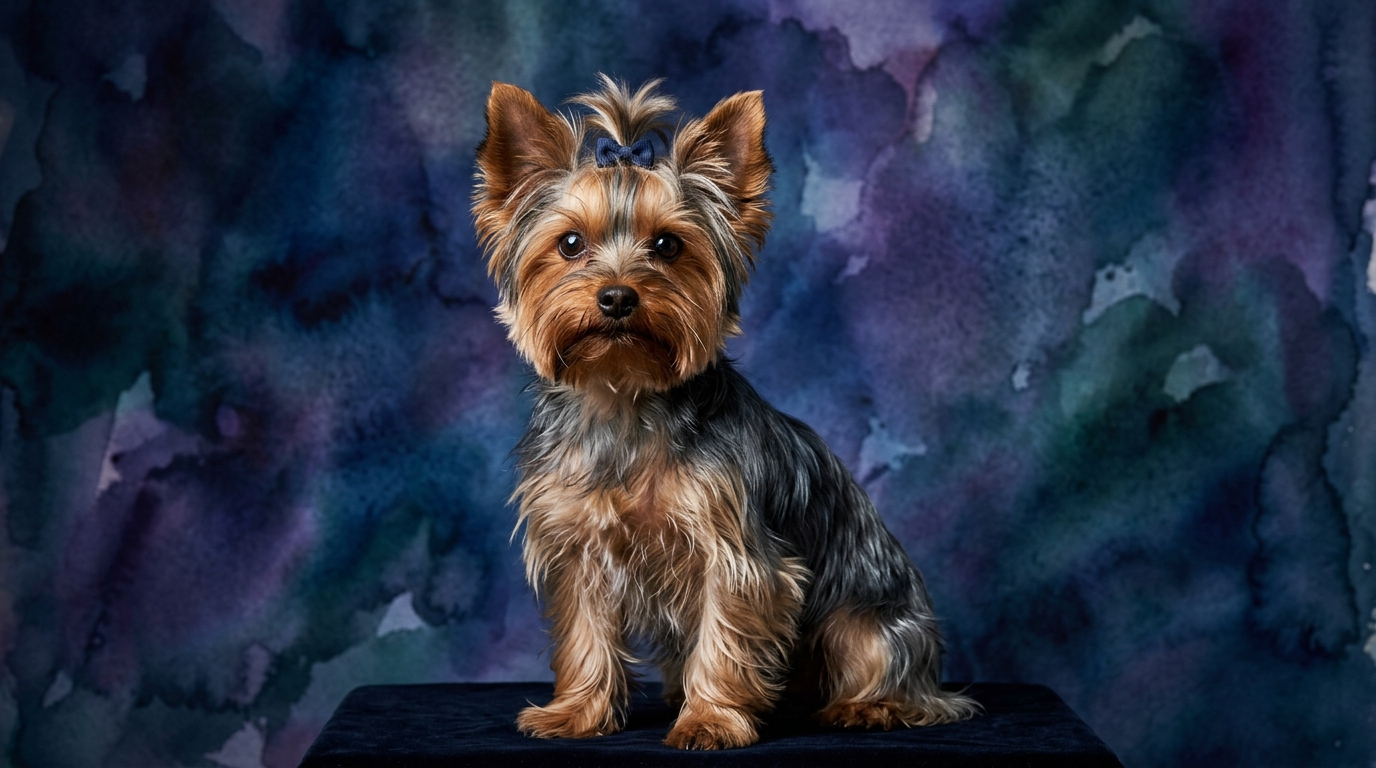
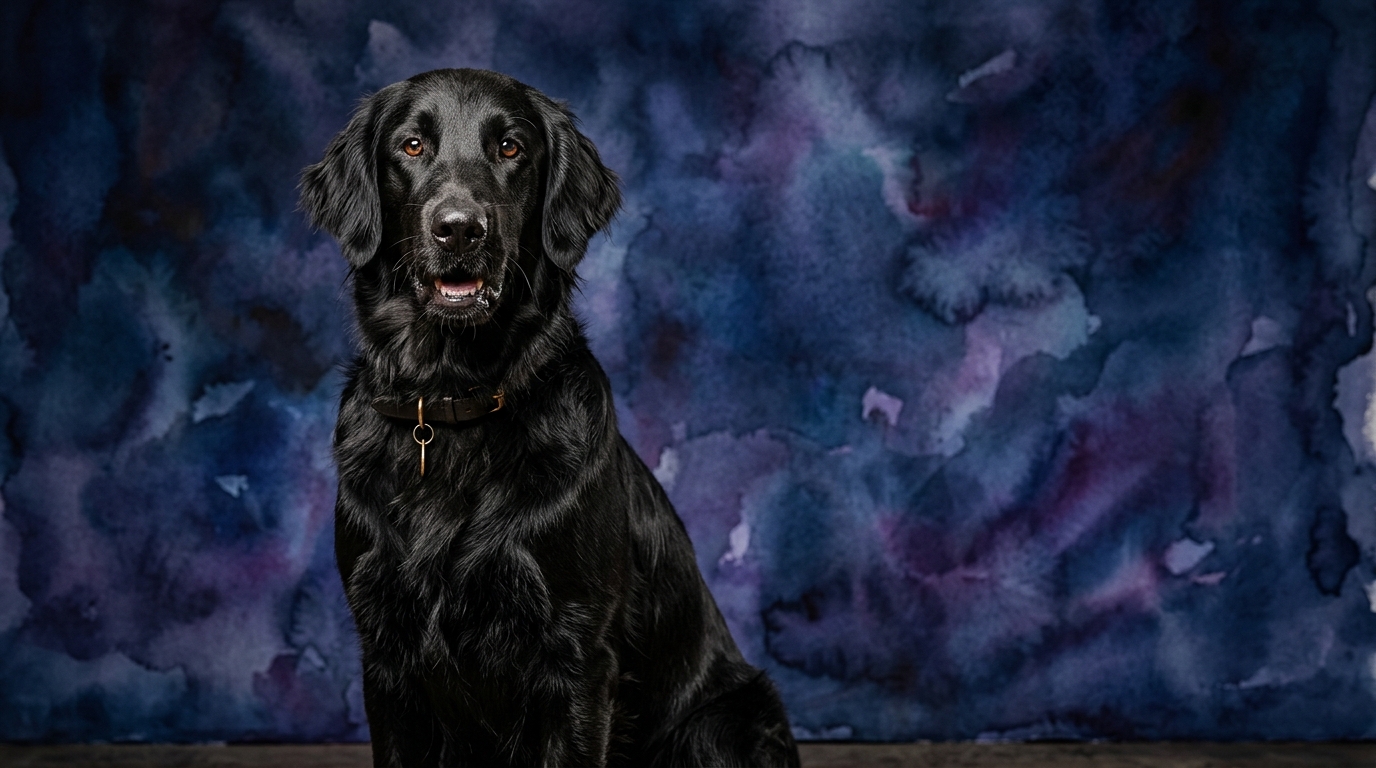
Side-by-side IQ Profile: Unpacking Cognitive Dimensions
The Cosmic Pet Pet IQ Lab categorizes canine intelligence across five key dimensions, offering a granular view beyond general rankings. For the Yorkshire Terrier, Coren rank #27, we observe a particular cognitive lean. Their Problem Solving is rated 3/5, indicating they can navigate moderate challenges and learn from experience, though they might require more structured guidance for novel situations. Training Speed scores an impressive 4/5, suggesting a quick uptake of new commands and routines, often eager to please and respond to cues. Social Intelligence also stands at 4/5, reflecting a keen ability to read human emotions and adapt their behavior in social contexts, often forming strong, perceptive bonds. An Instinctive Drive of 4/5 highlights their terrier heritage, manifesting as persistent focus when engaged in tasks that tap into their innate prey drive or curiosity. Finally, their Memory is rated 4/5, allowing them to retain learned behaviors and recall past experiences effectively.
In contrast, the Flat-Coated Retriever, with a Coren rank #17, presents a different cognitive blueprint, reflecting its sporting dog purpose. Their Problem Solving is a robust 4/5, demonstrating a capacity for resourceful thinking and an ability to figure out complex tasks independently, often showing ingenuity in novel situations. Training Speed matches the Yorkie at 4/5, indicating they are equally adept at acquiring new commands and developing skills with consistent instruction. However, their Social Intelligence is rated 3/5, meaning while friendly and affectionate, they might be less attuned to the subtle emotional nuances of humans compared to the Yorkshire Terrier, often expressing their joy more overtly. Their Instinctive Drive sits at 3/5, reflecting a strong natural retrieving instinct but generally a more moderate prey drive than a terrier, making them less prone to persistent independent hunting behaviors. The Flat-Coated Retriever truly shines in Memory, achieving a perfect 5/5, signifying an exceptional ability to recall intricate sequences, past training, and environmental details over extended periods.
Where the Yorkshire Terrier Wins Cognitively
The Yorkshire Terrier's cognitive profile reveals distinct advantages, particularly in areas of social attunement and spirited persistence. Their superior Social Intelligence (4/5 vs. the Flat-Coat's 3/5) means they are often more perceptive of human moods and intentions, making them remarkably responsive companions who can adapt their behavior based on subtle owner cues. This heightened social awareness allows for deeper emotional connections and can make them exceptionally intuitive pets in various social settings. Furthermore, the Yorkie's stronger Instinctive Drive (4/5 vs. 3/5) translates into a tenacious problem-solving approach. While their overall Problem Solving score is slightly lower, their inherent terrier drive can fuel a persistent determination to overcome obstacles, especially when a task appeals to their innate curiosity or desire to "hunt" for toys or treats, often surprising owners with their cleverness and resourcefulness in specific contexts. This drive, when channeled appropriately, makes them engaging partners for interactive games and mental challenges.
Where the Flat-Coated Retriever Wins Cognitively
The Flat-Coated Retriever exhibits its cognitive prowess most notably in memory retention and comprehensive problem-solving capabilities. With a perfect 5/5 in Memory, they possess an exceptional capacity to recall complex sequences, intricate commands, and past experiences with remarkable accuracy and longevity. This allows them to master advanced training routines and retain a vast repertoire of skills, making them ideal candidates for intricate canine sports or service work where precision and recall are paramount. Their Problem Solving, rated 4/5, also surpasses the Yorkshire Terrier's, indicating a more generalized ability to analyze new situations and devise effective solutions independently. This cognitive strength allows them to adapt quickly to unfamiliar environments and challenges, applying previous learning in novel ways to achieve desired outcomes. The Flat-Coat's higher Coren ranking (#17) further reinforces their capacity for consistent obedience and working intelligence across a broader range of tasks.
Which is Easier to Train and Why
Both the Yorkshire Terrier and the Flat-Coated Retriever share an impressive Training Speed of 4/5, suggesting both breeds pick up new commands readily. However, the nuances of their cognitive profiles dictate different training experiences. The Flat-Coated Retriever, with its superior Memory (5/5) and stronger Problem Solving (4/5), often demonstrates an easier path to mastering complex, multi-step tasks and retaining them over long periods. Their higher Coren rank (#17) reflects a greater capacity for working and obedience intelligence, meaning they are generally more inclined to follow instructions consistently and generalize learned behaviors to new environments. While their social intelligence is slightly lower, their drive to work alongside humans for a task, coupled with excellent memory, makes them highly responsive to structured, positive reinforcement-based training for advanced skills.
The Yorkshire Terrier, despite its excellent Training Speed (4/5) and high Social Intelligence (4/5), might present different training challenges. Their keen social awareness makes them highly motivated by owner approval and emotional cues, which is a powerful training asset for basic obedience and tricks that foster bonding. However, their higher Instinctive Drive (4/5) can sometimes translate into a more independent or tenacious approach to tasks, occasionally leading to stubbornness if their terrier instincts are not properly channeled or if they perceive a more interesting "prey" distraction. Their slightly lower Problem Solving (3/5) might mean they require more repetition and clearer guidance when learning entirely novel or abstract commands. While both are trainable, the Flat-Coat's cognitive architecture makes it generally more suited for consistent, complex obedience work, whereas the Yorkie excels with engaging, bond-centric training that manages its spirited drive.
Which Suits Active Owners vs. Relaxed Owners
The activity requirements for the Yorkshire Terrier and the Flat-Coated Retriever diverge significantly, largely influenced by their breed type and intrinsic drives. The Flat-Coated Retriever, a sporting breed, is unequivocally suited for highly active owners. Their robust physical build, combined with a cognitive profile that includes strong Problem Solving (4/5) and exceptional Memory (5/5), means they thrive on extensive physical exercise and mental engagement. They excel in activities like retrieving games, long hikes, swimming, and various dog sports such as agility, obedience, and field trials. Owners who lead an adventurous lifestyle and can dedicate significant time to daily outdoor activities and structured training will find a Flat-Coat to be an enthusiastic and capable companion, benefiting from constant stimulation to prevent boredom.
The Yorkshire Terrier, while small, is far from a sedentary lapdog due to its terrier heritage and strong Instinctive Drive (4/5). They require regular mental stimulation and moderate physical activity to satisfy their intelligent and spirited nature. While they don't demand miles of running like a Flat-Coat, they benefit immensely from daily walks, interactive play sessions, puzzle toys, and short, engaging training sessions that tap into their Problem Solving (3/5) and Social Intelligence (4/5). They can adapt well to apartment living provided their cognitive and physical needs are met indoors and with consistent outdoor excursions. Therefore, Yorkies are better suited for moderately active owners who enjoy consistent engagement, interactive play, and training, but might not necessarily participate in strenuous outdoor sports for hours each day.
The Verdict
Choose a Yorkshire Terrier if you seek a socially perceptive, tenacious companion that thrives on interactive play and bond-centric training, and you are prepared to channel their spirited terrier drive into engaging activities.
Opt for a Flat-Coated Retriever if you are an active individual or family seeking a highly trainable, robust partner for extensive outdoor activities and advanced canine sports, valuing exceptional memory and problem-solving for complex tasks.
🧠 Find Your Pet's IQ Score
Our Pet IQ Lab assessment covers 25+ tests across 5 cognitive dimensions — personalized to your breed.
Take the Full IQ Test →Frequently Asked Questions
Does the Coren rank directly indicate a breed's suitability for a first-time owner?
The Coren rank, reflecting working and obedience intelligence, can suggest how readily a breed learns and follows commands. While a higher rank like the Flat-Coat's (#17) might imply easier training for complex tasks, a Yorkie's social intelligence can make them very responsive to a dedicated first-time owner who prioritizes bonding and consistent, positive reinforcement. Suitability also depends on an owner's lifestyle and commitment to meeting a specific breed's cognitive and physical needs.
How does a breed's Instinctive Drive impact its daily life and training?
Instinctive Drive influences a dog's inherent motivations and behaviors. A higher drive, like the Yorkie's (4/5), means they might be more persistent in pursuing specific interests, like chasing small critters or engaging in focused play, requiring owners to provide appropriate outlets and consistent management. A moderate drive, such as the Flat-Coat's (3/5), typically means their natural instincts, like retrieving, are present but generally more manageable and channelable into structured activities.
Can a Yorkshire Terrier excel in dog sports despite its smaller size?
Absolutely. Despite their size, Yorkshire Terriers can excel in various dog sports like agility, obedience, and even flyball, leveraging their high training speed, social intelligence, and tenacious instinctive drive. Their compact size often makes them agile and quick, and their strong bond with their handler can be a significant asset in competitive environments, demonstrating that cognitive abilities are not solely tied to physical stature.