Side-by-Side IQ Profile: Yorkie vs. Mastiff
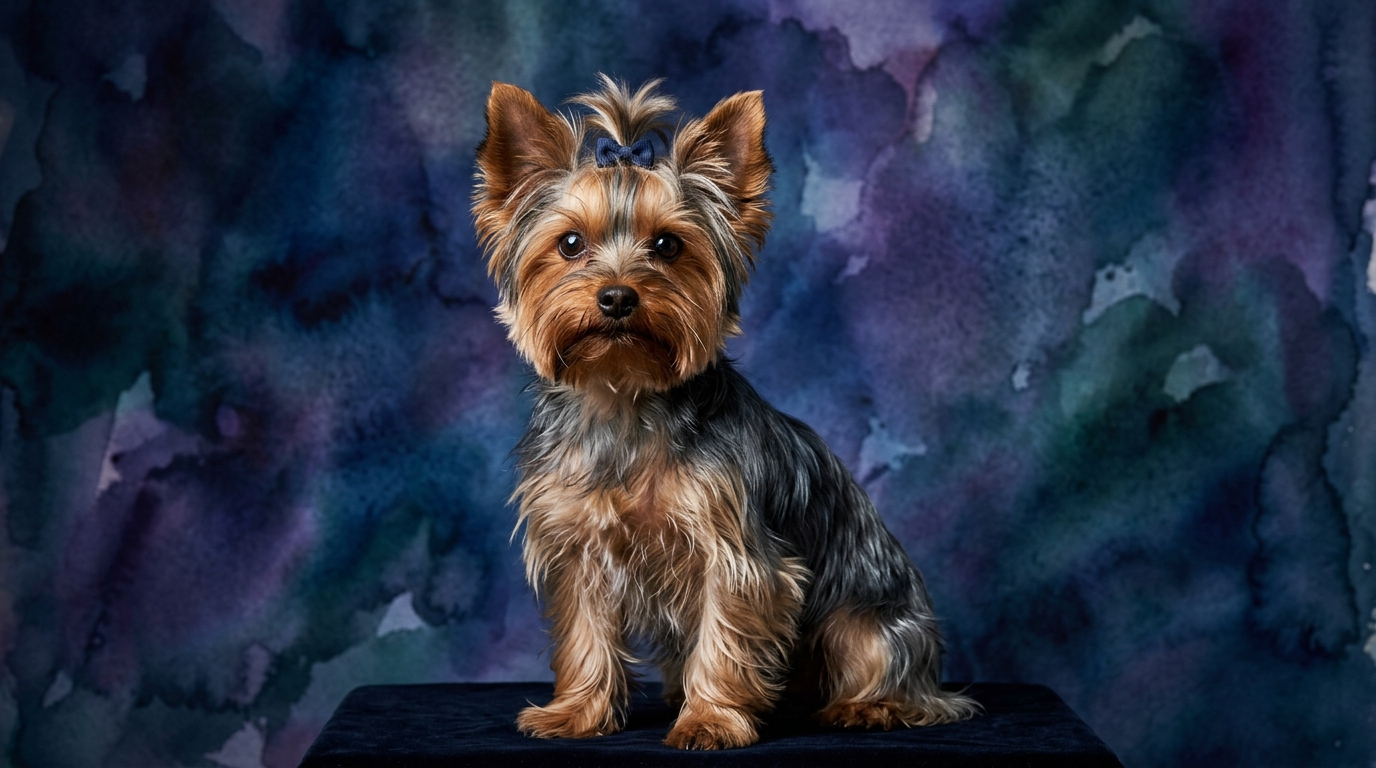
The Pet IQ Lab assesses canine cognition across five key dimensions, offering a nuanced view beyond mere 'smartness.' For the Yorkshire Terrier, we observe a Coren rank of #27, indicating a strong capacity for understanding new commands. Their Problem Solving is rated 3/5, suggesting they can navigate moderate challenges effectively, often with a clever, terrier-typical approach to obstacles. Training Speed stands at 4/5, meaning they grasp new commands with fewer repetitions and retain them well. Social Intelligence is also 4/5, highlighting their adeptness at reading human cues and adapting to various social settings. Their Instinctive Drive is a robust 4/5, reflecting their keen prey drive and alert nature. Finally, Memory is 4/5, allowing them to recall learned behaviors and past experiences with impressive consistency.
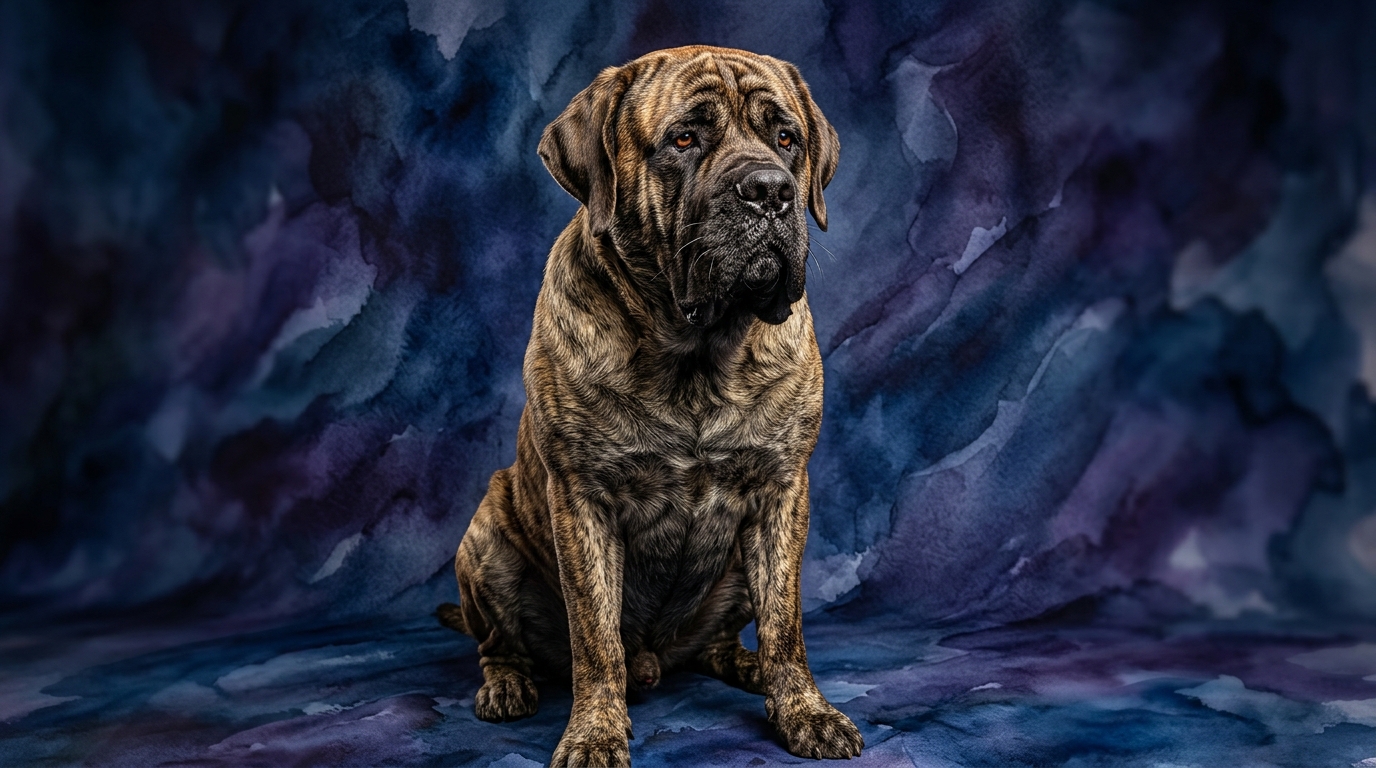
In stark contrast, the Mastiff, with a Coren rank of #72, falls into a category that requires more patience in training, though their capabilities are distinct. Their Problem Solving is also 3/5, but this manifests differently; a Mastiff might methodically assess a situation or an environmental change, focusing on practical solutions rather than intricate puzzles. Training Speed is 3/5, indicating they will learn, but at a more deliberate pace, requiring consistent and positive reinforcement. Social Intelligence is 3/5, suggesting they form deep, stable bonds with their family but might be more reserved or less overtly expressive in broader social interactions. Their Instinctive Drive is 3/5, primarily channeled into guardianship and protection rather than high-energy pursuits. Memory is 3/5, meaning they retain learned information and routines, but perhaps require more reinforcement over time compared to breeds with higher scores.
Where the Yorkshire Terrier Wins Cognitively
The Yorkshire Terrier's cognitive strengths shine particularly in areas demanding quick uptake and social attunement. Their 4/5 Training Speed means they can acquire complex command sequences rapidly, making them excellent candidates for competitive obedience or trick training where multiple steps and precise execution are required. This quick learning translates into a versatile companion capable of mastering a wide array of skills with relative ease.
Furthermore, their 4/5 Social Intelligence allows them to navigate intricate human dynamics with surprising acumen. They are often highly attuned to their owner's moods and household routines, making them responsive and adaptable family members. This keen observational skill helps them integrate seamlessly into diverse living situations, understanding unspoken cues and anticipating events.
Their robust 4/5 Instinctive Drive manifests as a tenacious spirit and alertness. While originating from their terrier heritage for vermin control, this drive translates into a focused determination in tasks, whether it's solving a puzzle toy for a treat or engaging in scent work. Coupled with their 4/5 Memory, a Yorkshire Terrier can reliably recall specific tasks, commands, and even the locations of favored toys or people, making them consistent performers once a behavior is established.
Where the Mastiff Wins Cognitively
While the Mastiff's scores may be lower across the board, their cognitive profile reveals strengths unique to their breed purpose and temperament. Their 3/5 Problem Solving isn't about speed, but often about a calm, measured assessment of their environment. A Mastiff might not solve a complex puzzle toy as quickly as a Yorkie, but they excel at understanding and navigating large-scale spatial challenges or recognizing subtle shifts in their surroundings that might indicate a need for vigilance.
The Mastiff's 3/5 Social Intelligence is characterized by a profound, unwavering loyalty and a deep understanding of their family unit's dynamics. Rather than overt displays, their intelligence in this realm is expressed through quiet observation, a steady presence, and an innate sense of who belongs and who doesn't. They develop a strong emotional bond, recognizing individual family members and their routines, contributing to a sense of stability within the home.
Their 3/5 Instinctive Drive is powerfully channeled into guardianship. This isn't a high-energy chase drive, but a deliberate, protective instinct that allows them to discern genuine threats from harmless occurrences. A Mastiff's memory (3/5) supports this role by helping them recall past interactions, familiar faces, and the established rules of the household, contributing to their reliability as a guardian. They build a reliable mental map of their territory and its inhabitants, offering consistent and predictable responses to their environment.
Which Is Easier to Train and Why?
Comparing training ease, the Yorkshire Terrier generally presents a more straightforward experience for most owners. Their 4/5 Training Speed and 4/5 Memory scores mean they typically grasp new commands with fewer repetitions and retain that knowledge effectively over time. This cognitive agility, combined with their Coren rank of #27, allows them to excel in various training disciplines, making them responsive to positive reinforcement and capable of learning a broad repertoire of behaviors relatively quickly. They often display an eagerness to please that further accelerates the training process, turning sessions into engaging, productive interactions.
The Mastiff, with its Coren rank of #72, will require a significantly more patient and consistent training approach. Their 3/5 scores in Training Speed and Memory indicate that while they are certainly capable of learning, the process is slower and requires more consistent reinforcement to solidify behaviors. Mastiffs often process information at a more deliberate pace, meaning trainers must be prepared to repeat commands and cues more frequently, ensuring clarity and positive associations. Their sheer size also necessitates early and consistent training to ensure they are manageable and well-mannered companions, making foundational obedience paramount from puppyhood.
Which Suits Active Owners vs. Relaxed Owners?
For active owners seeking a highly interactive and mentally agile companion, the Yorkshire Terrier is often a more fitting choice. Their 4/5 Instinctive Drive translates into a lively, curious nature that thrives on engagement, making them excellent partners for activities like agility, trick training, or extended walks with plenty of sensory input. Their 4/5 Social Intelligence ensures they enjoy being at the center of family activities and can adapt well to various social outings, making them a vibrant presence in a dynamic household. They benefit from consistent mental stimulation and enjoy being an integral, participating member of daily life, always ready for the next adventure or learning opportunity.
Conversely, the Mastiff is generally better suited for relaxed owners who appreciate a calm, steady presence and a predictable routine. Their 3/5 scores across the board suggest they thrive in an environment where their quiet vigilance and deliberate pace are valued, rather than constant high-energy demands. While they require regular, moderate exercise, their mental engagement often focuses on companionship and security within the home rather than high-octane problem-solving games or intense training sessions. Owners who understand and respect the Mastiff's more reserved nature and are prepared for consistent, gentle training to manage their immense size will find a profoundly loyal and serene companion.
The Verdict
Choose a Yorkshire Terrier if you seek a highly trainable, socially adept companion who thrives on mental engagement and can quickly master new skills for an active, interactive lifestyle.
Opt for a Mastiff if you desire a calm, steadfast companion whose intelligence is expressed through loyalty and protective instincts, and you are prepared for patient, consistent training within a relaxed home environment.
🧠 Find Your Pet's IQ Score
Our Pet IQ Lab assessment covers 25+ tests across 5 cognitive dimensions — personalized to your breed.
Take the Full IQ Test →Frequently Asked Questions
Do Yorkshire Terriers require a lot of mental stimulation?
Yes, with a 3/5 in problem solving and 4/5 in instinctive drive, Yorkshire Terriers benefit greatly from mental challenges. Puzzle toys, training sessions, and varied experiences help satisfy their curious nature and prevent boredom, channeling their energy constructively.
Are Mastiffs difficult to train due to their lower Coren rank?
Mastiffs are not inherently difficult, but their 3/5 training speed means they require more patience and consistency than breeds with higher ranks. They respond best to positive reinforcement and clear, deliberate instruction, making early and ongoing training essential for managing their large size effectively.
How does social intelligence differ between these two breeds?
A Yorkshire Terrier's 4/5 social intelligence indicates a keen ability to read human cues and adapt to social situations with expressiveness. A Mastiff's 3/5 social intelligence manifests as deep loyalty and a quiet understanding of family dynamics, often expressed through steady vigilance rather than overt social displays.