Side-by-Side Cognitive Profiles: Decoding Canine Intelligence
To understand the unique mental architectures of these two breeds, The Cosmic Pet Pet IQ Lab employs a five-dimensional cognitive framework. This allows us to move beyond anecdotal observations and focus on specific facets of intelligence, providing a clear, comparative lens.
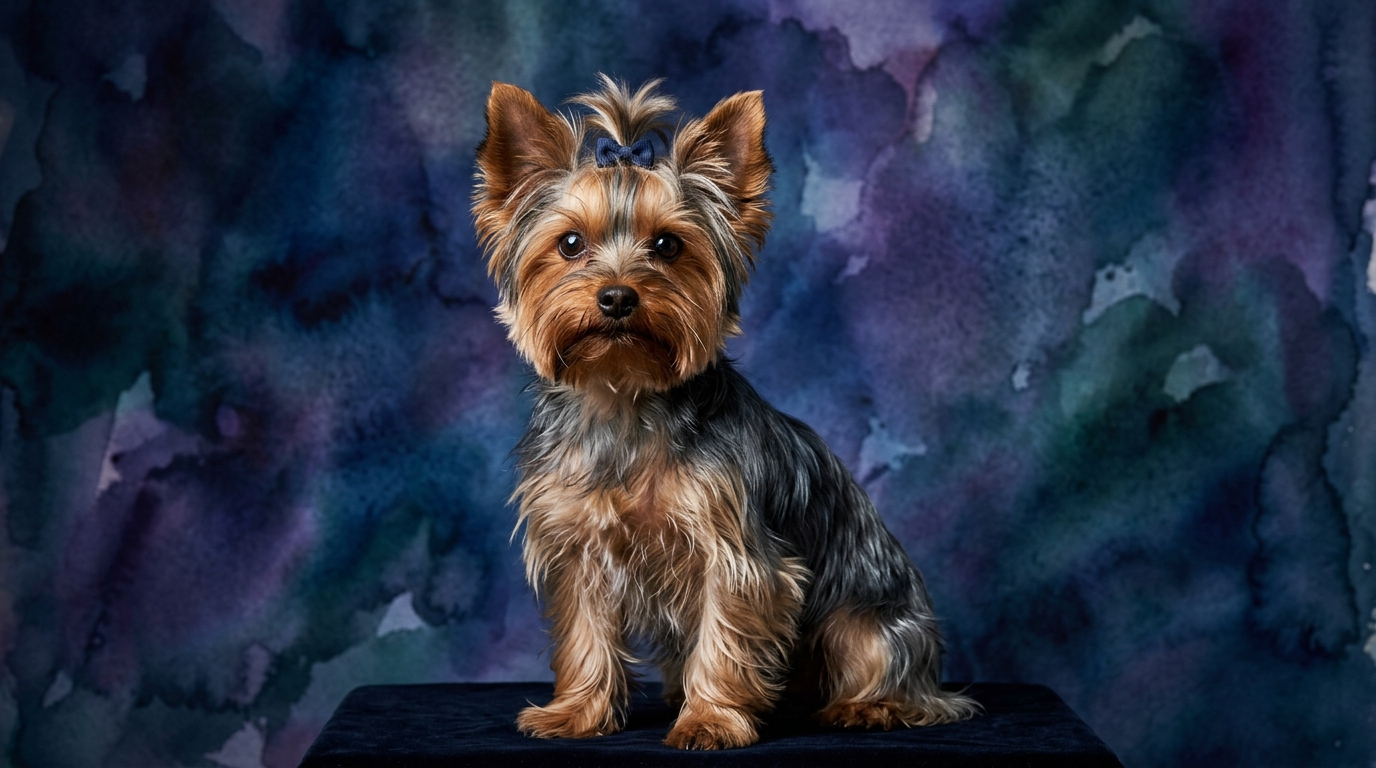
For the Yorkshire Terrier, a breed Coren-ranked at #27, we observe a distinct cognitive profile. Their Problem Solving (3/5) indicates an ability to navigate practical challenges within their environment, such as figuring out how to retrieve a hidden treat or maneuvering through obstacles, though they may not excel at complex, multi-stage puzzles. Training Speed (4/5) highlights their quick uptake of new commands and routines; they generally require fewer repetitions to grasp concepts, making them highly responsive learners. Their Social Intelligence (4/5) is notable, demonstrating a keen perception of human emotions and social cues, fostering deep, interactive bonds with their families. The Instinctive Drive (4/5) in a Yorkie reflects their terrier heritage—a strong inclination for chasing, exploring, and engaging with their surroundings, which translates into energetic play and focused determination during tasks. Finally, their Memory (4/5) ensures that learned behaviors, routines, and associations are retained effectively, contributing to consistent responses over time.
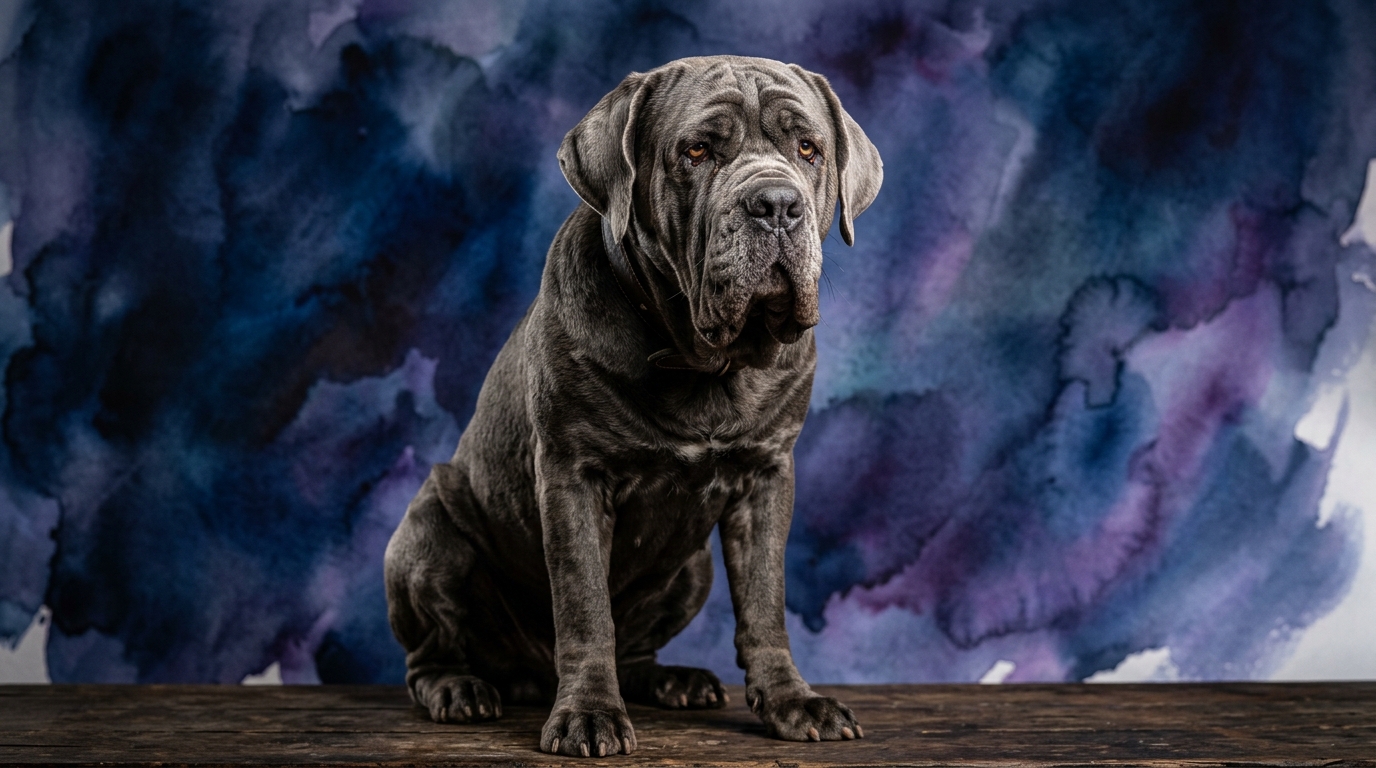
The Neapolitan Mastiff, a breed not Coren-ranked but with a rich history, presents a different cognitive blueprint, tailored to its protective lineage. Their Problem Solving (3/5) manifests as a thoughtful, deliberate approach to assessing situations, particularly concerning their territory and the safety of their family, rather than a drive for intricate intellectual games. Training Speed (3/5) suggests a moderate learning pace; they are capable learners but typically require more patience, consistency, and repetition to solidify commands, often processing information with a calm, ponderous demeanor. Their Social Intelligence (3/5) is characterized by profound loyalty and a discerning understanding of their immediate family unit, often expressed through watchful attentiveness rather than overt displays of affection towards all. The Instinctive Drive (3/5) of a Neapolitan Mastiff is predominantly channeled into guarding and protection, translating into a calm, vigilant presence rather than high-energy pursuits or exploration. Their Memory (3/5) supports their role by effectively retaining knowledge of their environment, established routines, and the individuals belonging to their trusted circle, contributing to their reliable protective nature.
Where the Yorkshire Terrier Excels Cognitively
The Yorkshire Terrier's cognitive strengths shine in areas demanding adaptability and responsiveness. Their 4/5 training speed means they pick up new commands and routines with remarkable alacrity, making them a joy for owners who enjoy teaching tricks or participating in dog sports. This quick learning isn't just about rote memorization; it's significantly fueled by their 4/5 social intelligence, allowing them to keenly interpret human cues and intentions. They often seem to anticipate what their owner wants, eager to please and engage, making them highly interactive companions.
Furthermore, their 4/5 instinctive drive, while rooted in their terrier heritage, translates into a focused determination when engaged in tasks or play. This drive, combined with their 4/5 memory, means that once a behavior or task is learned, it tends to stick. They recall past lessons and experiences with precision, making their training durable and their learned responses reliable. This combination of quick uptake, social attunement, and lasting memory positions the Yorkshire Terrier as a highly agile and intellectually engaged companion in many domestic and competitive settings.
Where the Neapolitan Mastiff's Cognition Shines
The Neapolitan Mastiff's cognitive profile, while not marked by the rapid acquisition seen in the Yorkie, possesses a profound depth tailored to its historical role as a guardian. Their 3/5 problem-solving manifests as a deliberate, thoughtful approach to assessing potential threats or changes in their environment. This isn't about solving complex puzzles, but rather about discerning who belongs and who doesn't, a critical skill for a protective breed that values security and stability.
Their 3/5 social intelligence, though not outwardly effusive, is deeply rooted in loyalty and a profound understanding of their family unit, making them incredibly discerning judges of character within their trusted circle. Their 3/5 instinctive drive is almost entirely channeled into vigilance and protection, a focused cognitive state that allows them to remain calm yet acutely aware of their surroundings. Coupled with their 3/5 memory, they retain a clear mental map of their domain and the individuals within it, remembering past interactions and maintaining a consistent, protective presence. Their cognitive strength lies in their unwavering discernment and steadfast loyalty, qualities that are paramount for their specific purpose.
Training Dynamics: Responsiveness vs. Deliberation
The Yorkshire Terrier generally presents an easier training experience due to its higher scores in training speed, social intelligence, and memory. Their 4/5 training speed means they process and assimilate new information quickly, often requiring fewer repetitions to master a command. This is significantly aided by their 4/5 social intelligence, allowing them to be highly responsive to human cues and eager to please, translating into a strong motivation to comply with instructions. They read their owner's body language and tone with precision, adapting their responses accordingly, which greatly streamlines the training process.
In contrast, the Neapolitan Mastiff, with a 3/5 training speed, requires a more patient and consistent approach. They are not necessarily slow learners, but rather deliberate ones, needing more repetition and a clear, unwavering training methodology. Their 3/5 social intelligence is more about deep loyalty within their established family rather than an eagerness to perform for a wide range of social interactions or novel commands. Their strong, independent nature and lower instinctive drive for generalized tasks mean that training must be framed in a way that aligns with their protective instincts and desire for a clear pack structure. While capable of learning, their larger size and more independent thought process necessitate firm, fair, and extremely consistent guidance to achieve reliable results, making them a more challenging prospect for novice trainers.
Matching Canine Cognition to Owner Lifestyles
The choice between these two breeds often hinges on an owner's lifestyle and temperament. The Yorkshire Terrier, with its 4/5 instinctive drive and keen problem-solving skills (3/5), thrives with active owners who enjoy engaging their pet in varied activities. Their innate curiosity and desire for interaction make them excellent companions for walks, exploring new environments, or even participating in agility or obedience trials. Their adaptability and social intelligence (4/5) mean they can adjust to various routines, as long as they receive consistent mental and physical stimulation. They are well-suited for owners who appreciate a dynamic, responsive companion ready for adventure or learning new tricks.
Conversely, the Neapolitan Mastiff, characterized by a 3/5 instinctive drive primarily focused on protection and a generally lower energy level, is better suited for more relaxed, yet highly consistent, owners. Their cognitive strength lies in their calm vigilance rather than energetic play. They require owners who understand and respect their need for a stable routine and a secure environment. While they need regular, moderate exercise, their mental stimulation comes more from observing and guarding their territory than from high-intensity activities. Owners who appreciate a steadfast, loyal, and watchful presence, and who can provide clear, consistent leadership without expecting constant boisterous engagement, will find the Neapolitan Mastiff a deeply rewarding companion.
The Verdict
For owners seeking a responsive, quick-learning, and socially attuned companion for engaging activities and adaptable living, the Yorkshire Terrier is an excellent match. Its cognitive profile supports dynamic interaction and a willingness to explore and learn alongside its human.
For individuals or families desiring a calm, deeply loyal, and protective presence that thrives on routine and a stable environment, the Neapolitan Mastiff offers steadfast companionship. Its deliberate cognitive approach and strong guardian instincts make it ideal for those valuing quiet vigilance and profound devotion.
🧠 Find Your Pet's IQ Score
Our Pet IQ Lab assessment covers 25+ tests across 5 cognitive dimensions — personalized to your breed.
Take the Full IQ Test →Frequently Asked Questions
Do Yorkshire Terriers need a lot of mental stimulation?
Yes, with their 3/5 problem-solving and 4/5 instinctive drive, Yorkshire Terriers benefit greatly from regular mental engagement. Puzzle toys, training sessions, and varied experiences help satisfy their curious nature and prevent boredom, channeling their natural terrier energy constructively.
Are Neapolitan Mastiffs good with children?
Neapolitan Mastiffs, with their 3/5 social intelligence and strong loyalty, can be good with children within their family, often acting as gentle protectors. However, due to their immense size and inherent protective instincts, diligent supervision and early socialization are crucial to ensure safe and appropriate interactions with all children.
Which breed is generally more independent?
The Neapolitan Mastiff tends to exhibit more independence, stemming from its protective instincts and deliberate nature, scoring 3/5 in instinctive drive. The Yorkshire Terrier, with its 4/5 social intelligence and drive, is generally more inclined to seek interaction and direction from its owner, favoring close companionship.