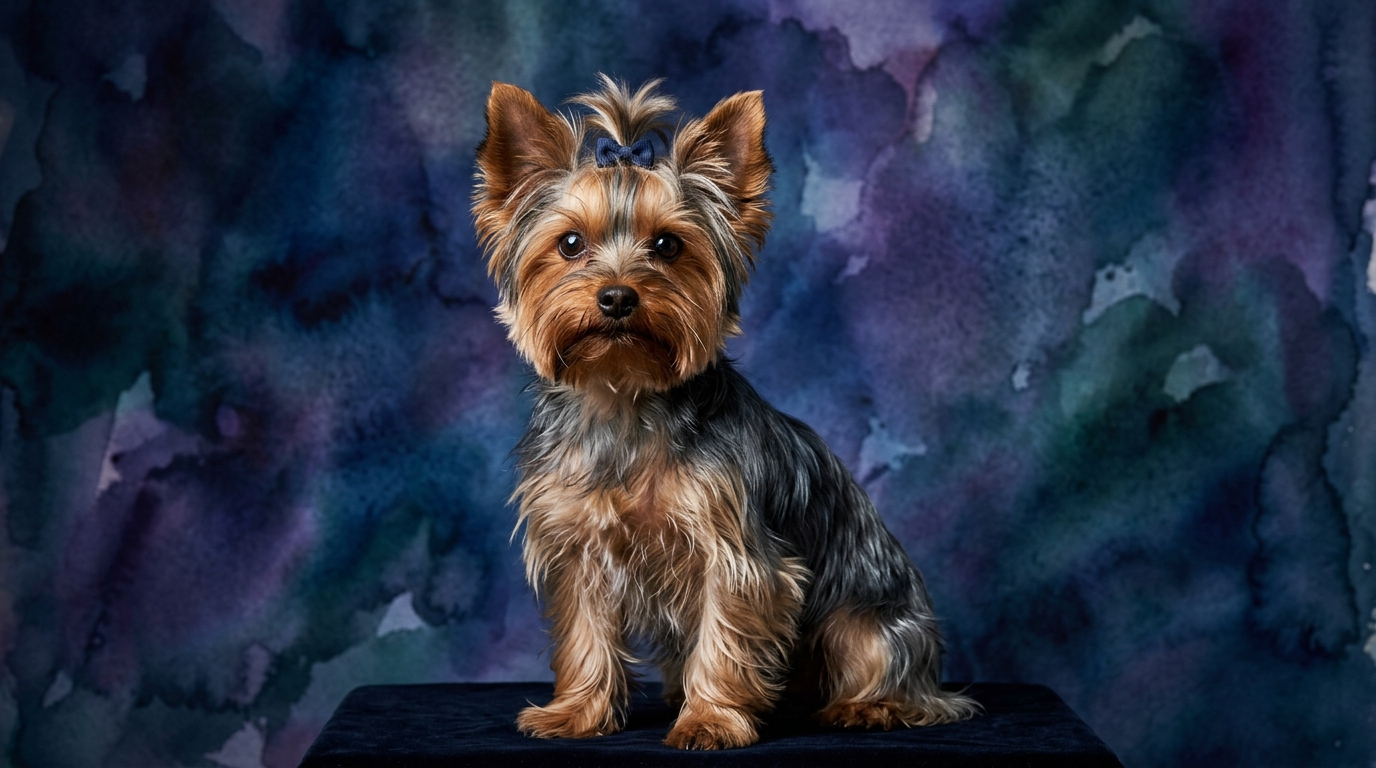
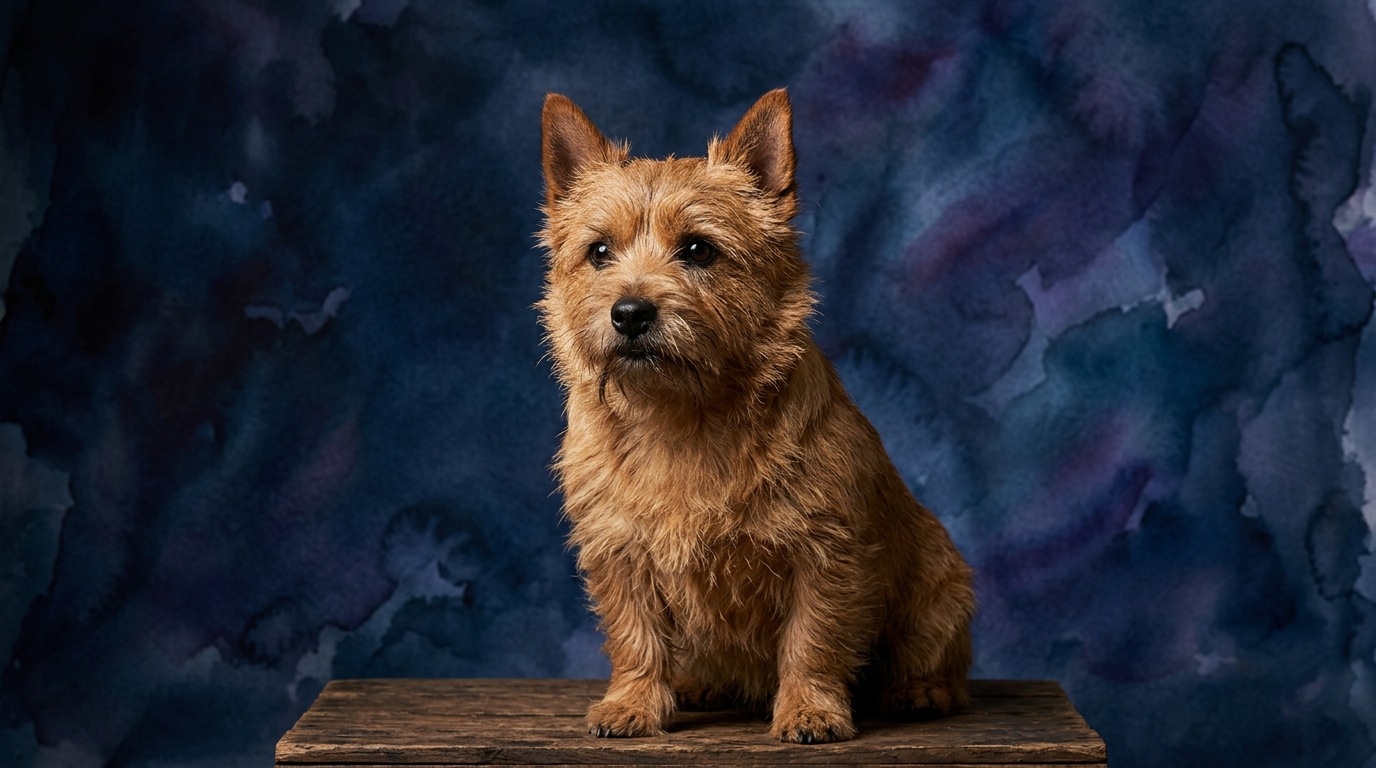
Side-by-Side Cognitive Profiles: A Deeper Look
At The Cosmic Pet Pet IQ Lab, we evaluate canine intelligence across five key dimensions, providing a nuanced understanding beyond simple obedience. The Yorkshire Terrier, a breed renowned for its spirited personality, earns a Coren rank of #27, placing it among breeds demonstrating excellent working intelligence. Its IQ profile includes a Problem Solving score of 3/5, indicating an ability to navigate practical challenges and figure out treat puzzles with moderate effort. Training Speed is a notable 4/5, signifying a quick grasp of new commands and an enjoyment of learning sequences. Social Intelligence also scores 4/5, reflecting a keen ability to interpret human cues and adapt to various social dynamics, often using this understanding to their advantage. An Instinctive Drive of 4/5 highlights their strong prey drive and alert nature, making them persistent in focused tasks. Finally, their Memory is rated 4/5, showing effective retention of routines, commands, and past experiences.
In contrast, the Norwich Terrier, though sharing the spirited terrier lineage, presents a more uniformly balanced cognitive profile without a specific Coren ranking. This does not imply a lack of intelligence, but rather a different manifestation of their cognitive strengths. Their Problem Solving ability matches the Yorkie at 3/5, indicating competence in tackling immediate, tangible challenges. However, their Training Speed is 3/5, suggesting a steady, deliberate pace for absorbing new information, requiring consistent repetition. Social Intelligence for the Norwich Terrier is 3/5, indicating engagement with their family but perhaps a less nuanced interpretation of complex social signals compared to the Yorkie. Their Instinctive Drive is 3/5, reflecting the typical terrier grit but perhaps with less intense focus than the Yorkie in certain scenarios. Similarly, their Memory is 3/5, meaning they retain information effectively but may benefit from more frequent reinforcement than their Yorkshire counterparts.
Where the Yorkshire Terrier Cognitively Excels
The Yorkshire Terrier's cognitive profile showcases several areas where it demonstrates a more advanced or intense aptitude. Their 4/5 Training Speed is a clear advantage; these small dogs absorb new commands and tricks with remarkable alacrity, making training sessions highly efficient and often enjoyable for both dog and owner. This quick uptake is supported by their 4/5 Memory, allowing them to retain complex sequences and routines over time, building a robust repertoire of learned behaviors. Furthermore, their 4/5 Social Intelligence gives them a distinct edge in understanding and responding to human emotions and intentions. This can manifest as an uncanny ability to charm their way into extra treats or to adapt their behavior based on their owner's mood, showcasing a sophisticated social awareness. The Yorkshire Terrier's higher Instinctive Drive (4/5) also means they often bring a focused intensity to tasks, whether it's chasing a toy or engaging in scent work, provided this drive is channeled constructively. Their Coren ranking of #27 further solidifies their position as a breed that generally excels in obedience and working intelligence tasks, indicating a strong capacity for learning and executing commands reliably.
Distinct Cognitive Strengths of the Norwich Terrier
While the Norwich Terrier's individual IQ scores are generally rated 3/5 across the board, this uniform profile suggests a different kind of cognitive strength: a steady, dependable, and perhaps less overtly demanding mental constitution. Their 3/5 Instinctive Drive, while still indicative of a terrier's tenacious spirit, might mean they are less prone to the intense, single-minded focus that can sometimes border on obsessive in breeds with higher scores. This can translate to a more balanced engagement with their environment, making them adaptable companions without being constantly driven by a singular urge. Their 3/5 Social Intelligence, while not as nuanced as the Yorkie's, often results in a more straightforward and less manipulative social dynamic; they are affectionate and engaged without necessarily trying to 'work' their owners. This can be a refreshing trait for those seeking a companion whose interactions are clear and honest.
The Norwich Terrier's consistent 3/5 scores across Problem Solving, Training Speed, and Memory contribute to an overall cognitive demeanor that is robust and unflappable. They might not learn as rapidly as a Yorkie, but what they learn, they retain reliably with consistent reinforcement. This steady pace means they are less likely to pick up bad habits at lightning speed, offering owners a more forgiving learning curve. Their cognitive profile points to a dog that, while certainly clever and capable, processes information and reacts to stimuli in a more measured way, fostering an independent yet cooperative spirit that is highly valued by their devotees. This balanced intelligence often translates into a dog that is less prone to anxiety from over-analysis of complex social cues or environmental changes.
Training Dynamics: Yorkshire vs. Norwich
When it comes to trainability, the Yorkshire Terrier generally presents as the 'easier' of the two due to its higher scores in Training Speed (4/5) and Memory (4/5). Yorkies quickly grasp new commands and retain them effectively, often thriving on the mental stimulation that training provides. Their 4/5 Social Intelligence means they are often eager to please their human companions and respond well to positive reinforcement and feedback, making them highly responsive students. However, their strong 4/5 Instinctive Drive can be a double-edged sword; while it fuels their focus, it also means they can be easily distracted by scents, sounds, or movement, requiring consistent attention-grabbing techniques to maintain engagement during training sessions.
The Norwich Terrier, with its 3/5 scores in Training Speed and Memory, requires a more patient and consistent approach. They learn, but at a steadier, more deliberate pace, meaning repetition and clear communication are paramount. While they may not be as overtly eager to please as a Yorkie (3/5 Social Intelligence), they are still intelligent and cooperative, responding well to reward-based methods and a positive training environment. Their 3/5 Instinctive Drive, while still present, might be slightly less intense than a Yorkie's, potentially leading to fewer instances of 'tunnel vision' distractions during training. For both breeds, early socialization and consistent training from puppyhood are crucial, but the Yorkie will likely progress through commands more rapidly, while the Norwich will benefit from a more methodical, unhurried learning journey.
Matching Cognitive Profiles to Lifestyles: Active vs. Relaxed Owners
Considering their distinct cognitive profiles, the Yorkshire Terrier tends to be a better fit for more active owners who can provide consistent mental and physical challenges. Their higher Instinctive Drive (4/5) and Social Intelligence (4/5) mean they thrive on engagement, whether it's through agility, trick training, or interactive games that stimulate their problem-solving abilities. Owners who enjoy teaching new things and can channel the Yorkie's quick mind and tenacious spirit will find them incredibly rewarding companions. A Yorkie's need for consistent mental stimulation means they can become bored or mischievous if not adequately engaged, making them ideal for individuals who integrate their dog into a dynamic, stimulating lifestyle.
The Norwich Terrier, while still a terrier and enjoying activity, might suit owners who appreciate a more balanced and perhaps less cognitively demanding companion, though patience is key. Their consistent 3/5 scores across the board suggest they are adaptable and sturdy, without the same intense requirement for constant high-level cognitive engagement as a Yorkie. They enjoy regular exercise and mental stimulation, but their sturdy, less 'fragile' cognitive profile might make them more forgiving for owners whose lifestyle is active but not necessarily geared towards competitive dog sports or advanced trick training. They are well-suited for owners who value consistency, a straightforward approach to companionship, and who can provide regular, moderate activities without needing to constantly invent new cognitive puzzles. Their adaptable nature makes them a good fit for a range of families, as long as their core needs for exercise, training, and affection are met with dedication.
The Verdict
Choose the Yorkshire Terrier if you seek a quick-witted, highly engaged companion who thrives on complex mental challenges and enjoys a dynamic, interactive lifestyle.
Opt for the Norwich Terrier if you appreciate a steady, independent, and robust companion, valuing consistency and a more straightforward, yet equally rewarding, approach to dog ownership.
🧠 Find Your Pet's IQ Score
Our Pet IQ Lab assessment covers 25+ tests across 5 cognitive dimensions — personalized to your breed.
Take the Full IQ Test →Frequently Asked Questions
Are Yorkshire Terriers prone to being 'too smart for their own good'?
With a 4/5 social intelligence and memory, Yorkshire Terriers can quickly learn how to manipulate situations to their advantage, such as feigning illness for attention or remembering which family member is a soft touch for treats. This isn't 'bad' intelligence, but rather a demonstration of their adaptive cognitive abilities requiring consistent boundaries and training to channel their cleverness positively.
Does 'not Coren-ranked' mean Norwich Terriers aren't intelligent?
Absolutely not. The Coren ranking primarily assesses obedience and working intelligence, which aligns with specific training goals. Norwich Terriers possess practical, terrier-specific intelligence, including problem-solving (3/5) and instinctive drive (3/5) for their original purpose, demonstrating tenacity and independent thought rather than strict obedience. Their intelligence manifests in their robust adaptability and steady demeanor.
Which breed is better for first-time dog owners?
Both breeds require dedication and consistent training. A Yorkshire Terrier's faster learning speed (4/5) can be rewarding but also means they pick up bad habits quickly, demanding a sharp owner. A Norwich Terrier's steadier pace (3/5) might be more forgiving for a first-timer who can offer consistent, patient training without feeling overwhelmed by a dog that's always 'one step ahead,' making them a solid choice for a dedicated novice.