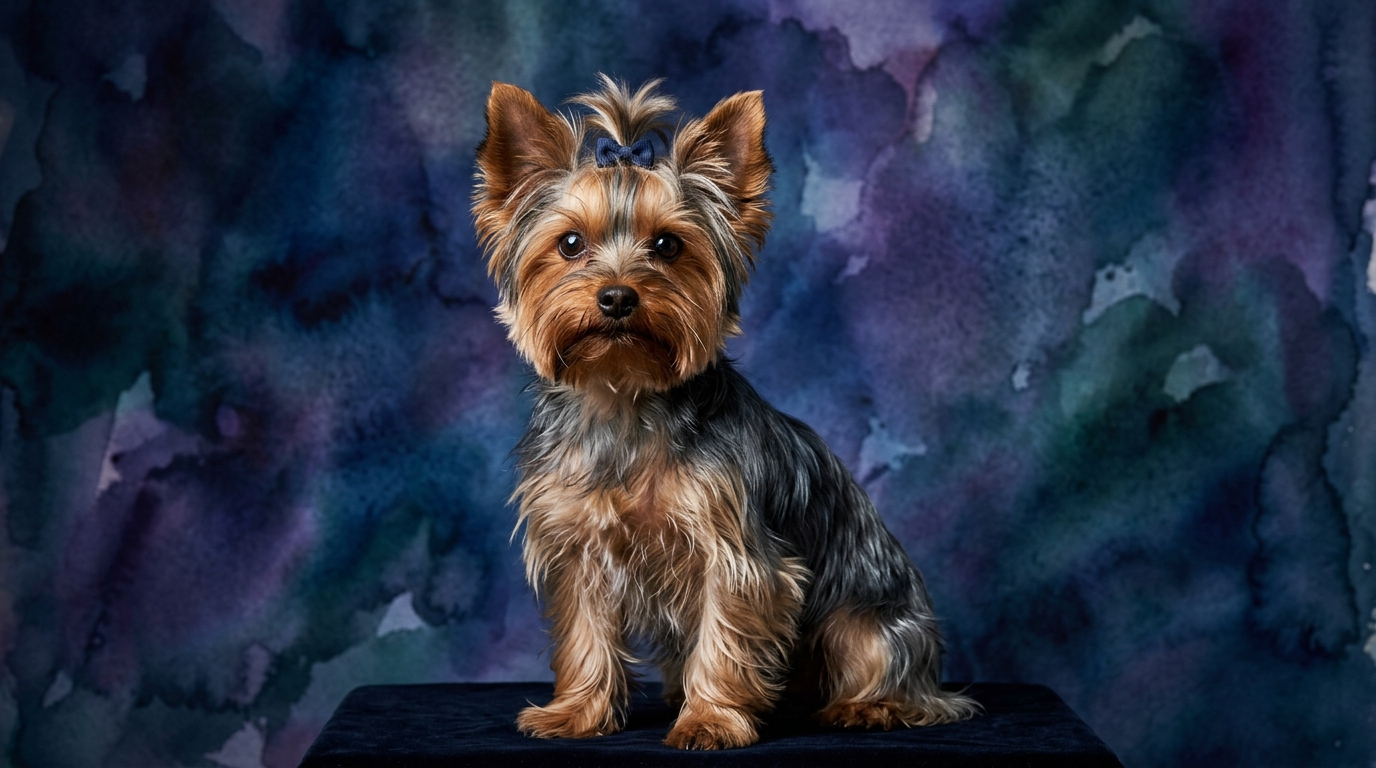
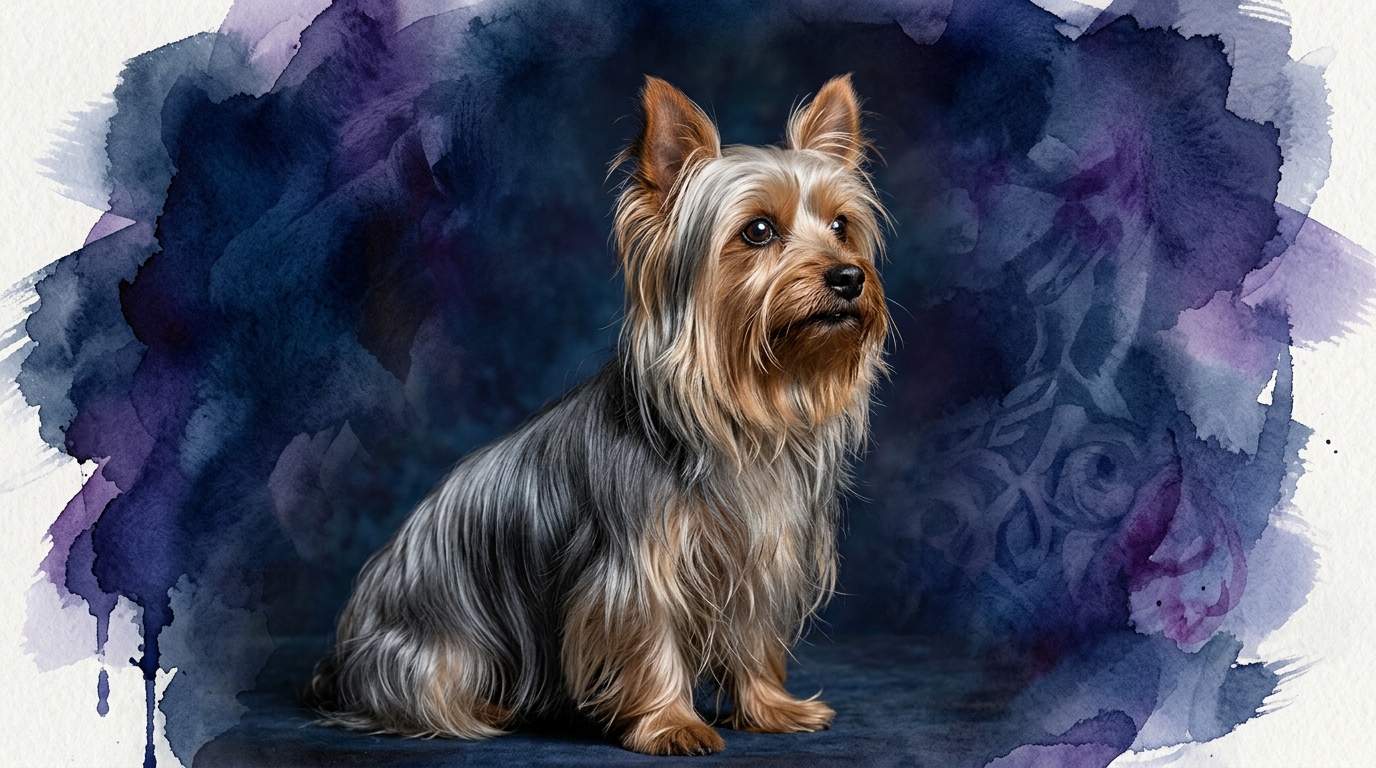
Side-by-Side IQ Profile
**Yorkshire Terrier**: Coren-ranked #27, the Yorkshire Terrier presents a dynamic cognitive makeup. *Problem Solving (3/5)*: Yorkies show moderate ability to navigate novel situations or achieve goals independently, applying learned behaviors to new contexts with some success. *Training Speed (4/5)*: A strong point, indicating they grasp new commands and routines with impressive quickness, responding well to consistent positive reinforcement. *Social Intelligence (4/5)*: Yorkies demonstrate a nuanced understanding of human social cues, adept at reading moods and forming strong, interactive bonds, often positioning themselves as integral family members. *Instinctive Drive (4/5)*: Reflecting their terrier heritage, Yorkies exhibit a pronounced natural inclination towards chasing, digging, and vigilance, fueling their energetic curiosity and requiring appropriate outlets. *Memory (4/5)*: Yorkies possess a robust memory, retaining learned commands, routines, and experiences reliably over extended periods, contributing significantly to their training success.
**Silky Terrier**: Not Coren-ranked, the Silky Terrier offers a more consistent, balanced cognitive profile. *Problem Solving (3/5)*: Similar to the Yorkie, the Silky shows a moderate capacity for independent problem-solving, navigating straightforward challenges but potentially requiring more guidance for complex obstacles. *Training Speed (3/5)*: Silky Terriers learn at a steady pace, requiring consistent repetition and patience. They master commands but may take slightly longer to solidify new behaviors compared to breeds with higher scores. *Social Intelligence (3/5)*: Silky Terriers are generally good at interacting with their human families, understanding basic social cues and forming affectionate bonds. Their social understanding is competent but perhaps less acutely perceptive or intensely interactive. *Instinctive Drive (3/5)*: The Silky Terrier carries a moderate level of instinctive behaviors like chasing small prey or patrolling. This drive is present but generally more manageable than in some other terrier types, balancing alertness with docility. *Memory (3/5)*: Silky Terriers possess a competent memory, capable of retaining learned information and routines, though perhaps needing more reinforcement for long-term recall compared to breeds with a 4/5 score.
Where Yorkshire Terrier Wins Cognitively
The Yorkshire Terrier's cognitive profile reveals distinct advantages, particularly in areas of rapid assimilation and social acumen. Their 4/5 training speed means they are exceptionally quick studies, often picking up new commands or tricks with fewer repetitions, making training sessions highly efficient. Coupled with a 4/5 memory, the Yorkie not only learns quickly but also retains that knowledge reliably, reducing the need for constant re-teaching. Furthermore, their 4/5 social intelligence allows them to navigate complex human households with remarkable sensitivity, often anticipating needs or reacting appropriately to subtle shifts in mood, fostering a deeply integrated family bond. This high social perceptiveness, combined with their instinctive drive, makes them highly responsive and attentive companions, always keen to be involved and aware.
Where Silky Terrier Wins Cognitively
While the Silky Terrier doesn't outscore the Yorkshire Terrier, its consistent 3/5 cognitive profile presents unique strengths. This steady, balanced approach means the Silky is less likely to exhibit the intense, sometimes over-driven behaviors that can accompany higher instinctive drives. Their moderate problem-solving and instinctive drive suggest a dog that is curious and capable but perhaps less prone to constantly testing boundaries or independently devising complex schemes, which can be advantageous for owners seeking a more predictable and less demanding cognitive presence. The Silky's consistent 3/5 in social intelligence and memory indicates a stable, reliable companion who forms affectionate bonds and remembers routines without the potential for the higher-strung intensity sometimes associated with more acute cognitive faculties. This translates to a resilient and adaptable companion whose cognitive processes are effective without being overwhelmingly dominant, offering a calm yet engaged presence.
Which is Easier to Train and Why
Based on their IQ profiles, the Yorkshire Terrier generally presents as the easier breed to train. The Yorkie's 4/5 training speed clearly indicates its ability to absorb new information rapidly, making individual training sessions more efficient. This quick uptake means a Yorkie can progress through command sets at a faster pace, quickly moving from basic obedience to more advanced tasks. Their 4/5 memory also plays a crucial role; once a command is learned, it's likely to stick, reducing the need for constant refreshers. In contrast, the Silky Terrier's 3/5 training speed and memory suggest a breed requiring a more patient and consistent approach. While perfectly trainable, Silky Terriers may need more repetitions and a longer period to solidify new behaviors. The Yorkie's higher social intelligence also contributes, as they are often more attuned to their owner's intentions and feedback, further streamlining the learning process by fostering a strong communicative loop.
Which Suits Active Owners vs. Relaxed Owners
The distinction in instinctive drive and overall cognitive engagement points to different lifestyle suitability. The Yorkshire Terrier, with its 4/5 instinctive drive, thrives with owners who provide consistent mental and physical stimulation. Their pronounced drive translates into a dog that enjoys learning, interactive play, and activities challenging their intellect and terrier instincts. Active owners who enjoy daily walks, puzzle toys, trick training, or introductory dog sports like agility would find the Yorkie an enthusiastic and capable partner. Their higher memory and social intelligence mean they benefit greatly from being deeply integrated into family activities and routines.
The Silky Terrier, with its 3/5 instinctive drive, while still energetic and playful, generally suits owners appreciating a more moderate level of activity and mental engagement. They enjoy walks and playtime, but their drive is less intense, potentially making them a better fit for individuals or families with a slightly more relaxed pace of life. A Silky Terrier could be a wonderful companion for someone who enjoys daily strolls and cozy evenings, without feeling the pressure to constantly invent new challenges or rigorous training routines. Their consistent 3/5 cognitive profile suggests a dog that is adaptable and content within a steady, loving environment without needing constant, high-octane engagement.
The Verdict
Choose the Yorkshire Terrier if you are an owner who enjoys active engagement in training, values a quick-learning companion, and can provide consistent mental and physical outlets for a dog with a pronounced instinctive drive and high social acumen.
Opt for the Silky Terrier if you appreciate a dog with a steady, balanced cognitive profile, are prepared for a slightly more patient training journey, and seek a companion whose moderate instinctive drive aligns with a slightly less demanding, yet still interactive, lifestyle.
🧠 Find Your Pet's IQ Score
Our Pet IQ Lab assessment covers 25+ tests across 5 cognitive dimensions — personalized to your breed.
Take the Full IQ Test →Frequently Asked Questions
Are Yorkshire Terriers more vocal than Silky Terriers due to their intelligence?
While both breeds can be vocal, a Yorkshire Terrier's higher instinctive drive (4/5) and social intelligence (4/5) might make them more prone to "alert barking" or communicating their observations and desires. Their keen awareness often translates into more pronounced vocal expressions compared to the Silky Terrier's more moderate (3/5) scores in these areas.
Can a Silky Terrier excel in dog sports despite a lower training speed score?
Absolutely. While a Silky Terrier's 3/5 training speed means they may take longer to learn new tasks than a Yorkie, their competence in memory and problem-solving, coupled with consistent training, allows them to excel in various dog sports. Success often depends more on the owner's dedication and the dog's individual personality than on initial learning speed.
How does the Coren ranking for the Yorkshire Terrier reflect its overall cognitive ability compared to the unranked Silky Terrier?
Stanley Coren's ranking primarily assesses "working and obedience intelligence," heavily influenced by training speed and ability to follow commands. The Yorkshire Terrier's #27 rank reflects its strong 4/5 training speed and memory. The Silky Terrier being unranked doesn't mean it lacks intelligence, but rather that it likely doesn't meet the specific criteria for rapid obedience learning as readily, aligning with its 3/5 training speed.