Side-by-Side IQ Profile: Yorkie vs. Staffy
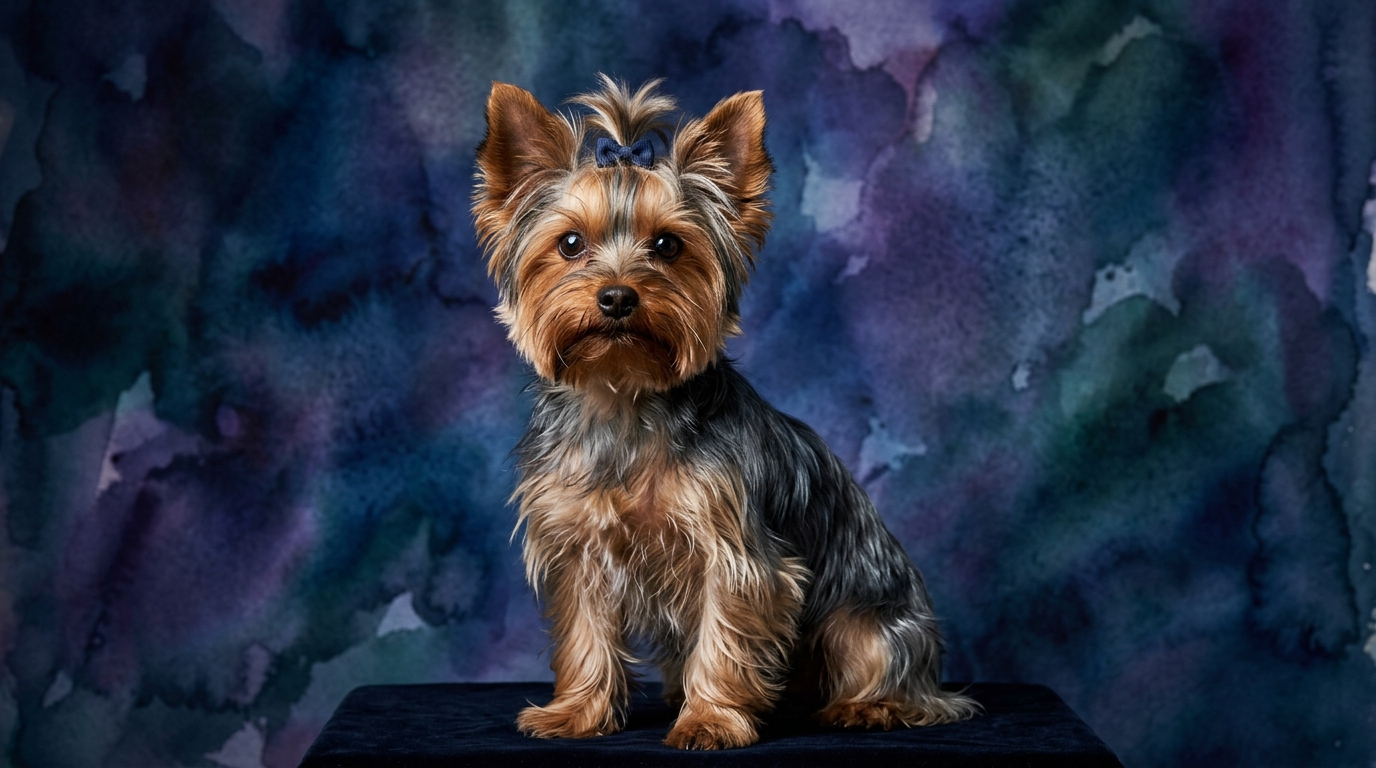
At The Cosmic Pet Pet IQ Lab, we evaluate canine intelligence across five key dimensions, offering a nuanced understanding of each breed's cognitive strengths. For the Yorkshire Terrier, ranked #27 by Coren, we observe a Problem Solving score of 3/5, indicating a practical aptitude for navigating minor environmental challenges or figuring out how to retrieve a desired item. Their Training Speed excels at 4/5, suggesting a quick grasp of new commands and routines, often requiring fewer repetitions. Social Intelligence also scores high at 4/5, reflecting a keen ability to interpret human emotions and cues, fostering a deeply responsive bond. An Instinctive Drive of 4/5 highlights their robust terrier nature for chasing, exploring, and vocalizing, while their Memory at 4/5 ensures learned behaviors and associations are retained effectively over time, making consistent training efforts highly rewarding.
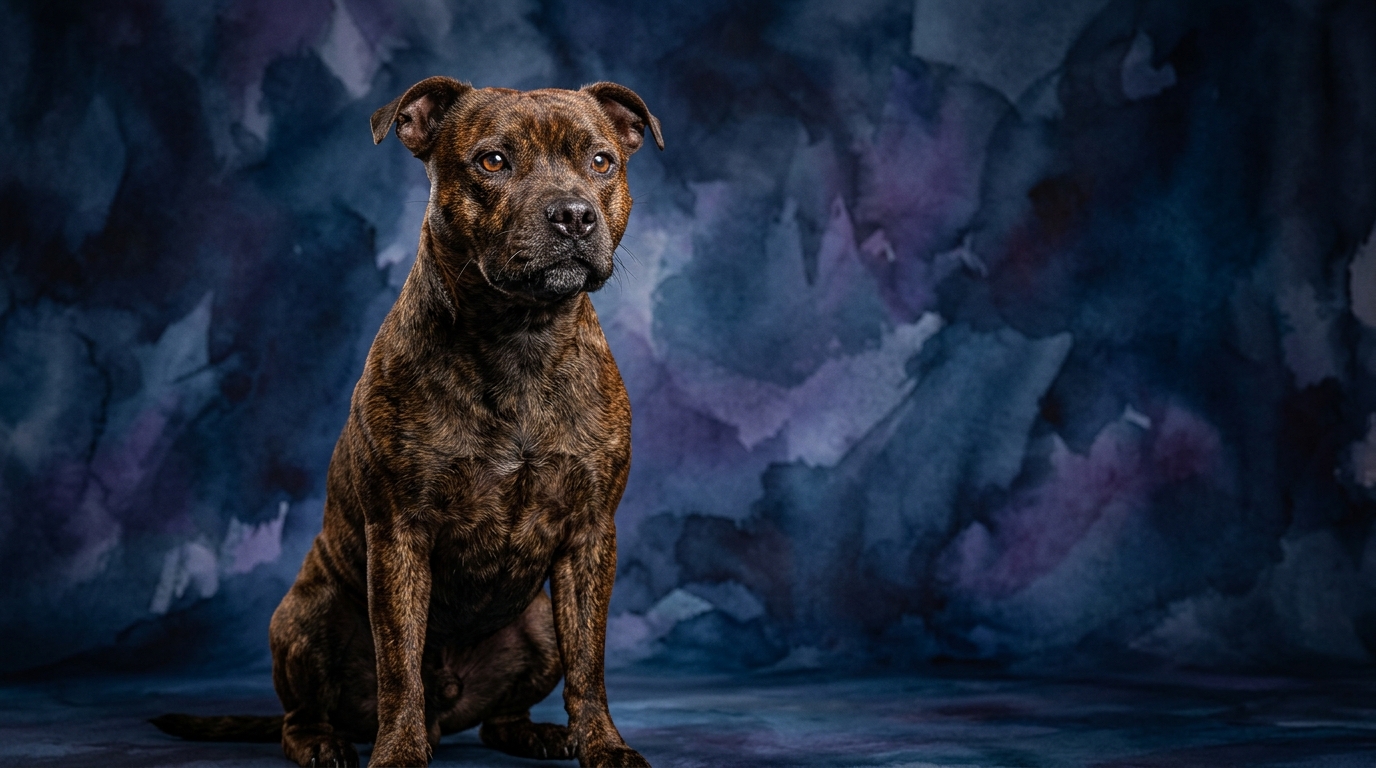
The Staffordshire Bull Terrier, though not Coren-ranked, presents a distinct cognitive profile within the terrier group. They share a Problem Solving score of 3/5 with the Yorkie, demonstrating a similar practical intelligence for straightforward environmental puzzles or understanding cause-and-effect in their immediate surroundings. Their Training Speed is rated 3/5, meaning they learn at a moderate pace, benefiting from consistent and clear instruction to integrate new commands, which once learned, tend to stick. Social Intelligence also stands at 3/5; they engage well with people and can read basic human intentions, though perhaps less subtly than the Yorkie, often displaying their affection openly and directly. An Instinctive Drive of 3/5 signifies a moderate drive that can manifest as a strong desire to play, chase, or investigate, though typically less intense than some other terrier types. Finally, their Memory is 3/5, indicating they are capable of retaining learned information and routines, but might benefit from occasional refreshers to keep skills sharp and behaviors polished.
Where the Yorkshire Terrier Wins Cognitively
The Yorkshire Terrier consistently demonstrates a cognitive edge in several key areas according to The Cosmic Pet Pet IQ Lab's metrics. Their Training Speed rating of 4/5 indicates a significantly quicker uptake of new commands and routines compared to the Staffy's 3/5. This means a Yorkie is often ready to progress to more complex tasks sooner, making multi-stage obedience or trick training a more fluid experience. Beyond rote learning, their Social Intelligence at 4/5 highlights a nuanced ability to interpret human moods and social cues, fostering a deeper, more responsive bond. A Yorkie is more likely to adjust its behavior based on subtle shifts in your tone or body language, demonstrating a sophisticated understanding of social dynamics within the household. Furthermore, their 4/5 Instinctive Drive, while presenting training challenges, also reflects a keen engagement with their environment and a strong motivation to interact and explore, which can be channeled into focused activities. Their superior Memory (4/5) ensures that once a behavior is learned, it is retained more reliably, reducing the need for constant reinforcement and building a solid foundation for advanced training. This combination of attributes positions the Yorkshire Terrier as a highly adaptable and receptive companion for owners who appreciate a dog that can quickly integrate into diverse routines and social settings.
Where the Staffordshire Bull Terrier Wins Cognitively
While the Staffordshire Bull Terrier's scores might appear numerically lower in some categories compared to the Yorkie, their cognitive profile presents a unique set of strengths, particularly in their robust and determined approach to tasks. Their Problem Solving at 3/5, identical to the Yorkie, is often underpinned by a tenacious spirit. A Staffy, when faced with a challenge like figuring out a puzzle toy, might apply a more persistent, trial-and-error method, driven by their strong desire to achieve a goal. This determination, while not explicitly measured as a “win” in raw IQ score, translates into a resilience that can be invaluable in training and daily life. Their Instinctive Drive, rated 3/5, is often channeled into focused, enthusiastic play and an unwavering loyalty, rather than the more scattered exploratory drive of some other terriers. This focused energy can make them exceptional partners for activities requiring sustained effort, such as fetch or agility courses, where their physical prowess complements their cognitive engagement. While their Social Intelligence is 3/5, it manifests as a clear, unambiguous affection and a straightforward understanding of their human family, rather than a complex reading of subtle cues. This directness can be a significant advantage for owners who prefer a dog whose emotional responses are readily apparent and whose loyalty is absolute. The Staffy's cognitive strengths lie in their steadfastness, their focused determination, and their ability to apply their moderate intelligence with unwavering commitment, making them incredibly reliable and dedicated companions in their chosen activities.
Which Is Easier to Train and Why
Based on The Cosmic Pet Pet IQ Lab's metrics, the Yorkshire Terrier is generally easier to train than the Staffordshire Bull Terrier. The Yorkie's Training Speed of 4/5 means they typically grasp new commands and concepts more quickly, requiring fewer repetitions and less intensive reinforcement sessions. This rapid learning curve allows for faster progression through obedience levels and makes teaching a wider repertoire of tricks more achievable. Their superior Social Intelligence (4/5) further contributes to their trainability, as they are more adept at understanding and responding to human cues, intentions, and even subtle feedback. This heightened social awareness enables a more fluid and responsive communication channel between dog and owner during training, often leading to a more harmonious learning experience. In contrast, the Staffordshire Bull Terrier's Training Speed and Social Intelligence both sit at 3/5. While certainly trainable, they may require more patience, consistency, and clearer, more direct methods to solidify new behaviors. Their training might involve more repetition and a slightly slower pace, but with dedication, Staffies can become well-mannered and capable companions. The key difference lies in the efficiency and responsiveness during the learning process, where the Yorkie typically holds an advantage.
Which Suits Active Owners vs. Relaxed Owners
The cognitive profiles of these two terrier breeds suggest different ideal matches for owner lifestyles. The Yorkshire Terrier, with its 4/5 Instinctive Drive and 4/5 Social Intelligence, thrives with owners who can provide consistent mental stimulation and appreciate a highly interactive companion. While small, their active mind and keen senses mean they benefit from regular engagement, puzzle toys, and opportunities to explore safely. They suit moderately active owners who enjoy teaching new things, engaging in playful interactions, and having a dog that is very much “in tune” with their social environment. Their adaptability makes them suitable for apartment living, provided their cognitive and physical needs are met with daily walks and enrichment. The Staffordshire Bull Terrier, possessing a 3/5 Instinctive Drive and 3/5 Social Intelligence, often suits owners who are active but appreciate a dog with a more focused, robust energy. Their determination and resilience mean they excel in activities like long walks, hikes, or structured play sessions that channel their physical and mental energy purposefully. While they appreciate companionship, their social intelligence manifests in a more direct, less subtly responsive way than the Yorkie, making them ideal for owners who enjoy straightforward, affectionate interactions and a dog that can be a steadfast partner in outdoor adventures. They can be relaxed indoors after sufficient exercise, making them suitable for active individuals or families who can provide outlets for their physical and mental vigor.
The Verdict
Choose a Yorkshire Terrier if you seek a highly responsive, quick-learning companion eager to engage in complex training and social interactions, thriving on mental agility and close emotional attunement.
Opt for a Staffordshire Bull Terrier if you desire a steadfast, determined companion who brings robust energy to physical activities and offers straightforward, unwavering loyalty, excelling with consistent, structured engagement.
🧠 Find Your Pet's IQ Score
Our Pet IQ Lab assessment covers 25+ tests across 5 cognitive dimensions — personalized to your breed.
Take the Full IQ Test →Frequently Asked Questions
Are Yorkshire Terriers good at learning tricks?
Yes, Yorkshire Terriers typically excel at learning tricks due to their 4/5 Training Speed and 4/5 Memory. They quickly pick up new commands and retain them well, making them rewarding partners for trick training and advanced obedience. Their social intelligence also helps them understand what is being asked of them.
Do Staffordshire Bull Terriers have a strong prey drive?
Staffordshire Bull Terriers have a moderate instinctive drive (3/5), which can include a prey drive, though often less intense or directed than some other terrier breeds. This drive typically manifests as enthusiasm for chasing toys or engaging in vigorous play, rather than an overwhelming urge to hunt small animals, but individual variations exist.
How do these breeds compare in adaptability to new environments?
Yorkshire Terriers, with their higher social intelligence and quicker training speed, often adapt rapidly to new environments and routines, especially if their owner provides consistent reassurance. Staffordshire Bull Terriers, while adaptable, may take a bit more time to settle into unfamiliar surroundings, benefiting from structured introductions and patient guidance due to their more moderate social and training metrics.