Side-by-Side Cognitive Profile
To understand the mental nuances of these two breeds, The Cosmic Pet Pet IQ Lab employs a five-dimensional assessment: Problem Solving, Training Speed, Social Intelligence, Instinctive Drive, and Memory. Let's examine how the Yorkshire Terrier and Wirehaired Pointing Griffon measure up.
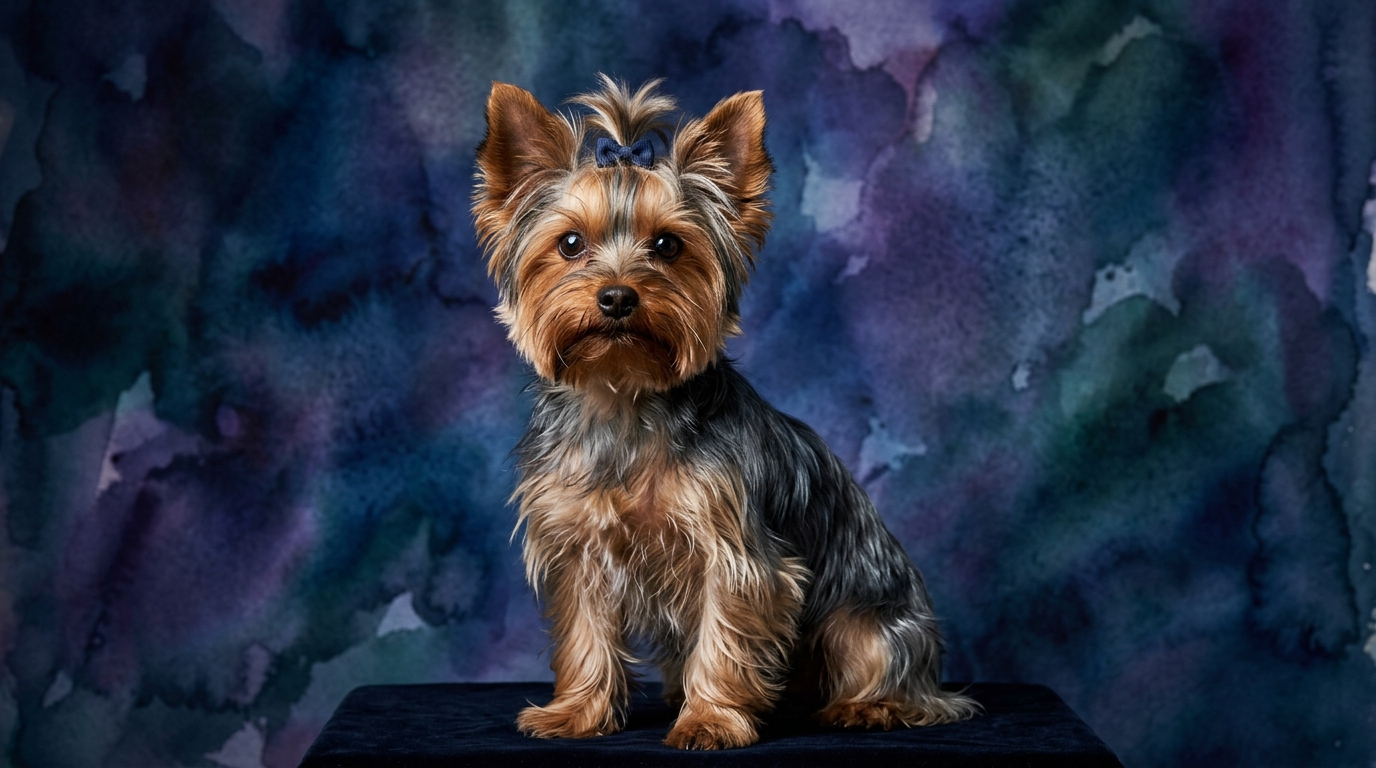
The Yorkshire Terrier, ranked #27 by Coren, presents a profile reflecting adaptability and social acumen. Their Problem Solving is rated 3/5, indicating a moderate capacity for navigating challenges, often finding clever ways to achieve their desires within their environment, like maneuvering obstacles for a favorite toy or treat. Training Speed stands at an impressive 4/5, meaning they grasp new commands and routines with notable quickness, making training sessions generally rewarding due to their eagerness to learn and engage. Social Intelligence also scores high at 4/5; these small dogs excel at reading human cues and adapting their behavior, forming strong bonds and often anticipating their owners' moods or intentions with remarkable precision. Their Instinctive Drive is a robust 4/5 for a small dog, manifesting as keen alertness, a natural inclination to chase small objects, and a persistent determination in their pursuits. Finally, Memory is strong at 4/5, allowing them to retain learned behaviors, routes, and even past interactions, which contributes to their consistent responses over time.
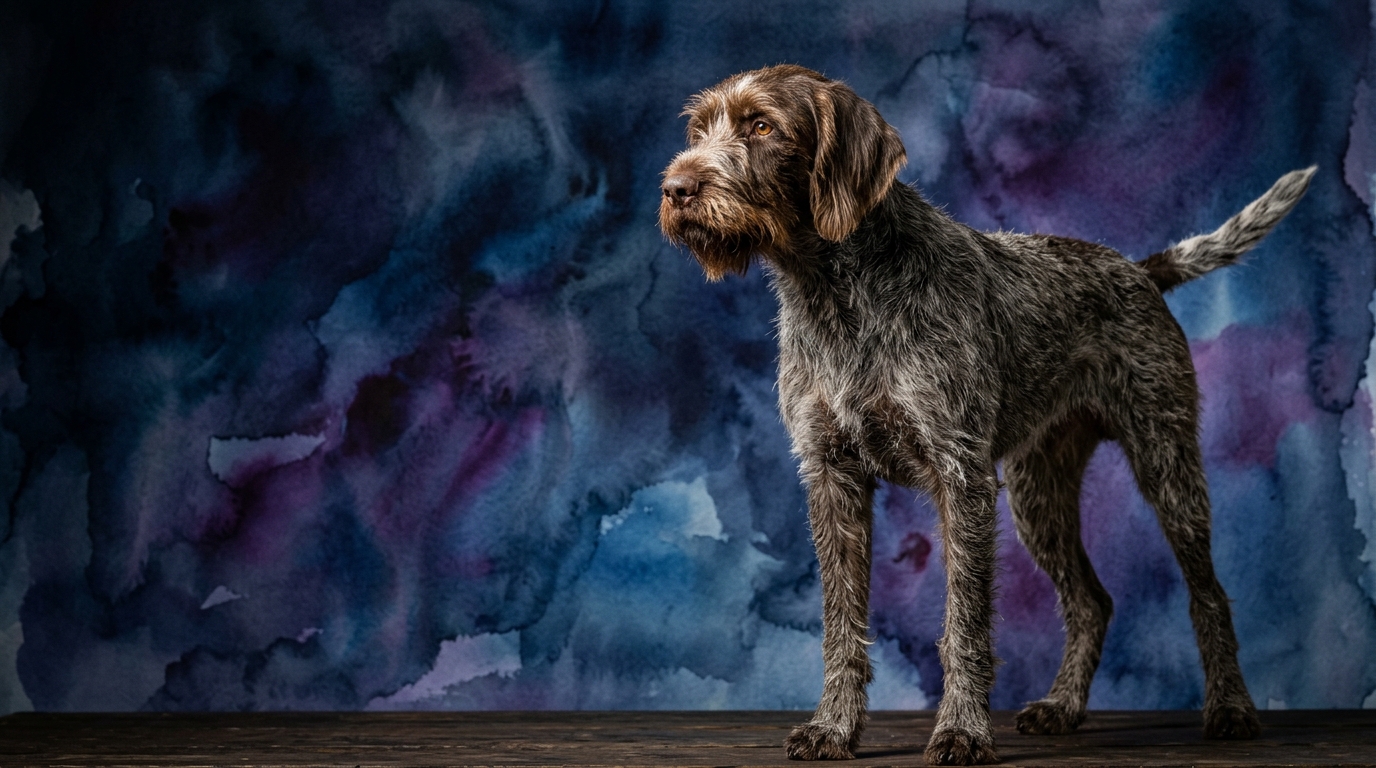
The Wirehaired Pointing Griffon, while not Coren-ranked, possesses a cognitive blueprint finely tuned for its sporting heritage. Their Problem Solving ability is 3/5, showing a moderate capacity to navigate challenges, often relying on their keen senses and methodical approach to figure out situations, particularly in outdoor environments. Training Speed is 3/5; they learn at a steady pace, requiring consistent and patient instruction to solidify new commands, reflecting their deliberate nature rather than rapid assimilation. Social Intelligence is 3/5; Griffons form strong bonds and are responsive to their family, but their social intelligence is more geared towards cooperative work than subtle human-reading, making them good team players in a task-oriented setting. Their Instinctive Drive is 3/5, primarily focused on their pointing and retrieving heritage, displaying a methodical and persistent approach to tracking and working, rather than the high-intensity chase of a terrier. Memory is also 3/5; Griffons possess a reliable memory for learned tasks and routines, especially those related to their working roles, allowing them to recall complex sequences over time and ensuring reliability in the field.
Where the Yorkshire Terrier Wins Cognitively
The Yorkshire Terrier's cognitive strengths truly shine in areas demanding quick adaptation and nuanced social interaction. With a Training Speed of 4/5, they absorb new commands and routines more rapidly than the Griffon, making them particularly receptive to diverse training regimens, from basic obedience to trick training. Their superior Social Intelligence (4/5) allows them to interpret human emotions and and intentions with greater precision, fostering a deep, almost intuitive connection with their owners. This means a Yorkie is more likely to pick up on subtle cues, adjust its behavior accordingly, and even anticipate your next move, creating a highly responsive and integrated companion experience. Furthermore, their 4/5 Memory ensures that once a lesson is learned or a routine established, it sticks, leading to consistent performance without constant reinforcement. This combination makes them adept at navigating complex social environments and learning intricate household rules quickly, often with a charming, assertive personality.
Where the Wirehaired Pointing Griffon Wins Cognitively
While the Wirehaired Pointing Griffon's scores might appear lower across the board compared to the Yorkie, their cognitive profile is expertly tailored for their intended purpose, revealing specific triumphs. The Griffon's strength lies in its practical, methodical application of intelligence, particularly in tasks requiring sustained focus and sensory processing. Their Instinctive Drive (3/5), though not as high-intensity as a terrier's, is deeply rooted in their pointing and retrieving heritage, manifesting as an exceptional ability to methodically track scents, locate game, and work cooperatively in the field. This isn't about rapid-fire problem-solving in a domestic setting, but rather sustained, purposeful engagement with their environment, requiring a specific kind of cognitive endurance and focus. Their Problem Solving (3/5) might be on par with the Yorkie's, but it's applied differently – more about navigating complex outdoor terrain or figuring out how to retrieve an object than solving a puzzle for treats. Their memory (3/5) is robust for recalling learned hunting patterns and commands, ensuring reliability in working scenarios where consistency is paramount. The Griffon excels in a more independent, task-oriented cognitive framework, where patience and perseverance in pursuit of a goal are key.
Which is Easier to Train and Why
When it comes to sheer ease and speed of training, the Yorkshire Terrier generally holds an advantage. Their Training Speed score of 4/5 indicates a natural inclination to pick up new commands with impressive alacrity, often requiring fewer repetitions than the Wirehaired Pointing Griffon. This quick uptake is bolstered by their high Social Intelligence (4/5) and Memory (4/5). A Yorkie's ability to keenly observe and interpret human cues means they are often eager to please and quick to understand what is being asked of them, making them highly responsive to positive reinforcement. They thrive on interaction and often view training as an engaging bonding activity, solidifying lessons rapidly. Their natural assertiveness, however, means consistency is vital to prevent them from training their owners instead!
In contrast, the Wirehaired Pointing Griffon, with a Training Speed of 3/5, requires a more patient and consistent approach. Griffons are not slow learners, but they tend to be more deliberate and methodical; they need time to process commands and integrate them into their established routines. Their independent working dog nature means they might occasionally prioritize an interesting scent or environmental stimulus over a human command, especially without a strong foundation in obedience. Effective Griffon training often leverages their innate desire to work and retrieve, making it a partnership rather than a rapid memorization drill. They require positive, consistent methods that engage their natural drives. Therefore, for owners seeking a dog that will quickly master a wide array of commands and tricks in a home environment, the Yorkie typically presents a smoother training journey, while the Griffon requires a more understanding and dedicated trainer who appreciates their purposeful, focused learning style.
Cognitive Needs for Active vs. Relaxed Owners
The choice between a Yorkshire Terrier and a Wirehaired Pointing Griffon significantly depends on an owner's lifestyle and activity level, as their cognitive needs align with different energy outputs. For active owners, particularly those who enjoy outdoor pursuits, hunting, or long, exploratory hikes, the Wirehaired Pointing Griffon is an ideal match. Their Instinctive Drive (3/5) is geared towards sustained physical activity and purposeful work, making them thrive when given opportunities to engage their senses and bodies in the field. They require consistent exercise and mental stimulation that taps into their pointing and retrieving heritage; a sedentary lifestyle would lead to frustration and potential behavioral issues for a Griffon. These dogs are companions for adventure, needing space to run and tasks to perform that challenge their practical problem-solving and memory for routes and scents.
Conversely, for more relaxed owners or those living in smaller spaces, the Yorkshire Terrier is often a more suitable companion. While they possess a robust Instinctive Drive (4/5) for a small dog, manifesting as spirited play, alertness, and a keen eye for perceived 'intruders,' their exercise needs are generally met with daily walks and engaging indoor play. Their social intelligence (4/5) and desire for companionship mean they are content to be close to their humans, whether on a leisurely stroll or curled up on the couch. They adapt well to urban living and do not require the extensive, purposeful outdoor engagement that a Griffon demands, making them excellent choices for those seeking an affectionate, responsive companion for a less intensely active lifestyle, provided their mental stimulation comes from interaction and varied domestic experiences.
The Verdict
Choose the Yorkshire Terrier if you seek a highly responsive companion eager to learn household rules quickly, thrives on close social interaction, and fits well into a less intensely active, potentially urban lifestyle.
Opt for the Wirehaired Pointing Griffon if you are an active individual or family who can provide consistent outdoor engagement, appreciates a methodical working partner, and enjoys participating in activities that leverage their natural pointing and retrieving instincts.
🧠 Find Your Pet's IQ Score
Our Pet IQ Lab assessment covers 25+ tests across 5 cognitive dimensions — personalized to your breed.
Take the Full IQ Test →Frequently Asked Questions
Are Yorkshire Terriers difficult to train due to their small size?
Not at all; Yorkies actually boast a high Training Speed (4/5) and Social Intelligence (4/5), making them quite receptive to learning. They respond well to positive reinforcement and clear, consistent instruction, often picking up commands quickly and enjoying the mental engagement.
Do Wirehaired Pointing Griffons need to be working dogs to be happy?
While Griffons possess a strong Instinctive Drive (3/5) for pointing and retrieving, they don't necessarily need to be working hunt dogs. They do require consistent physical exercise and mental stimulation that mimics their natural inclinations, such as long hikes, scent work, or vigorous play, to remain content and prevent boredom.
How do their problem-solving abilities compare?
Both breeds score 3/5 in Problem Solving, indicating a moderate capacity. Yorkies might apply this to domestic puzzles or clever ways to get attention, while Griffons typically use their problem-solving skills in more practical, outdoor scenarios related to their hunting heritage, such as navigating terrain or figuring out retrieval challenges efficiently.