Side-by-Side IQ Profile: Unpacking the 3/5
At first glance, the Affenpinscher and the American Eskimo Dog appear to be cognitive equals, each scoring a 3 out of 5 across problem-solving, training speed, social intelligence, instinctive drive, and memory. However, these identical numerical ratings mask intriguing differences in how these cognitive traits manifest within each breed's unique personality and historical role. A 3/5 score suggests a dog possesses a solid, functional level of the trait, capable of learning and adapting, but perhaps not consistently pushing the boundaries of canine genius or struggling significantly.
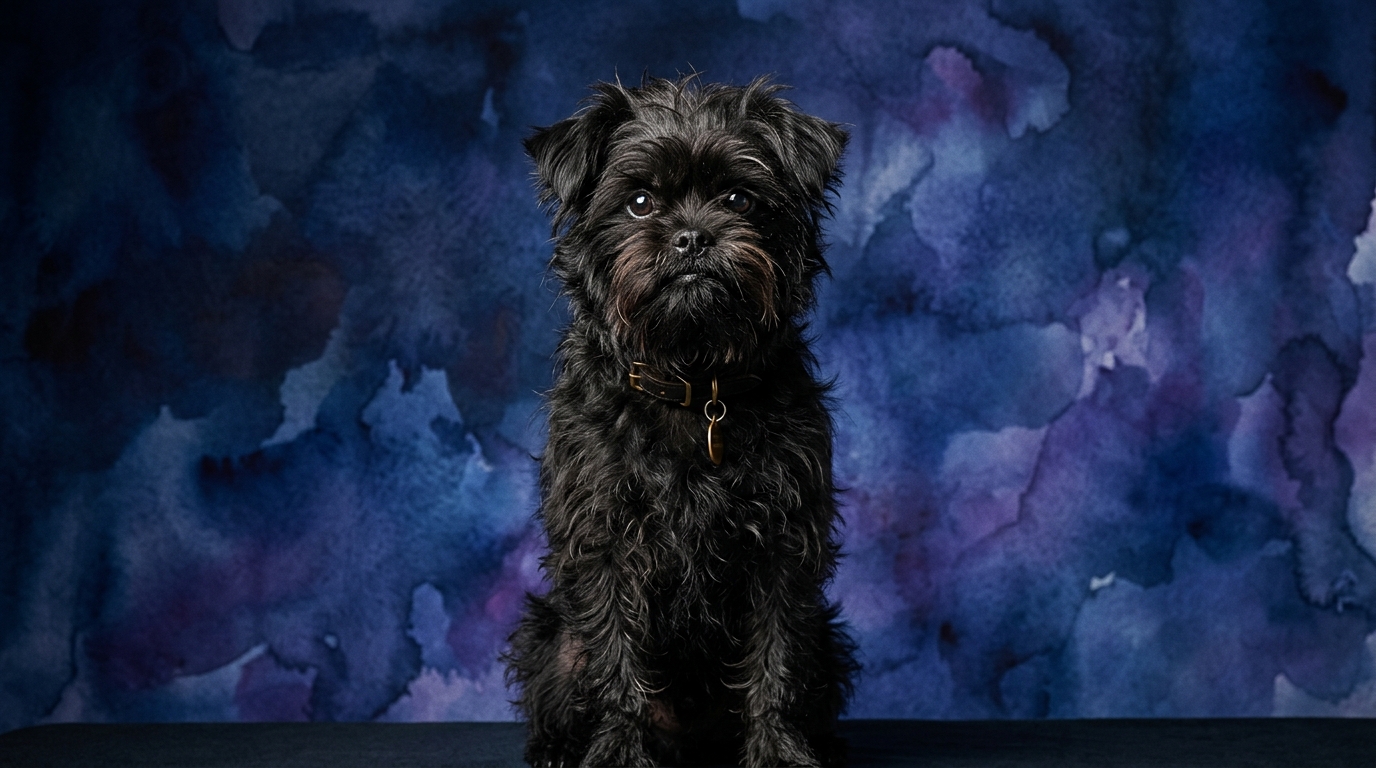
For the Affenpinscher, a Toy group dog with a mischievous streak, their 3/5 in Problem Solving often translates into cleverness in navigating their immediate environment to achieve personal goals, such as figuring out how to reach a treat on a high counter or manipulating their owner for extra attention. Their Training Speed at 3/5 means they grasp commands at a reasonable pace, but their independent nature often dictates the consistency of their performance. Social Intelligence, also 3/5, allows them to form deep bonds with their chosen family and read their emotions, though they can be reserved with strangers. Their Instinctive Drive, rated 3/5, frequently surfaces as a tenacious, terrier-like pursuit of small moving objects or a protective vigilance over their territory and people. Finally, a 3/5 in Memory means they retain learned behaviors and experiences well, remembering both beloved routines and past transgressions.
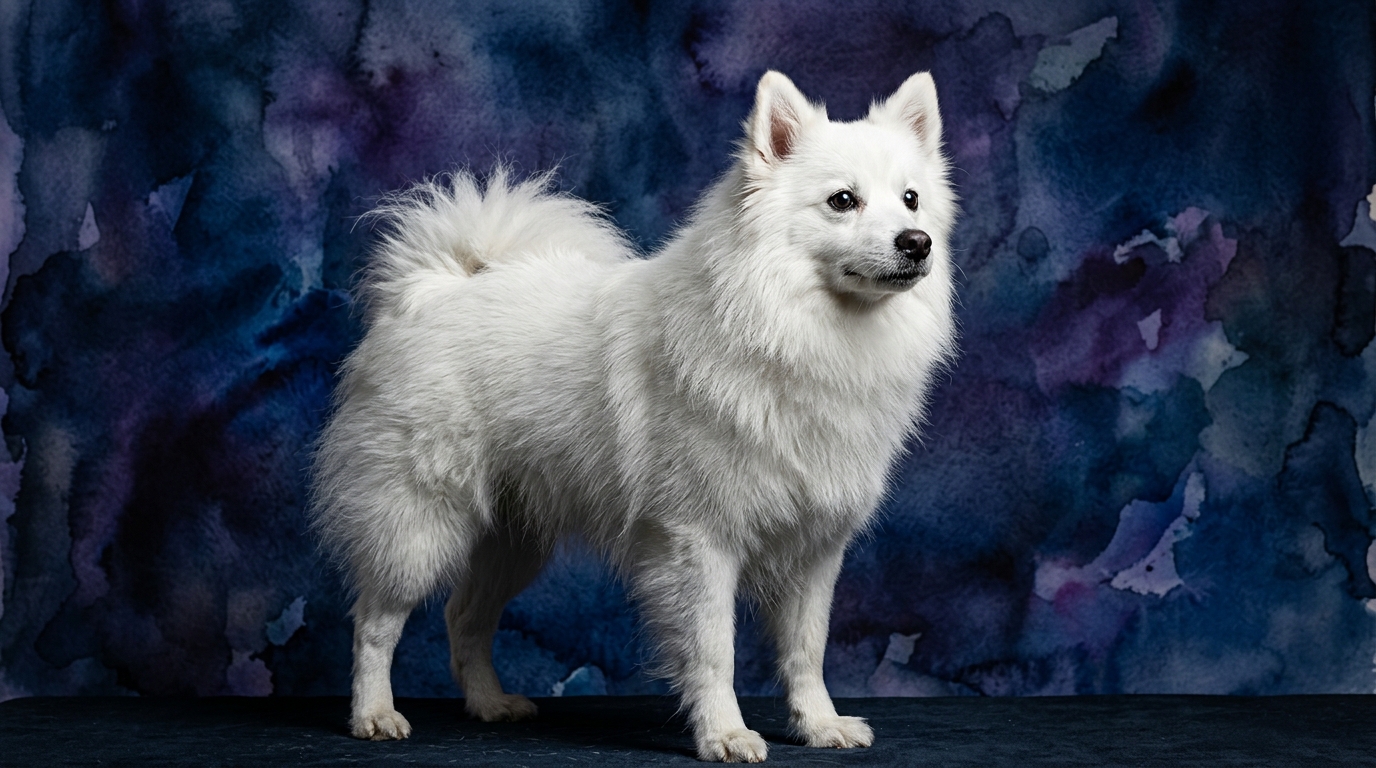
The American Eskimo Dog, a Non-Sporting breed known for its striking white coat and vibrant personality, interprets these same 3/5 scores through a different lens. Their Problem Solving at 3/5 is often displayed in their aptitude for learning complex tricks and agility courses, requiring sequential thought and spatial awareness. A 3/5 Training Speed indicates they are generally eager to learn and pick up new commands efficiently, often driven by a desire to please their handler. In Social Intelligence, their 3/5 reflects a capacity for forming strong family connections and a sensitivity to human moods, while also possessing a watchful, sometimes reserved, demeanor towards newcomers. Their Instinctive Drive, also 3/5, manifests as a strong alert barking tendency and a historical aptitude for performance tasks. Their Memory, rated 3/5, ensures they recall an extensive repertoire of commands and routines, making them reliable partners in various activities.
Where the Affenpinscher Wins Cognitively
Despite sharing the same cognitive scores, the Affenpinscher often exhibits a distinct edge in areas requiring focused, self-directed ingenuity within a confined, personal sphere. Their 3/5 Problem Solving, for instance, frequently leans into a form of 'trickster' intelligence. An Affenpinscher might more readily devise novel, albeit sometimes exasperating, solutions to get what they want from their human companions, such as orchestrating elaborate distractions to steal a dropped crumb or strategically positioning themselves for optimal lap access. This isn't about complex task completion, but rather a sharp, opportunistic cleverness tailored to their immediate desires and environment. Their compact size and agility enable them to explore and manipulate their surroundings in ways a larger dog might not, leading to more frequent displays of this type of problem-solving. Furthermore, their 3/5 Social Intelligence, while broad, often translates into a particularly acute ability to 'read' the specific individuals within their core family unit, understanding subtle cues and exploiting them for their own benefit, a skill honed by their close companion role.
Where the American Eskimo Dog Wins Cognitively
The American Eskimo Dog's cognitive strengths, while also rated 3/5, shine brightest in scenarios demanding cooperation, sequential learning, and a broader awareness of their environment. Their Problem Solving at 3/5 is often geared towards understanding and executing multi-step commands or navigating agility courses, where spatial reasoning and memory for sequences are key. They tend to excel in tasks that have a clear objective and a reward for successful completion, reflecting their historical background as circus performers and farm dogs. This breed's 3/5 Training Speed is often underpinned by a more pronounced eagerness to engage with their handler and a desire to participate, which can make the learning process feel smoother and more collaborative. Their 3/5 Instinctive Drive, particularly their alertness and vocal nature, means they are often more attuned to changes in their external environment, making them natural watchdogs who quickly recognize and respond to unusual sights or sounds, a form of practical intelligence linked to their protective instincts and awareness of their surroundings.
Which is Easier to Train and Why
While both breeds hold a 3/5 rating for Training Speed, the practical experience of training them can differ significantly due to their underlying temperaments and motivations. The American Eskimo Dog, with its generally strong desire to please and participate, often approaches training sessions with enthusiasm and focus. They tend to be highly food-motivated and responsive to positive reinforcement, making them relatively straightforward to teach a wide array of commands and tricks. Their active nature means they often enjoy the mental stimulation that training provides, viewing it as a fun, engaging activity with their owner. Their social intelligence also means they are often quite attuned to their handler's expectations, which can smooth the learning curve.
The Affenpinscher, despite their identical 3/5 Training Speed, can present a different training challenge. While capable of learning quickly, their independent and sometimes stubborn nature, typical of many toy breeds, means they might choose whether or not to comply based on their current mood or perceived benefit. They require consistent, patient, and often creative training methods to keep them engaged and prevent boredom-induced defiance. Their problem-solving skills might even be used to 'outsmart' their trainer if the routine becomes monotonous. Therefore, while both breeds possess the cognitive capacity to learn, the American Eskimo Dog's inherent cooperativeness often makes the training journey feel less uphill for the average owner compared to the Affenpinscher's more self-directed approach.
Which Suits Active Owners vs. Relaxed Owners
When considering lifestyle compatibility, the cognitive profiles and inherent drives of these breeds guide us. The American Eskimo Dog, with its 3/5 Instinctive Drive manifesting as a need for activity and mental engagement, thrives with active owners. They benefit immensely from structured exercise, opportunities for learning new skills like agility or trick training, and regular interaction that taps into their desire to participate and perform. Their problem-solving and memory skills are best utilized when given tasks and challenges, making them ideal for individuals or families who enjoy an active, engaged partnership with their dog and can provide consistent stimulation.
The Affenpinscher, while certainly not a couch potato, with its 3/5 Instinctive Drive often focused on companionship and alert protection, typically suits owners who are more relaxed in terms of structured physical activity but are deeply engaged in their dog's daily life. They enjoy short bursts of play and walks, but their cognitive strengths, particularly their clever problem-solving and social intelligence, are often satisfied through close interaction, puzzle toys, and being involved in their family's daily routines. They are well-suited for owners who appreciate a dog with a big personality in a small package, who can provide consistent companionship and mental engagement within a less overtly active lifestyle.
The Verdict
Choose the Affenpinscher if you appreciate a dog with a tenacious, clever personality, capable of independent thought, and thrive on close, interactive companionship within a more relaxed daily pace.
Opt for the American Eskimo Dog if you're an active owner seeking an eager, cooperative partner for learning, training, and engaging in various dog sports, who enjoys being a central, energetic part of family activities.
🧠 Find Your Pet's IQ Score
Our Pet IQ Lab assessment covers 25+ tests across 5 cognitive dimensions — personalized to your breed.
Take the Full IQ Test →Frequently Asked Questions
Do identical IQ scores mean Affenpinschers and American Eskimo Dogs behave identically?
No, identical IQ scores like 3/5 for both breeds indicate a similar baseline cognitive capacity. However, how these capacities manifest in behavior is highly influenced by breed-specific temperaments, historical roles, and individual personalities, leading to distinct behavioral patterns.
Are Affenpinschers difficult to train due to their independence?
Affenpinschers can be more challenging to train than some other breeds, not because they lack intelligence (they have a 3/5 Training Speed), but due to their independent and sometimes stubborn nature. Consistent, positive, and engaging training methods are key to overcoming this.
Are American Eskimo Dogs good for first-time dog owners?
American Eskimo Dogs can be suitable for first-time owners who are committed to providing consistent training, socialization, and ample mental and physical exercise. Their eagerness to please and trainability (3/5 Training Speed) are assets, but their vocal nature and activity needs require dedication.