Side-by-Side IQ Profile: Identical Scores, Unique Minds
At first glance, the Affenpinscher and Coton de Tuléar appear to be cognitive twins, both scoring 3 out of 5 in problem-solving, training speed, social intelligence, instinctive drive, and memory. However, these identical metrics represent a baseline of capability, with the specific expression of these traits varying significantly between the breeds due to their distinct histories and temperaments. Understanding these underlying differences is crucial for any prospective owner.
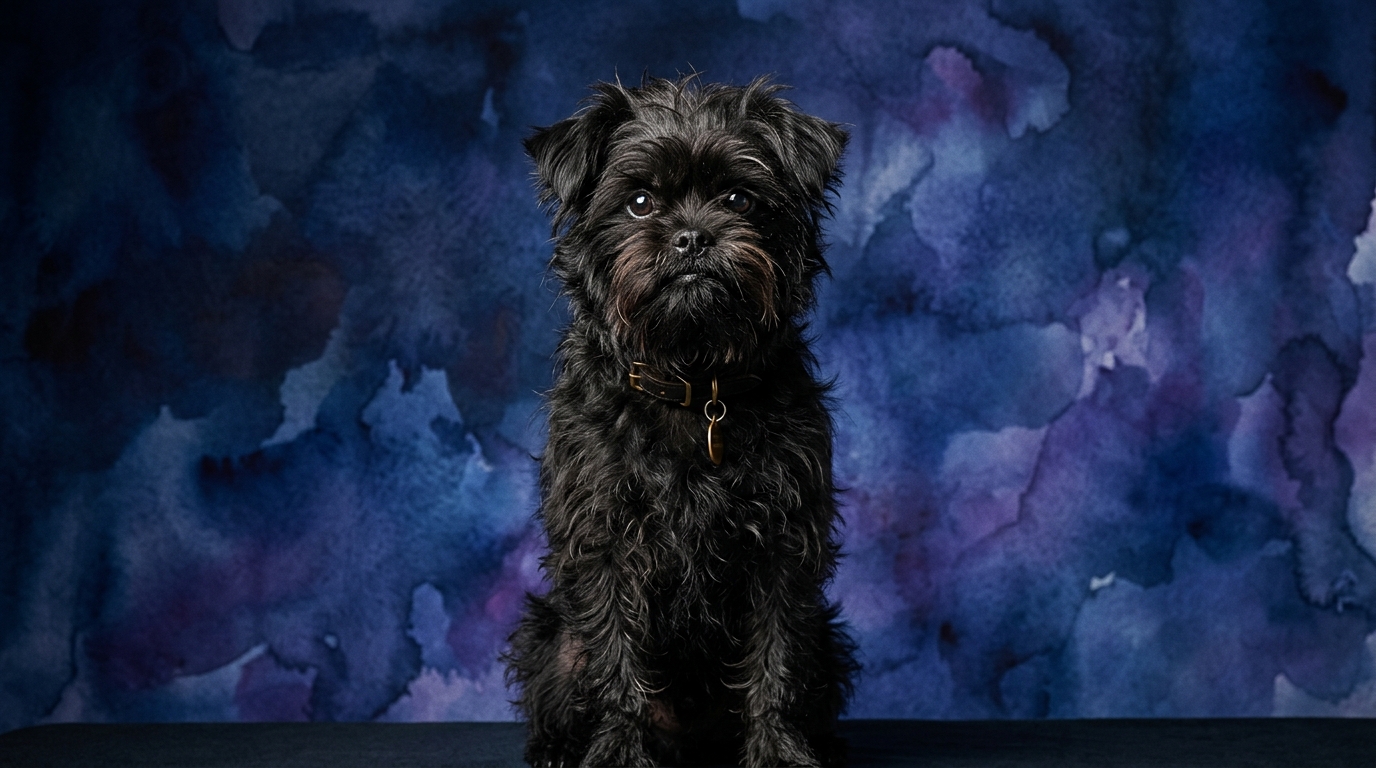
For the Affenpinscher, a breed with terrier-like origins, a 3/5 in Problem Solving often translates to a resourceful, sometimes mischievous approach to obstacles. They might independently figure out how to open a cabinet or retrieve a hidden toy, driven by curiosity and a desire for engagement. Their 3/5 Training Speed indicates they can learn commands and routines, but their independent spirit means consistency and engaging methods are key to overcoming a potential stubborn streak. Social Intelligence at 3/5 means they are generally attuned to their family's emotions but can be reserved or even wary with strangers, preferring a close-knit circle. Their Instinctive Drive of 3/5 reflects a historical purpose of vermin control, manifesting as an alert nature, a tendency to bark at perceived threats, and an interest in chasing small, moving objects. Finally, their 3/5 Memory allows them to retain learned behaviors and remember past interactions, both positive and negative, forming strong associations over time.
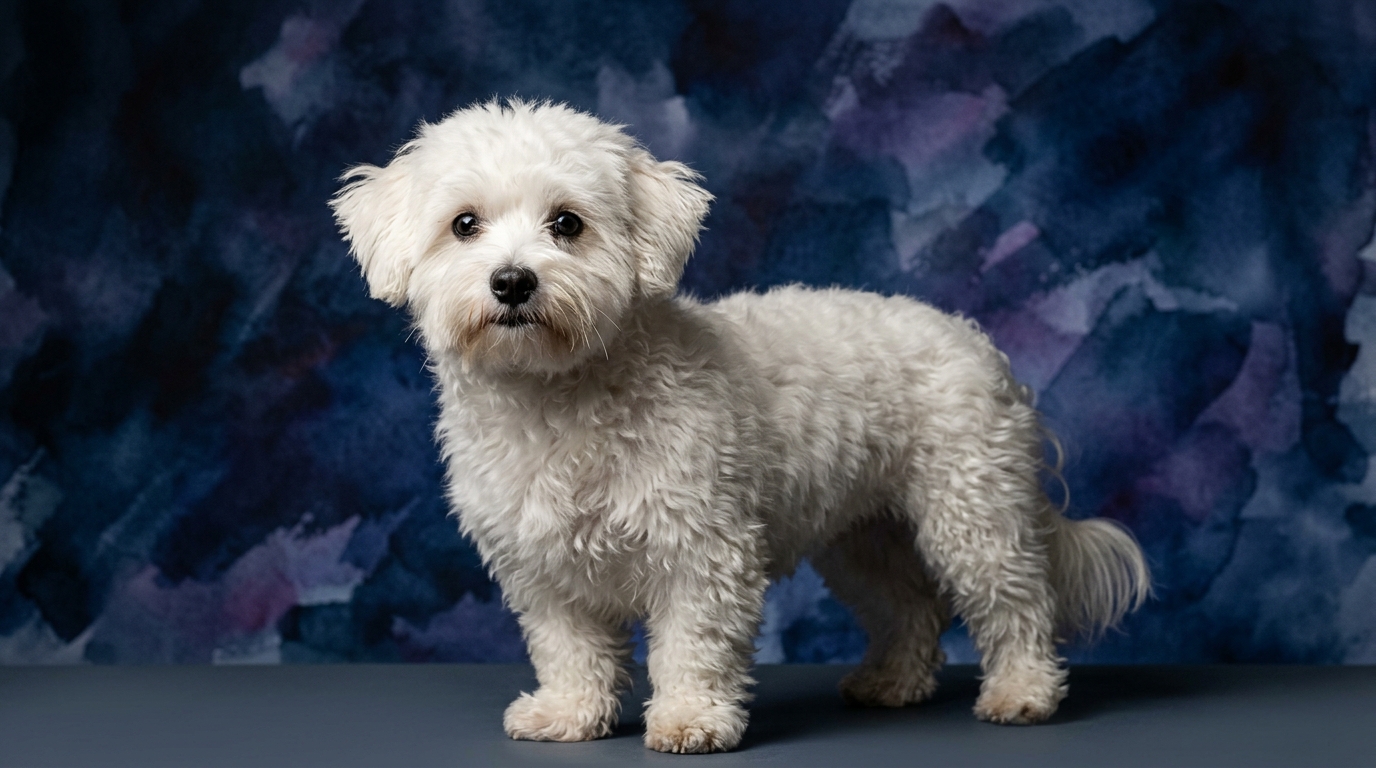
The Coton de Tuléar, a companion breed from Madagascar, expresses its 3/5 Problem Solving with a more adaptive and social flair. They might solve problems to gain human attention or comfort, perhaps by nudging a hand for pets or strategically placing themselves for optimal interaction. Their 3/5 Training Speed means they are capable learners, often eager to please and responsive to positive reinforcement, though they can also possess a playful streak that might sometimes divert focus. A 3/5 in Social Intelligence for the Coton highlights their reputation as a charming and agreeable companion, capable of forming deep bonds and often sensitive to human moods, generally welcoming new people and situations with curiosity rather than caution. Their Instinctive Drive, also 3/5, is typically oriented towards companionship and play rather than prey, focusing on interactive games or 'herding' their family members. Their 3/5 Memory enables them to recall routines, commands, and the people they love, contributing to their adaptability and consistent affection within a household.
Where the Affenpinscher Wins Cognitively
Despite matching scores, the Affenpinscher often exhibits a subtle edge in independent problem-solving that doesn't rely on human prompting. Their terrier heritage imbues them with a tenacious curiosity and a drive to investigate and manipulate their environment. This can mean they are quicker to figure out mechanical puzzles or navigate complex spaces on their own terms, driven by an intrinsic desire for exploration rather than external reward. This breed's vigilance also gives them a cognitive advantage in detecting subtle environmental changes, acting as a highly alert, albeit sometimes vocal, sentinel. Their cognitive processes lean towards autonomous discovery and a certain self-reliance in navigating their immediate world, making them adept at tasks requiring individual initiative.
Where the Coton de Tuléar Wins Cognitively
The Coton de Tuléar, while equally capable, tends to excel in areas requiring social and emotional discernment. Their cognitive strength lies in their remarkable ability to read and respond to human emotions and subtle cues, making them exceptionally empathetic companions. This manifests as a superior capacity for understanding complex social dynamics within a household, often anticipating needs or offering comfort without direct instruction. Their adaptability, a facet of their problem-solving and social intelligence, allows them to adjust seamlessly to new environments, people, and routines, thriving in varied social settings. They are adept at learning through observation of human behavior, often mimicking actions or responding to nuanced vocal tones, showcasing a cognitive flexibility geared towards harmonious interaction.
Which is Easier to Train and Why
While both breeds score 3/5 in training speed, the Coton de Tuléar is generally perceived as easier to train due to fundamental behavioral differences. Cotons typically possess a strong desire to please their owners and thrive on positive interaction, which translates into a more cooperative attitude during training sessions. They are sensitive to their owner's tone and body language, making them responsive to gentle, reward-based methods and less likely to shut down under pressure. Their companion-oriented nature means they are often highly motivated by praise, treats, and attention, making them eager participants in learning new commands and tricks.
Conversely, the Affenpinscher's independent and sometimes mischievous nature can present more significant training challenges. While they are certainly capable of learning, their terrier-like willfulness means they might question commands or choose to do something more interesting to them at the moment. They require an owner with patience, creativity, and a consistent approach to keep them engaged. Training an Affenpinscher often involves making it feel like their idea, or at least a highly rewarding game, rather than a strict command. Their tendency to be more reserved with strangers can also impact training in new environments or with different people, requiring more socialization and careful introductions.
Which Suits Active Owners vs. Relaxed Owners
For active owners seeking a canine companion, the Affenpinscher, with its energetic bursts and curious nature, can be an excellent fit. While a small breed, they possess a surprising amount of stamina for their size and enjoy varied activities like short hikes, agility, or engaging in puzzle toys that challenge their problem-solving skills. Their alert disposition means they are always ready for an adventure or a new investigation, making them suitable for owners who enjoy consistent engagement and outdoor exploration, even if it's just a brisk walk around the neighborhood. They thrive on mental stimulation and benefit from an owner who can provide structured play and varied experiences.
The Coton de Tuléar, on the other hand, often aligns better with relaxed owners who appreciate a calm, adaptable presence. While they enjoy playtime and daily walks, their exercise needs are generally moderate, making them content with indoor activities and shorter outings. Their social intelligence and strong bond with their family mean they are happiest when close to their human companions, often content to snuggle on the couch or observe household activities. They are well-suited for individuals or families looking for a gentle, affectionate dog that can easily adapt to a quieter lifestyle, providing comfort and companionship without demanding constant high-intensity activity.
The Verdict
Choose the Affenpinscher if you appreciate a spirited, independent companion with a tenacious problem-solving streak and are prepared to engage their clever, sometimes mischievous, mind with consistent and creative training.
Opt for the Coton de Tuléar if you desire an emotionally attuned, adaptable companion who thrives on social interaction and a more relaxed lifestyle, responding beautifully to gentle training and affectionate engagement.
🧠 Find Your Pet's IQ Score
Our Pet IQ Lab assessment covers 25+ tests across 5 cognitive dimensions — personalized to your breed.
Take the Full IQ Test →Frequently Asked Questions
Do Affenpinschers bark a lot?
Affenpinschers can be quite vocal due to their alert nature and instinctive drive, often barking to signal perceived threats or express excitement. Consistent training and early socialization can help manage this tendency, but owners should expect a certain level of vocal communication.
Are Coton de Tuléars good with children?
Coton de Tuléars are generally good with children, thanks to their adaptable and affectionate social intelligence. They are typically gentle and playful, though, like any breed, supervision is always recommended to ensure respectful interactions from both the dog and the children.
Which breed is more prone to separation anxiety?
Coton de Tuléars, with their strong social intelligence and deep companion bond, can be more prone to separation anxiety if not properly acclimated to alone time. Affenpinschers, while devoted, tend to be a bit more independent, potentially making them slightly less susceptible, though any dog can develop anxiety if left alone excessively.