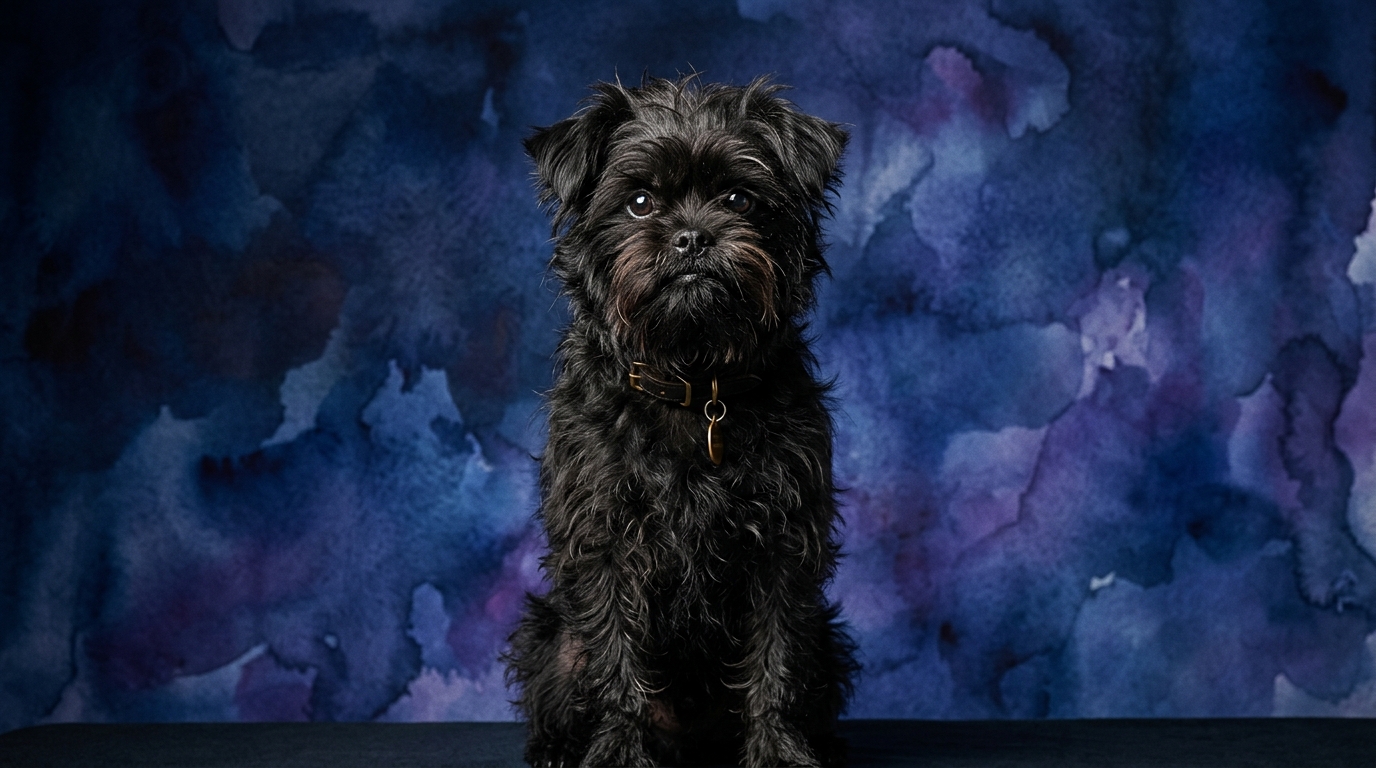
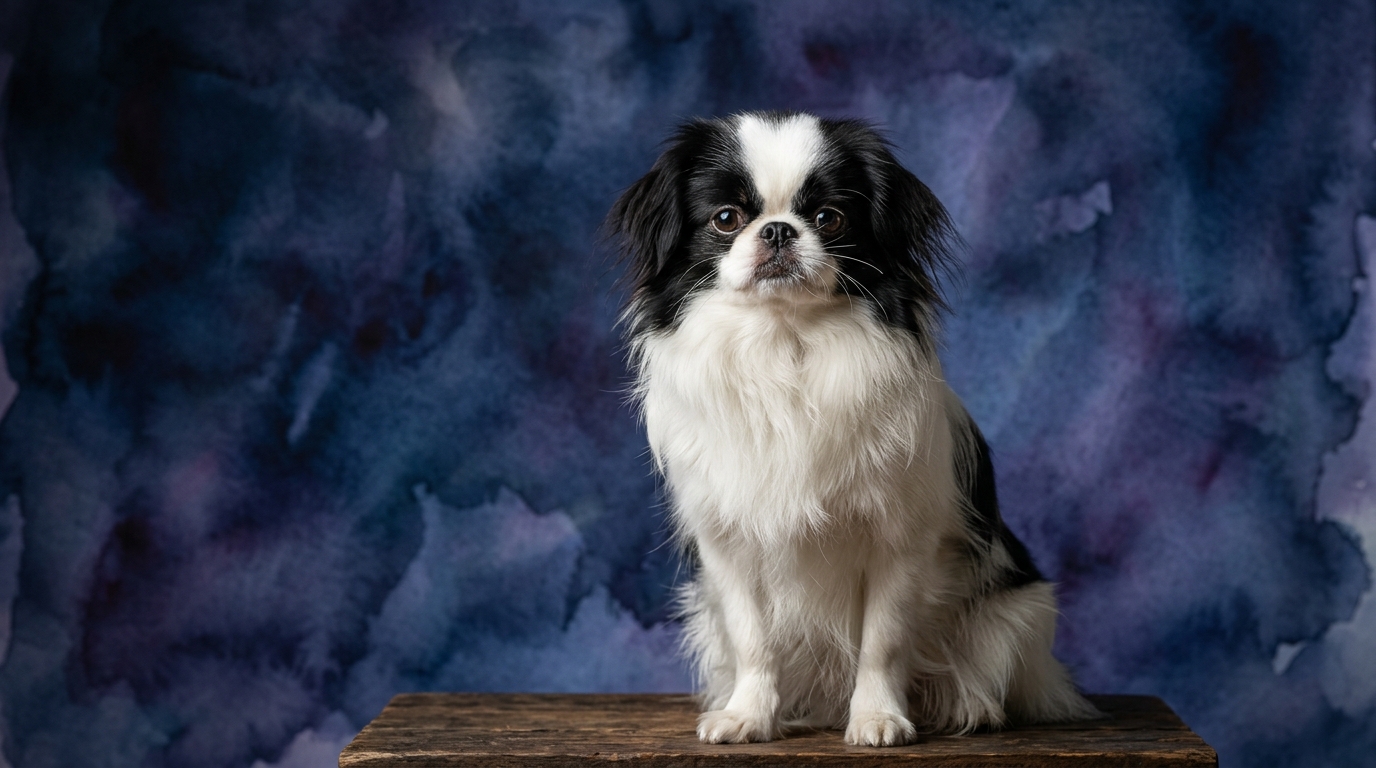
Side-by-Side Cognitive Profile: Unpacking the 3/5 Scores
At The Cosmic Pet Pet IQ Lab, we assess canine intelligence across five key dimensions, and it’s rare to find two breeds with such perfectly aligned scores as the Affenpinscher and the Japanese Chin. Both breeds register a consistent 3/5 across the board. This doesn't imply a lack of cognitive capacity, but rather a moderate, adaptable level that manifests differently based on their inherent breed characteristics and historical roles. Let's explore how these identical scores translate into distinct mental approaches for each breed.
For Problem Solving (3/5): The Affenpinscher often displays a mischievous ingenuity, applying their cognitive capacity to figure out how to access forbidden treats, manipulate owners for attention, or creatively navigate household obstacles. Their problem-solving is frequently driven by curiosity and a desire for entertainment, often showcasing a resourceful, self-serving cleverness. The Japanese Chin, conversely, tends to apply its problem-solving abilities more towards social dynamics and comfort. A Chin might strategically position itself for maximum cuddles, subtly nudge for attention, or cleverly find the warmest sunbeam, demonstrating ingenuity tied to companionship and a pampered existence.
Regarding Training Speed (3/5): Both breeds learn at a moderate pace, but their motivations differ. The Affenpinscher, with its independent streak, requires consistent, positive reinforcement that appeals to its playful side. They grasp concepts well but might pause to consider if the requested action aligns with their own agenda, sometimes exhibiting a thoughtful, albeit slower, compliance. The Japanese Chin, on the other hand, often exhibits a strong desire to please its human companions. While also needing gentle and engaging methods, their willingness to cooperate, driven by their social intelligence, can make them appear more amenable to learning, provided training is positive and avoids harshness.
In Social Intelligence (3/5): The Affenpinscher demonstrates a keen awareness of its family's moods and household dynamics, often choosing a favorite person and being discerning with strangers. They communicate their needs and boundaries clearly through their expressive demeanor and vocalizations, using their social understanding to integrate effectively into their chosen human 'pack.' The Japanese Chin excels in this dimension through its profound empathy and attunement to human emotions. They are sensitive barometers of their owner's feelings, often offering comfort or quiet companionship when sensing distress. Their social intelligence is geared towards deep, intimate bonding and understanding the subtle nuances of human interaction.
For Instinctive Drive (3/5): The Affenpinscher retains remnants of its vermin-hunting heritage, exhibiting a moderate prey drive for small toys or perceived 'intruders,' and a protective instinct towards its family and territory. This drive manifests as alertness and a readiness to 'guard' their space, often accompanied by vocal expressions, enjoying activities that simulate a 'hunt.' The Japanese Chin’s instinctive drives are more centered on companionship and comfort. They possess a moderate desire for close proximity to their humans, often "herding" them to the couch for cuddle sessions. Their curiosity is gentle, leading them to explore new scents or sounds with a calm inquisitiveness rather than a predatory focus.
Finally, Memory (3/5): Both breeds possess a good memory. The Affenpinscher effectively recalls routines, commands, and the outcomes of past actions, whether positive or negative. This memory contributes to their consistent behaviors, helping them navigate complex environments and remember how to achieve their goals, including their more mischievous ones. The Japanese Chin also demonstrates good memory, particularly for people, routines, and places associated with comfort and positive interactions. They remember who provides the best cuddles, where treats are kept, and the schedule for walks or mealtimes, reinforcing their strong bonds and appreciation for daily rituals.
Where the Affenpinscher Shines Cognitively
Despite identical scores, the Affenpinscher's cognitive strengths lie in its unique blend of problem-solving and instinctive drive, manifesting as independent resourcefulness. Their 3/5 problem-solving often translates into a cleverness geared towards self-serving objectives, like figuring out how to outwit a baby gate or unearth a hidden treat. This particular expression of their cognitive ability, combined with a moderate instinctive drive for exploration and a touch of terrier-like tenacity, gives them an edge in situations demanding ingenuity and persistence in achieving their own desires. Their memory (3/5) solidifies this by allowing them to recall successful past 'missions' and repeat effective strategies.
Where the Japanese Chin Excels Cognitively
The Japanese Chin's cognitive distinctiveness emerges from its refined social intelligence and empathetic capacity, scoring 3/5 in both. While numerically matched with the Affenpinscher, the Chin's expression of social intelligence is profoundly geared towards intimate human connection. They are exceptionally adept at discerning subtle human cues, understanding unspoken moods, and responding with intuitive comfort. This makes them outstanding emotional support companions, often seeming to know precisely when to offer a gentle nudge or simply provide a soothing, quiet presence. Their memory (3/5) for positive interactions further strengthens these deep bonds, helping them recall who provides comfort and how to elicit affection.
Training Dynamics: Affenpinscher vs. Japanese Chin
When it comes to training, both breeds score 3/5 in training speed, yet their behavioral differences create distinct experiences. The Affenpinscher's independent and often opinionated nature means that while they are capable learners, they might not always be immediately compliant. They are thinkers who might 'question' a command if it doesn't offer a clear incentive or appeal to their inherent curiosity. Effective training requires engaging, consistent methods that tap into their playful spirit and provide strong positive reinforcement, otherwise, their problem-solving might be directed towards finding ways to avoid training rather than participating. They can be prone to 'selective hearing' if not properly motivated.
The Japanese Chin, conversely, often proves more cooperative in training due to its inherent desire to please and its acute social intelligence. They respond exceptionally well to gentle, positive reinforcement, praise, and a calm training environment. Their sensitive nature means that harsh corrections are highly counterproductive, potentially leading to anxiety or a complete shutdown, which would significantly hinder their learning progress. Their ability to read human cues helps them understand what is expected, making them generally amenable to learning, especially when the training reinforces their bond with their human.
Matching Lifestyles: Active vs. Relaxed Owners
The choice between an Affenpinscher and a Japanese Chin also depends significantly on an owner's lifestyle preferences. The Affenpinscher, despite its small size, possesses a surprisingly robust energy level and a curious, adventurous spirit. Their instinctive drive (3/5) translates into a desire for exploration and active play. They are well-suited for owners who appreciate a lively, spirited companion, enjoy regular, engaging walks, and are prepared to provide mental stimulation through puzzle toys or interactive games. They thrive with owners who can match their vivacious personality and offer safe, supervised opportunities for discovery and fun.
In contrast, the Japanese Chin is the quintessential lap dog, perfectly content with a more serene and relaxed pace of life. Their strong social intelligence (3/5) and innate desire for comfort mean they are happiest when nestled close to their human companions. They require less strenuous physical activity, preferring gentle strolls or short, indoor play sessions. The Chin is an ideal match for owners who cherish quiet companionship, desire a dog that will happily nap by their side, and who can provide consistent affection and a peaceful home environment that caters to their sensitive and devoted nature.
The Verdict
Choose the Affenpinscher if you seek a spirited, clever companion who will bring both amusement and a touch of independent charm to your life, thriving on engaging activities and a bit of playful challenge.
Opt for the Japanese Chin if your ideal companion is a gentle, empathetic soul deeply attuned to your emotions, offering serene companionship and an abundance of calm, devoted affection.
🧠 Find Your Pet's IQ Score
Our Pet IQ Lab assessment covers 25+ tests across 5 cognitive dimensions — personalized to your breed.
Take the Full IQ Test →Frequently Asked Questions
Do Affenpinschers and Japanese Chins have similar temperaments despite identical IQ scores?
While their cognitive abilities score similarly, their temperaments differ notably. Affenpinschers are often described as bold, curious, and somewhat mischievous, whereas Japanese Chins are typically more serene, sensitive, and devoted, reflecting how their shared cognitive capacities are applied and expressed.
Can a Japanese Chin be trained for agility or complex tricks?
Yes, a Japanese Chin's training speed (3/5) and social intelligence (3/5) mean they are capable of learning agility or tricks, especially with positive reinforcement and gentle methods. However, their physical build and preference for comfort suggest they might not excel at high-impact activities as readily as more athletic breeds, often preferring mental engagement over strenuous physical feats.
Are Affenpinschers good with children, given their social intelligence?
An Affenpinscher's social intelligence (3/5) allows them to understand family dynamics, but their sometimes bold and independent nature means they generally do best with older, respectful children who understand how to interact gently with small dogs. Supervision is always key, as their terrier-like spirit can sometimes lead to less patience with rough play.