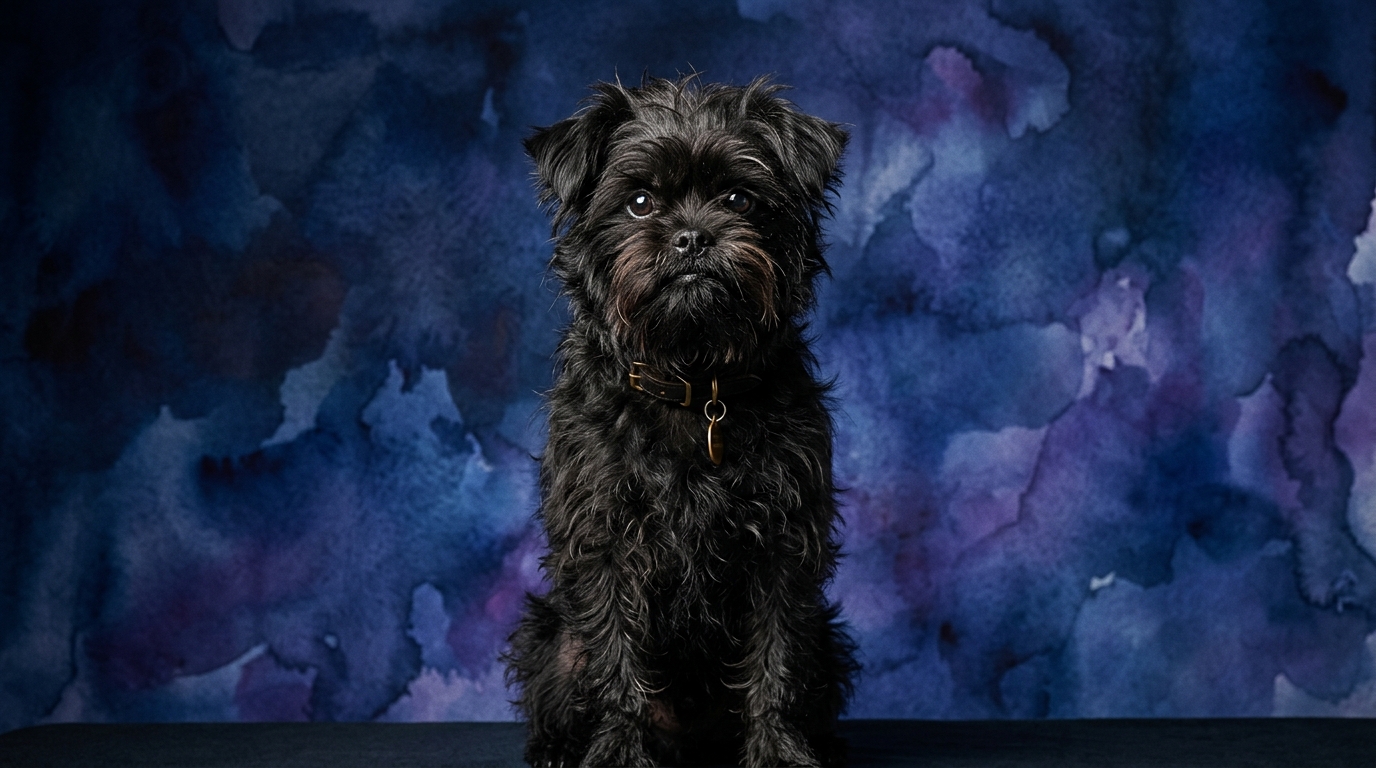
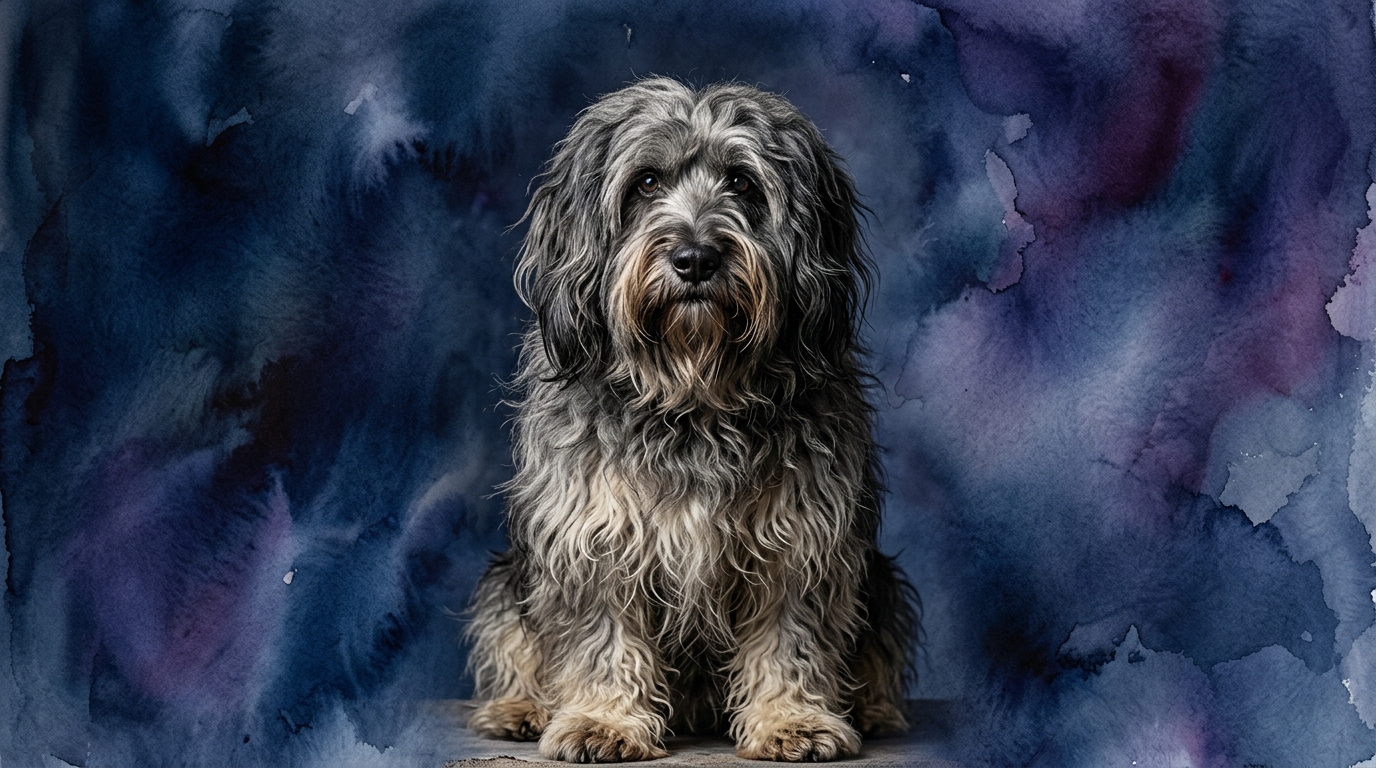
Side-by-side IQ profile
Affenpinscher (Toy Group): This spirited breed, though small, presents a robust intellectual curiosity that belies its stature. Their Problem Solving (3/5) often manifests in a clever, sometimes mischievous, ability to navigate their immediate environment, figuring out how to access forbidden treats from a counter or manipulate household objects to their advantage. They are adept at solving puzzles that involve dexterity and quick thinking. Training Speed (3/5) for the Affenpinscher means they are certainly capable of learning commands and tricks, often quickly picking up novel tasks that are engaging and fun, but their independent streak and tendency towards self-interest can make consistent, repetitive training a test of patience for an owner. Their Social Intelligence (3/5) is evident in their keen observation of human emotions and household dynamics, often using their charming antics or expressive faces to get their way, though they can be quite selective with their affections, forming strong bonds with a chosen few. An Instinctive Drive (3/5), reminiscent of their historical terrier lineage, includes a persistent prey drive for small critters, a vigilant alertness to their surroundings, and a protective nature towards their family and perceived territory. Their Memory (3/5) allows them to retain complex routines, remember past interactions with remarkable detail, and recall learned behaviors with good consistency, often using past experiences to inform future actions.
Polish Lowland Sheepdog (Herding Group): The PON, a robust working breed, exhibits a practical and adaptive intelligence deeply rooted in its pastoral heritage. Their Problem Solving (3/5) is directly informed by their historical role, showcasing a capacity to strategize and adapt to changing conditions, whether it's figuring out a complex puzzle toy, navigating varied outdoor terrain, or even devising ways to "herd" family members. Training Speed (3/5) indicates they are capable learners who respond well to consistent, engaging instruction, often excelling in structured environments. However, their strong will and independent thinking can sometimes translate to "selective hearing" if they perceive a task as redundant, unstimulating, or if they disagree with the method. Their Social Intelligence (3/5) is characterized by a strong, often protective, bond with their family members, often reading subtle cues, demonstrating empathy, and understanding family dynamics, while maintaining a reserved or watchful demeanor with strangers until trust is established. An Instinctive Drive (3/5) is clearly present in their natural herding behaviors, their alert guarding tendencies, and a strong desire to have a "job" or purpose within their family unit, which can manifest as trying to organize their environment. Their Memory (3/5) is solid, allowing them to remember extensive command sequences, past experiences, and the intricate hierarchy of their family group, which contributes to their consistent performance.
Where Affenpinscher wins cognitively
Despite the identical numerical scores, the Affenpinscher’s cognitive strengths shine in specific contexts, particularly those requiring nimble wit, personal charm, and a focus on immediate, tangible rewards. Their 3/5 Problem Solving often appears more spontaneous and object-oriented; they might excel at quickly figuring out how to open a cupboard door or orchestrate a clever scheme to snatch a dropped morsel from under a table, leveraging their physical dexterity and quick mental shifts. This breed’s 3/5 Social Intelligence can be remarkably adept at individual manipulation, often "winning" by charming a specific person into compliance, understanding how to elicit desired reactions through their expressive faces and playful antics. They are masters of the "puppy dog eyes" and can read micro-expressions to gauge human mood. Their memory, while rated 3/5, seems particularly strong for remembering personal routines and the specific vulnerabilities or habits of their human companions, enabling them to exploit familiar patterns for their own benefit, such as knowing exactly when a certain person is most likely to share food. In essence, the Affenpinscher often "wins" in scenarios demanding quick, localized problem-solving, and personalized social engagement within a close-knit, often indoor, environment.
Where Polish Lowland Sheepdog wins cognitively
The Polish Lowland Sheepdog's cognitive advantages emerge in scenarios demanding sustained focus, strategic planning, and an understanding of group dynamics over a broader scope. Their 3/5 Problem Solving capacity is more geared towards practical, often multi-step tasks, demonstrating a methodical approach to challenges, whether it's figuring out an intricate puzzle feeder, navigating a complex agility course, or even devising ways to "herd" family members from one room to another. The PON’s 3/5 Social Intelligence excels in reading the overall family atmosphere and understanding complex social hierarchies, acting as a watchful observer and often intervening with a nudge or bark when they perceive a need for order or a potential disruption to the group. Their instinctive drive, also 3/5, translates into a powerful, sustained motivation for tasks that resonate with their herding heritage, allowing them to focus on a goal for extended periods, often displaying resilience in the face of obstacles. This breed truly excels when tasks require a broader perspective, a persistent and adaptive approach to problem-solving, and an innate sense of order within their social group or territory.
Which is easier to train and why
When considering ease of training, both breeds present unique challenges and rewards, despite their matching 3/5 Training Speed scores. The Affenpinscher, with its independent spirit and toy-dog charm, can be quick to learn new commands and tricks, but equally quick to decide if a task is worth their effort or if they'd rather be doing something else. Their training often requires creativity, very short, engaging sessions, and a generous supply of positive reinforcement and high-value treats to maintain their focus and enthusiasm, as repetition can quickly lead to boredom and a display of "selective deafness." They excel at fun tricks, brief agility sequences, or tasks that involve novelty and quick bursts of activity, where their cleverness truly shines. In contrast, the Polish Lowland Sheepdog, while also possessing a strong will and independent thought, tends to thrive on purpose and structure, often seeking to understand their role. Their herding background means they often seek a "job" and respond well to consistent, firm, but fair leadership that establishes clear boundaries and expectations. While they may test boundaries, they are generally eager to please a respected leader and can achieve high levels of obedience and performance in activities like competitive obedience, rally, or herding trials, which provide sustained mental and physical engagement. Therefore, while neither is "easy" in the sense of being passively compliant, the PON might be considered more amenable to formal, sustained training efforts due to their desire for purpose, while the Affenpinscher requires a more nuanced, playful, and less conventional approach that caters to their spirited nature.
Which suits active owners vs relaxed owners
The suitability for active versus relaxed owners also diverges significantly based on how each breed's 3/5 instinctive drive and problem-solving manifest in their daily needs. The Affenpinscher, despite its energetic bursts during play, is generally well-suited for owners who enjoy interactive indoor play, moderate walks, and engaging mental games, but do not necessarily require extensive outdoor excursions daily. Their need for mental stimulation is paramount; a "relaxed" owner in terms of physical activity must still be "active" in providing puzzle toys, teaching new tricks, and engaging in lively indoor interactions to prevent boredom, which can lead to mischief or excessive barking. They are content to curl up on a lap or a soft bed after their activity needs are met, making them good companions for apartment living. The Polish Lowland Sheepdog, on the other hand, is unequivocally a breed for active owners who can meet their substantial physical and mental demands. Their strong herding drive and robust physique demand significant daily exercise, not just a casual stroll around the block. They thrive on activities like long hikes, running, agility, competitive obedience, or even organized herding work, coupled with consistent mental challenges that tap into their problem-solving abilities. A "relaxed" owner who cannot consistently provide both physical outlets and stimulating mental "work" would likely find themselves with a bored, potentially destructive, and certainly unhappy PON, as their inherent drive requires a purposeful outlet.
The Verdict
The Affenpinscher is an excellent choice for owners who appreciate a clever, charming companion content with moderate physical activity, but who are prepared to provide consistent, engaging mental stimulation through varied training and interactive play within a home environment.
The Polish Lowland Sheepdog is ideal for experienced, active owners seeking a devoted, robust companion that thrives on substantial daily exercise, structured training, and opportunities to engage its strategic mind in activities like herding, agility, or long outdoor adventures.
🧠 Find Your Pet's IQ Score
Our Pet IQ Lab assessment covers 25+ tests across 5 cognitive dimensions — personalized to your breed.
Take the Full IQ Test →Frequently Asked Questions
Do both breeds require similar amounts of mental stimulation despite their matching IQ scores?
Yes, both breeds have a 3/5 Problem Solving and Memory rating, indicating a significant need for mental engagement. However, the type of stimulation differs; Affenpinschers often prefer novel, quick challenges, while PONs thrive on more sustained, goal-oriented tasks.
Is one breed more prone to separation anxiety based on their social intelligence?
While both have 3/5 Social Intelligence, their expression differs. Affenpinschers can be quite attached and vocal when left alone, while PONs, forming strong family bonds, can also exhibit anxiety if not properly socialized and accustomed to alone time from a young age.
Given their similar training speed, are there specific training methods that work best for each?
For the Affenpinscher, positive reinforcement, short and varied sessions, and making training feel like a fun game are most effective. For the Polish Lowland Sheepdog, consistent, fair, and confidence-building methods that leverage their desire to work and please a respected leader generally yield the best results.