Side-by-Side Cognitive Profiles
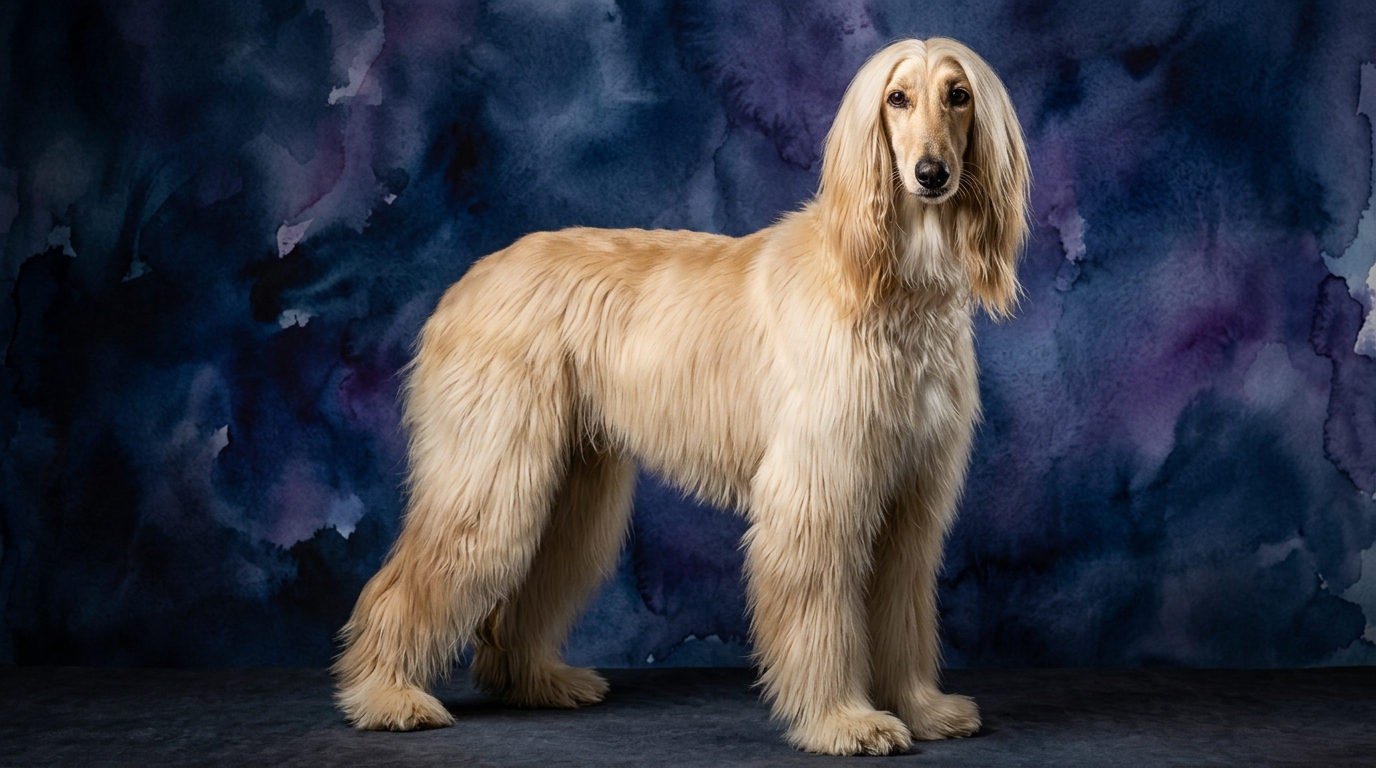
Originating from the mountains of Afghanistan, the Afghan Hound exhibits a unique cognitive makeup, deeply influenced by its sighthound heritage. Their problem-solving capacity scores a respectable 4 out of 5, indicating an ability to independently navigate complex situations, often in pursuit of prey. However, this inherent independence translates to a training speed of only 1 out of 5; these hounds are not quick to comply with human commands, preferring to follow their own instincts. Social intelligence is moderate at 2 out of 5, suggesting a selective approach to social interactions, often preferring a small, familiar circle. Their instinctive drive is exceptionally high at 5 out of 5, a testament to their deep-rooted hunting purpose. Memory is average at 3 out of 5, sufficient for recalling familiar routes and routines but less for intricate command sequences. This breed holds a Coren rank of #79, indicating a lower general working intelligence.
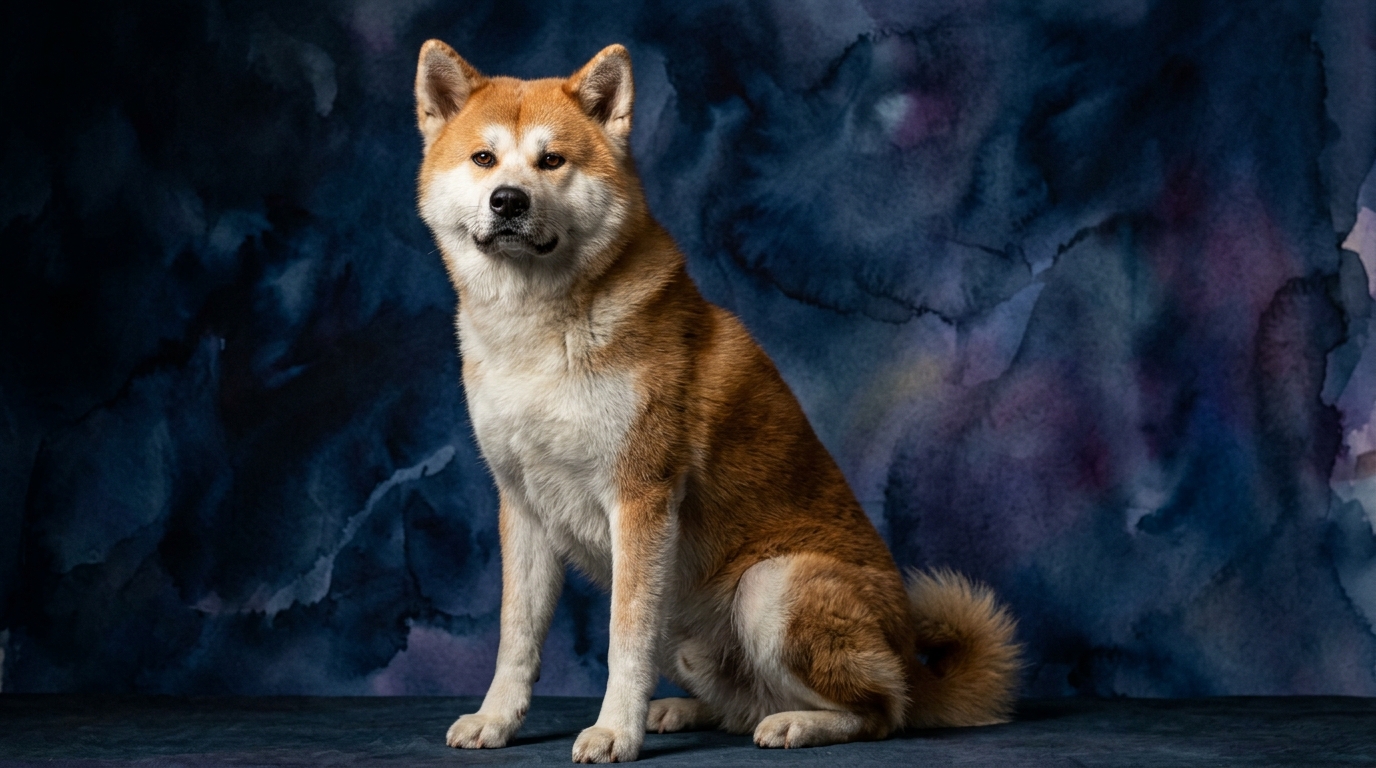
Hailing from the snowy regions of Japan, the Akita presents a different cognitive blueprint, reflecting its history as a hunting and guard dog. Their problem-solving ability is rated 3 out of 5, indicating competence in figuring out practical challenges, though perhaps with less spontaneous ingenuity than the Afghan. Training speed is a modest 2 out of 5; while capable of learning, Akitas require consistent, patient instruction and often a clear sense of purpose to engage fully. Their social intelligence is 3 out of 5, suggesting a discerning yet capable approach to social dynamics, often reserved but deeply loyal to their family. Like the Afghan, their instinctive drive is a powerful 5 out of 5, rooted in their formidable hunting and guarding roles. Memory is a notable strength at 4 out of 5, allowing them to retain learned behaviors and recall past experiences with clarity. The Akita’s Coren rank is #54, positioning them in the average category for obedience and working intelligence.
Where the Afghan Hound Excels Cognitively
The Afghan Hound's primary cognitive advantage lies in its superior problem-solving ability, rated 4/5 compared to the Akita’s 3/5. This manifests as a more spontaneous, independent approach to novel situations, particularly those involving tracking or navigating terrain. When faced with an obstacle in their path or a scent trail to follow, the Afghan Hound is more likely to devise an immediate, self-directed solution without human intervention. This mental agility, while sometimes appearing as stubbornness in a domestic setting, is an evolutionary marvel for a sighthound needing to make split-second decisions during a chase. Their independent reasoning allows them to adapt quickly to changing environmental cues, a trait invaluable for their original purpose. This breed excels at tasks that require intrinsic motivation and minimal external guidance, showcasing a capacity for creative and autonomous thought when pursuing a goal they deem worthwhile.
Where the Akita Demonstrates Cognitive Strengths
The Akita demonstrates clearer cognitive strengths in both memory and social intelligence. With a memory score of 4/5, the Akita surpasses the Afghan Hound's 3/5, indicating a more robust capacity for retaining complex information and experiences. This translates into a dog that remembers commands, routines, and past interactions with greater precision, forming lasting associations. This strong memory is crucial for their role as a guardian, allowing them to recall who belongs and who doesn't, enhancing their protective capabilities. Furthermore, the Akita's social intelligence, rated 3/5, is higher than the Afghan Hound's 2/5. While often reserved, this score suggests a more nuanced understanding of social cues and hierarchies within their established family unit. They are attuned to the moods and intentions of their human companions, enabling a deeper, albeit often subtle, bond.
Training Dynamics: Which Breed is More Amenable?
Comparing ease of training, the Akita generally presents a more straightforward, albeit still challenging, experience than the Afghan Hound. The Akita's training speed is rated 2/5, while the Afghan Hound's is a notably low 1/5. This difference stems from their fundamental behavioral drivers. Afghan Hounds, bred for independent hunting, possess an overwhelming instinctive drive (5/5) and a strong sense of self-direction. They are motivated primarily by their own desires, such as chasing a moving object, rather than human approval or rewards. Their problem-solving ability often means they'll find their own solutions rather than waiting for a command, making them appear 'disinterested' in structured training. They require immense patience, creativity, and a willingness from the owner to make training feel like the dog's idea.
Akitas, while also independent and possessing a high instinctive drive (5/5), are generally more amenable to learning specific tasks due to their higher memory (4/5) and slightly better social intelligence (3/5). They can form strong bonds and understand their role within a family, which can be leveraged in training. While they may not be quick to learn, once an Akita understands a command and its purpose, they tend to retain it consistently. Their motivation often comes from a desire to please their primary human, combined with the clear structure they appreciate. This means a dedicated Akita owner, using positive reinforcement and consistency, will likely see more reliable results over time compared to the more free-spirited Afghan Hound.
Matching Breeds to Lifestyles: Active vs. Relaxed Owners
Both the Afghan Hound and the Akita demand a significant commitment from their owners, but their energy expenditure and mental engagement needs differ. The Afghan Hound, with its profound instinctive drive (5/5) and history as a sighthound, thrives with owners who can provide ample opportunities for running and vigorous exercise in secure, enclosed spaces. Their need to gallop and chase is deeply ingrained, making them ideal for active individuals who enjoy long runs, lure coursing, or other activities that satisfy their prey drive. While they can be calm indoors, their mental and physical well-being relies on regular bursts of intense activity. Their independent nature also means they require owners who appreciate a dog with a mind of its own, rather than one seeking constant interaction or instruction.
The Akita, also boasting a 5/5 instinctive drive, requires consistent, moderate to vigorous daily exercise, but their needs are often more structured. They benefit from daily walks, hikes, and playtime, but their focus is less on explosive bursts of speed and more on purposeful activity. Owners who enjoy regular, structured outings and can provide mental stimulation through training and puzzle toys will find the Akita a suitable companion. They are generally less prone to frantic energy bursts indoors once their exercise needs are met. Akitas suit owners who can provide strong, consistent leadership and appreciate a dog that is reserved with strangers but deeply devoted to its family. Neither breed is suitable for truly relaxed or sedentary owners; both require significant engagement, just in different forms.
The Verdict
If you are an active individual seeking an independent, elegant companion with a strong internal drive for chasing and exploring, and you appreciate a dog that thinks for itself, the Afghan Hound could be an ideal match. They thrive with owners who understand their need for freedom and vigorous exercise, valuing their unique blend of beauty and self-reliance.
Opt for an Akita if you are a patient, consistent owner who values loyalty, a discerning social demeanor, and a dog with a formidable presence and excellent memory. They are best suited for those who can provide clear leadership, structured exercise, and appreciate a devoted companion that forms deep bonds with its chosen family.
🧠 Find Your Pet's IQ Score
Our Pet IQ Lab assessment covers 25+ tests across 5 cognitive dimensions — personalized to your breed.
Take the Full IQ Test →Frequently Asked Questions
Do Afghan Hounds and Akitas get along with other pets?
Both breeds possess a strong instinctive drive (5/5), which can make integration with smaller pets challenging, particularly for the Afghan Hound due to its high prey drive. Akitas can be selective with other dogs and require careful, early socialization, often preferring to be the only dog in a household.
Are Akita or Afghan Hounds good for first-time dog owners?
Neither breed is typically recommended for first-time dog owners. Both require experienced handling, consistent training, and a deep understanding of their unique temperaments and needs to thrive, making them better suited for those with prior dog ownership experience.
How much mental stimulation do these breeds need daily?
Both breeds require significant mental stimulation, though it manifests differently. Afghan Hounds benefit from activities that engage their problem-solving and instinctive drive, like scent games or lure coursing. Akitas thrive on consistent training, puzzle toys, and structured routines that leverage their memory and social intelligence, keeping their minds active and engaged.