Side-by-Side Cognitive Profiles
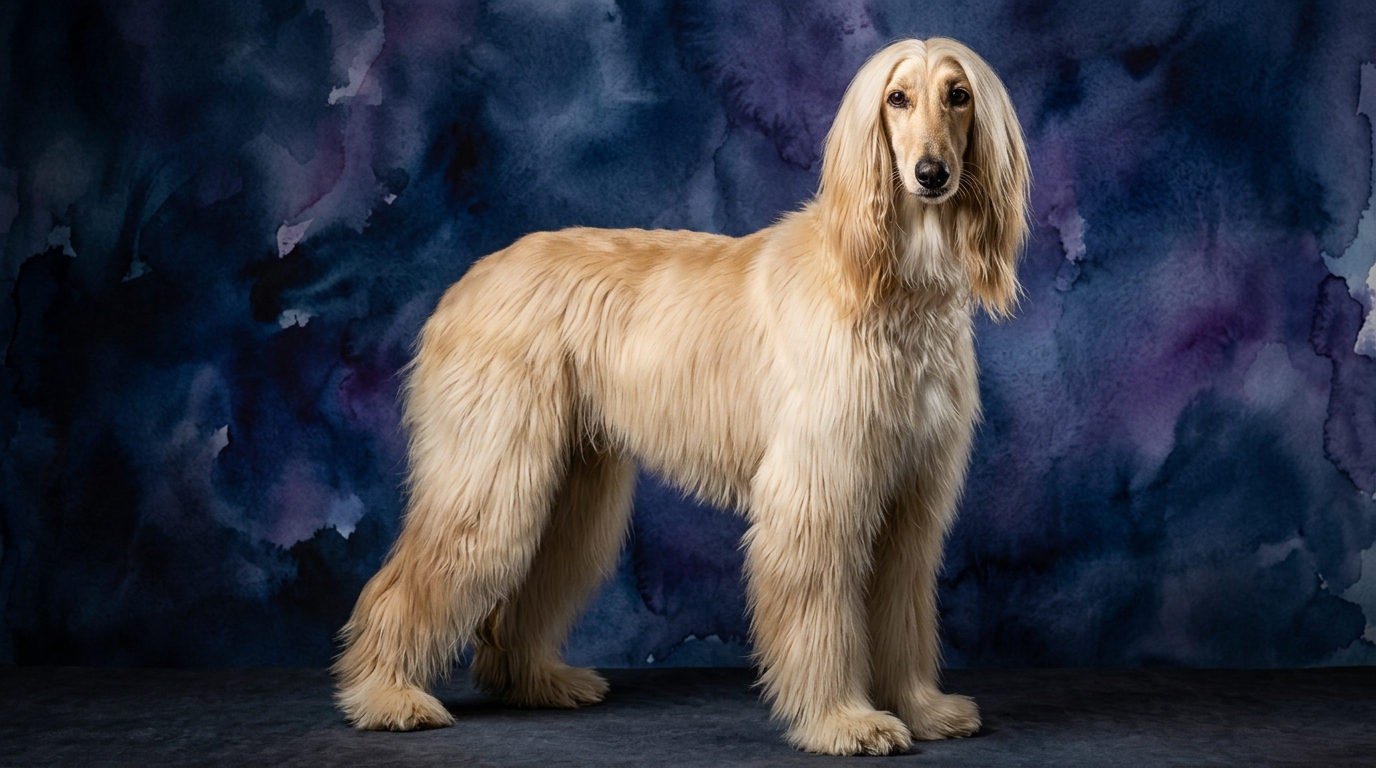
The Cosmic Pet Pet IQ Lab assesses canine intelligence across five key dimensions, offering a nuanced view beyond simple labels. For the Afghan Hound, a breed not traditionally valued for obedience but rather for autonomous hunting, its profile is distinct: Problem Solving 4/5, Training Speed 1/5, Social Intelligence 2/5, Instinctive Drive 5/5, and Memory 3/5. This suggests a dog capable of complex independent thought but less inclined towards human-directed tasks or extensive social nuances.
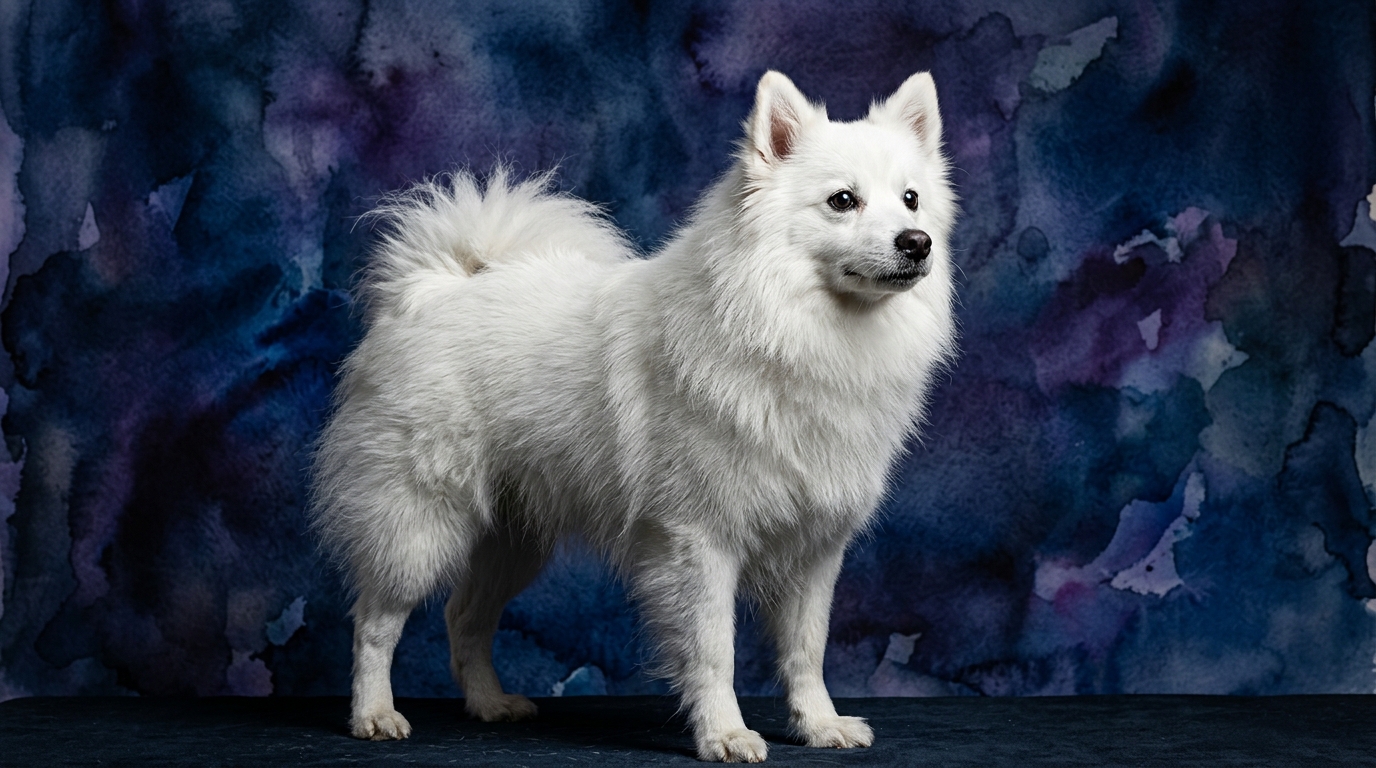
In contrast, the American Eskimo Dog, while not Coren-ranked, presents a more balanced and cooperative cognitive blueprint: Problem Solving 3/5, Training Speed 3/5, Social Intelligence 3/5, Instinctive Drive 3/5, and Memory 3/5. This uniform scoring indicates a dog with moderate capabilities across the board, suggesting adaptability and a willingness to engage in various activities with its human companions.
Breaking down the Afghan Hound's scores, its high Problem Solving (4/5) reflects an ability to navigate complex environments and situations to achieve its own goals, often without human intervention. The low Training Speed (1/5) indicates a significant challenge in motivating them for repetitive obedience, as their independent nature often takes precedence. Their Social Intelligence (2/5) suggests they are not inherently driven to interpret subtle human cues or seek constant social validation, while an Instinctive Drive of 5/5 highlights their profound urge to chase and hunt. Memory at 3/5 means they retain information adequately, particularly regarding routines and spatial awareness.
For the American Eskimo Dog, a Problem Solving score of 3/5 means they can figure out solutions to moderate challenges, often within a structured context. Their Training Speed of 3/5 signifies they are reasonably responsive and enjoy learning new commands, making training a more engaging process. A Social Intelligence of 3/5 indicates a good capacity to understand and respond to human emotions and intentions, fostering strong bonds. Their Instinctive Drive of 3/5 is present but manageable, often manifesting as a desire for play and interaction rather than an overwhelming urge to pursue prey. Memory at 3/5 allows them to consistently remember learned behaviors and social interactions.
Where the Afghan Hound Excels Cognitively
The Afghan Hound’s cognitive strengths lie primarily in its exceptional Problem Solving and overwhelming Instinctive Drive. With a 4/5 in Problem Solving, these dogs are adept at independent decision-making, a trait honed over centuries for solitary hunting. They can strategize how to overcome obstacles or outmaneuver prey, demonstrating a unique form of self-reliant intellect that doesn't necessarily seek human approval or direction. This ability means they can be remarkably resourceful when motivated by their own interests, such as finding a way to access a forbidden treat or navigating complex terrain during a chase.
Their Instinctive Drive, rated at a perfect 5/5, is the core of their being and a powerful cognitive force. This isn't just a physical urge but a mental blueprint for observation, pursuit, and capture. An Afghan Hound's mind is constantly processing sensory information related to movement, scent, and potential prey, making them incredibly focused and determined in their primary purpose. This intense drive, while challenging for domestic life, represents a highly specialized form of cognitive function that few breeds possess to the same degree, allowing them to excel in activities that tap into their natural hunting heritage, like lure coursing.
Where the American Eskimo Dog Shines Cognitively
The American Eskimo Dog's cognitive advantages are rooted in its balanced profile, particularly its moderate Training Speed and Social Intelligence. Unlike the Afghan Hound, the Eskie scores a 3/5 in Training Speed, indicating a dog that genuinely enjoys the learning process and is more eager to cooperate. They find satisfaction in engaging with their owners through commands and tricks, making them receptive to various forms of instruction. This willingness to learn quickly translates into a more versatile and adaptable companion, capable of excelling in obedience, agility, or even trick training.
Their Social Intelligence, also rated 3/5, means American Eskimo Dogs are more attuned to human emotions and social cues. They typically form strong, reciprocal bonds with their families and are more likely to seek interaction and validation from their owners. This cognitive trait makes them excellent communicators within a family unit, often anticipating needs or responding to subtle shifts in human mood. This social awareness fosters a harmonious living environment, as they are generally more amenable to fitting into human routines and preferences compared to their more independent counterparts.
Training: A Tale of Two Temperaments
When it comes to ease of training, the American Eskimo Dog holds a clear advantage over the Afghan Hound, primarily due to their respective Training Speed scores of 3/5 and 1/5. The American Eskimo Dog's moderate biddability means they are generally enthusiastic learners who respond well to positive reinforcement. They enjoy the mental stimulation of training sessions and are motivated by praise, treats, and the opportunity to engage with their owner. Their balanced instinctive drive also means they are less likely to be distracted by external stimuli, making it easier to hold their attention during lessons.
The Afghan Hound, with its 1/5 Training Speed, presents a far greater challenge. This isn't due to a lack of capacity to understand, but rather a profound independent streak and a low desire to perform repetitive tasks for human gratification. Their problem-solving skills are often applied to circumventing commands they deem unnecessary, and their high instinctive drive means they will prioritize chasing a squirrel over performing a 'sit.' Training an Afghan Hound requires immense patience, creativity, and a deep understanding of their sighthound nature, often focusing on building a strong relationship rather than strict obedience. They respond best to training methods that make sense to them, often involving games or activities that mimic their natural drives, rather than rote memorization.
Active Owners vs. Relaxed Owners: Matching Energy and Engagement
For owners seeking a truly active partner, the Afghan Hound, despite its sometimes aloof demeanor, demands a specific type of engagement. Its 5/5 Instinctive Drive translates into a profound need for bursts of intense physical activity, particularly running in secure, expansive areas where they can stretch out and satisfy their prey drive. While they can appear relaxed indoors, this is often a deceptive calm before an explosive need for movement. Owners must be prepared to provide consistent outlets for their running and chasing instincts, understanding that this isn't just about physical exercise but also mental fulfillment for a breed designed for the chase. Their independent problem-solving also means they thrive with mental challenges that engage their cunning, even if it's not traditional obedience.
The American Eskimo Dog, with its more balanced 3/5 Instinctive Drive and 3/5 Social Intelligence, is a more adaptable choice for a wider range of active owners. They thrive on moderate, consistent exercise like daily walks, runs, and interactive play sessions in a yard. Their enjoyment of social engagement means they will happily participate in activities like fetch, agility, or even long hikes with their family, finding joy in shared experiences. While they certainly benefit from an active lifestyle, their needs are less specialized and intense than the Afghan Hound's, making them suitable for owners who enjoy being active but might not have access to vast, enclosed spaces or the desire to manage an extreme prey drive. For relaxed owners, the Eskie can adapt to a slightly less strenuous routine, provided they still receive adequate mental stimulation and companionship.
The Verdict
Choose the Afghan Hound if you are an experienced owner who deeply appreciates independent, self-reliant canine minds and are prepared to manage a powerful prey drive with dedicated, specialized exercise. You will cherish their unique blend of aloof grace and profound problem-solving, even if it means a significant training commitment.
Opt for the American Eskimo Dog if you seek a highly engaged, cooperative companion who enjoys learning and thrives on social interaction. They are an excellent choice for active families or individuals looking for a versatile dog that can participate in various activities and integrate smoothly into a home environment.
🧠 Find Your Pet's IQ Score
Our Pet IQ Lab assessment covers 25+ tests across 5 cognitive dimensions — personalized to your breed.
Take the Full IQ Test →Frequently Asked Questions
Which breed is generally easier for a first-time dog owner?
The American Eskimo Dog is generally more suitable for first-time dog owners due to its balanced cognitive profile, moderate training speed, and higher social intelligence, making it more responsive and adaptable to training and companionship. The Afghan Hound's independent nature and challenging training speed require a more experienced hand.
Do Afghan Hounds require a lot of mental stimulation despite their low training speed?
Yes, Afghan Hounds absolutely require mental stimulation, but it needs to be tailored to their independent problem-solving abilities and high instinctive drive. This often means engaging them in activities that mimic hunting, like lure coursing, or providing puzzles they can solve on their own terms, rather than repetitive obedience drills.
Are American Eskimo Dogs prone to destructive behaviors if not sufficiently exercised?
Like many intelligent and active breeds, American Eskimo Dogs can become prone to destructive behaviors if their moderate exercise and mental stimulation needs are not met. Their social nature also means they can develop separation anxiety if left alone for extended periods, leading to undesirable actions.