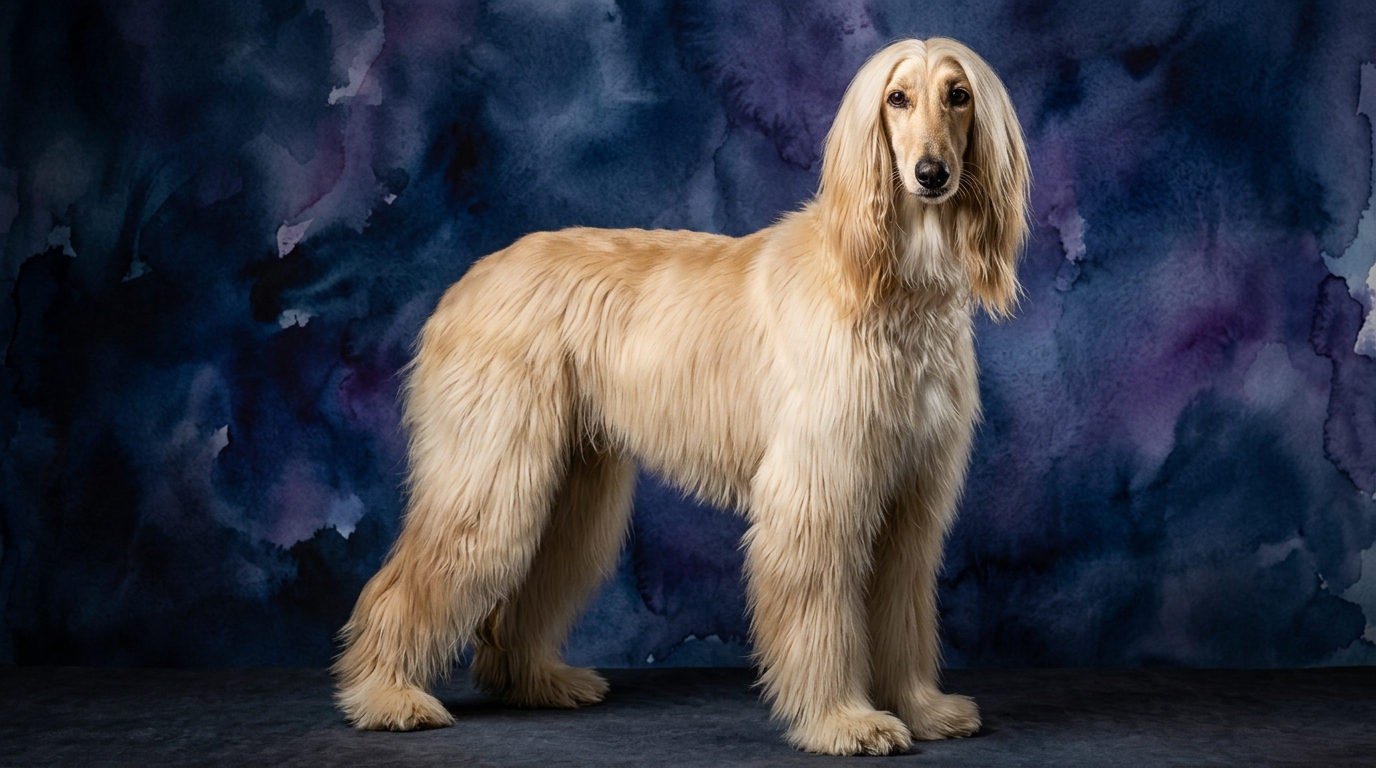
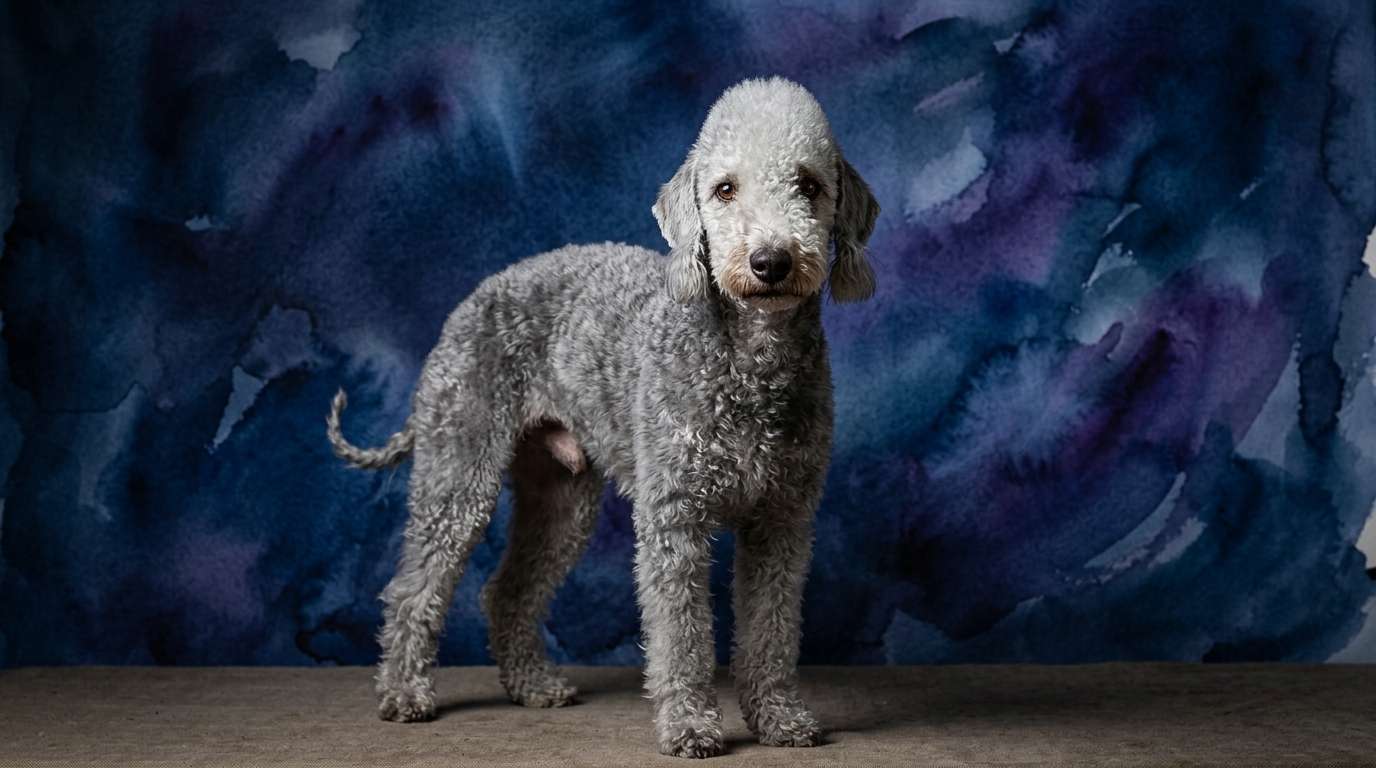
Side-by-Side Cognitive Profiles
**Afghan Hound:** Originating as sighthounds, their cognitive makeup reflects a history of independent hunting. Their **Problem Solving (4/5)** is exceptionally high, indicating a capacity for strategic thought and autonomous decision-making; they can ingeniously devise solutions to reach objectives, often without human direction. **Training Speed (1/5)** is remarkably low, signifying a profound independence where learning commands requires extensive repetition and motivation must align with their inherent desires rather than a strong urge to please. **Social Intelligence (2/5)** points to a reserved nature, forming deep bonds with their chosen few but often remaining aloof or indifferent to strangers. An unparalleled **Instinctive Drive (5/5)** fuels their powerful prey drive and relentless pursuit of perceived targets. Finally, their **Memory (3/5)** is moderate, allowing them to recall routines and associations, though their independent nature often dictates when and how that memory translates into action.
**Bedlington Terrier:** This terrier breed presents a more balanced, cooperative cognitive profile. Their **Problem Solving (3/5)** is practical and effective, allowing them to navigate daily challenges and figure out puzzle toys efficiently, often with a direct approach. **Training Speed (3/5)** is moderate, meaning they generally learn new commands at a reasonable pace, often enjoying the engagement and interaction involved in training sessions. Their **Social Intelligence (3/5)** suggests a greater attunement to human emotions and social cues, fostering stronger integration into family dynamics while still retaining some terrier assertiveness. A moderate **Instinctive Drive (3/5)** means their natural urges for digging and chasing are present but generally more manageable than a sighthound's. Their **Memory (3/5)** is also moderate, contributing to their trainability and their ability to consistently recall expectations and social interactions within the household.
Where the Afghan Hound Excels Cognitively
The Afghan Hound’s cognitive prowess undeniably lies in its capacity for independent thought and unwavering dedication to a goal. Their exceptional problem-solving score of 4/5 means they are masters at devising their own pathways to success, whether it's outsmarting a gate latch or navigating a complex environment to reach a desired spot. This self-directed intelligence, coupled with an unparalleled instinctive drive of 5/5, creates a dog with incredible focus and stamina when pursuing something that aligns with their inherent motivations. They are not merely reactive; they are strategic thinkers, capable of planning and executing elaborate schemes, making them formidable in activities that leverage their natural sighthound abilities like lure coursing, where their independent speed and visual acuity are paramount. Their cognitive strength is in their autonomous execution and relentless pursuit, not in their eagerness to follow human directives.
Where the Bedlington Terrier Wins Cognitively
The Bedlington Terrier's cognitive advantages are most evident in their adaptability and cooperative spirit within a domestic setting. Their moderate training speed of 3/5 signifies a greater willingness to engage with human instruction and learn new behaviors, making the training process a more collaborative endeavor compared to the Afghan Hound. This receptiveness is further supported by their 3/5 social intelligence, indicating a more nuanced understanding of human social cues and a desire for harmonious integration into the family unit. These traits mean Bedlingtons are generally more attuned to their owner's intentions and more inclined to participate in shared activities. Their balanced instinctive drive of 3/5, while still present, is less overwhelming and more amenable to redirection through consistent training, allowing for a more versatile cognitive application across various household and social scenarios.
Training Dynamics: A Tale of Two Temperaments
When it comes to ease of training, the Bedlington Terrier is a distinctly more straightforward prospect than the Afghan Hound. The Bedlington’s training speed of 3/5, combined with their 3/5 social intelligence, means they are typically more receptive to learning and more motivated by positive reinforcement and interaction with their human companions. They often enjoy the challenge of learning new commands and thrive on consistent, engaging training sessions, making the process feel like a partnership.
Conversely, the Afghan Hound's training speed plummets to a challenging 1/5, primarily due to their profound independence and often self-serving motivations. These sighthounds are not inherently driven to please; rather, they operate on their own agenda, driven by an intense instinctive drive of 5/5. This means a command given might be weighed against their current interest, such as spotting a distant movement or catching a captivating scent. Training an Afghan Hound demands extraordinary patience, unwavering consistency, and a deep understanding of their unique psychology, often requiring owners to make training feel like an enticing game or a mutually beneficial negotiation rather than a simple instruction. Realistically, an Afghan Hound may learn a command but choose to obey only when it suits them, a behavioral nuance directly linked to their independent cognitive profile.
Matching Breeds to Lifestyles: Active vs. Engaged Owners
The choice between these two breeds significantly depends on an owner's lifestyle and their readiness to engage with distinct canine cognitive and behavioral demands. The Afghan Hound, with its 5/5 instinctive drive and 4/5 problem-solving ability, absolutely flourishes with highly active and experienced owners. These individuals must be prepared to provide extensive daily exercise, such as long runs or lure coursing, and consistent mental stimulation that respects their independent, strategic minds. They are not suited for truly 'relaxed' owners; rather, they require owners who are proactive in managing a powerful prey drive and who appreciate a dog that will consistently test boundaries with its cleverness and self-will. Owners must be prepared for a consistent, engaging partnership that acknowledges their sighthound’s desire for autonomous action.
In contrast, the Bedlington Terrier, with its more moderate 3/5 instinctive drive and 3/5 problem-solving capacity, can adapt to a broader spectrum of owners, including those who are moderately active. While they certainly require regular exercise and mental engagement to prevent boredom and channel their terrier energy, their needs are generally less intense and more flexible than the Afghan Hound's. Their higher social intelligence and trainability make them more amenable to a structured routine and less prone to independent 'projects' that might challenge a less experienced household. They are well-suited for owners seeking a cooperative companion who enjoys activity but doesn't demand the relentless mental and physical dedication required to truly satisfy a deeply independent sighthound.
The Verdict
Choose the Afghan Hound if you are an experienced, highly active owner who embraces a dog’s profound independence and enjoys the challenge of engaging with a highly driven, strategic thinker. You must be prepared for a consistent negotiation in training and provide ample outlets for their exceptional physical and instinctive needs.
Opt for the Bedlington Terrier if you seek a more cooperative companion with a balanced cognitive profile, offering a more straightforward training experience and adaptable social nature. They are an excellent choice for moderately active owners who appreciate a dog with distinct terrier character but a greater willingness to integrate into family routines.
🧠 Find Your Pet's IQ Score
Our Pet IQ Lab assessment covers 25+ tests across 5 cognitive dimensions — personalized to your breed.
Take the Full IQ Test →Frequently Asked Questions
Are Afghan Hounds truly difficult to train, or just misunderstood?
Afghan Hounds aren't difficult due to lack of ability, but their 1/5 training speed reflects strong independence. They learn best when motivated by their own interests, demanding immense patience and creative, positive reinforcement from an owner who understands their sighthound nature, often making training feel like a negotiation.
What kind of mental stimulation do Bedlington Terriers need to thrive?
Bedlington Terriers, with their 3/5 problem-solving and instinctive drive, benefit greatly from regular mental stimulation such as puzzle toys, obedience training, and scent work. Engaging their natural terrier curiosity and moderate drive through structured activities helps prevent boredom and channels their energy constructively within a family setting.
How do their social intelligence scores impact daily life within a family?
The Afghan Hound's 2/5 social intelligence means they can be reserved, forming deep bonds with family but often aloof with strangers, requiring owners to respect their personal space and independent social choices. The Bedlington Terrier's 3/5 social intelligence generally translates to a more adaptable and engaged family member, more attuned to household dynamics and receptive to social interaction with both family and polite acquaintances.