Side-by-Side IQ Profile: Afghan Hound vs. Bichon Frisé
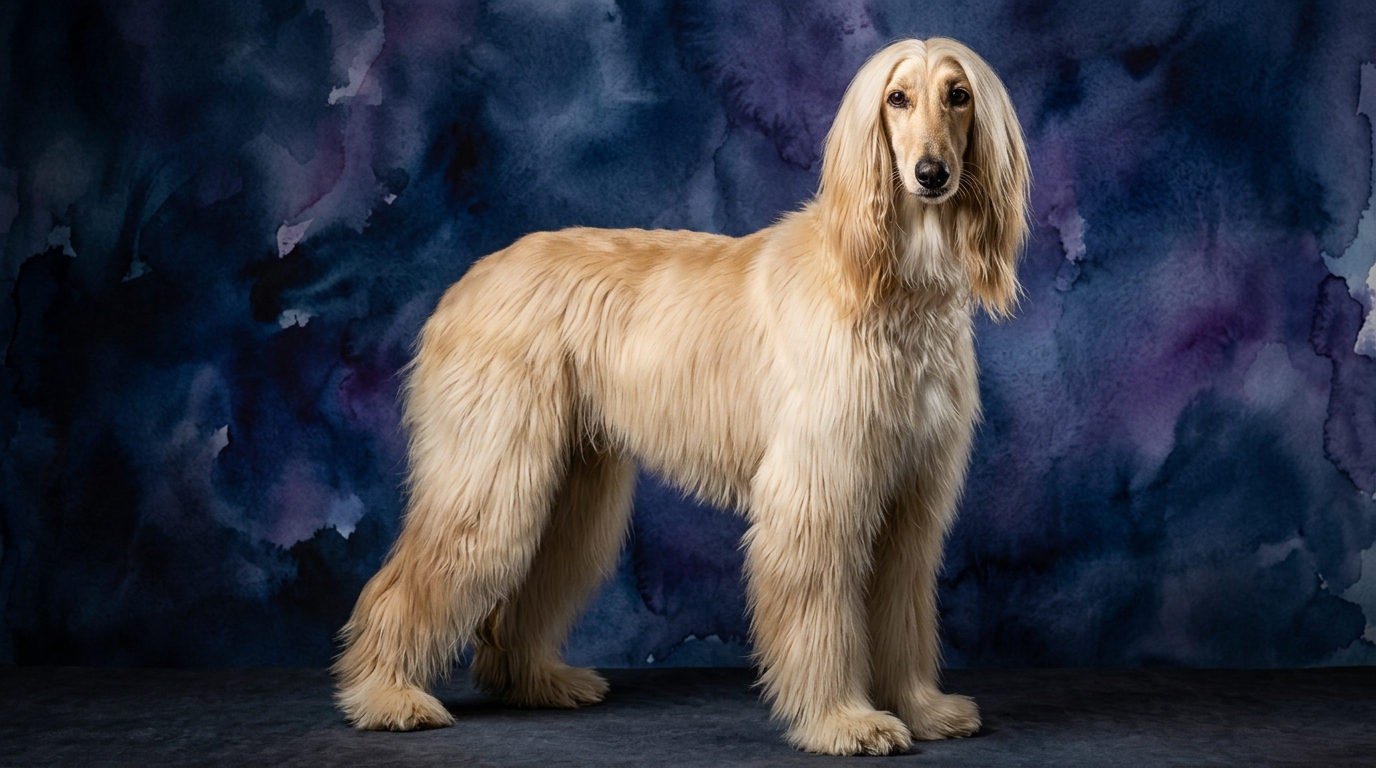
The Afghan Hound, with a Coren ranking of #79, presents a unique cognitive profile shaped by its ancient sighthound heritage. Its problem-solving ability scores a strong 4/5, indicating a capacity for independent thought and finding solutions, particularly when self-motivated. However, its training speed is a notably low 1/5, reflecting a deep-seated independence rather than a lack of capacity. Social intelligence sits at 2/5, suggesting a more reserved and less people-pleasing demeanor. A powerful instinctive drive of 5/5 highlights its strong prey drive and inherent sighthound behaviors, while memory is a solid 3/5, allowing it to retain learned information and experiences.
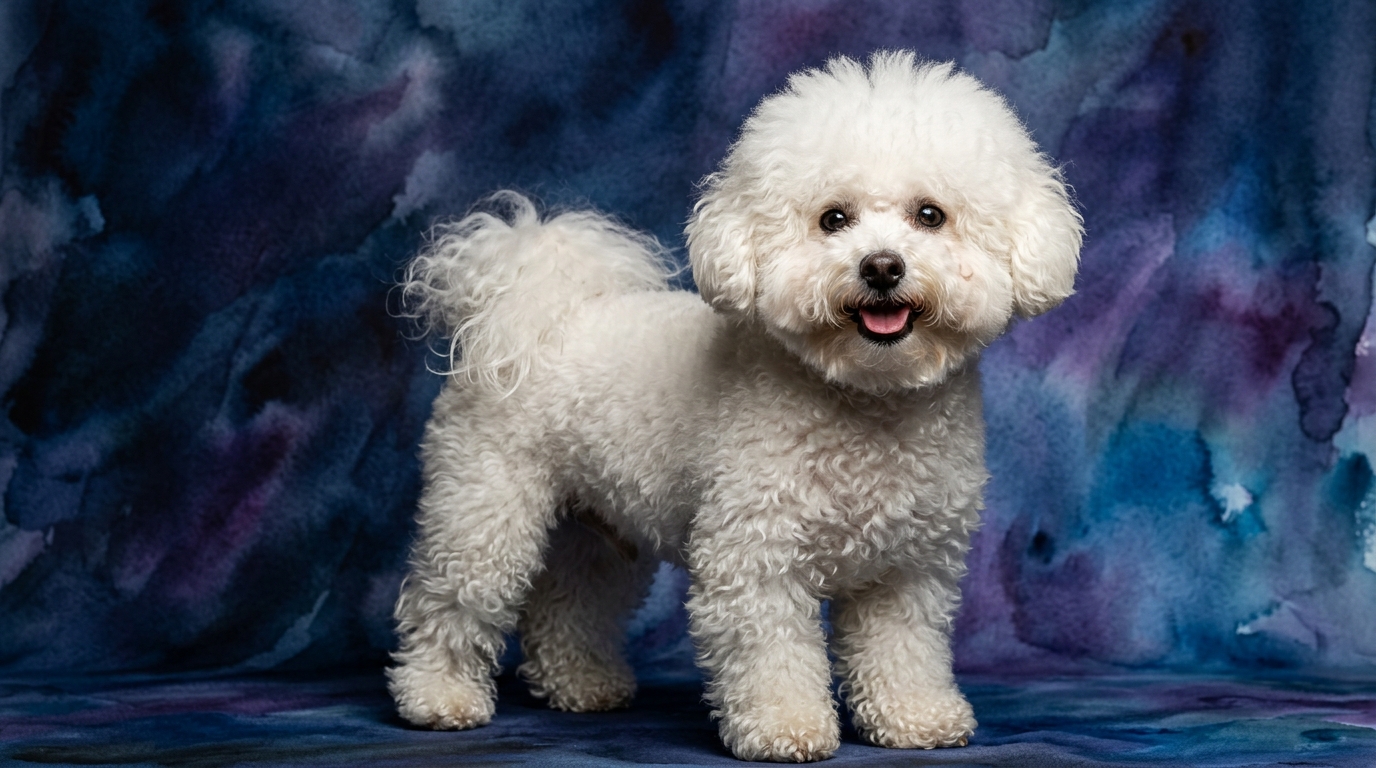
In contrast, the Bichon Frisé, ranked #45 by Coren, demonstrates a different set of cognitive strengths. Its problem-solving score of 3/5 indicates a competent ability to navigate challenges, often with a focus on human interaction. Training speed is a respectable 3/5, showing a willingness and capacity for learning new commands and behaviors at a moderate pace. Where the Bichon truly shines is in social intelligence, scoring an impressive 5/5; this breed is exceptionally attuned to human emotions and social cues. Its instinctive drive is a modest 2/5, meaning less emphasis on primal urges like hunting, and its memory, like the Afghan, is a reliable 3/5.
Where the Afghan Hound Wins Cognitively
The Afghan Hound's cognitive prowess is most evident in its problem-solving and instinctive drive. With a 4/5 in problem-solving, this breed excels at tasks that require independent thought and strategy, especially when those tasks align with its innate motivations. For instance, an Afghan Hound is quite capable of figuring out how to open gates, navigate complex outdoor environments, or outsmart a less-than-secure food container, not out of malice, but driven by curiosity or a strong desire for a reward. This isn't about solving human-contrived puzzles for praise, but rather practical, self-serving problem-solving.
Its 5/5 instinctive drive is another major cognitive strength, reflecting a profound awareness and utilization of its sighthound heritage. This isn't merely a physical attribute; it's a deeply ingrained cognitive program that allows them to process visual stimuli rapidly, track movement over vast distances, and make quick, independent decisions in pursuit scenarios. This translates to an acute environmental awareness and a focused, almost meditative intensity when something captures their attention, demonstrating a specialized intelligence for their original purpose.
Where the Bichon Frisé Wins Cognitively
The Bichon Frisé's standout cognitive strength lies in its exceptional social intelligence, scoring a perfect 5/5. This means the Bichon is profoundly adept at understanding and responding to human emotions, body language, and vocal tones. They can quickly learn to interpret a sigh, a smile, or a shift in posture, adjusting their own behavior to solicit positive interaction or offer comfort. This high social aptitude makes them incredibly responsive companions, capable of forming deep, nuanced bonds and navigating complex household dynamics with grace.
Furthermore, the Bichon's solid 3/5 training speed, combined with its high social intelligence, gives it a distinct advantage in learning and adapting to human environments. While not as fast as some breeds, their willingness to engage and their desire to please their human companions means they absorb new commands and routines effectively. They are quick to understand cause-and-effect in social contexts, learning which behaviors lead to desired attention or rewards, making them highly receptive to positive reinforcement training methods and shaping their conduct to fit household expectations.
Which is Easier to Train and Why
When it comes to ease of training, the Bichon Frisé holds a clear advantage over the Afghan Hound. The Bichon’s 3/5 training speed and remarkable 5/5 social intelligence mean they are typically eager to learn and highly motivated by human interaction and praise. They thrive on positive reinforcement and will readily offer behaviors that earn them attention or treats, making them responsive to a variety of training methods. Their inherent desire to be a part of the family unit and their sensitivity to human cues mean they often pick up household rules and basic commands with relative ease, seeking to please their owners.
Conversely, the Afghan Hound's 1/5 training speed reflects a profound independence and a strong sense of self-will, rather than a lack of cognitive ability. Training an Afghan requires immense patience, creativity, and a deep understanding of their sighthound nature. They are not easily swayed by repetitive drills or a strong desire to please; instead, they need compelling reasons, often involving high-value rewards or engaging, game-like sessions that tap into their problem-solving skills. Their lower social intelligence (2/5) means they are less inclined to adjust their behavior simply for human approval, demanding a different, more nuanced approach to training that respects their individualistic spirit and strong instinctive drives.
Which Suits Active Owners vs. Relaxed Owners
For active owners, especially those who appreciate a dog with a strong independent streak and a need for significant physical exercise, the Afghan Hound is a compelling choice. Their 5/5 instinctive drive means they require outlets for their natural sighthound behaviors, such as running in secure, expansive areas or participating in lure coursing. Owners who enjoy long, brisk walks, jogging, or have access to large, fenced properties will find their energy levels and physical stamina a match. Their problem-solving acumen also means they benefit from mental stimulation that challenges their independent thinking, making them suitable for owners who can provide engaging activities beyond simple obedience.
The Bichon Frisé, with its moderate instinctive drive (2/5) and high social intelligence (5/5), is generally better suited for more relaxed owners who prioritize companionship and indoor activities. While they do enjoy playtime and daily walks, their exercise needs are far less intense than the Afghan Hound's. They thrive on consistent human interaction, cuddle time, and being an integral part of family life. Owners who prefer a dog that is highly adaptable to various living situations, enjoys being close to their people, and is content with moderate daily activity will find the Bichon Frisé to be an ideal, affectionate companion.
The Verdict
Choose an Afghan Hound if you are an experienced owner seeking an independent, elegant companion with a strong athletic drive, prepared for consistent, creative training and a dog that makes its own decisions.
Opt for a Bichon Frisé if you desire a highly social, adaptable, and affectionate companion who thrives on human interaction and is relatively easier to train, fitting well into a more relaxed household.
🧠 Find Your Pet's IQ Score
Our Pet IQ Lab assessment covers 25+ tests across 5 cognitive dimensions — personalized to your breed.
Take the Full IQ Test →Frequently Asked Questions
Does the Afghan Hound's low training speed mean it cannot be trained?
No, the Afghan Hound's 1/5 training speed reflects its independent nature, not an inability to learn. Training requires patience, high motivation, and engaging methods that appeal to its problem-solving skills and strong instinctive drives, rather than rote obedience.
How does the Bichon Frisé's high social intelligence manifest in daily life?
The Bichon's 5/5 social intelligence means it is highly attuned to human emotions and cues. They often anticipate needs, offer comfort, and adapt their behavior to maintain harmony, making them exceptionally empathetic and responsive companions in a family setting.
Are Afghan Hounds good with children, given their social intelligence score?
Afghan Hounds, with a 2/5 social intelligence, tend to be more reserved and independent. While they can coexist peacefully with respectful children, they are less likely to seek out playful interaction or tolerate boisterous behavior compared to a breed with higher social aptitude, requiring careful supervision and training.