Side-by-Side IQ Profile: Afghan Hound vs. Greater Swiss Mountain Dog
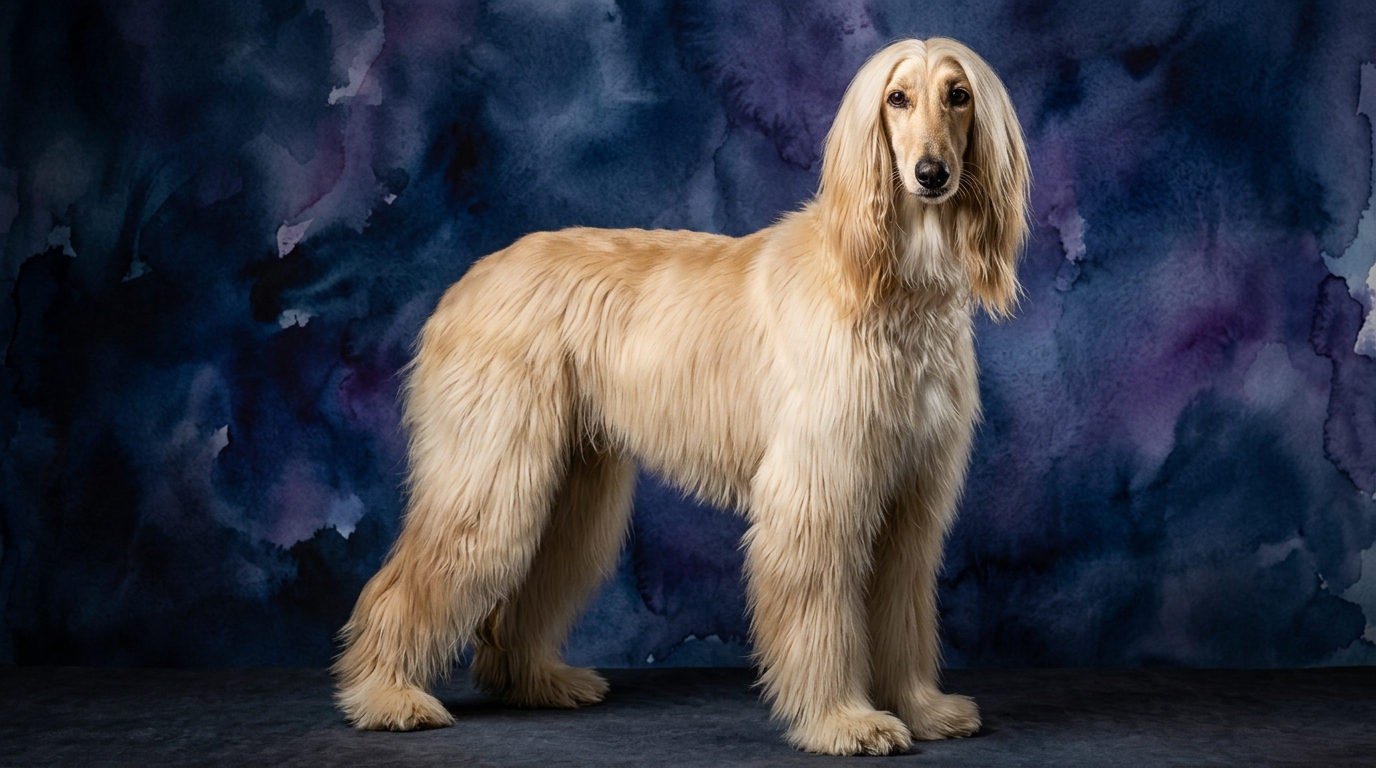
The Cosmic Pet Pet IQ Lab employs five key dimensions to evaluate canine intelligence, offering a nuanced view beyond simple obedience. For the Afghan Hound, a breed ranked #79 on the Coren scale, we observe a Problem Solving score of 4/5, indicating a strong capacity for independent thought and creative solutions. However, its Training Speed is a challenging 1/5, reflecting a deep-seated independence that often prioritizes self-will over human directives. Social Intelligence stands at 2/5, suggesting a reserved nature and less reliance on human social cues. Its Instinctive Drive is exceptionally high at 5/5, a testament to its sighthound heritage and powerful prey drive, while Memory is a moderate 3/5, sufficient for retaining information relevant to its interests.
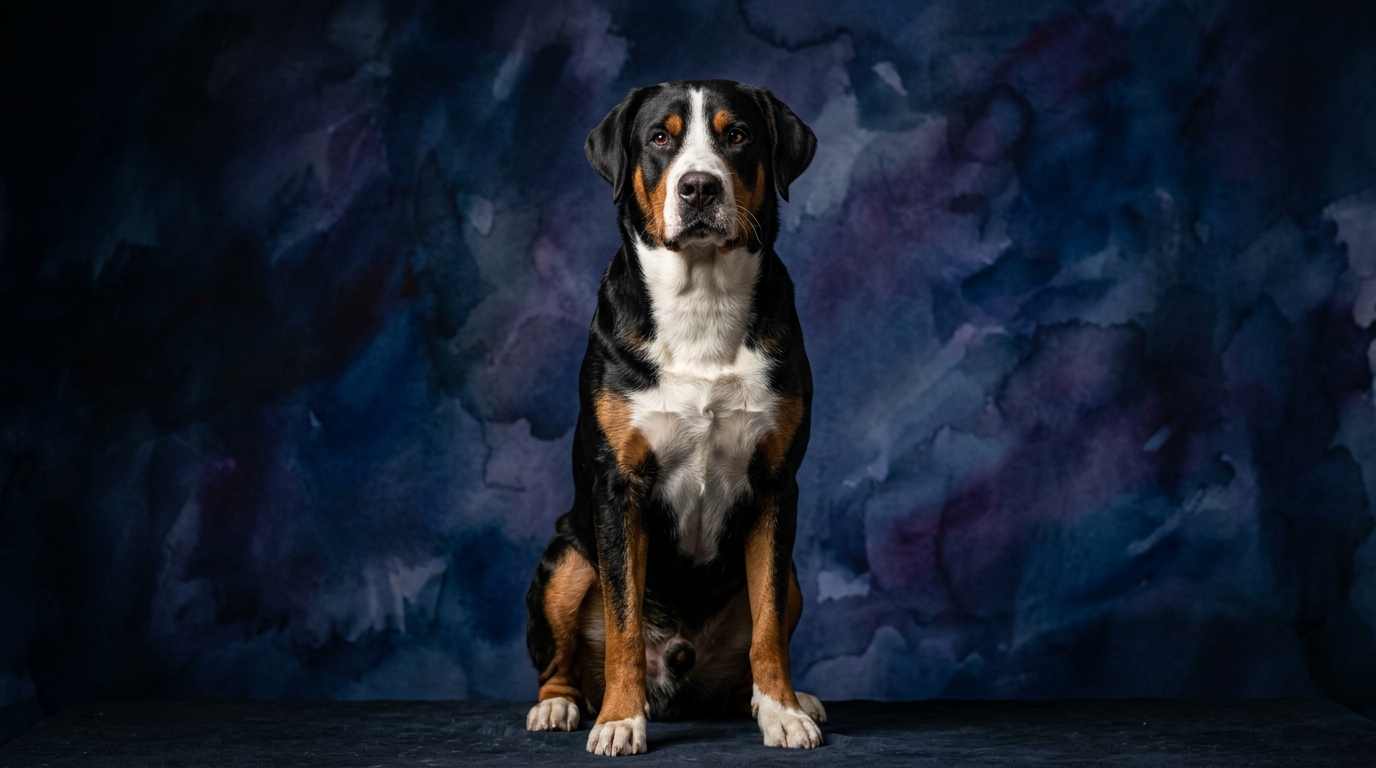
In contrast, the Greater Swiss Mountain Dog (GSMD), while not Coren-ranked, presents a more balanced cognitive profile. Its Problem Solving ability is rated 3/5, demonstrating practical intelligence in navigating tasks and situations. Training Speed is a solid 3/5, indicating a willingness to learn and a more cooperative temperament compared to the Afghan. Social Intelligence also scores 3/5, reflecting a generally outgoing and family-oriented disposition, capable of understanding and engaging with human social dynamics. Instinctive Drive is moderate at 3/5, rooted in its working dog history but generally more manageable. Finally, Memory is also a balanced 3/5, allowing for effective retention of training and routines.
Where the Afghan Hound Excels Cognitively
The Afghan Hound truly shines in its capacity for independent problem-solving, scoring an impressive 4/5. Unlike breeds that might instinctively look to their human for direction, the Afghan Hound is adept at assessing situations and devising its own solutions, a trait honed over centuries of hunting game without direct human command. This manifests as a resourceful and clever approach to obstacles, whether it's finding the most efficient path around a barrier or outsmarting a puzzle toy designed for less perceptive canines. Furthermore, their instinctive drive, rated at a powerful 5/5, is unparalleled; this isn't just about chasing, but an intrinsic, finely tuned awareness of their environment, an acute perception of movement, and an unwavering focus on their primary drive. This exceptional drive, while challenging for owners, is a testament to their cognitive specialization, allowing them to excel in tasks requiring intense focus and an almost primal understanding of their surroundings, such as lure coursing.
Where the Greater Swiss Mountain Dog Holds the Edge
The Greater Swiss Mountain Dog's cognitive strengths lie in its balanced and cooperative nature, particularly evident in its training speed and social intelligence, both scoring 3/5. While not possessing the Afghan's specialized independent problem-solving, the GSMD's moderate training speed signifies a dog that is generally eager to engage with its human companions and absorb new commands at a steady pace, making the learning process a more collaborative experience. This contrasts sharply with the Afghan's 1/5 training speed, highlighting the Swissy's greater amenability to structured instruction. Additionally, their 3/5 social intelligence means they are typically more attuned to human emotional states and social dynamics, fostering a stronger, more intuitive bond with their family members. This balanced profile suggests a canine mind that is adaptable and well-rounded, capable of fulfilling various roles within a human household with greater ease and willingness to participate.
Training Dynamics: Which Breed is More Amenable to Instruction?
Without question, the Greater Swiss Mountain Dog is significantly easier to train than the Afghan Hound, a distinction clearly highlighted by their respective Training Speed scores: 3/5 for the Swissy versus a challenging 1/5 for the Afghan. The GSMD's moderate training speed indicates a cooperative spirit; they generally want to please their owners and respond well to consistent, positive reinforcement. This means they are more likely to quickly grasp commands, perform them reliably, and enjoy the collaborative process of learning new behaviors. In contrast, the Afghan Hound's extremely low training speed stems from its profound independence and sighthound heritage, where self-reliance was paramount. They often view commands as suggestions rather than directives, preferring to follow their own instincts or interests. Teaching an Afghan Hound requires immense patience, creativity, and an understanding that their motivation often comes from within, not from a desire to comply. Their strong instinctive drive (5/5) can easily override any learned behavior if a more compelling stimulus, like a squirrel, appears, making consistent recall particularly difficult and requiring secure environments.
Matching Canine Minds to Owner Lifestyles
The choice between these two breeds largely depends on an owner's lifestyle and their approach to canine companionship. Active owners seeking a dog for independent adventure and a unique cognitive challenge might find the Afghan Hound a compelling match. Their exceptional instinctive drive (5/5) and high problem-solving capacity (4/5) mean they thrive on mentally stimulating activities that allow them to use their senses and make their own decisions, such as lure coursing, long off-leash runs in securely fenced areas, or complex scent games that engage their keen perception. However, their low training speed (1/5) means 'active' for an Afghan often translates to activities where they can be themselves, rather than highly structured, command-driven sports; they are thinkers and doers on their own terms. For owners who prefer a more relaxed approach to training but still want an engaged, capable companion, the Greater Swiss Mountain Dog is often a better fit. With balanced scores across the board (3/5 for most metrics), the GSMD is adaptable; they enjoy regular exercise, hikes, and family activities, but their moderate instinctive drive and higher training speed mean they are generally more content to participate in structured activities and respond reliably to commands. They are active in a cooperative sense, making them suitable for owners who enjoy consistent engagement without the constant negotiation an Afghan Hound often requires.
The Verdict
Choose the Afghan Hound if you are an experienced, patient owner who appreciates an independent, deeply instinctual canine mind and is prepared for a dog that consistently thinks for itself rather than seeking instruction. This breed thrives with owners who can provide outlets for its strong drives and unique problem-solving skills without expecting strict obedience.
Opt for the Greater Swiss Mountain Dog if you desire a cooperative, versatile companion who is generally biddable, enjoys being part of family activities, and is easier to train for various roles, offering a balanced intelligence that adapts well to a moderately active household.
🧠 Find Your Pet's IQ Score
Our Pet IQ Lab assessment covers 25+ tests across 5 cognitive dimensions — personalized to your breed.
Take the Full IQ Test →Frequently Asked Questions
Is the Afghan Hound truly difficult to train?
Yes, the Afghan Hound's training speed is rated 1/5, indicating significant challenges due to their independent nature and preference for following their own instincts over human commands. Patience, positive reinforcement, and understanding their sighthound heritage are crucial for success, often requiring alternative training approaches.
How does the Greater Swiss Mountain Dog's social intelligence manifest?
With a 3/5 social intelligence score, the Greater Swiss Mountain Dog typically forms strong bonds with its family, is attuned to human emotions, and enjoys being an integrated part of the household. They are generally outgoing and sociable, making them good family companions who appreciate inclusion.
Which breed needs more mental stimulation?
While both breeds benefit from mental engagement, the Afghan Hound's high problem-solving (4/5) and intense instinctive drive (5/5) suggest a need for activities that challenge their independent thought and natural hunting behaviors, often requiring creative outlets beyond basic obedience. The GSMD's stimulation needs are more balanced and can often be met through training and family interaction.