Side-by-Side IQ Profile
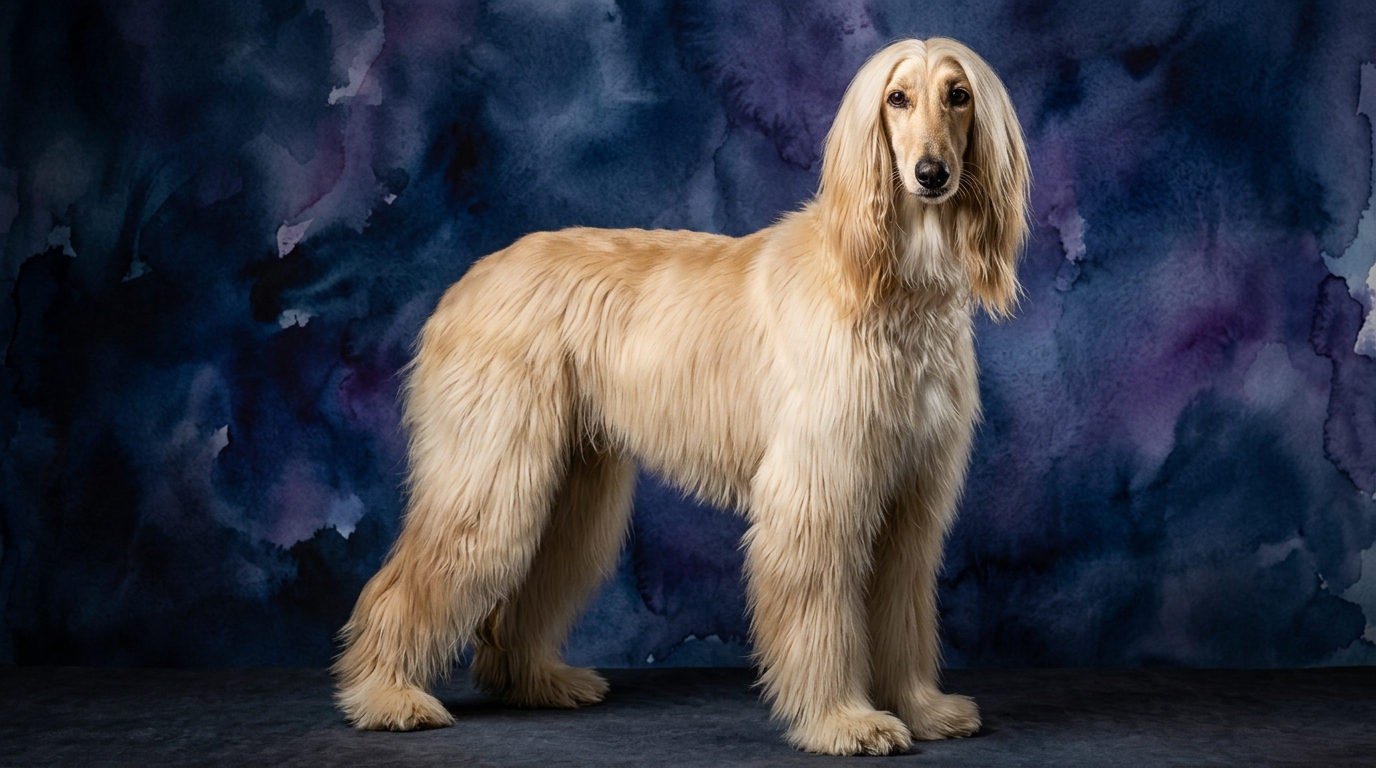
**Afghan Hound (Hound Group)**
**Problem Solving (4/5):** This breed demonstrates a strong capacity for independent thought and strategic thinking, likely honed over centuries of hunting game across varied terrains without constant human direction. They can assess complex situations, such as navigating obstacles or outmaneuvering prey, and devise solutions on their own. This cognitive strength allows them to operate autonomously, often making decisions that appear self-serving but are rooted in their inherent drive to achieve a goal or explore their environment.
**Training Speed (1/5):** Learning new commands or routines is an exceptionally slow process for the Afghan Hound. Their independent nature often means they prioritize their own impulses, desires, or immediate environmental stimuli over human directives. Repetitive training sessions can be particularly challenging, requiring immense patience and creative motivation to hold their attention and encourage compliance, as they may quickly become bored or simply choose not to participate.
**Social Intelligence (2/5):** Afghan Hounds tend to be less attuned to subtle human social cues and emotional states compared to many other breeds. Their interactions are often on their own terms, and they may not actively seek to understand or respond to complex human expectations. This can manifest as an aloofness or a seeming disinterest in elaborate social rituals, preferring a more detached and dignified companionship.
**Instinctive Drive (5/5):** Possessing an exceptionally strong and deeply ingrained prey drive, the Afghan Hound is profoundly guided by its primal instincts. This manifests as an intense urge to chase, hunt, and explore, a core part of their cognitive makeup that shapes much of their behavior and perception of the world. This drive is a powerful, almost constant motivator, making them highly alert to movement and distant stimuli.
**Memory (3/5):** Their memory is moderate. They can recall experiences, learned behaviors, and familiar individuals or locations, but perhaps not with the precision or long-term retention seen in breeds specifically bred for complex, multi-stage tasks or intricate social problem-solving. They remember what serves their interests or directly impacts their well-being.
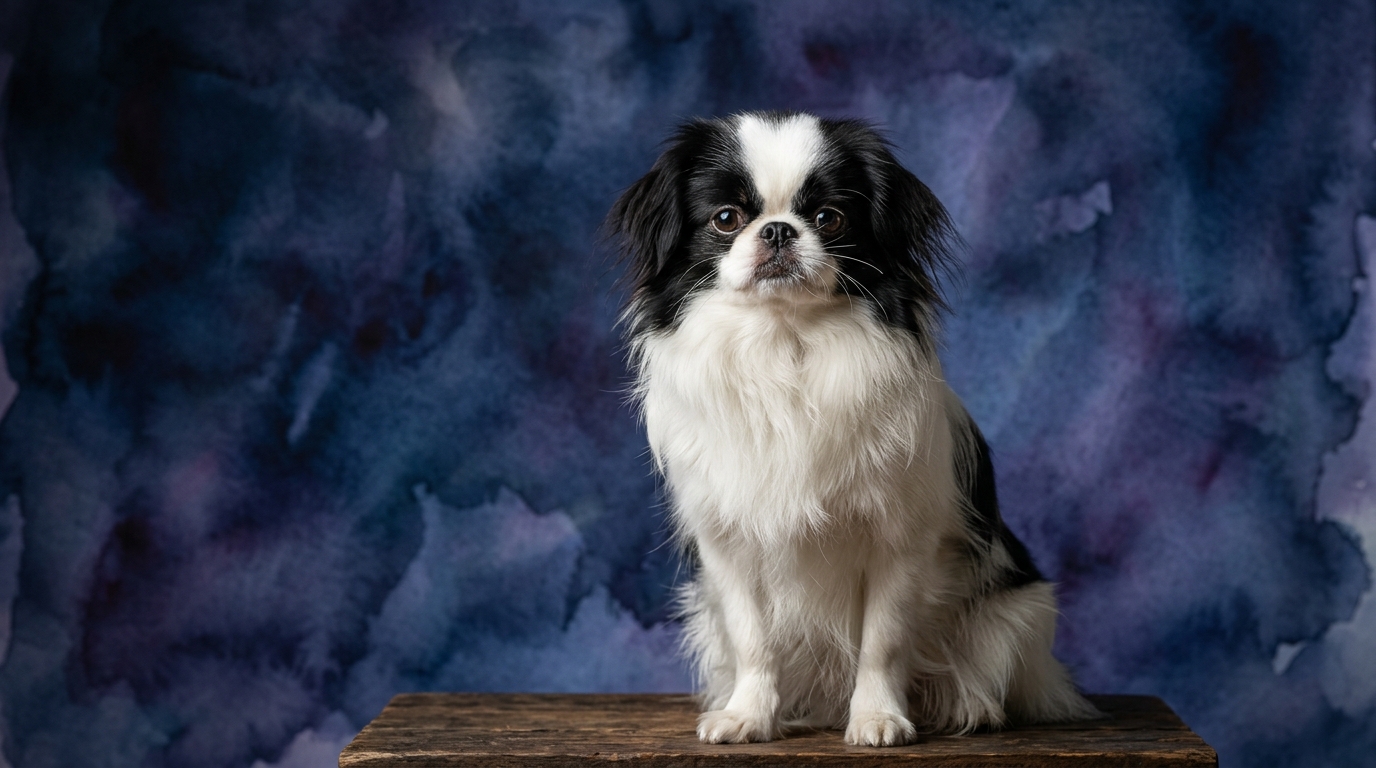
**Japanese Chin (Toy Group)**
**Problem Solving (3/5):** The Japanese Chin exhibits an average ability to figure out novel situations or puzzles. They can adapt to new challenges and learn through observation and experience, though they may not independently seek out complex cognitive tasks with the same intense curiosity or persistence as some working breeds. They are capable of understanding cause and effect within their environment but may rely on human guidance for more intricate solutions.
**Training Speed (3/5):** This breed learns new commands and routines at a moderate, steady pace. They are generally willing to engage with training activities, and their desire for companionship often translates into a reasonable receptiveness to instruction. This makes them teachable companions who can master basic obedience and even some tricks with consistent, positive reinforcement.
**Social Intelligence (3/5):** Japanese Chins show an average level of understanding and responsiveness to human social cues. They are typically sensitive to their owner's moods and intentions, often seeking interaction, comfort, or play based on human signals. This makes them endearing and communicative companions who thrive on close bonds and reciprocal social engagement.
**Instinctive Drive (3/5):** Their instinctive drives are moderate. While they retain natural canine behaviors like chasing small objects or exploring, these urges are typically not overwhelming or disruptive. Their prey drive is manageable, and they are generally not driven by intense urges to hunt, patrol, or guard, making them calmer and more adaptable to a domestic environment.
**Memory (3/5):** Like their problem-solving and social intelligence, the Japanese Chin's memory is average. They can reliably remember routines, people, and past experiences, contributing to their adaptability and ability to form lasting bonds and anticipate daily events. This allows them to quickly settle into a household rhythm.
Where Afghan Hound Wins Cognitively
The Afghan Hound clearly excels in independent problem-solving, scoring a 4/5 compared to the Japanese Chin's 3/5. This proficiency stems directly from their historical role as sighthounds, requiring them to make rapid, self-directed decisions in pursuit of swift game over vast distances, often out of sight from their human handlers. This means an Afghan Hound is more likely to devise its own strategies to achieve a desired outcome, whether it's navigating a complex, unfamiliar environment, figuring out how to bypass a barrier, or accessing a forbidden treat, all without relying on immediate human direction. Their exceptionally high instinctive drive, rated 5/5 against the Chin's 3/5, also represents a profound cognitive strength, albeit one that requires careful management in a domestic setting. This intense drive reflects a deeply ingrained capacity for focused, sustained pursuit, an acute awareness of their environment for potential 'prey,' and an unwavering commitment to their primal objectives. While challenging for owners due to its intensity, this drive is a testament to a powerful, specialized form of canine intellect geared towards specific, ancient tasks, making them uniquely adept at activities that tap into their innate hunting prowess, such as lure coursing.
Where Japanese Chin Wins Cognitively
The Japanese Chin exhibits a clear cognitive advantage in areas that foster harmonious and adaptable living with humans. With a training speed of 3/5 compared to the Afghan Hound's 1/5, the Chin is significantly more receptive to learning new commands and routines. This difference isn't just about the pace of learning; it reflects a greater willingness to engage with human instruction and a potentially higher motivation to please or cooperate, making training a more rewarding experience for both dog and owner. Their social intelligence, rated 3/5 against the Afghan Hound's 2/5, further enhances their capacity for companionship and integration into a family. A Japanese Chin is generally more attuned to the nuances of human emotion, body language, and communication, making them more responsive to subtle cues from their owners. This means they are more likely to seek out and understand human interaction, adapting their behavior to fit into a domestic setting more seamlessly, often anticipating needs or offering comfort. Their moderate instinctive drive (3/5) also contributes significantly to this advantage, as their natural impulses are less likely to override their learned behaviors or social considerations, leading to a more consistently predictable and adaptable companion who prioritizes interaction over independent pursuit.
Which Is Easier to Train and Why
Without question, the Japanese Chin is the easier breed to train. Their moderate training speed (3/5) indicates a readiness to absorb information and respond to cues, especially when positive reinforcement is used. This contrasts sharply with the Afghan Hound's extremely low training speed (1/5), which often translates into a perceived stubbornness. The Afghan Hound's independent problem-solving nature and exceptionally high instinctive drive (5/5) mean they are hardwired to think for themselves and follow their own powerful impulses rather than human directives. For example, an Afghan Hound might see an open gate as an opportunity for an exhilarating chase, completely disregarding a 'stay' command, whereas a Japanese Chin is more likely to prioritize the human instruction. Furthermore, the Japanese Chin's slightly higher social intelligence (3/5 vs. 2/5) means they are generally more invested in understanding and responding to their owner's wishes, making the training process a collaborative effort rather than a constant negotiation. Afghan Hounds require immense patience, creativity, and a deep understanding of their sighthound mentality to achieve consistent results, often needing motivation that taps into their prey drive rather than simple obedience.
Which Suits Active Owners vs. Relaxed Owners
The Afghan Hound, with its profound instinctive drive (5/5) and independent problem-solving (4/5), is inherently suited for active owners. These dogs require substantial physical exercise, not just a casual walk, but opportunities to run at speed, ideally in a secure area where their prey drive won't lead them astray. Their mental makeup thrives on engagement that challenges their independent nature, perhaps through lure coursing or activities that mimic their ancestral hunting role. An active owner who understands and respects this breed's need for physical and mental stimulation will find a loyal, if somewhat aloof, companion. Conversely, the Japanese Chin, with its moderate drives across the board (3/5 for problem-solving, training speed, social intelligence, and instinctive drive), is an ideal match for more relaxed owners. While they enjoy play and regular walks, their needs are less demanding. Their moderate social intelligence makes them content with quiet companionship, and their lower instinctive drive means they are generally less prone to chasing or exhibiting intense predatory behaviors. A relaxed owner who appreciates a charming, adaptable companion for indoor living and gentle outdoor excursions will find the Japanese Chin to be a perfect fit, requiring less intense physical exertion and mental management.
The Verdict
Opt for the Afghan Hound if you are an experienced, active owner seeking an independent, majestic companion and are prepared for significant training challenges and a powerful, instinct-driven personality.
Choose the Japanese Chin if you desire a charming, adaptable companion for a relaxed lifestyle, valuing moderate trainability and a more socially attuned, less intensely driven personality.
🧠 Find Your Pet's IQ Score
Our Pet IQ Lab assessment covers 25+ tests across 5 cognitive dimensions — personalized to your breed.
Take the Full IQ Test →Frequently Asked Questions
Is an Afghan Hound difficult to live with?
Afghan Hounds can be challenging due to their extreme independence and high prey drive. They require consistent, patient training, extensive exercise, and a secure environment to prevent them from pursuing perceived prey.
Do Japanese Chins need a lot of exercise?
Japanese Chins have moderate exercise needs. Daily walks and indoor play are usually sufficient to keep them content, making them well-suited for apartment living or owners with a less active lifestyle.
Which breed is better with children?
The Japanese Chin, with its average social intelligence and moderate drives, is generally more adaptable and patient with respectful children. Afghan Hounds can be tolerant but their independence and aloofness mean they may prefer quieter interactions or older, more considerate children.