The Cosmic Pet Pet IQ Lab: Afghan Hound vs. Keeshond – A Cognitive Profile
At The Cosmic Pet Pet IQ Lab, we analyze canine cognition across five key dimensions: problem-solving, training speed, social intelligence, instinctive drive, and memory. This framework allows us to objectively compare breeds, revealing the nuanced ways their minds operate. Today, we turn our attention to two breeds with vastly different ancestral roles and, consequently, unique cognitive blueprints.
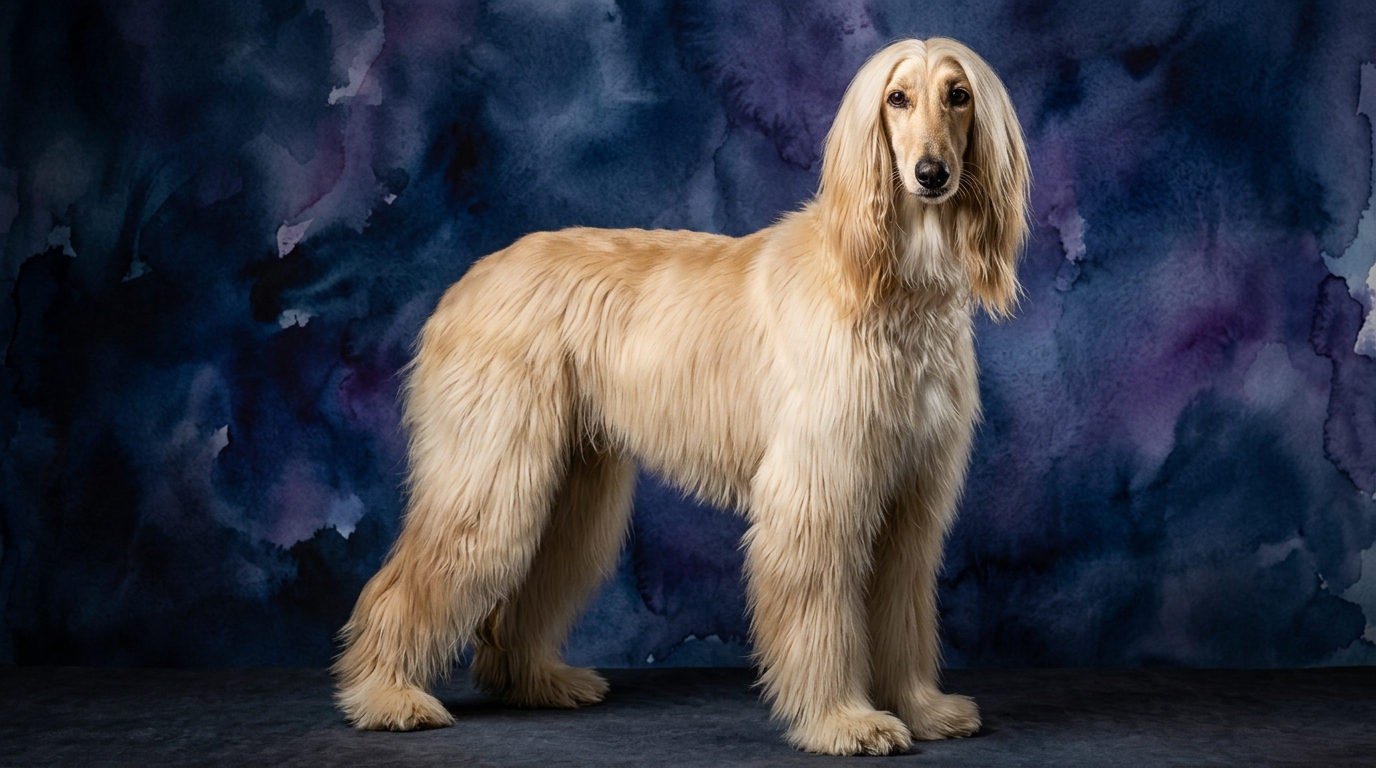
The Afghan Hound, a sighthound originating from the mountains of Afghanistan, ranks #79 on the Coren scale, reflecting its independent nature. Its Pet IQ Lab profile shows strong problem-solving (4/5) and an exceptional instinctive drive (5/5), but a lower training speed (1/5), moderate memory (3/5), and a more reserved social intelligence (2/5). This combination paints a picture of a clever, self-reliant hunter.
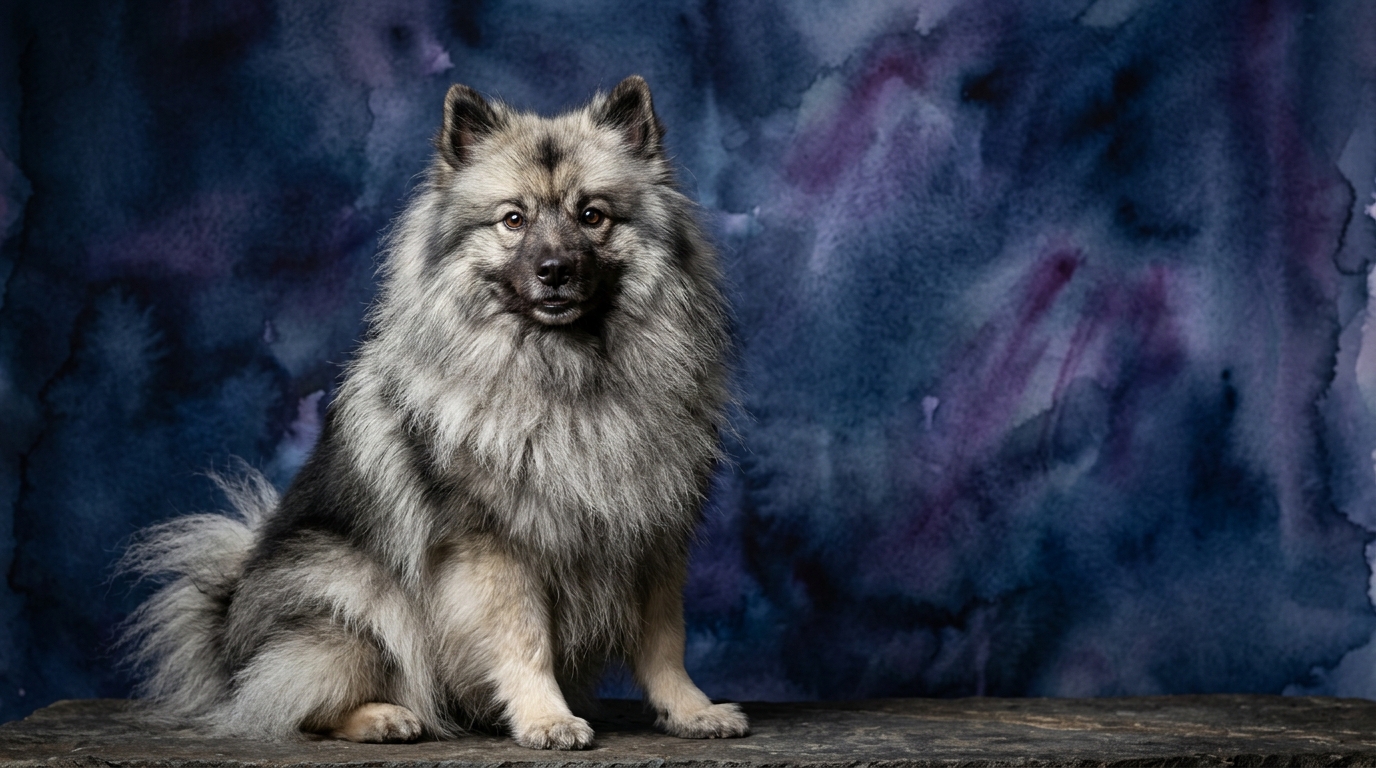
In stark contrast, the Keeshond, a Spitz-type dog from the Netherlands, ranks #16 on the Coren scale, indicating a high capacity for obedience and responsiveness. Its Pet IQ Lab scores reveal excellent training speed (4/5) and outstanding memory (5/5), paired with good problem-solving (4/5), a balanced instinctive drive (3/5), and solid social intelligence (3/5). This breed's profile suggests a highly adaptable and attentive companion.
Where the Afghan Hound's Mind Shines Brightest
The Afghan Hound’s cognitive strengths are deeply rooted in its heritage as an independent hunter. Its problem-solving ability, rated 4 out of 5, is often manifested in self-directed strategies. These dogs are adept at figuring out how to navigate complex environments or bypass obstacles to reach a desired objective, typically without direct human guidance.
This problem-solving prowess is intrinsically linked to their exceptional instinctive drive, scoring a perfect 5 out of 5. For an Afghan Hound, this drive translates into an unwavering focus on pursuing what captures their attention, whether it's a visual lure in the distance or a scent trail. They possess a persistent mental tenacity to achieve their self-appointed goals, often requiring them to creatively overcome challenges.
Their cognitive triumphs are less about pleasing humans and more about successfully executing their own agenda. An Afghan Hound might brilliantly devise a way to open a gate or access a forbidden treat, demonstrating a cleverness that aligns with their original purpose of ranging far from their handler to chase prey, relying on their own wits to succeed.
The Keeshond's Cognitive Edge
The Keeshond excels in areas that prioritize cooperation and retention, standing out with its superior training speed (4/5) and outstanding memory (5/5). Unlike the Afghan Hound, the Keeshond's cognitive framework is geared towards absorbing and recalling information efficiently, making them highly receptive to structured learning and consistent routines.
Their exceptional memory allows them to retain a vast repertoire of commands, tricks, and household rules over extended periods. This means once a Keeshond learns something, it tends to stick, enabling them to build upon previous lessons and perform complex sequences with impressive accuracy. This mental faculty significantly streamlines the training process and daily interactions.
Furthermore, the Keeshond's solid social intelligence (3/5) gives them an advantage in understanding and responding to human cues and emotional states. They are more attuned to their human companions, translating into a greater willingness to engage in shared activities and a quicker grasp of what is expected of them within a social context, enhancing their adaptability in a family setting.
Training Dynamics: A Tale of Two Temperaments
When it comes to training, the cognitive profiles of these two breeds diverge significantly, impacting the owner's experience. The Keeshond, with its training speed of 4/5 and social intelligence of 3/5, is generally considered a more straightforward and rewarding student, eager to engage and quick to pick up new lessons.
The Keeshond’s readiness to learn stems from a combination of factors: their strong desire to be involved with their families, their ability to read human intentions, and their excellent memory for commands. They thrive on positive reinforcement, quickly associating actions with rewards and retaining those associations, which makes them responsive and reliable in obedience tasks.
Conversely, the Afghan Hound presents a distinct challenge. Their training speed of 1/5 and social intelligence of 2/5 indicate a dog that is less inclined to take direction and more focused on its own motivations. While they possess problem-solving skills, these are often applied to independent pursuits rather than complying with human requests, requiring immense patience and creative, consistent motivation from trainers.
Matching Minds to Lifestyles: Active vs. Relaxed Owners
The Afghan Hound, with its powerful instinctive drive (5/5) and problem-solving aptitude (4/5), thrives with owners who can provide outlets for these inherent qualities. They are not content with mere strolls; they require purposeful activity that engages both their bodies and their sharp, independent minds, often involving opportunities to run freely in secure environments.
An ideal owner for an Afghan Hound understands and respects their independent spirit. This individual is prepared to offer consistent, engaging training that appeals to the hound’s natural instincts, perhaps through lure coursing or long, vigorous walks in areas where they can safely stretch their legs. They appreciate a companion who thinks for themselves and is not always eager to please.
The Keeshond, characterized by its balanced instinctive drive (3/5) and good social intelligence (3/5), is better suited for owners seeking a more integrated and responsive companion. While they enjoy activity, their needs are less about intense, independent pursuit and more about shared experiences and companionship within the family unit.
A Keeshond flourishes with an owner who enjoys consistent positive reinforcement training, values a dog that remembers lessons, and appreciates a companion who is attentive to family life. They thrive on regular interaction, moderate daily exercise, and engaging mental challenges like puzzle toys or learning new tricks, fitting well into a variety of household dynamics without demanding extreme physical exertion.
The Verdict
Choose the Afghan Hound if you appreciate an independent, visually driven companion who excels at self-directed problem-solving and you are prepared for a consistent, patient training journey.
Opt for the Keeshond if you seek a highly trainable, socially attuned dog with an excellent memory, eager to learn and integrate seamlessly into family life.
🧠 Find Your Pet's IQ Score
Our Pet IQ Lab assessment covers 25+ tests across 5 cognitive dimensions — personalized to your breed.
Take the Full IQ Test →Frequently Asked Questions
Is the Afghan Hound truly difficult to train?
The Afghan Hound's lower training speed and strong independent drive mean they require more patience and creative motivation than many breeds, often understanding commands but choosing whether to comply. Their training is more about negotiation and building a strong bond, rather than simple rote learning.
Do Keeshonds need a lot of mental stimulation?
Keeshonds benefit greatly from mental stimulation, thanks to their high memory and good problem-solving skills; regular training, puzzle toys, and social interaction keep their minds engaged and prevent boredom. They enjoy learning new things and being part of family activities, thriving on consistent cognitive engagement.
Which breed is better with children?
While individual temperament varies, Keeshonds, with their higher social intelligence and eagerness to please, generally adapt more readily to family dynamics and are often more tolerant and playful companions for children. Afghan Hounds, being more independent, may require more careful supervision and boundaries in multi-child households, preferring quieter interactions.