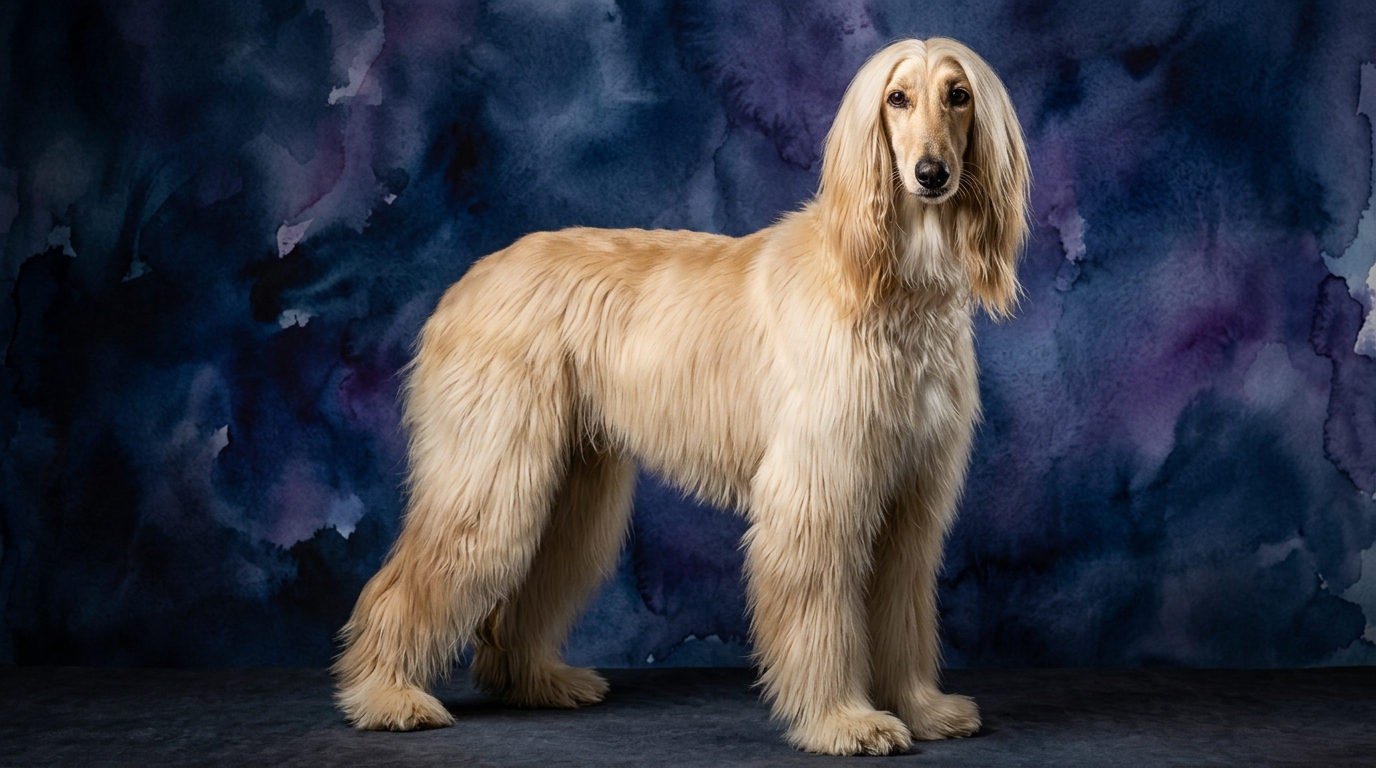
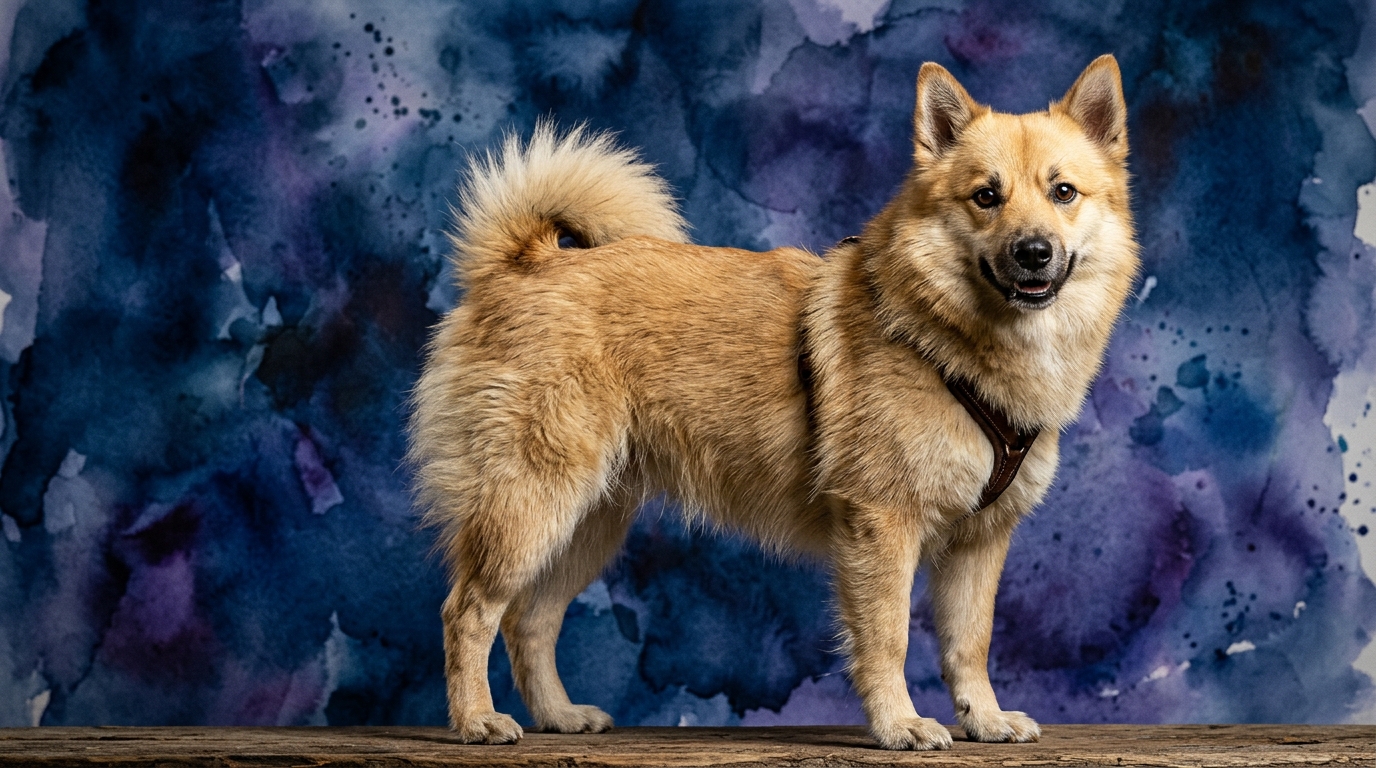
Side-by-Side Cognitive Profile: Afghan Hound vs. Norwegian Buhund
The Afghan Hound, with its regal bearing, exhibits a cognitive makeup shaped by centuries of independent hunting. Their Problem Solving is rated a strong 4/5, indicating an ability to devise solutions autonomously, often driven by instinct rather than human instruction. However, this independence translates to a Training Speed of 1/5, meaning they are slow to learn and retain human-initiated commands. Social Intelligence, at 2/5, reflects an aloof nature; they observe but aren't always keen collaborators. Their Instinctive Drive, a perfect 5/5, fuels their sighthound purpose, making them acutely aware of movement and possessing a powerful urge to chase. Memory, at 3/5, suggests they recall what's relevant to their own interests and routines, but perhaps not extensive obedience sequences.
In contrast, the Norwegian Buhund presents a more balanced and cooperative cognitive blueprint, typical of a herding breed. Their Problem Solving stands at 3/5, suggesting practical, task-oriented intelligence focused on real-world challenges like managing livestock or navigating environments. Training Speed is a solid 3/5, indicating a moderate willingness and capacity to learn new commands. Social Intelligence, also 3/5, points to an attentive and interactive nature, making them responsive to human cues and eager for engagement. Instinctive Drive, at 3/5, is present as a herding impulse, but it's generally more controllable and channeled than the Afghan Hound's prey drive. Their Memory, at 3/5, supports their trainability, allowing them to retain learned behaviors and routines effectively.
Where the Afghan Hound Excels Cognitively
The Afghan Hound's cognitive strengths lie in areas demanding self-reliance and acute sensory processing, particularly their Problem Solving (4/5) and Instinctive Drive (5/5). They are exceptional at independent decision-making, especially when it comes to visual tracking and pursuit. An Afghan Hound can process environmental stimuli rapidly, identifying a distant movement and formulating a plan to intercept it without needing direction. This isn't about solving abstract puzzles, but rather about real-time, instinct-driven tactical thinking in a dynamic environment.
Their powerful instinctive drive and keen visual acuity mean they excel at tasks requiring minimal human intervention once a goal is perceived. This breed truly shines when allowed to act on its natural capabilities, such as lure coursing, where their ability to spot, track, and pursue a moving object is paramount. Their memory, while not geared towards rote obedience, is effective for recalling the layout of a familiar hunting ground or the location of valued resources, demonstrating a practical application of memory tied to their independent nature.
Where the Norwegian Buhund Excels Cognitively
The Norwegian Buhund's cognitive advantages are rooted in its cooperative nature and adaptability, reflected in its balanced scores across the board. Their Social Intelligence (3/5) allows them to form strong bonds and understand human intentions, making them receptive partners in various activities. This breed can interpret subtle cues from their handlers, adjusting their behavior accordingly, which is invaluable in structured training or group activities. Their Problem Solving (3/5) is practical and collaborative; they are adept at figuring out how to achieve a shared goal, such as navigating an agility course or completing a complex herding pattern.
Unlike the Afghan Hound's independent problem-solving, the Buhund's intellect often thrives on interaction and purpose given by their human companions. Their moderate Instinctive Drive (3/5) means they possess a natural working ethic that can be channeled into constructive tasks, rather than overwhelming independence. They remember commands and routines (Memory 3/5) not just out of self-interest, but also because they derive satisfaction from successful cooperation, making them versatile learners for a variety of tasks and dog sports.
Training Dynamics: Which Breed is Easier to Work With?
When it comes to ease of training, the Norwegian Buhund generally presents a more straightforward experience than the Afghan Hound. The Buhund's Training Speed (3/5) and Social Intelligence (3/5) mean they are moderately quick to pick up new commands and are naturally inclined to engage with their human trainers. They often enjoy the process of learning and working together, responding well to positive reinforcement and clear communication. Their herding background fosters a desire for purpose and partnership, which translates into a more amenable student.
The Afghan Hound, by contrast, has a Training Speed of 1/5, placing them very low on traditional obedience scales (Coren rank #79 reinforces this). Their independent problem-solving often means they prefer to make their own decisions rather than follow repetitive instructions. Training an Afghan Hound requires immense patience, creativity, and an understanding that their motivation is often self-serving or linked to their strong prey drive. They may understand a command but choose not to execute it if it doesn't align with their immediate interests, making training a continuous exercise in gentle persuasion and consistency rather than rapid compliance.
Matching Breeds to Lifestyles: Active Partners vs. Independent Companions
Owners seeking an active partner who thrives on shared activities and cooperative learning will find the Norwegian Buhund a fulfilling match. This breed requires consistent physical and mental engagement, enjoying activities like agility, obedience, herding trials, or even simply long hikes and jogs with their family. Their social intelligence makes them excellent companions for owners who want a dog that is present, attentive, and eager to participate in daily life and structured training sessions. They are not suited for entirely relaxed owners, as their working background necessitates a regular outlet for their energy and intellect.
The Afghan Hound appeals to a different kind of active owner—one who appreciates an independent spirit and can accommodate their profound instinctive drives. While they need significant exercise, particularly opportunities to gallop in securely fenced areas or participate in lure coursing, they are not typically 'team players' in the same way a Buhund is. Owners must understand that an Afghan Hound's active engagement is often self-directed, and they may be content to observe from a distance rather than constantly seek interaction. They suit owners who enjoy a dog with a distinct personality and are prepared to manage a strong prey drive without expecting constant compliance or intense training participation.
The Verdict: When to Choose Each Breed
The Verdict
Choose the Afghan Hound if you value an independent, regal companion with exceptional problem-solving for self-directed tasks and are prepared for a challenging but rewarding training journey. They thrive with owners who appreciate their distinct sighthound nature and can provide secure, expansive spaces for exercise.
Opt for the Norwegian Buhund if you seek an active, cooperative partner eager to learn and engage in various activities, valuing their social intelligence and balanced working drive. They are ideal for owners who enjoy consistent training and want an attentive companion for an active lifestyle.
🧠 Find Your Pet's IQ Score
Our Pet IQ Lab assessment covers 25+ tests across 5 cognitive dimensions — personalized to your breed.
Take the Full IQ Test →Frequently Asked Questions
Is the Afghan Hound difficult to train?
The Afghan Hound is considered challenging to train in traditional obedience due to their low Training Speed (1/5) and independent nature. They often understand commands but may choose not to comply if it doesn't align with their instincts or interests, requiring immense patience and creative motivation.
Do Norwegian Buhunds have a strong herding instinct?
Yes, Norwegian Buhunds possess a moderate herding instinct (3/5 Instinctive Drive), which can manifest as a tendency to 'herd' family members or other pets. This drive is generally manageable and can be channeled into constructive activities like herding trials or dog sports, rather than being overwhelming.
Which breed is better for a first-time dog owner?
Given their cooperative nature, moderate trainability, and social intelligence, the Norwegian Buhund would generally be a more suitable choice for a first-time dog owner willing to commit to consistent training and exercise. The Afghan Hound's significant independence and training challenges typically require a more experienced handler.