Side-by-Side IQ Profile: Afghan Hound vs. Otterhound
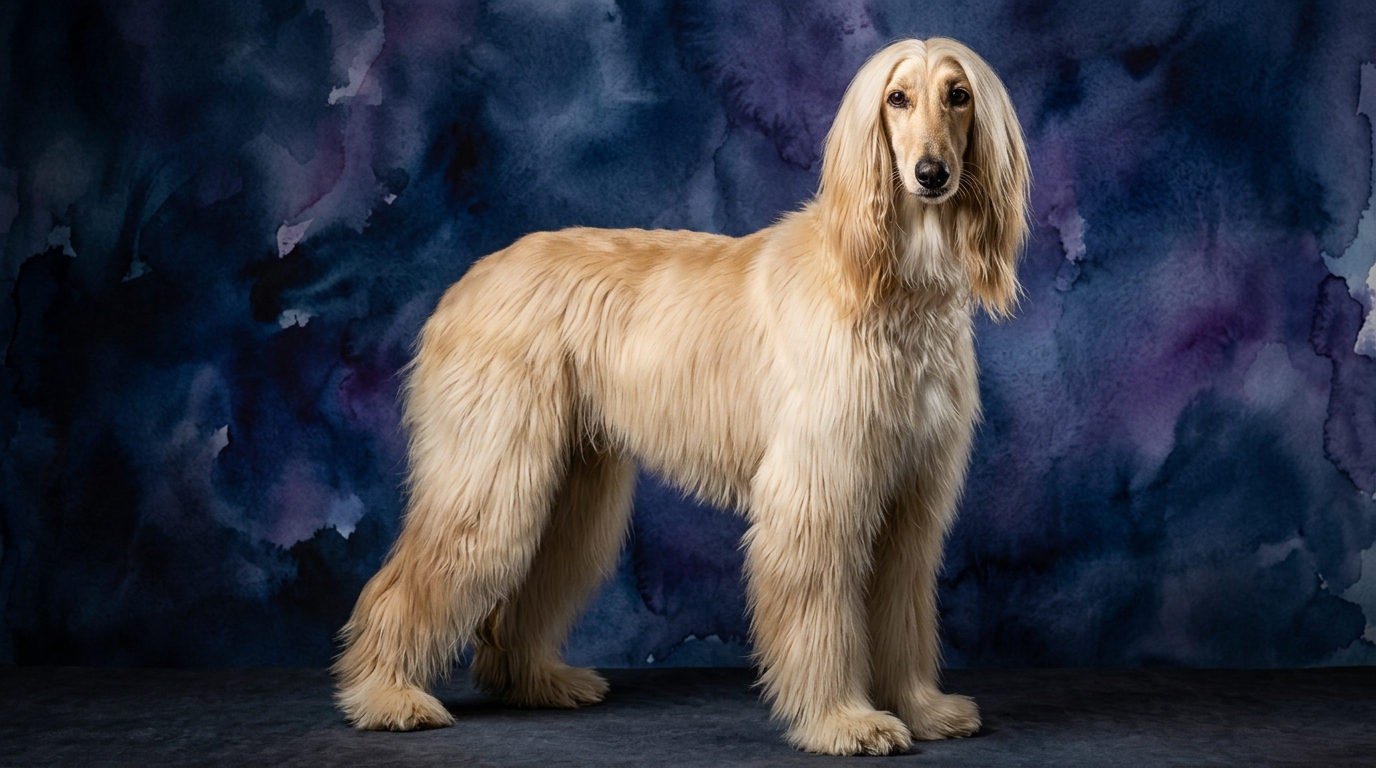
The Cosmic Pet Pet IQ Lab employs a multi-dimensional framework to assess canine intelligence, moving beyond single-score rankings to highlight nuanced cognitive strengths. For the Afghan Hound, a sighthound with a Coren ranking of #79, its profile paints a picture of fierce independence and instinct. Its Problem Solving is rated 4/5, indicating a capacity for self-directed thought and strategic action, often geared towards its primary function of spotting and pursuing prey over vast distances. Training Speed, however, is a modest 1/5, reflecting a breed that prioritizes its own agenda over human directives. Social Intelligence stands at 2/5, suggesting a more aloof and selective approach to interactions, while its Instinctive Drive is an exceptional 5/5, a testament to its profound impulse to hunt. Memory is rated 3/5, indicating a solid ability to recall past experiences and learned information.
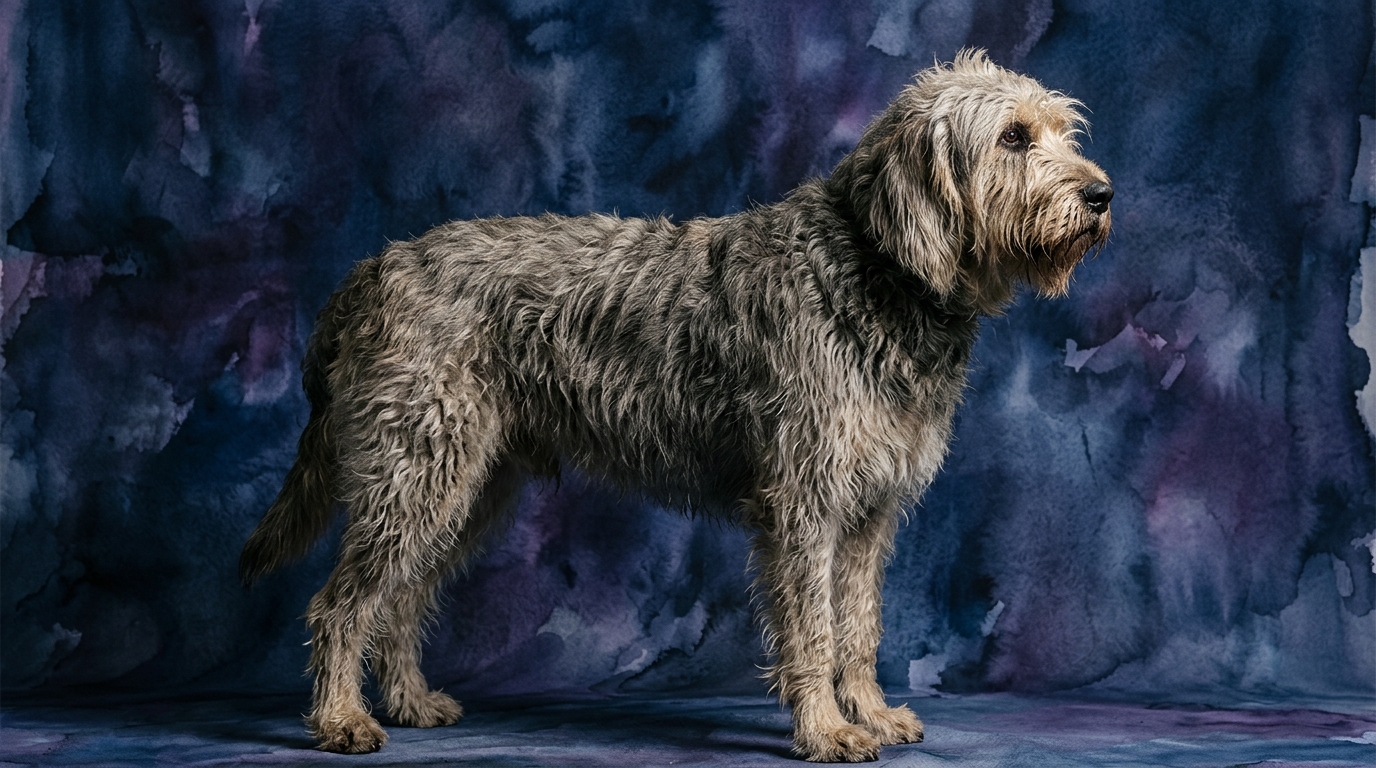
In contrast, the Otterhound, a scenthound not featured in Coren's rankings, presents a more balanced and cooperative cognitive profile. Its Problem Solving ability is rated 3/5, demonstrating practical intelligence primarily focused on scent work and navigating complex environments to follow a trail rather than independent strategizing for a chase. Training Speed is a moderate 3/5, indicating a willingness to learn and respond to cues, though still possessing a typical hound's independent streak. Social Intelligence is also 3/5, reflecting a more gregarious and pack-oriented nature, eager to engage with family members and other dogs. Instinctive Drive is rated 3/5, signifying a strong, but manageable, urge to follow scent trails. Memory, like the Afghan, is rated 3/5, showing a consistent capacity for recall.
Where the Afghan Hound Excels Cognitively
The Afghan Hound’s cognitive strengths are deeply rooted in its heritage as a solitary hunter in challenging terrains. Its Problem Solving score of 4/5 speaks to an exceptional capacity for independent decision-making and strategic thinking, particularly when faced with obstacles during a pursuit. This isn't about solving puzzles for human entertainment, but rather about autonomously navigating complex landscapes, identifying the most efficient route, or outmaneuvering prey. An Afghan might excel at finding a way around a fallen log or across a stream to maintain sight of a moving target, relying on its own judgment rather than waiting for instruction.
Furthermore, the Afghan Hound's Instinctive Drive, rated at a powerful 5/5, is a defining cognitive trait. This isn't merely a physical urge; it's a mental state that drives intense focus and perseverance. Once an Afghan spots something to chase, its entire cognitive apparatus locks onto that goal, demonstrating an unwavering determination and an almost singular-mindedness. This profound drive means they can sustain effort over long periods, making complex calculations about speed and trajectory without human input, a testament to their specialized predatory intellect.
Where the Otterhound Shows Cognitive Advantages
The Otterhound's cognitive strengths lie in its more cooperative and socially attuned nature, a direct result of its history as a pack hunter working alongside humans. Its Training Speed, rated 3/5, significantly surpasses the Afghan Hound's 1/5, indicating a greater receptiveness to learning commands and a willingness to engage in structured training sessions. This isn't to say they are always eager to please, but their desire to be part of a team means they are more inclined to form associations between actions and consequences, making the training process more productive and less of a battle of wills.
The Otterhound's Social Intelligence, also rated 3/5, is another area where it holds an advantage. Unlike the more reserved Afghan, the Otterhound is typically more expressive and engaged with its human companions and fellow canines. This manifests as a better understanding of social cues, a greater propensity for cooperative play, and a stronger desire for companionship. Their problem-solving (3/5) is often applied to tasks requiring collaboration, such as tracking a complex scent trail as part of a group, where communication and coordination are key. This social awareness fosters a stronger bond with their human family, making them more adaptable to various social settings and household dynamics.
Training Dynamics: Afghan Hound vs. Otterhound
When it comes to trainability, the differences between these two breeds are stark and directly tied to their cognitive profiles. The Afghan Hound's Training Speed of 1/5 means that owners face a considerable challenge. This isn't due to a lack of ability to understand, but rather a profound independent streak coupled with a low intrinsic motivation to comply with human commands if it conflicts with their own desires. Behavioral differences include a tendency to 'selectively hear' commands, a strong preference for self-directed activities, and a need for training methods that are highly engaging, positive, and varied. Repetition often leads to boredom and defiance, so an Afghan owner must be endlessly creative, patient, and consistent, understanding that progress will be slow and hard-won. Their strong instinctive drive means recall can be particularly difficult if they are focused on a perceived 'prey' item.
The Otterhound, with a Training Speed of 3/5, offers a comparatively smoother training experience. While still a hound and possessing a natural independence, they are generally more amenable to direction and form stronger working partnerships with their owners. Their higher social intelligence means they are more motivated by praise and connection, making positive reinforcement highly effective. Otterhounds are more likely to engage in obedience work, track-and-scent games, or participate in canine sports, as these activities tap into both their moderate instinctive drive and their desire for cooperative interaction. Owners will still need patience, especially with scent-driven distractions, but the Otterhound's willingness to engage and learn makes them a more approachable breed for training purposes.
Lifestyle Suitability: Active vs. Relaxed Owners
The distinct cognitive and behavioral traits of the Afghan Hound and Otterhound significantly influence their suitability for different owner lifestyles. The Afghan Hound, with its 5/5 instinctive drive and 4/5 problem-solving, thrives with active owners who appreciate an independent spirit and can provide ample opportunities for physical exertion in secure environments. Their need for significant exercise, often involving long runs or vigorous play, is paramount to their well-being. Owners must understand that while an Afghan might enjoy lounging, their mental and physical health depends on regular, intense bursts of activity that satisfy their inherent drive to run and chase. This breed is best suited for experienced owners who can commit to managing a powerful, sometimes aloof, but always majestic companion.
Conversely, the Otterhound, with its more balanced profile (3/5 for problem-solving, training speed, social intelligence, and instinctive drive), suits active owners who desire a more companionable and participatory dog. While they still require substantial daily exercise to satisfy their moderate instinctive drive for scent work and exploration, they are generally more content to integrate into family activities, whether it's a long hike, a swim, or simply a robust play session in the yard. Their higher social intelligence means they genuinely enjoy being part of the family unit and are less likely to wander off on a solo mission if given proper engagement. They are adaptable to a wider range of household dynamics, making them a good fit for active families who want a dog that is both an outdoor adventurer and a relaxed, affectionate indoor companion, provided their exercise needs are met.
The Verdict
Choose an Afghan Hound if you are an experienced, patient owner who values an independent, majestic companion with a profound drive for self-directed activity and possess the dedication to manage its unique cognitive needs.
Opt for an Otterhound if you seek an active, companionable hound that is more amenable to training, enjoys family interaction, and offers a balanced blend of playful energy and affectionate loyalty.
🧠 Find Your Pet's IQ Score
Our Pet IQ Lab assessment covers 25+ tests across 5 cognitive dimensions — personalized to your breed.
Take the Full IQ Test →Frequently Asked Questions
Are Afghan Hounds difficult to live with?
Afghan Hounds can be challenging due to their extreme independence and powerful instinctive drive, requiring consistent, creative training and secure environments. Their aloofness means they form bonds on their own terms, making them more suited for owners who appreciate a dog with a distinct personality rather than constant eagerness to please.
What makes Otterhounds unique in their cognitive approach?
Otterhounds are unique for their balanced cognitive profile, combining moderate problem-solving with higher social intelligence and training speed compared to many other hounds. This allows them to excel in collaborative scent work while also integrating more seamlessly into family life, making them adaptable and cooperative companions.
How do their instinctive drives compare in daily life?
The Afghan Hound's 5/5 instinctive drive manifests as an almost uncontrollable urge to chase anything that moves, requiring strict leash control and secure fencing. The Otterhound's 3/5 instinctive drive, while still strong for scenting, is generally more manageable, allowing for more varied activities and a slightly less intense focus on pursuit, though they will still follow an interesting scent.