Side-by-Side IQ Profile: Afghan Hound vs. Plott Hound
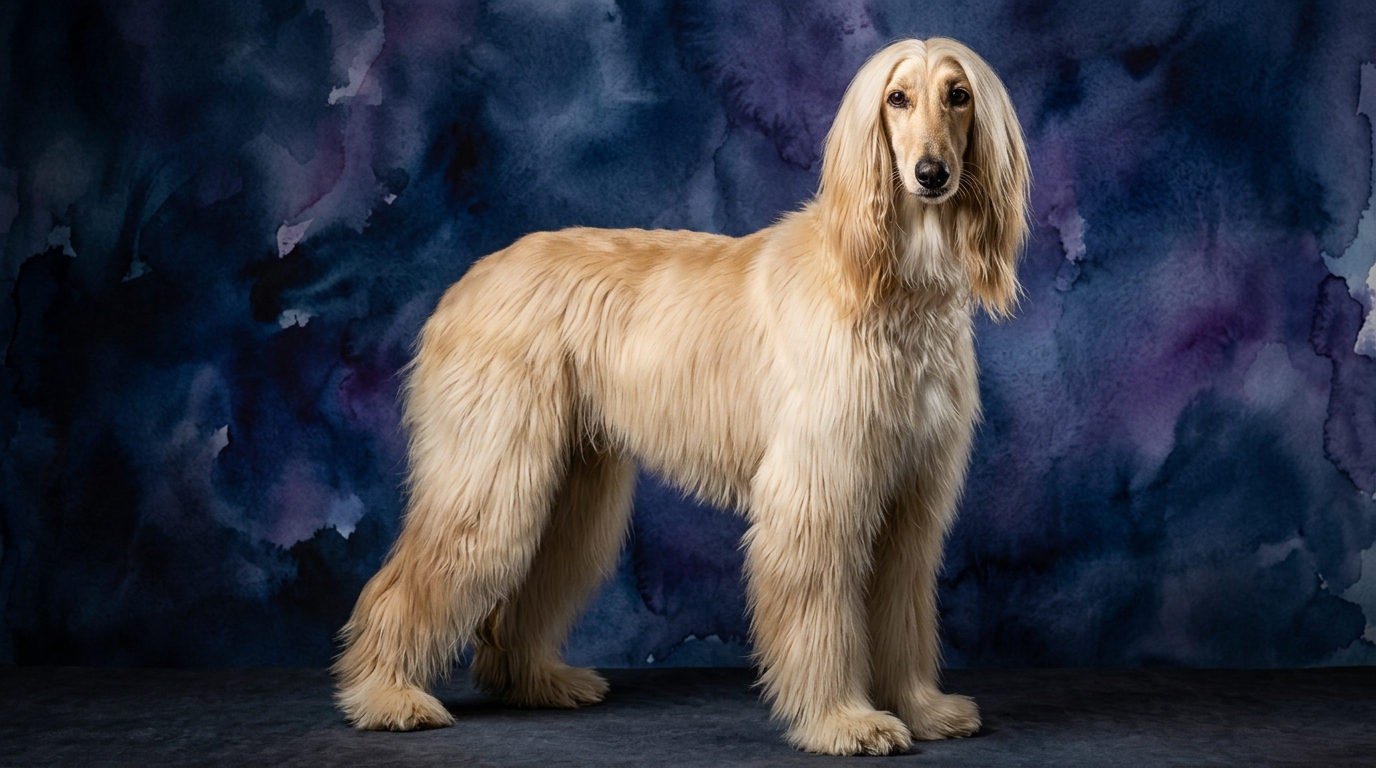
At The Cosmic Pet Pet IQ Lab, we evaluate canine intelligence across five key dimensions to provide a nuanced understanding of each breed's cognitive strengths and inclinations. For the Afghan Hound, a breed often perceived as aloof, we observe a Coren rank of #79, indicating a lower general obedience intelligence but not a lack of cognitive depth.
The Afghan Hound’s IQ breakdown includes: Problem Solving 4/5, reflecting a significant capacity for independent thought and creative solutions, often directed towards their own desires. Training Speed is a low 1/5, highlighting their pronounced independence and slow receptiveness to command-based learning. Social Intelligence scores 2/5, indicating a reserved and selective interaction style, even with family. An impressive Instinctive Drive of 5/5 underscores their powerful hunting heritage and strong prey drive. Finally, Memory is rated 3/5, suggesting good recall for experiences and routines that align with their interests.
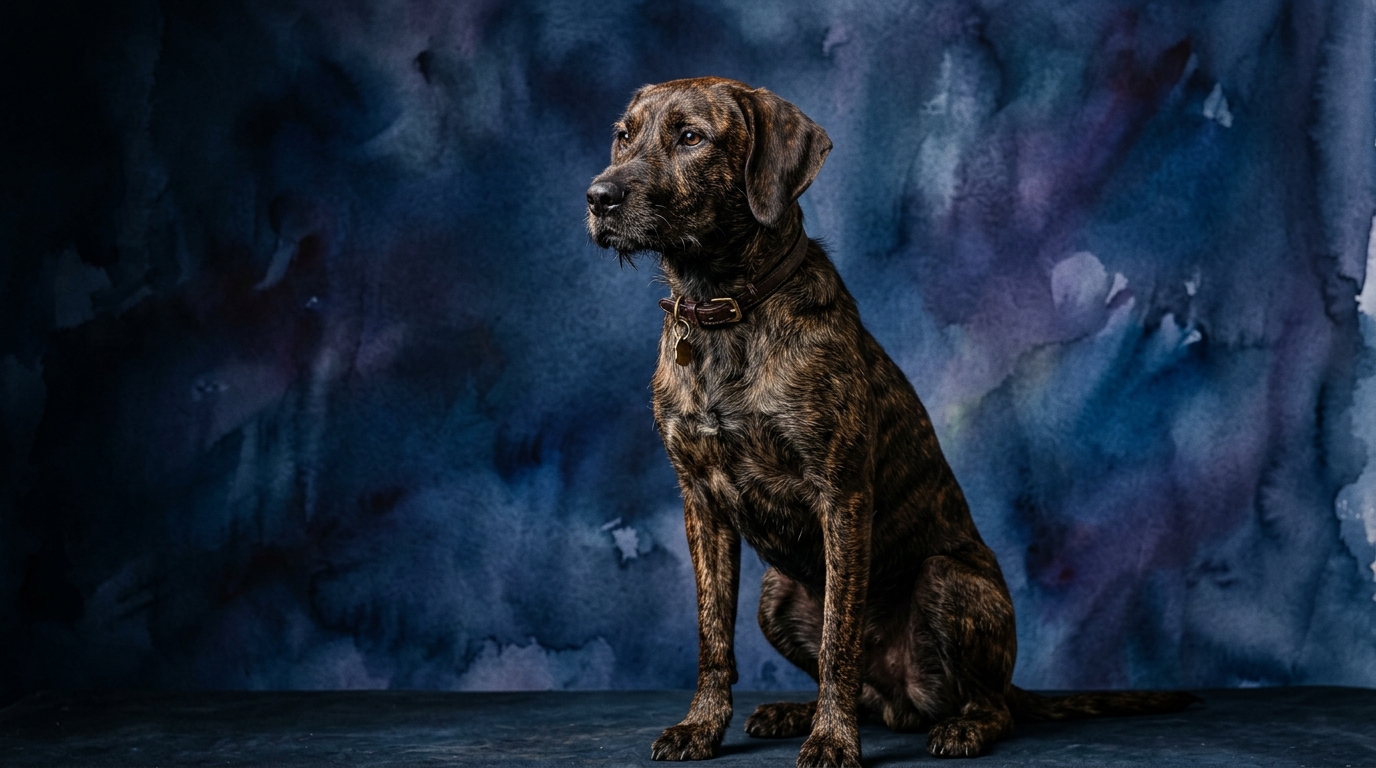
The Plott Hound, not Coren-ranked but highly regarded in working circles, presents a different cognitive blueprint. Its IQ profile is generally more balanced across the dimensions, reflecting its versatile working dog nature.
The Plott Hound’s IQ breakdown shows: Problem Solving 3/5, indicating practical problem-solving skills, particularly in tracking and navigating challenging environments. Training Speed is a moderate 3/5, suggesting a reasonable aptitude for learning, especially when motivation is high. Social Intelligence also scores 3/5, pointing to a more affable and engaged demeanor with their human family. Instinctive Drive is 3/5, signifying a strong but often more focused hunting drive compared to the Afghan. Memory is 3/5, demonstrating a good capacity for retaining learned tasks and routines, which is crucial for their working roles.
Where the Afghan Hound Cognitively Excels
The Afghan Hound truly shines in its capacity for independent problem-solving and an unparalleled instinctive drive. Their 4/5 problem-solving score reflects a deep ability to strategize and act autonomously, often to fulfill their own desires rather than waiting for human direction. This isn't about simply following a sequence; it's about devising novel approaches to bypass obstacles or secure an object of interest, like figuring out how to open a specific type of latch or navigate a complex environment to reach a perceived 'prey' item. This breed exhibits a unique, self-directed form of intellect.
Their instinctive drive, rated at a perfect 5/5, is a testament to thousands of years of specialized breeding for sight and scent hunting across vast, open landscapes. This isn't just a strong urge; it's a sophisticated sensory processing system that allows them to detect, track, and pursue with incredible focus and endurance, often tuning out all other stimuli. This profound independence, while challenging for training, showcases a remarkable self-reliance and cognitive flexibility when pursuing their intrinsic motivations, making them masters of their own destiny in many situations.
Where the Plott Hound Cognitively Excels
The Plott Hound demonstrates superior adaptability in training speed and social intelligence compared to the Afghan. With a training speed of 3/5, the Plott is significantly more amenable to learning and retaining commands, particularly when the training incorporates their natural drive and a positive reinforcement approach. They grasp concepts and associate actions with rewards more readily, making the process of instilling basic obedience and specialized working commands a more efficient endeavor. Their moderate problem-solving (3/5) is highly practical, enabling them to excel in real-world tracking scenarios.
Their social intelligence, also rated at 3/5, indicates a greater inclination towards cooperative interaction and forming clear, expressive bonds with their human companions. This isn't just about being friendly; it means they are more attuned to human cues, body language, and emotional states, fostering a more reciprocal relationship. This cognitive advantage makes them more suitable for dynamic family environments where a dog that can read and respond to social situations is valued, and for working partnerships where clear communication and a desire to engage with a handler are paramount.
Training Dynamics: Which is Easier and Why?
The Plott Hound is demonstrably easier to train than the Afghan Hound, a difference rooted in their fundamental cognitive and behavioral predispositions. The Plott's training speed of 3/5, combined with its 3/5 social intelligence, means it generally possesses a stronger desire to engage with and please its handler. They are more likely to view commands as opportunities for positive interaction and reward, rather than intrusions on their independent pursuits. Their instinctive drive, while present, is often more channeled and cooperative, lending itself well to structured tasks like tracking or baying under direction, provided the handler makes the training engaging and rewarding.
In contrast, the Afghan Hound's 1/5 training speed is a direct consequence of its profound independence and highly self-directed problem-solving. An Afghan often processes a command and then evaluates whether complying aligns with its immediate desires or instincts. Their 2/5 social intelligence suggests they are less motivated by human approval and more by their own internal compass. This means training an Afghan requires immense patience, creativity, and a deep understanding of their unique motivations, often relying on positive reinforcement to make compliance more appealing than their natural inclinations. They learn, but they often choose when to demonstrate that learning, making consistency and persistence key.
Matching Breeds to Owner Lifestyles
For active owners seeking a canine partner for specific, high-drive activities, the Plott Hound offers a compelling choice. Their 3/5 instinctive drive, combined with moderate trainability, makes them excellent companions for activities like scent work, hiking, or even competitive obedience once their focus is established. They thrive on having a job and appreciate structured engagement, making them suitable for owners who enjoy consistent training and outdoor adventures and can channel their hound energy constructively. They are not suited for owners seeking a purely relaxed, low-activity companion.
The Afghan Hound, with its extreme 5/5 instinctive drive and 4/5 problem-solving, also requires significant activity, but of a different nature. They are not suited for relaxed owners. Their need for exercise is paramount, demanding ample space for running and opportunities to satisfy their deep-seated pursuit instincts, often requiring secure, large areas. However, their independent nature means this activity is often self-directed rather than cooperative, making them a better fit for active owners who appreciate a dog with immense physical stamina and a desire to explore, but are content with less structured interaction during exercise. Relaxed owners would find both breeds challenging, but the Afghan's self-sufficiency could be mistaken for low maintenance, which is a significant misconception regarding their exercise needs.
The Verdict
Choose an Afghan Hound if you are an experienced owner who cherishes profound canine independence, appreciates a dog with a unique, self-directed intellect, and is committed to managing an extremely powerful instinctive drive with patience and secure environments.
Opt for a Plott Hound if you seek a more biddable, socially engaged working dog for active pursuits, value a cooperative partner in training and outdoor adventures, and can provide consistent direction and mental stimulation.
🧠 Find Your Pet's IQ Score
Our Pet IQ Lab assessment covers 25+ tests across 5 cognitive dimensions — personalized to your breed.
Take the Full IQ Test →Frequently Asked Questions
Do Afghan Hounds require a lot of exercise despite their independent nature?
Absolutely. Despite their aloofness, Afghan Hounds possess an extreme instinctive drive (5/5) and were bred for endurance. They require extensive daily exercise, ideally in a securely fenced area where they can run freely to satisfy their powerful pursuit instincts, or they may become restless and destructive.
Is a Plott Hound a good choice for a first-time dog owner?
A Plott Hound can be a good choice for a first-time owner who is committed to consistent training and understands the breed's need for mental and physical stimulation. Their moderate training speed and social intelligence make them more responsive than some other hounds, but their hunting drive requires firm, positive guidance and early socialization.
How do these breeds typically interact with other pets?
Afghan Hounds, with their strong prey drive, may view smaller pets as quarry and require careful, supervised introductions and management, especially with cats or small animals. Plott Hounds generally have a more focused hunting drive on specific game, and while introductions should always be cautious, they can often coexist peacefully with other household pets, especially when raised together and properly socialized.