Side-by-side IQ Profile: Afghan Hound vs. Schipperke
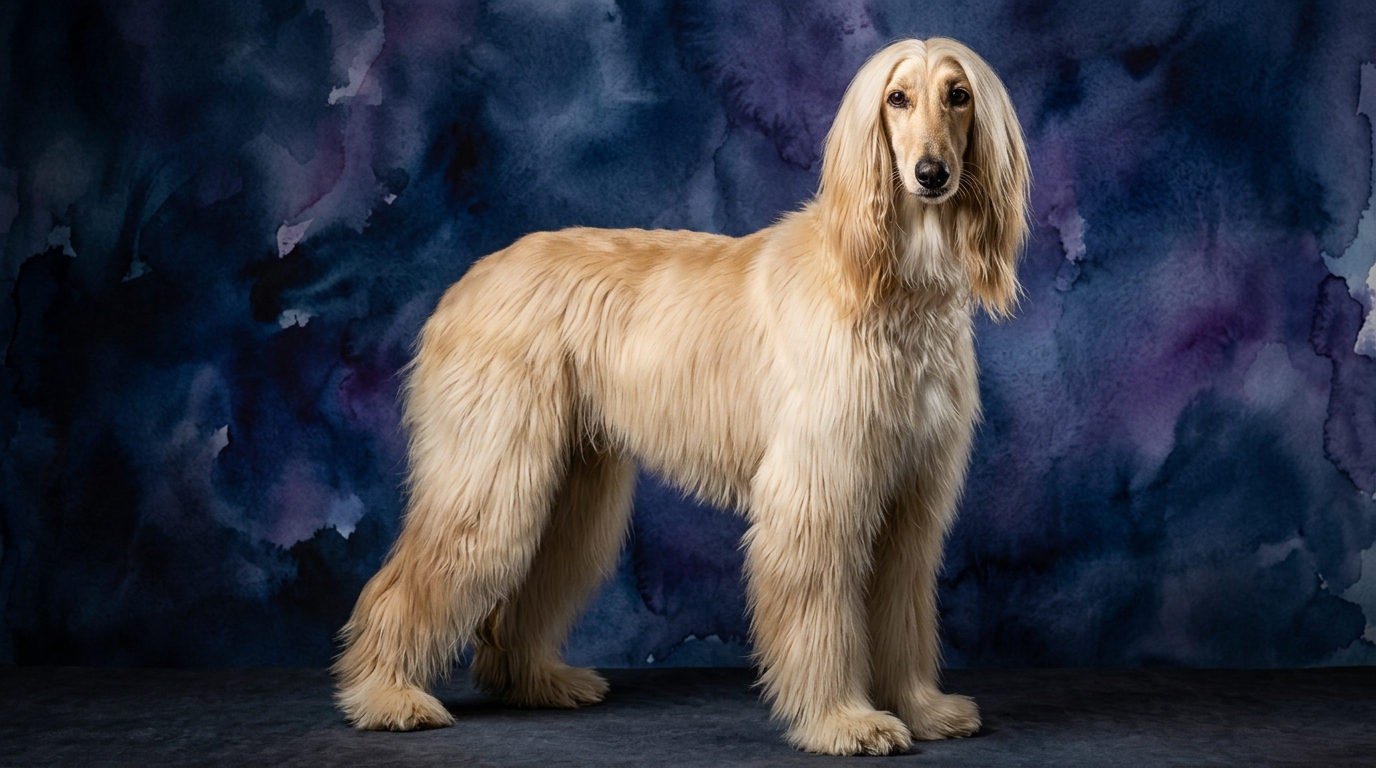
The Afghan Hound, ranking #79 on the Coren scale, presents a cognitive profile shaped by its ancient role as an independent hunter. Its Problem Solving (4/5) is robust in self-directed tasks, allowing it to strategize and adapt swiftly in pursuit or navigation without human intervention. However, its Training Speed is notably low (1/5); this breed prioritizes its own motivations, making the acquisition of human-initiated commands a slow and demanding process.
Their Social Intelligence (2/5) is often perceived as aloofness; they form deep bonds with their inner circle but are typically reserved with strangers, selectively interpreting social cues. The Afghan's Instinctive Drive is exceptionally high (5/5), manifesting as an intense urge to chase and explore, a core aspect of their independent nature. Their Memory (3/5) is adequate for routines and familiar environments, but specific command recall can be overshadowed by stronger instincts.
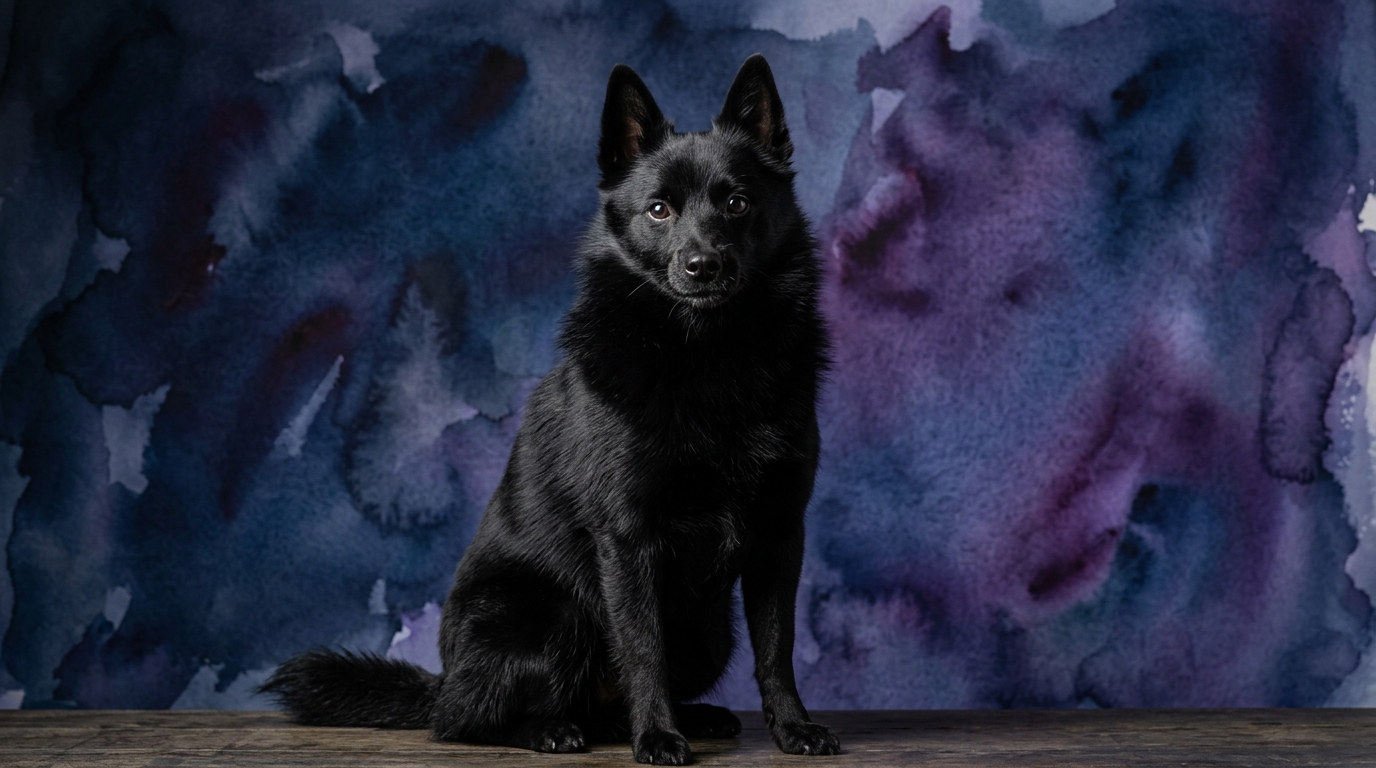
In stark contrast, the Schipperke holds an impressive Coren rank of #15, reflecting a highly adaptable and responsive intellect. Its Problem Solving is a perfect 5/5, showcasing exceptional ingenuity and a quick capacity to analyze situations and devise creative solutions to challenges. This is coupled with an equally remarkable Training Speed (5/5), allowing them to grasp new commands and behaviors with astonishing swiftness, often after just a few repetitions.
The Schipperke's Social Intelligence (3/5) is more developed than the Afghan Hound's, enabling them to read human intentions and moods with greater accuracy, though they retain a wary caution towards strangers. Their Instinctive Drive (3/5) is moderated, focused more on vigilance and guarding than on relentless prey pursuit, exhibiting a strong curiosity for their surroundings. Finally, their Memory (5/5) is outstanding, ensuring that learned behaviors and experiences are retained consistently over extended periods.
Where the Afghan Hound Wins Cognitively
The Afghan Hound, despite its lower Coren rank, excels with an unparalleled Instinctive Drive (5/5). This isn't merely physical; it's a deeply ingrained cognitive program enabling supreme independence and self-sufficiency. Their being is geared towards sight-based prey, manifesting as acute visual processing, rapid decision-making in chases, and an unwavering focus on distant targets, often overriding human directives.
Their Problem Solving at 4/5 shines brightest in these instinctive tasks. An Afghan Hound excels at navigating complex terrain during a chase or devising strategies to outmaneuver prey, all without human guidance. This self-directed problem-solving is crucial for their ancient role as independent hunters, demonstrating a distinct, powerful form of cognitive prowess.
Where the Schipperke Wins Cognitively
The Schipperke's cognitive profile is a masterclass in adaptability and rapid assimilation. Its Problem Solving is a perfect 5/5, indicating exceptional ingenuity to analyze situations and devise creative solutions. This manifests in their knack for finding clever ways to achieve goals, from opening cabinets to solving complex puzzle toys; they are thinkers, constantly processing their environment.
This is complemented by remarkable Training Speed (5/5) and Memory (5/5). A Schipperke learns new commands swiftly, often after just a few repetitions, and retains them due to excellent long-term memory. Their Social Intelligence (3/5) also surpasses the Afghan Hound's, aiding responsiveness during training and daily interactions.
Which is Easier to Train and Why
When comparing training ease, the Schipperke emerges as the undisputed victor, primarily due to its perfect Training Speed (5/5) and superior Memory (5/5). A Schipperke's inherent desire to engage with its human companions, combined with its quick cognitive processing, means it can grasp new commands, tricks, and routines with remarkable efficiency. They thrive on mental stimulation and respond well to positive reinforcement, often eager to please and quick to offer desired behaviors. Their strong memory ensures that once a lesson is learned, it is retained consistently, leading to reliable performance over time.
The Afghan Hound, conversely, presents a significant challenge to trainers with its Training Speed of 1/5. Their independent nature, driven by a powerful Instinctive Drive (5/5), often means they see little inherent value in performing tasks simply because a human requests it. While they can learn, it requires immense patience, consistent motivation, and a deep understanding of their sighthound psychology. Their memory (3/5) is adequate, but often their powerful instincts or self-interest will override previously learned commands, making training a continuous negotiation rather than a straightforward instruction process. For an Afghan Hound, 'come' often means 'consider coming if something more interesting isn't happening'.
Which Suits Active Owners vs. Relaxed Owners
For owners with a relaxed lifestyle, the Afghan Hound presents a unique paradox. While their Instinctive Drive (5/5) demands significant outlets for running and chasing, they are often quite content to be couch potatoes indoors, provided their exercise needs are met. However, their low Training Speed (1/5) and moderate Social Intelligence (2/5) mean a relaxed owner might struggle with their independent nature and potential aloofness. These dogs require an owner who understands and respects their self-sufficient mindset, offering consistent, patient guidance without expecting immediate obedience or constant social engagement. An active owner for an Afghan Hound isn't necessarily one who runs marathons with their dog, but one who can provide secure, expansive spaces for them to gallop freely and fulfill their deeply ingrained chasing instincts.
The Schipperke, with its high Problem Solving (5/5), Training Speed (5/5), and Memory (5/5), thrives with active, engaged owners who enjoy mental stimulation and consistent interaction. They are not simply active in a physical sense; they are mentally active, requiring puzzle toys, training sessions, and opportunities to 'work' or solve problems. A relaxed owner who cannot provide this mental engagement might find a Schipperke inventing its own, potentially mischievous, forms of entertainment. While they are small, their energy levels and cognitive needs are substantial, making them ideal for owners who enjoy consistent training, dog sports, or simply a companion who is always ready to learn and participate in family activities.
The Verdict
Choose the Afghan Hound if you appreciate profound independence, possess immense patience for training, and can provide ample, secure space for them to express their powerful instinctive drives. They are for those who admire a dog's self-possessed nature and are comfortable with a companion who often thinks for itself.
Opt for the Schipperke if you desire a highly trainable, quick-witted companion eager to engage in mental challenges and learn new skills. They suit owners who enjoy consistent interaction, positive reinforcement training, and a vigilant, adaptable dog ready for active participation in life.
🧠 Find Your Pet's IQ Score
Our Pet IQ Lab assessment covers 25+ tests across 5 cognitive dimensions — personalized to your breed.
Take the Full IQ Test →Frequently Asked Questions
Do Afghan Hounds genuinely understand commands despite their slow training speed?
Yes, Afghan Hounds can understand commands, but their execution is often subject to their independent judgment and strong instinctive drives. Their low training speed reflects their prioritization of self-interest over human directives, requiring immense patience and high-value motivation from their owners.
Is the Schipperke's high problem-solving ability a sign of mischief?
The Schipperke's exceptional problem-solving (5/5) can indeed lead to mischief if not channeled constructively. Their quick wit means they will find ways to achieve goals, like opening cabinets or escaping yards, if not provided with sufficient mental stimulation and appropriate training outlets.
How does social intelligence impact interaction differences between these breeds?
The Afghan Hound's lower social intelligence (2/5) often translates to aloofness with strangers and a preference for personal space, while the Schipperke's (3/5) allows for more nuanced interpretation of social cues, making them generally more engaged and responsive in social settings, though still wary of the unfamiliar.