Side-by-Side IQ Profile: Afghan Hound vs. Scottish Terrier
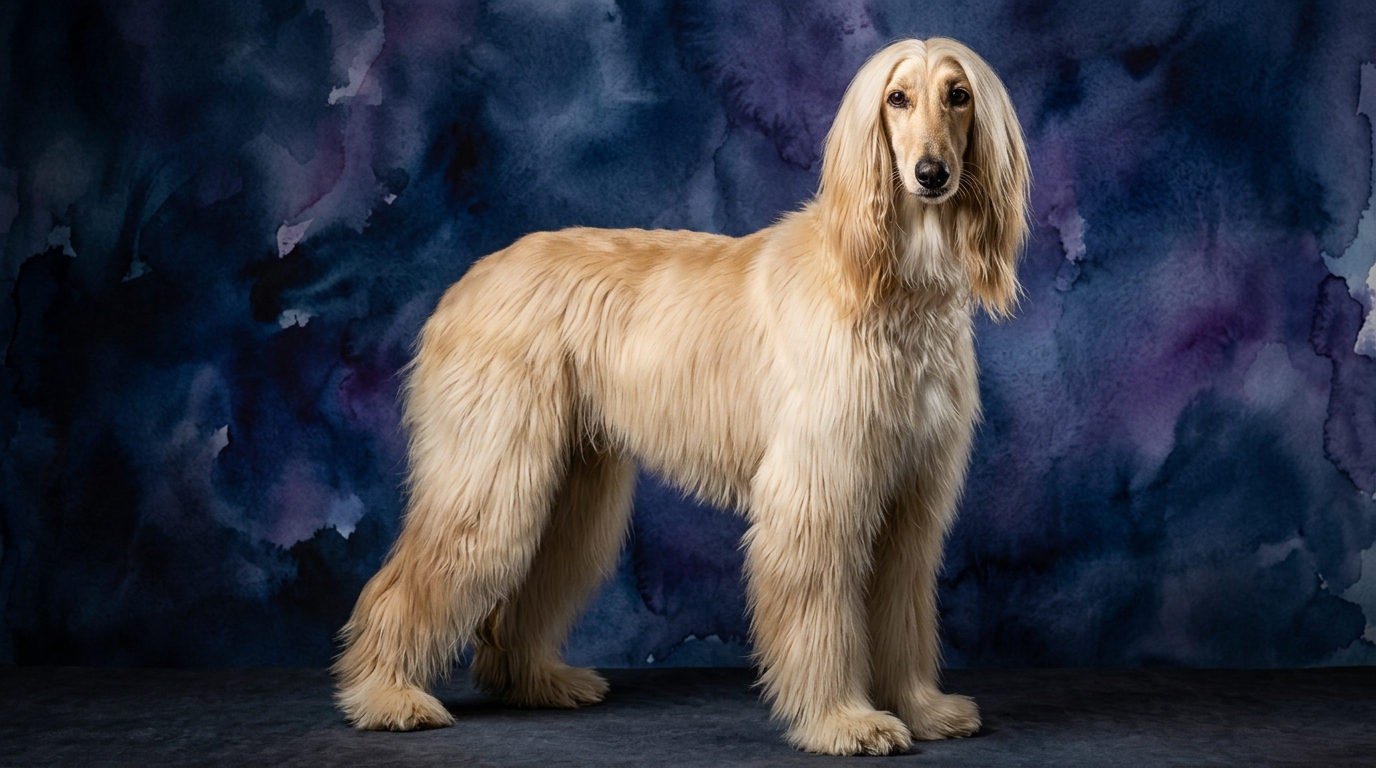
Afghan Hounds, ranked #79 by Coren, exhibit a unique cognitive blend shaped by their sighthound heritage. Their Problem Solving is rated 4/5, indicating a strong capacity for independent thought, particularly in navigating complex environments or strategizing during a chase, often devising their own solutions to obstacles. However, their Training Speed is a low 1/5; they grasp commands slowly and are frequently disinclined to comply, driven by an independent spirit rather than cognitive deficit. Social Intelligence stands at 2/5, reflecting a reserved nature; they form deep, selective bonds but don't consistently seek broad social interaction or readily interpret subtle human cues from strangers. Their Instinctive Drive is an exceptional 5/5, a powerful, deeply ingrained genetic blueprint for hunting, coursing, and patrolling. Memory is 3/5, solid for routines and familiar contexts, though command recall might appear selective due to their self-directed motivations.
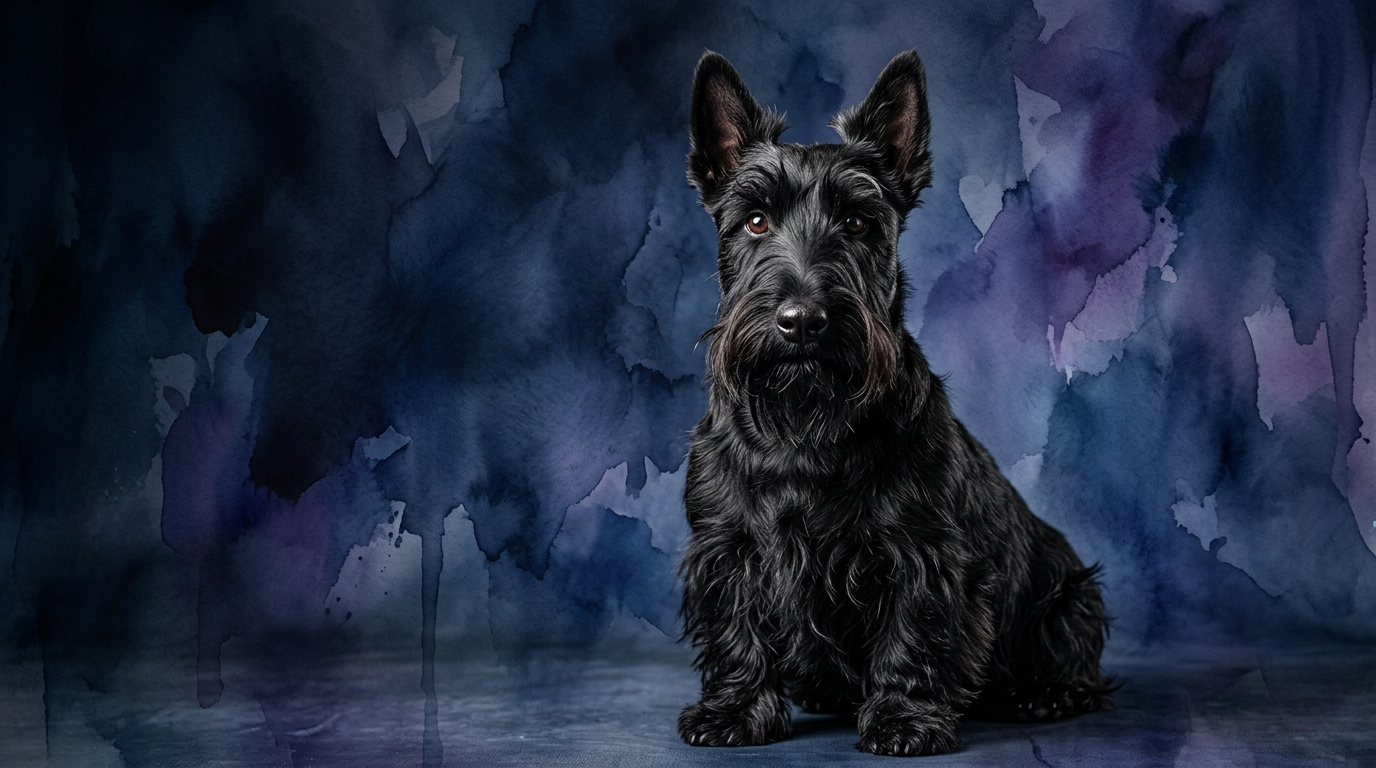
In contrast, Scottish Terriers, with a Coren rank of #65, display a terrier's characteristic tenacity and practicality. Their Problem Solving is 3/5, demonstrating effective application of learned solutions, especially in tasks related to their vermin-hunting origins, like navigating confined spaces or overcoming small barriers. Training Speed is 3/5, indicating a moderate ability to learn and retain new commands, though their inherent stubbornness can present intermittent challenges. Social Intelligence is 3/5; they are generally adept at reading their immediate family's emotional states and intentions, forming loyal bonds, but typically maintain a reserved demeanor with outsiders. Their Instinctive Drive is 3/5, a persistent, focused drive for digging, chasing, and pursuing objectives, which is channeled and less overwhelming than that of a sighthound. Memory is 3/5, reliable for recalling training cues, routines, and familiar individuals, contributing to their consistent, albeit sometimes willful, behavior.
Where the Afghan Hound Wins Cognitively
The Afghan Hound's cognitive strengths distinctly lie in their autonomous problem-solving and an unparalleled instinctive drive. With a Problem Solving score of 4/5 compared to the Scottish Terrier's 3/5, Afghan Hounds excel at intricate, independent strategizing, particularly when navigating open spaces or overcoming environmental challenges. They possess an innate ability to assess situations and formulate their own path to a desired outcome without constant human direction, making them adept at tasks requiring self-reliance and environmental awareness. This translates into a dog that can often "figure things out" on its own, especially if it aligns with their inherent motivations.
Furthermore, their Instinctive Drive is rated a perfect 5/5, far surpassing the Scottish Terrier's 3/5. This profound, deeply embedded drive is the cornerstone of their being, manifesting as an exceptional capacity for sighthound behaviors like spotting distant movement, initiating high-speed chases, and navigating varied terrains with precision. This isn't merely a physical attribute but a cognitive one, allowing them to process vast amounts of sensory information rapidly and react with incredible focus and agility. This deep-seated instinct guides complex decision-making in their natural element, making them masters of their ancient role and a testament to specialized evolutionary cognition.
Where the Scottish Terrier Wins Cognitively
The Scottish Terrier demonstrates clear cognitive advantages in areas emphasizing responsiveness and social integration, reflected in their higher Coren rank of #65 compared to the Afghan Hound's #79. Their Training Speed, rated 3/5, significantly surpasses the Afghan Hound's 1/5, indicating a much greater aptitude for acquiring and executing new commands and routines with human guidance. This responsiveness stems from a cognitive framework that is more amenable to structured learning environments, allowing them to form associations between cues and actions more readily and consistently. They are generally more inclined to engage in collaborative learning, making the process of teaching new behaviors a more straightforward endeavor.
Moreover, the Scottish Terrier's Social Intelligence, at 3/5 compared to the Afghan Hound's 2/5, signifies a greater capacity for integrating into a human family's social fabric. They are more attuned to interpreting human cues and emotions, fostering a more interactive and responsive partnership. This cognitive strength allows them to build stronger relational bonds based on mutual understanding and communication, making them more likely to seek interaction and respond to social overtures. While they retain a terrier's independent streak, their social cognition makes them more adaptable to domestic life and more receptive to the nuances of human-dog communication than their more aloof sighthound counterpart.
Which is Easier to Train and Why
Based on their respective cognitive profiles, the Scottish Terrier is unequivocally the easier breed to train. Their Training Speed of 3/5, a stark contrast to the Afghan Hound's 1/5, means they acquire new commands and routines at a moderate pace and are generally more willing to comply. This is underpinned by a cognitive predisposition towards working cooperatively with their human companions, balancing their inherent tenacity with a desire for positive interaction. Scottish Terriers exhibit a more focused attention span during structured training sessions, and their Social Intelligence (3/5) allows them to more readily interpret and respond to human cues and praise, reinforcing learned behaviors effectively.
The Afghan Hound's training challenges stem from their profound independence and overwhelming Instinctive Drive (5/5). While they are capable of problem-solving (4/5) on their own terms, this often means prioritizing their own impulses or visual stimuli over human commands. Their low training speed is not an indicator of a lack of understanding, but rather a strong self-will; they often understand what is asked but choose not to comply if it doesn't align with their immediate desires or instincts. This real behavioral difference means that consistent obedience from an Afghan Hound requires exceptional patience, highly compelling motivation, and an understanding that their primary drive will always be their sighthound heritage, making traditional obedience a significant, ongoing commitment.
Which Suits Active Owners vs. Relaxed Owners
When considering owner lifestyle, the Afghan Hound is better suited for highly active owners who appreciate an independent companion and are prepared for significant physical engagement. Despite their sometimes-aloof demeanor, their exceptional Instinctive Drive (5/5) and powerful physical build demand extensive exercise, ideally involving off-leash running in secure, expansive areas to satisfy their sighthound instincts for speed and chase. Owners must be prepared to provide consistent outlets for this physical prowess and mental stimulation related to their ancient purpose, making them a match for individuals who enjoy long, vigorous outdoor activities and understand the needs of a breed driven by inherent hunting behaviors.
Conversely, while no terrier is truly "relaxed" in the sense of being a sedentary companion, the Scottish Terrier, with its moderate exercise needs and smaller stature, might be a more fitting choice for owners who prefer a slightly less physically demanding, yet still engaged, lifestyle. Their Instinctive Drive (3/5) is persistent but can be satisfied with structured daily walks, engaging play sessions, and mental challenges indoors. They thrive on routine and interaction but do not require the same sheer physical output as an Afghan Hound. Owners should be prepared for their tenacity and need for mental engagement, but can typically manage their activity levels within a more contained environment, making them suitable for active but not necessarily extreme outdoor enthusiasts.
The Verdict
For owners who appreciate an independent, elegant companion with profound natural instincts, capable of impressive physical feats, and who are prepared for a significant, patient training commitment and a less overtly cooperative nature, the Afghan Hound is an excellent choice.
If you seek a spirited, tenacious, and loyal companion who thrives on consistent routine, moderate activity, and interactive training, offering a more responsive partnership and a strong bond, then the Scottish Terrier will be a more suitable addition to your home.
🧠 Find Your Pet's IQ Score
Our Pet IQ Lab assessment covers 25+ tests across 5 cognitive dimensions — personalized to your breed.
Take the Full IQ Test →Frequently Asked Questions
Is the Afghan Hound truly untrainable?
No, the Afghan Hound is not untrainable, but their training speed is low (1/5) due to their independent nature and strong instincts. They can learn commands, but often choose when to obey, requiring immense patience and highly motivating rewards from their owners, who must understand their unique cognitive makeup.
How does a Scottish Terrier's problem-solving manifest?
A Scottish Terrier's problem-solving (3/5) is practical and goal-oriented, often seen in how they navigate complex environments or persist in digging to achieve a perceived goal. They apply learned solutions to overcome obstacles, especially when motivated by their terrier drive, showcasing a determined and resourceful approach.
Which breed is better for a first-time dog owner?
Neither breed is typically recommended for first-time dog owners without extensive preparation, given their distinct challenges. However, the Scottish Terrier (Coren #65, Training Speed 3/5) might be slightly more manageable due to its higher trainability and social intelligence compared to the Afghan Hound's profound independence and low training speed, which demands a very experienced hand.