Side-by-Side Cognitive Profile
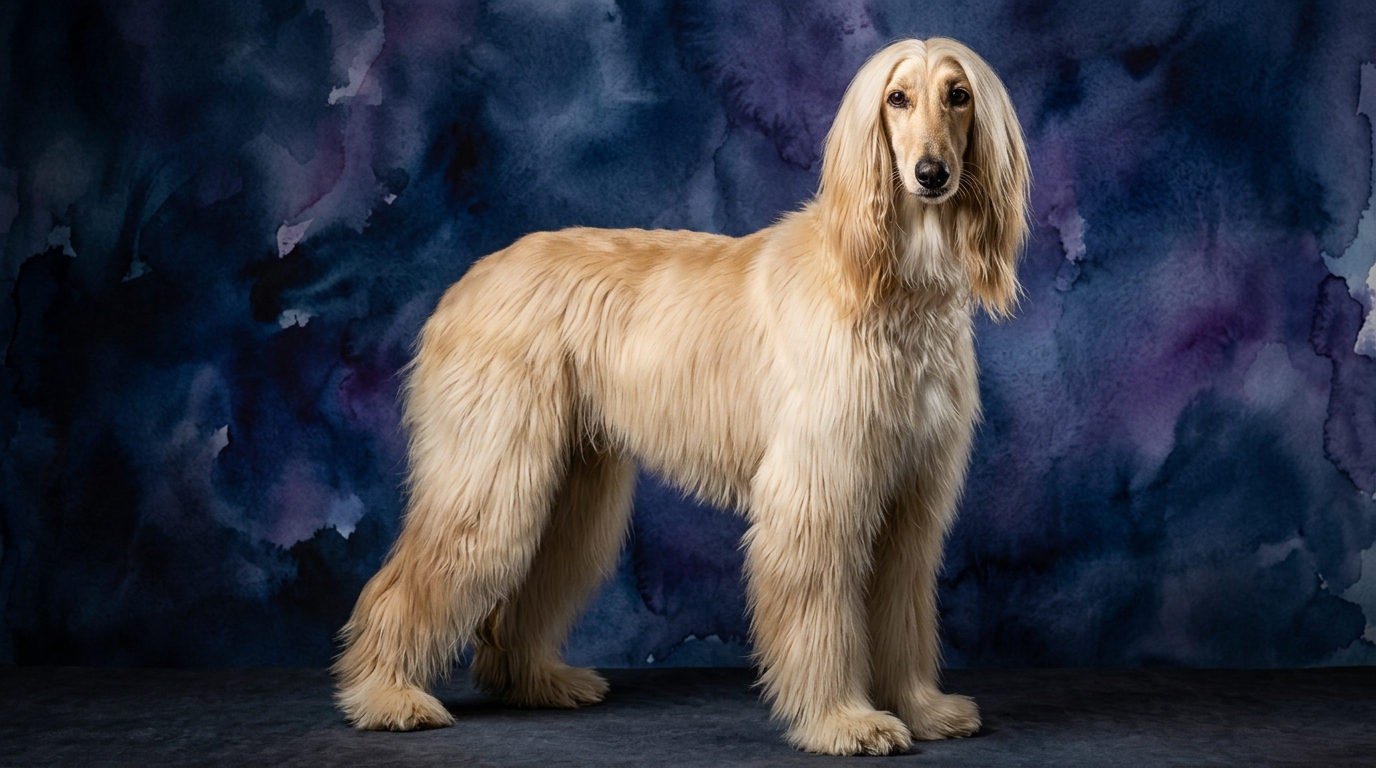
The Cosmic Pet Pet IQ Lab's granular assessment provides a clear breakdown of each breed's cognitive strengths and challenges. For the Afghan Hound, ranked #79 on Coren's scale, we see a striking profile: Problem Solving 4/5, Training Speed 1/5, Social Intelligence 2/5, Instinctive Drive 5/5, and Memory 3/5. This paints a picture of an independent thinker driven by powerful natural impulses.
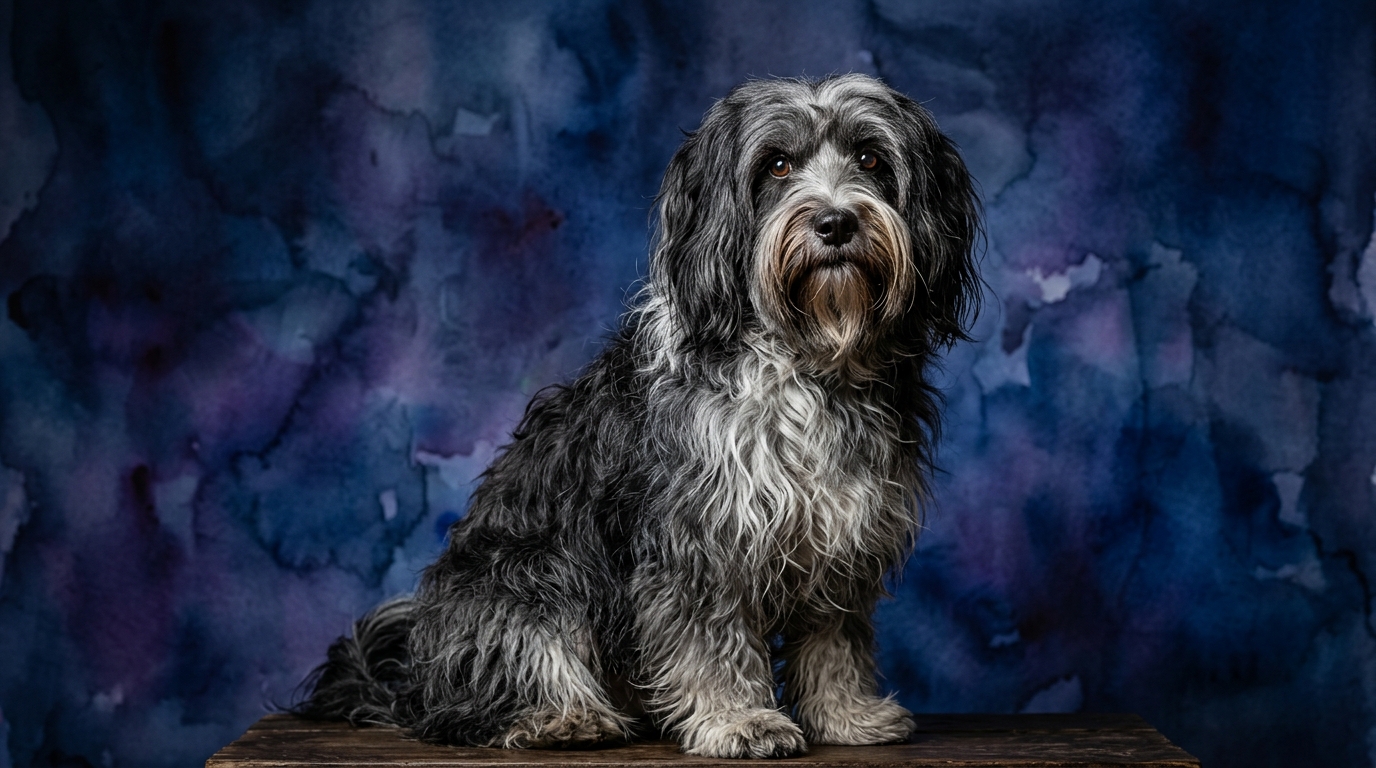
In contrast, the Tibetan Terrier, holding a Coren rank of #63, presents a more uniformly moderate set of scores: Problem Solving 3/5, Training Speed 3/5, Social Intelligence 3/5, Instinctive Drive 3/5, and Memory 3/5. This balanced profile suggests a canine companion that is adaptable and generally cooperative across various cognitive domains, rather than specializing in one specific area.
Where the Afghan Hound Excels Cognitively
The Afghan Hound’s cognitive strengths shine brightest in areas demanding independent thought and an unwavering instinctual focus. With a Problem Solving score of 4/5, these sighthounds exhibit a remarkable capacity for finding their own solutions, especially when motivated by their primary drives. This isn't about solving puzzles for human approval; rather, it’s about navigating intricate landscapes, bypassing obstacles, or devising strategies to pursue a visual target. Their original role as hunters across vast, varied terrains fostered this self-reliant problem-solving, making them adept at independent decision-making rather than waiting for direction.
Furthermore, their Instinctive Drive, rated a perfect 5/5, is a profound cognitive advantage for their historical purpose. This isn't just a physical urge; it's a deeply ingrained cognitive program that allows them to process visual stimuli rapidly, assess trajectories, and commit to a chase with unparalleled focus. This intense drive, while challenging in a domestic setting, represents a pinnacle of specialized canine cognition, allowing them to operate with singular purpose and efficiency in their designated field. They possess a memory (3/5) that helps them recall terrain and learned pathways, contributing to their navigational prowess and ability to operate autonomously over large areas.
Where the Tibetan Terrier Excels Cognitively
The Tibetan Terrier demonstrates a balanced cognitive profile that excels in adaptability and integration into human companionship. Their Training Speed of 3/5, a marked contrast to the Afghan Hound, signifies a more amenable and cooperative learning disposition. This moderate pace means they are receptive to instruction and form associations between commands and actions with reasonable efficiency, making them a more straightforward student for owners. This isn't to say they are instant learners, but their willingness to engage in the training process is a significant cognitive advantage for a companion animal.
Coupled with a Social Intelligence score of 3/5, the Tibetan Terrier can read and respond to human emotions and social cues with greater nuance. They are generally more attuned to family dynamics and are capable of forming strong, reciprocal bonds, often seeking interaction and displaying empathy. This moderate social acumen allows them to navigate household routines and interactions with a smoother, more integrated presence than their more aloof counterparts. Their Problem Solving (3/5) and Instinctive Drive (3/5) are also moderately balanced, meaning while they can address challenges, their drives are less likely to override their learned behaviors or social considerations, leading to fewer conflicts arising from overwhelming natural urges. Their consistent Memory (3/5) further supports their trainability and social integration, allowing them to recall past interactions and learned rules effectively.
Which Breed is Easier to Train and Why
When it comes to ease of training, the Tibetan Terrier holds a distinct advantage over the Afghan Hound, primarily due to their differing cognitive predispositions towards cooperation and responsiveness. The Tibetan Terrier's Training Speed of 3/5 indicates a dog that is generally receptive to learning and willing to engage with human instruction. They respond well to positive reinforcement and consistent methods, making the process of teaching basic obedience and house rules a collaborative effort. Their moderate Social Intelligence (3/5) means they are often motivated by pleasing their human companions and understanding social structures within the home. This translates into a dog that is more likely to pay attention during training sessions and internalize commands, displaying a greater desire to work alongside their owner.
In stark contrast, the Afghan Hound's Training Speed is a challenging 1/5. This isn't a reflection of a lack of brain power, but rather a profound independent streak and a selective approach to obedience. Their low Social Intelligence (2/5) means they are less inclined to seek constant human validation or to automatically defer to human commands. An Afghan Hound might perfectly understand a command but choose not to execute it if it doesn't align with their current interest, especially if their powerful Instinctive Drive (5/5) to chase is engaged. Training an Afghan requires immense patience, creativity, and a deep understanding of their sighthound mentality, often feeling more like negotiation than instruction. For most owners seeking a cooperative training experience, the Tibetan Terrier will be significantly easier to guide and teach.
Matching Breed Intelligence to Owner Lifestyle
The choice between an Afghan Hound and a Tibetan Terrier largely depends on an owner's lifestyle and their willingness to engage with their dog's specific cognitive and physical needs. Active owners who appreciate independent thinkers and are prepared for significant management of powerful instincts will find a unique companion in the Afghan Hound. Their high Instinctive Drive (5/5) means they thrive on opportunities to run freely and express their sighthound nature in safe, enclosed environments. Owners who enjoy long, vigorous walks, jogging, or lure coursing will find a partner capable of immense physical output. Their Problem Solving (4/5) often manifests in finding creative ways to explore boundaries or pursue perceived prey, meaning active owners must also be actively engaged in providing mental stimulation that channels this ingenuity appropriately, perhaps through scent work or complex outdoor games.
Conversely, the Tibetan Terrier is a better fit for owners who might lean towards a more relaxed yet still engaged lifestyle. While not couch potatoes, their moderate Instinctive Drive (3/5) and balanced energy levels mean they are content with regular walks, playtime in the yard, and indoor companionship. They enjoy being part of family activities but don't demand the same intensity or specialized outlet for their drives as an Afghan Hound. Their social intelligence and adaptability make them excellent companions for owners who prefer a dog that integrates smoothly into daily life without requiring constant, high-octane physical or mental management. They are happy to join for a hike, but equally content with a cozy evening on the couch after a good walk.
The Verdict
Select the Afghan Hound if you are an experienced owner seeking an independent, elegant companion who thrives on intense physical exercise and offers a unique, often aloof, partnership, and you are prepared for a consistent, patient training journey focused on managing powerful instincts.
Opt for the Tibetan Terrier if you desire a balanced, adaptable, and socially engaged companion who learns readily and integrates smoothly into a family environment, offering moderate activity needs and a cooperative disposition for a fulfilling partnership.
🧠 Find Your Pet's IQ Score
Our Pet IQ Lab assessment covers 25+ tests across 5 cognitive dimensions — personalized to your breed.
Take the Full IQ Test →Frequently Asked Questions
Are Afghan Hounds difficult to live with due to their independence?
Afghan Hounds possess a profound independent streak and a strong prey drive, making consistent training and secure environments crucial. While their aloofness means they aren't constant shadow dogs, their unique personality offers a rewarding, albeit challenging, partnership for owners who understand their sighthound nature.
How does the Tibetan Terrier's moderate social intelligence manifest in daily life?
A Tibetan Terrier's moderate social intelligence means they are generally attuned to family members' moods and routines, forming strong bonds without being overly demanding. They enjoy being part of household activities and can adapt well to various social settings, making them engaging and perceptive companions.
Can an Afghan Hound be trained for advanced obedience?
While an Afghan Hound can learn advanced commands, their low training speed and independent nature mean it requires exceptional patience, positive reinforcement, and a deep understanding of their motivations. Success often hinges on making the training rewarding and engaging from their perspective, rather than relying on strict compliance.