Side-by-Side Cognitive Profiles
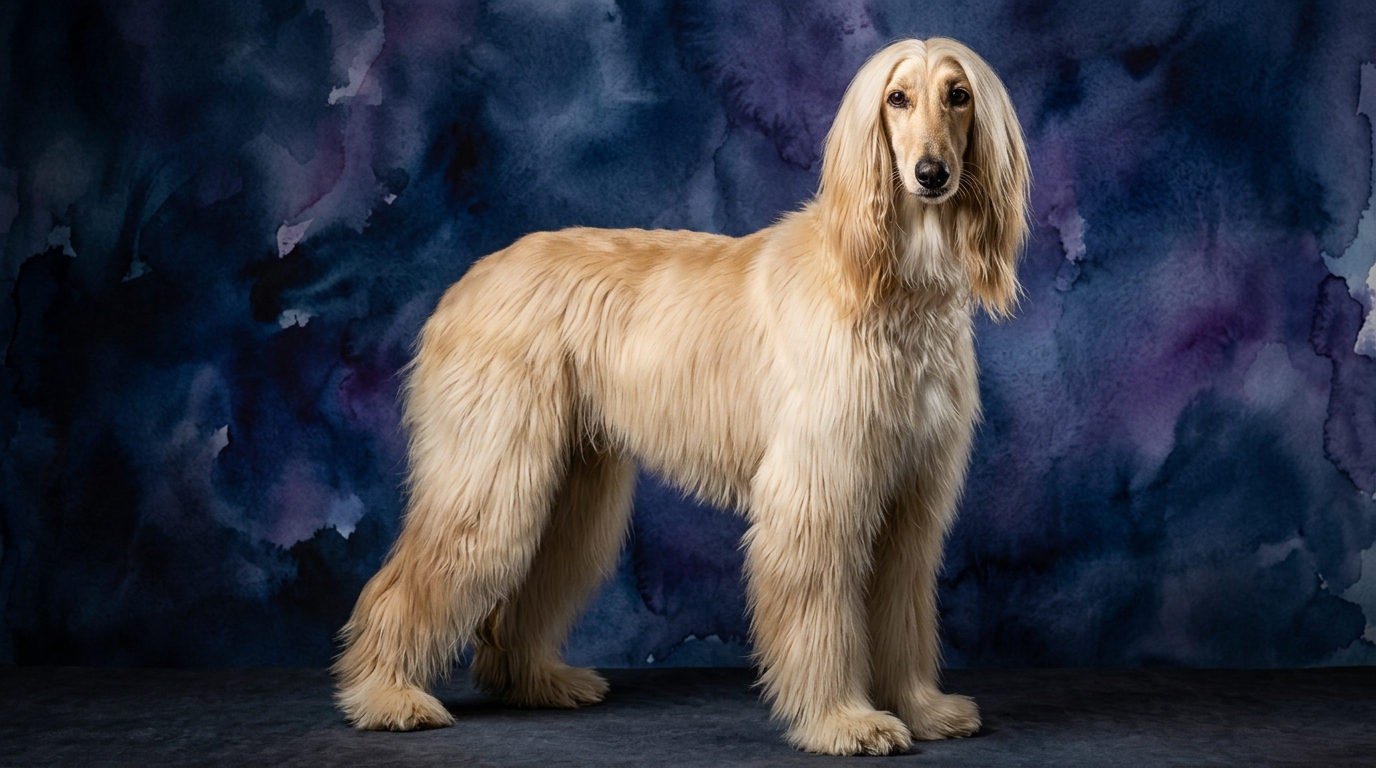
With a Coren rank of #79, the Afghan Hound demonstrates a unique cognitive makeup. Their Problem Solving is rated at a solid 4/5, indicating an impressive capacity for independent thought and strategic action, often applied in self-directed tasks. However, their Training Speed is a low 1/5, reflecting a pronounced independence that often prioritizes their own agenda over human directives. Social Intelligence stands at 2/5, suggesting a more reserved and less overtly people-focused interaction style. Their Instinctive Drive is an exceptional 5/5, a clear nod to their sighthound heritage where keen senses and a powerful chase instinct were paramount. Memory is rated 3/5, sufficient for retaining relevant information but perhaps selective in what it deems important to recall.
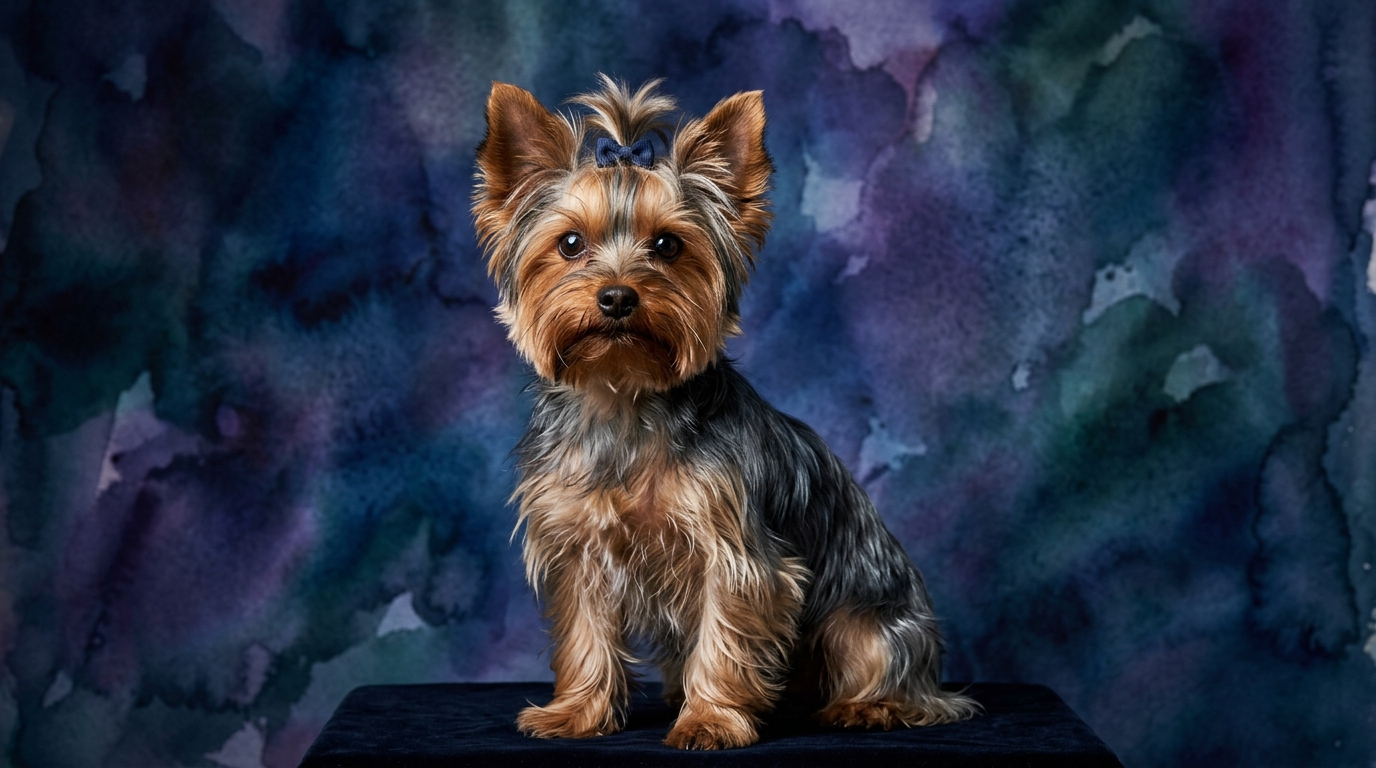
Ranking significantly higher at #27 on Coren's scale, the Yorkshire Terrier presents a more biddable cognitive profile. Their Problem Solving is 3/5, indicating a practical intelligence focused on navigating their immediate environment and achieving desired outcomes. A Training Speed of 4/5 means they are generally eager and quick to pick up new commands and routines, making them responsive learners. Their Social Intelligence is a strong 4/5, enabling them to form deep bonds and skillfully interpret human cues, often integrating seamlessly into family dynamics. An Instinctive Drive of 4/5 showcases their terrier roots, manifesting as a persistent curiosity, a keen prey drive for small vermin, and a determined spirit. Their Memory is also strong at 4/5, contributing to their reliable recall of training and established household patterns.
Where the Afghan Hound Cognitively Excels
The Afghan Hound’s cognitive strengths lie profoundly in its independent Problem Solving and unparalleled Instinctive Drive. Rated 4/5 for problem-solving, this breed exhibits a self-reliant intelligence, allowing them to assess situations and devise solutions without constant human guidance. This isn't about solving puzzles for treats, but rather navigating complex terrains during a chase, strategically anticipating prey movements, or finding their way back over vast distances – skills honed over centuries as hunters in challenging environments. Their 5/5 Instinctive Drive fuels this autonomy, providing an unwavering focus and determination when pursuing a goal, whether it's a perceived quarry or a desired path. This profound drive means they are intrinsically motivated by their senses and their own internal compass, making them formidable in tasks requiring endurance, self-direction, and a deep connection to their primal instincts rather than human-centric tasks. Their aloofness, often misinterpreted, is a byproduct of this self-sufficiency, indicating a mind more occupied with its sensory world and internal motivations than constant social engagement.
Where the Yorkshire Terrier Cognitively Excels
The Yorkshire Terrier shines brightest in areas of Training Speed, Social Intelligence, and Memory. With a 4/5 rating for Training Speed, these small terriers demonstrate a remarkable aptitude for learning, readily absorbing new commands and adapting to household rules. This eagerness to please, combined with their sharp observational skills, makes them highly receptive to structured training and consistent routines. Their Social Intelligence, also rated 4/5, allows them to excel in understanding and responding to human emotions and social cues, fostering a deep companionship. They are adept at integrating into family life, often becoming keen observers of daily rhythms and expectations, using this insight to navigate their interactions effectively. Coupled with a Memory score of 4/5, Yorkshire Terriers reliably recall learned behaviors, routines, and the intricate social dynamics of their human family, contributing to their reputation as adaptable and well-mannered housemates who rarely forget a lesson or a familiar face.
Trainability: A Tale of Two Temperaments
When it comes to trainability, the contrast between these two breeds is stark, largely due to their differing cognitive priorities and historical roles. The Yorkshire Terrier, with its 4/5 Training Speed and 4/5 Social Intelligence, is generally considered far easier to train. They possess a natural eagerness to engage with their human companions and a quick grasp of commands, making them responsive to positive reinforcement methods. Their terrier tenacity, coupled with a desire to please, means they often enjoy the mental stimulation of learning new tricks and adhering to routines. Conversely, the Afghan Hound's 1/5 Training Speed and 2/5 Social Intelligence paint a picture of a more challenging training experience. Their independence and focus on their own instinctive drives mean they are not inherently motivated by human praise or repetitive drills. An Afghan Hound might understand a command perfectly but choose not to execute it if it doesn't align with its current interest, such as spotting something intriguing in the distance. Training an Afghan requires immense patience, creativity, and a deep understanding of their sighthound nature, focusing on building a partnership through mutual respect rather than strict obedience, often employing methods that tap into their natural instincts rather than overriding them. Their low social intelligence in a training context means they are less inclined to perform simply to make their owner happy, demanding a trainer who can make learning inherently rewarding for the dog itself.
Owners: Active Explorers vs. Engaged Companions
The ideal owner profiles for the Afghan Hound and the Yorkshire Terrier diverge significantly, reflecting their unique cognitive and physical needs. An Afghan Hound thrives with an owner who embraces their independent spirit and can accommodate their formidable instinctive drive. These dogs require substantial opportunities for free-running in secure areas where their powerful chase instinct can be safely expressed without risk. Owners must be prepared for a dog that, while affectionate, may not always be overtly demonstrative and will often make its own decisions, particularly outdoors. They are suited for active individuals or families who understand the nuances of a sighthound’s psychology, offering patient, consistent guidance rather than expecting unwavering obedience, and who appreciate a canine companion that retains a strong sense of self.
In contrast, the Yorkshire Terrier is an excellent fit for owners seeking an engaged, interactive companion. Their high social intelligence and trainability mean they flourish in environments where they receive consistent attention, mental stimulation through training, and participate actively in family life. While energetic and spirited, their exercise needs are more manageable within a typical home and yard, though they still enjoy walks and playtime. They are ideal for individuals or families who appreciate a dog that is keen to learn, eager to please, and deeply connected to its human companions, offering plenty of cuddles and playful antics. Owners should be prepared to channel their terrier drive into appropriate activities, like puzzle toys or scent games, to prevent boredom.
The Verdict
Choose an Afghan Hound if you value a majestic, independent companion with profound instinctive drives, are prepared for a patient, nuanced training journey, and can provide ample space for their physical expression.
Opt for a Yorkshire Terrier if you seek a highly trainable, socially adept, and interactive companion that integrates seamlessly into family life and thrives on close human connection.
🧠 Find Your Pet's IQ Score
Our Pet IQ Lab assessment covers 25+ tests across 5 cognitive dimensions — personalized to your breed.
Take the Full IQ Test →Frequently Asked Questions
Are Afghan Hounds difficult dogs to own?
Afghan Hounds present unique challenges due to their independence and strong instinctive drive, making them less biddable than many breeds. While not inherently difficult, they require owners who understand their sighthound nature, are committed to patient training, and can provide appropriate outlets for their energy and chase instincts. They are not for first-time dog owners seeking an easily obedient pet.
Do Yorkshire Terriers get along with children and other pets?
Yorkshire Terriers generally possess good social intelligence and can get along well with respectful children and other pets, especially if socialized early. Their terrier assertiveness means supervision is key, particularly with very young children who might not understand gentle interaction. With proper introductions, they can coexist harmoniously in multi-pet households.
What kind of mental stimulation do Afghan Hounds need beyond physical exercise?
Beyond extensive physical exercise, Afghan Hounds benefit from mental stimulation that engages their problem-solving skills and instinctive drives, such as lure coursing, scent work, or exploring new, safe environments. Puzzle toys can be effective, but activities that tap into their natural hunting behaviors, like tracking games, are often most rewarding for their independent minds.