The Cosmic Pet Pet IQ Lab: A Side-by-Side Cognitive Profile
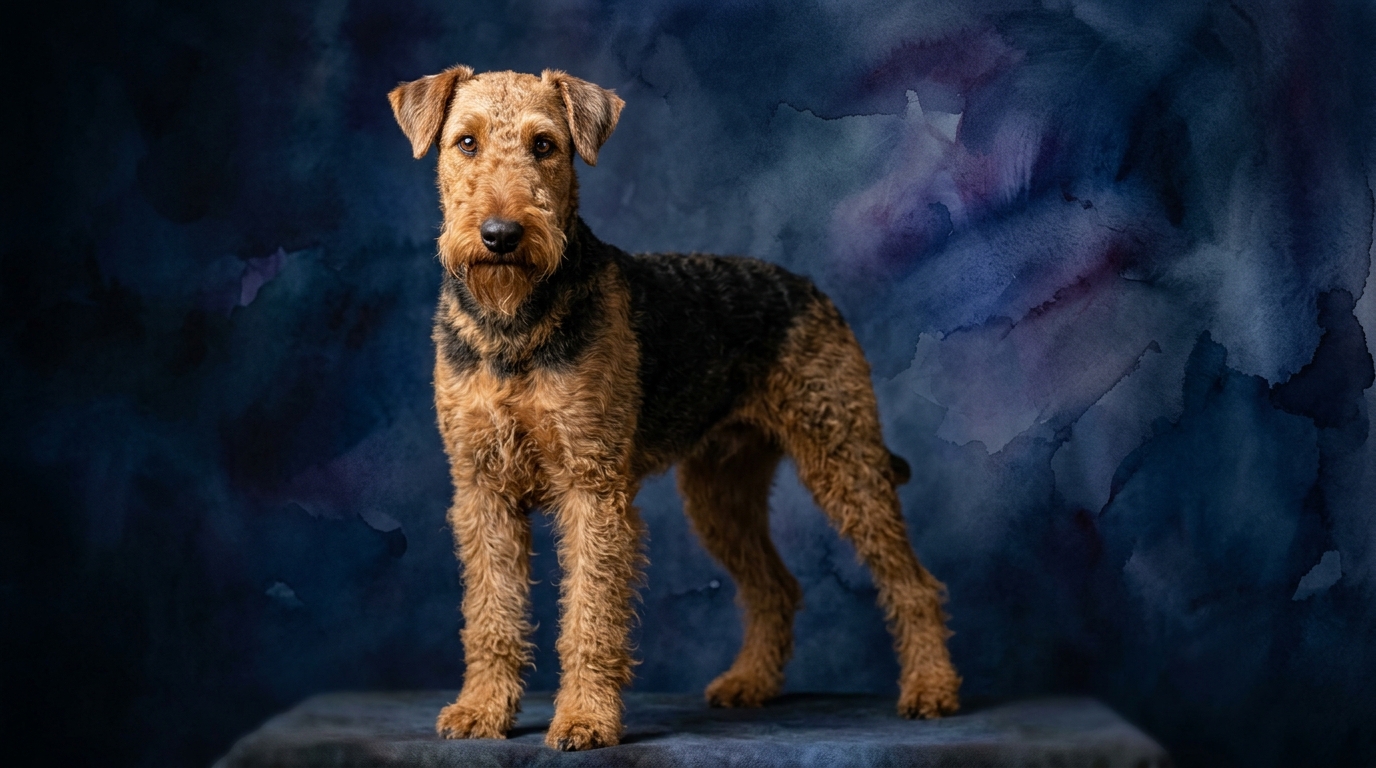
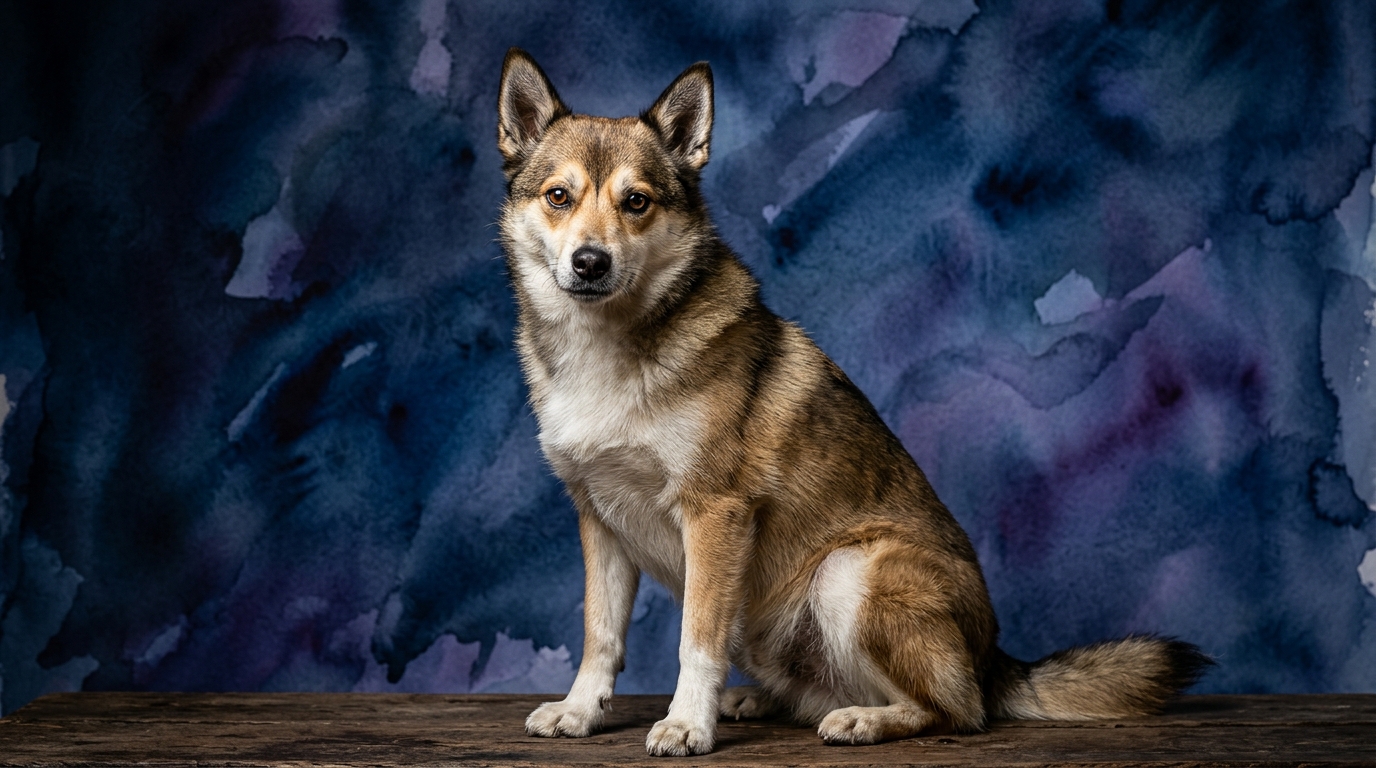
The Cosmic Pet Pet IQ Lab assesses canine intelligence across five key dimensions, providing a nuanced understanding of how each breed approaches the world. For the Airedale Terrier, ranked #29 by Coren, we observe a robust cognitive toolkit, while the Norwegian Lundehund, though not Coren-ranked, presents a unique set of skills forged by its specialized history.
The Airedale Terrier demonstrates an impressive Problem Solving score of 4/5. This indicates a breed capable of independently navigating complex situations, often finding creative solutions to obstacles. Their Training Speed also rates 4/5, suggesting they grasp new commands and routines with relative swiftness, though their independent streak means consistent engagement is key. Social Intelligence is marked at 3/5, signifying an ability to interact appropriately but potentially with a degree of self-sufficiency rather than constant seeking of approval. An Instinctive Drive of 3/5 reflects their terrier heritage, possessing a moderate prey drive and territoriality. Finally, their Memory score of 4/5 means they retain learned behaviors and experiences over time, making long-term training effective.
In contrast, the Norwegian Lundehund, a breed with a highly specialized historical role, shows a different cognitive pattern. Their Problem Solving is rated 3/5, indicating they can figure out environmental challenges but may take a more deliberate or instinct-driven approach compared to the Airedale's more generalized ingenuity. Training Speed also sits at 3/5; Lundehunds can learn, but they often require more patience, repetition, and motivation, preferring to assess the value of a command. Their Social Intelligence is 3/5, similar to the Airedale, but often manifesting as a reserved nature with strangers and a deep, specific bond with their immediate family. An Instinctive Drive of 3/5 highlights their unique history of hunting puffins in treacherous cliff environments, manifesting as a drive for exploration and climbing rather than a broad prey drive. Their Memory score of 3/5 suggests they retain information, but consistent reinforcement helps solidify learned behaviors.
Where the Airedale Terrier Excels Cognitively
The Airedale Terrier's cognitive strengths primarily lie in their capacity for rapid learning and sophisticated problem-solving. Their 4/5 rating in both Problem Solving and Training Speed means they are adept at processing new information and applying it to novel situations quickly. This translates into a dog that can master intricate obedience routines, excel in dog sports like agility or rally, and even learn complex multi-step tasks required for service work or advanced trick training. Their ability to connect cause and effect efficiently allows them to anticipate outcomes and adjust their behavior accordingly.
Furthermore, the Airedale's superior Memory score (4/5) reinforces their training potential. They do not easily forget commands or boundaries once established, meaning that initial training efforts yield lasting results. This robust memory, combined with their problem-solving acumen, enables Airedales to adapt to changing environments and remember solutions to recurring challenges, making them particularly resourceful companions in dynamic living situations. Their cognitive profile suggests a dog that thrives on intellectual engagement and consistent mental stimulation.
Where the Norwegian Lundehund Shines Cognitively
While not possessing the same generalized learning speed as the Airedale, the Norwegian Lundehund's cognitive strengths are deeply rooted in their specialized ancestral role. Their 3/5 Problem Solving, combined with a 3/5 Instinctive Drive, points to a unique form of environmental intelligence. These dogs were bred to navigate treacherous, rocky cliffs in pursuit of puffins, requiring exceptional body awareness, balance, and a persistent, methodical approach to overcoming physical obstacles. Their famous flexibility—including six toes and highly mobile joints—is not just physical; it reflects a problem-solving strategy focused on adapting their bodies to their environment.
The Lundehund's cognitive edge lies in this specialized persistence and physical ingenuity. They are adept at finding paths through difficult terrain, squeezing into tight spaces, and demonstrating an almost cat-like agility in vertical environments. This isn't about solving abstract puzzles, but about practical, survival-oriented problem-solving that leverages their unique physical attributes. Their social intelligence, rated 3/5, manifests as a strong, almost singular bond with their primary caregivers, showing a deep capacity for specific social attachments rather than broad sociability. This focused loyalty is a cognitive strength for owners seeking a devoted, unique companion.
Training Dynamics: Airedale Terrier vs. Norwegian Lundehund
When it comes to trainability, the Airedale Terrier generally presents a more straightforward path for owners seeking a responsive learner. With a Training Speed of 4/5 and Problem Solving at 4/5, Airedales absorb commands and sequences relatively quickly. They enjoy the challenge of learning and excel when presented with varied, engaging tasks. However, their intelligence also comes with a strong will; they require an owner who can provide consistent, firm, and fair leadership, as they are capable of outthinking an inconsistent trainer. Their terrier spirit means that while they learn fast, they might also test boundaries.
The Norwegian Lundehund, with a Training Speed of 3/5, requires a different approach marked by patience and understanding. They are not slow learners, but rather deliberate ones who need to be convinced of the value of a command. Their independent nature, honed by centuries of working alone, means they are less inclined to offer automatic compliance. Owners must employ positive reinforcement methods, keep training sessions short and fun, and understand that a Lundehund might choose to obey because they want to, not just because they are told. Their moderate memory (3/5) means consistent, positive repetition is more crucial than with an Airedale to solidify behaviors.
Suited Owners: Active Lifestyles vs. Relaxed Companionship
The Airedale Terrier is an ideal match for active owners who thrive on engagement and mental stimulation. Their high Problem Solving and Training Speed scores mean they need more than just physical exercise; they require intellectual challenges to prevent boredom and destructive behaviors. Owners who enjoy dog sports, advanced obedience, long hikes, or even a 'job' for their dog will find the Airedale a willing and capable partner. They fit well into households that can provide consistent training, varied activities, and a leadership role that the Airedale respects.
The Norwegian Lundehund, while also benefiting from activity, is perhaps better suited for owners who appreciate a unique, independent spirit and value companionship over strict obedience. Their distinct physical abilities and moderate instinctive drive suggest a need for secure outdoor exploration, but without the high-octane demand of an Airedale. Owners who are patient, understanding of a dog's independent streak, and willing to embrace a more reserved social nature will find a devoted, quirky companion. They are excellent for those who appreciate a quiet, observant presence and can provide a consistent, loving home environment without demanding constant interaction or high-level performance.
The Verdict
Choose an Airedale Terrier if you seek a highly trainable, intellectually keen companion eager for complex tasks and consistent engagement, thriving with an active, assertive owner.
Opt for a Norwegian Lundehund if you appreciate a unique, independent, and physically resourceful dog with specific loyalty, requiring patient, understanding owners who value quirky companionship over strict obedience.
🧠 Find Your Pet's IQ Score
Our Pet IQ Lab assessment covers 25+ tests across 5 cognitive dimensions — personalized to your breed.
Take the Full IQ Test →Frequently Asked Questions
Do Airedale Terriers need a lot of mental stimulation?
Yes, with a Problem Solving score of 4/5 and Training Speed of 4/5, Airedale Terriers require significant mental engagement to prevent boredom. They thrive on learning new commands, puzzles, and participating in dog sports.
Are Norwegian Lundehunds good with children?
Norwegian Lundehunds can be good with respectful children, especially if raised together, but their Social Intelligence of 3/5 means they might be reserved with strangers. Early socialization is crucial to foster positive interactions.
Which breed is better for first-time dog owners?
Neither breed is typically recommended for first-time dog owners without significant commitment to research and training. The Airedale requires assertive leadership and consistent training, while the Lundehund's independence and unique quirks demand patience and understanding.