Side-by-Side Cognitive Profile
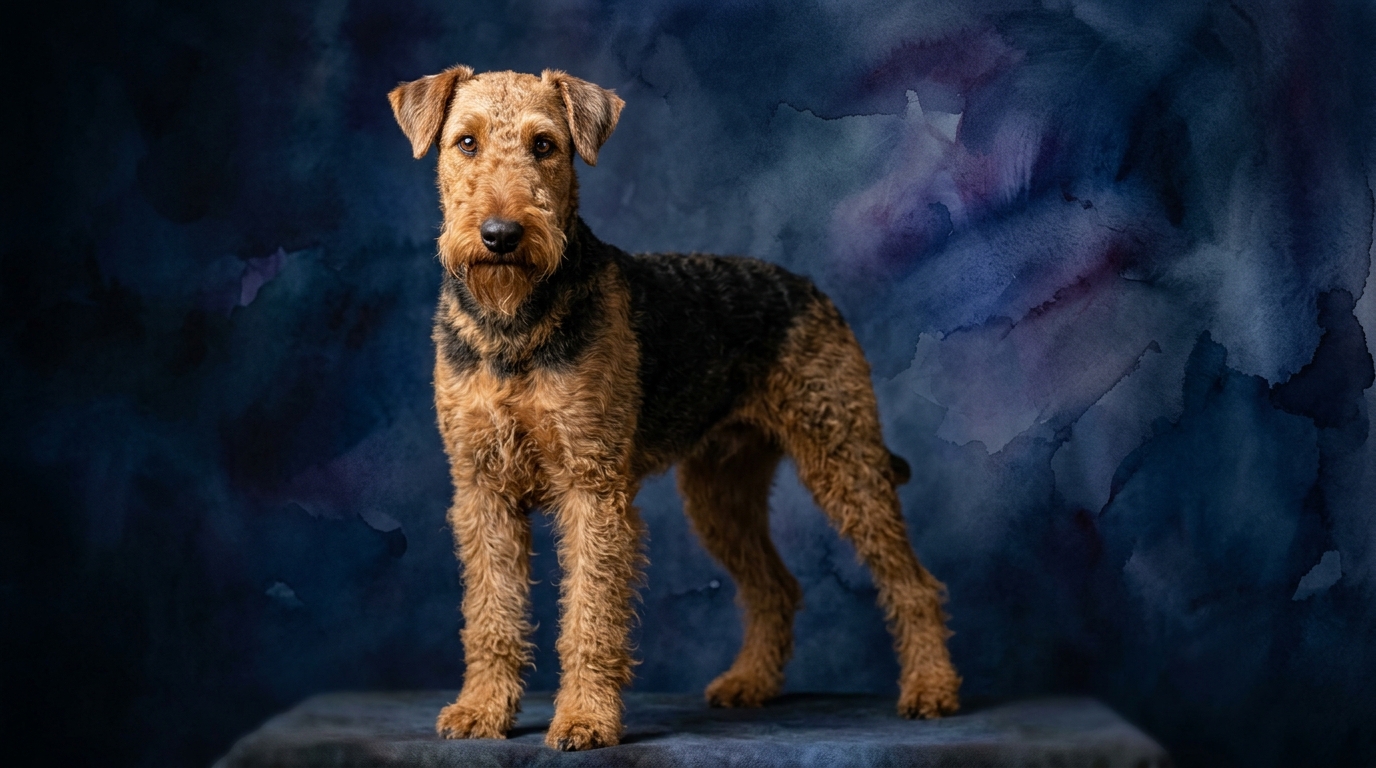
Delving into the specific cognitive dimensions for both breeds offers a clearer picture of their intellectual leanings. For the Airedale Terrier, ranked #29 by Coren, its Problem Solving capacity stands at a robust 4/5, indicating a strong aptitude for independent thought and navigating novel situations. Its Training Speed also scores 4/5, suggesting a quick grasp of new commands and routines, often requiring fewer repetitions than many breeds. Social Intelligence registers at 3/5, implying a moderate ability to interpret human cues and interact appropriately while maintaining a degree of independence. An Instinctive Drive of 3/5 reflects a balanced yet present set of terrier instincts, fueling their activity and engagement. Finally, its Memory is strong at 4/5, allowing for excellent retention of learned behaviors and experiences over time.
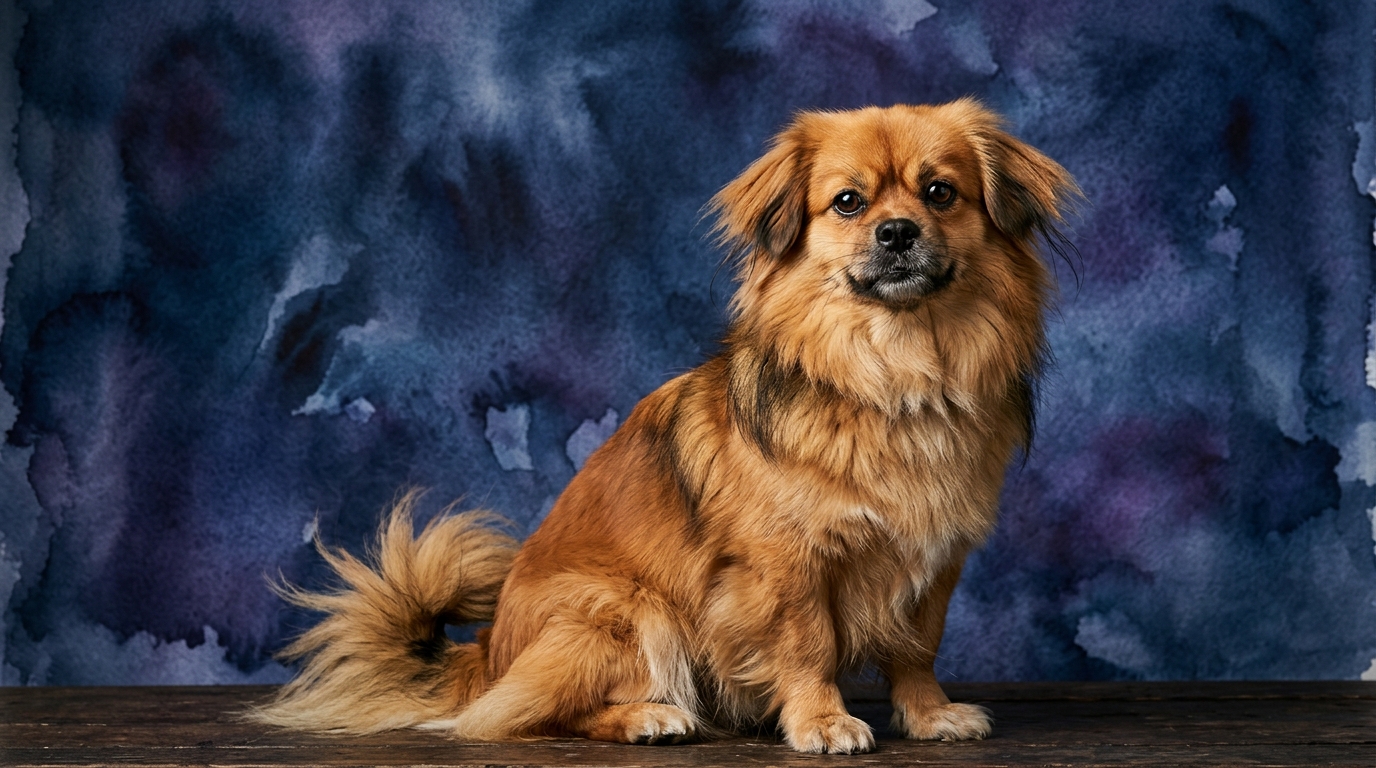
The Tibetan Spaniel, while not Coren-ranked, presents a distinct yet equally valuable cognitive blueprint. Its Problem Solving ability is rated at 3/5, showcasing a solid capacity for practical daily challenges and cause-and-effect understanding, though perhaps less inclined towards abstract strategizing. Training Speed for the Tibetan Spaniel also sits at 3/5, indicating a respectable learning curve for commands and house rules with consistent, positive reinforcement. Notably, its Social Intelligence matches the Airedale at 3/5, suggesting a comparable ability to understand and respond to human emotions and social dynamics, often with a keen observational quality. Instinctive Drive is also 3/5, reflecting a moderate level of innate behaviors tied to their historical role as watchful companions rather than hunters. Its Memory is scored at 3/5, functional for retaining routines, people, and places, though perhaps not with the same intricate detail as a breed with a higher score.
Where the Airedale Terrier Excels Cognitively
The Airedale Terrier's cognitive strengths distinctly emerge in areas demanding independent thought and rapid assimilation. Its superior Problem Solving score of 4/5, compared to the Tibetan Spaniel’s 3/5, signifies a more pronounced ability to independently conceptualize solutions to novel challenges. This isn't merely about following instructions, but about figuring out how to bypass an obstacle or retrieve a complexly hidden object. Their heritage as working terriers, often operating without direct human guidance, cultivated this ingenuity and self-reliance in decision-making.
Furthermore, the Airedale's Training Speed of 4/5 outpaces the Tibetan Spaniel’s 3/5, translating into a quicker acquisition of new commands and routines. This reflects a faster rate of neural association between cues and actions, meaning fewer repetitions are needed for mastery. For owners, this often results in a more dynamic and engaging training experience, as the Airedale thrives on mental challenge. Coupled with its 4/5 Memory score, the Airedale retains learned information and experiences more effectively over extended periods, solidifying training and allowing them to build a comprehensive understanding of their environment and expectations.
Where the Tibetan Spaniel Shines Cognitively
While not always reflected in higher numerical scores, the Tibetan Spaniel possesses a unique cognitive profile that makes it exceptionally suited for its companion role. Its Social Intelligence, matching the Airedale at 3/5, often manifests as a subtle, intuitive understanding of human emotions and household dynamics. Their centuries-long role as companions in monasteries fostered a refined ability to read nuanced cues and adapt their presence without requiring explicit commands, making them acutely perceptive and empathetic companions.
The Tibetan Spaniel’s Instinctive Drive, also 3/5, stems from a different historical purpose: that of a vigilant watchdog rather than a hunter. This translates to a keen observational intelligence, where their drive is channeled into alertness and awareness of their surroundings, often without the high prey drive or intense physical demands of a terrier. Their cognitive predisposition for observation and subtle warning makes them excellent, low-impact sentinels. While the Airedale excels in active manipulation to solve problems, the Tibetan Spaniel often demonstrates a practical, adaptive problem-solving approach focused on optimizing their comfort and position within their environment. They might strategically find the warmest sunbeam, the best vantage point for observation, or the most comfortable lap, showcasing a quiet ingenuity tailored to their companion role rather than complex, task-oriented challenges.
Training Dynamics: Airedale vs. Tibetan Spaniel
When considering ease of training, the Airedale Terrier’s 4/5 Training Speed and 4/5 Memory generally position it as quicker to grasp and retain complex commands and routines. They thrive on engaging, consistent training that respects their intellect and channels their robust drive. However, their strong problem-solving ability and inherent terrier tenacity mean they can also be independent and test boundaries, requiring an owner who enjoys a collaborative and mentally stimulating training partnership. An Airedale often views training as a challenging game, and if not channeled effectively, their persistence can be perceived as stubbornness.
The Tibetan Spaniel, with a 3/5 Training Speed, learns at a respectable pace but may require more patience and repetition. Their social intelligence and desire for companionship make them willing to please, yet their inherent independence and occasional 'Tibbie will' attitude mean they respond best to positive reinforcement and gentle methods. They aren't typically driven by a need to perform elaborate routines, but rather by the desire for connection and understanding of household rules. Training a Tibetan Spaniel is less about achieving lightning-fast responses and more about building a trusting relationship where they choose to cooperate, making consistency and positive reinforcement key.
Matching Canine Cognition to Lifestyle
For owners with an active lifestyle, the Airedale Terrier’s cognitive profile aligns wonderfully. Their strong problem-solving and instinctive drive mean they thrive on consistent mental and physical stimulation, whether learning new tricks, participating in dog sports like agility, or engaging in long, exploratory walks that challenge their senses. Owners who enjoy training and can channel their terrier intelligence and energy will find a deeply rewarding and engaged partnership. A less active owner might find an Airedale bored or prone to channeling their cognitive energy into less desirable behaviors if their needs for engagement aren't consistently met.
Conversely, the Tibetan Spaniel, with its balanced instinctive drive and solid social intelligence, is well-suited for more relaxed owners. They appreciate companionship and moderate activity, enjoying leisurely strolls around the neighborhood or supervised playtime in a secure yard. While they benefit from mental engagement, their needs are often met with interactive puzzle toys, consistent household routines, and ample time spent close to their family, rather than demanding, high-intensity training regimens. Their social nature means they are content to observe and participate in family life, offering quiet companionship without requiring constant, strenuous 'jobs.'
The Verdict
Choose the Airedale Terrier if you seek a cognitively challenging companion, eager for complex training and activities that engage their independent problem-solving and robust memory. They thrive with owners who can match their mental and physical energy.
Opt for the Tibetan Spaniel if you desire a perceptive, adaptable companion who integrates smoothly into a more relaxed household, valuing their subtle social intelligence and observant nature over high-octane performance. They flourish with gentle guidance and consistent companionship.
🧠 Find Your Pet's IQ Score
Our Pet IQ Lab assessment covers 25+ tests across 5 cognitive dimensions — personalized to your breed.
Take the Full IQ Test →Frequently Asked Questions
Do Airedale Terriers need more mental stimulation than Tibetan Spaniels?
Yes, Airedale Terriers generally require more intensive mental engagement due to their higher problem-solving and memory scores. They benefit from complex training, puzzle toys, and activities that challenge their independent thought processes, whereas Tibetan Spaniels are often content with moderate mental enrichment.
Are Tibetan Spaniels easier to live with for first-time dog owners?
Tibetan Spaniels can be a good fit for first-time owners due to their adaptable nature and moderate activity needs, provided the owner is prepared for their independent streak. Airedale Terriers, with their strong drive and need for consistent training, might be more challenging for those new to dog ownership.
How does the Coren ranking relate to these breeds' IQ scores?
The Coren ranking primarily measures 'working and obedience intelligence,' aligning closely with our 'training speed' and 'problem-solving' dimensions. The Airedale's #29 rank reflects its higher scores in these areas, while the Tibetan Spaniel's lack of ranking doesn't imply a lack of intelligence, but rather a different set of cognitive strengths not traditionally emphasized in obedience trials.