
Side-by-Side Cognitive Profiles
The Cosmic Pet Pet IQ Lab assesses canine intelligence across five key dimensions, offering a nuanced view of each breed's mental strengths. Here's how the Akita and Affenpinscher compare:
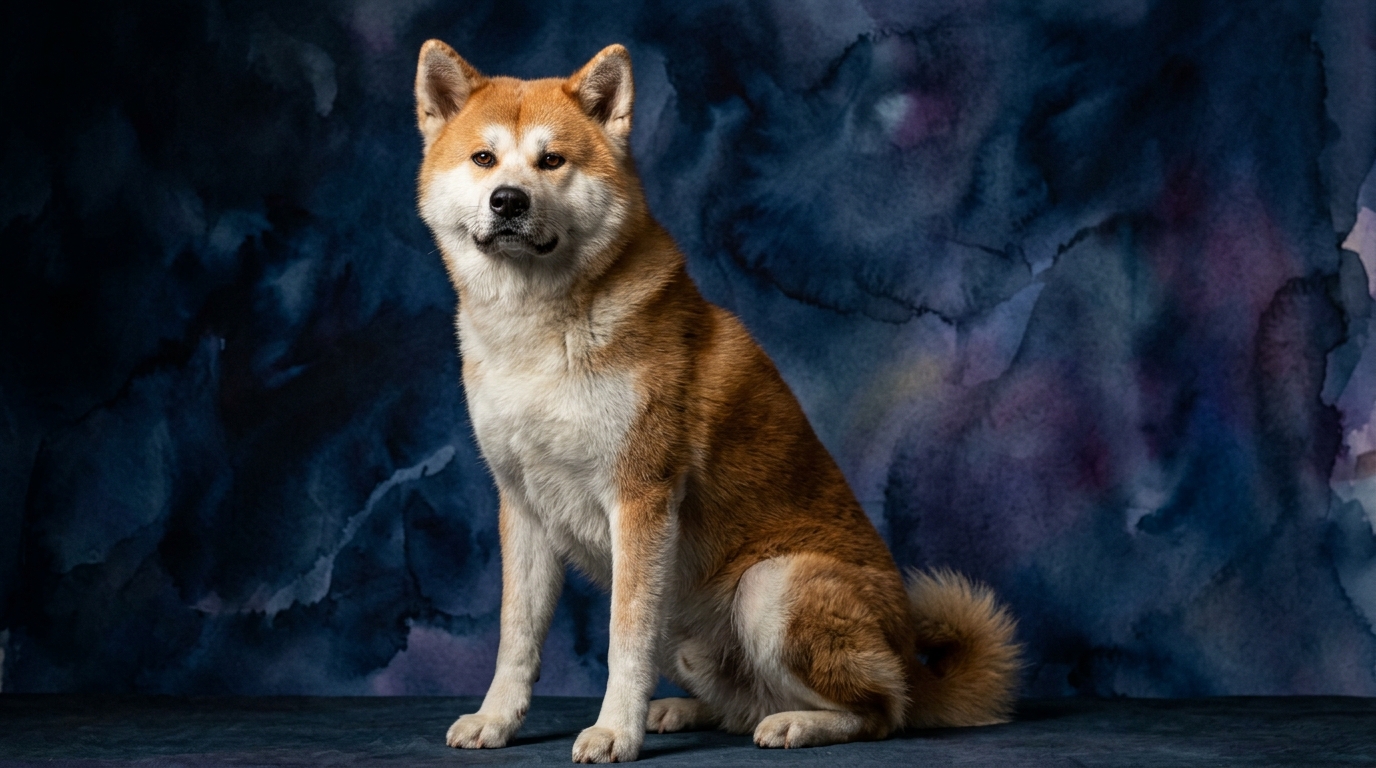
**Akita IQ Profile:** Problem Solving (3/5): Akitas approach challenges with a deliberate, often independent method, meticulously assessing situations before acting. Their problem-solving is deeply rooted in their working heritage, manifesting as strategic thought for tasks like guarding a perimeter or managing resources within their territory, rather than impulsive reactions. Training Speed (2/5): Training an Akita demands considerable patience and consistency, as they possess a formidable will and often question the inherent value or necessity of a command. Their learning curve is less about slowness and more about their selective compliance, meaning they require compelling motivation to prioritize human instruction over their own judgment. Social Intelligence (3/5): Akitas exhibit a reserved social intelligence, forming profound, exclusive bonds with their immediate family while typically remaining aloof or overtly wary of strangers and other animals. They keenly interpret social cues within their established “pack” but are not inclined towards broad social engagement or universal friendliness. Instinctive Drive (5/5): Their instinctive drive is exceptionally potent, a direct inheritance from centuries of serving as formidable guardians and hunters. This manifests as powerful territorial instincts, a strong prey drive, and an innate, profound sense of responsibility for their family and domain, influencing most of their decision-making. Memory (4/5): Akitas possess a sharp and enduring memory, retaining learned behaviors, past experiences, and intricate social interactions for extended periods. This contributes significantly to their consistent habits, their reliability in remembering routines, and their ability to recall both positive and negative encounters with remarkable clarity.
**Affenpinscher IQ Profile:** Problem Solving (3/5): Affenpinschers tackle problems with a curious, often inventive, and agile approach, frequently employing their quick wits and physical dexterity to navigate obstacles or achieve desired outcomes. Their solutions tend to be practical and immediate, reflecting their lively, adaptable, and sometimes mischievous nature. Training Speed (3/5): These small dogs learn new commands and routines at a moderate, steady pace, responding well to positive reinforcement and engaging, varied training sessions. While capable of quick uptake, their playful and sometimes easily distracted temperament ensures training remains an enjoyable, interactive process. Social Intelligence (3/5): Affenpinschers demonstrate a vibrant social intelligence, frequently engaging with their family members through expressive communication and a clear desire for interaction. While they can be discerning with strangers, they are generally more open, adaptable, and socially flexible in various novel environments than the Akita. Instinctive Drive (3/5): Their instinctive drives are present but more balanced and less intensely focused compared to larger working breeds. This manifests as a moderate prey drive for small, fast-moving objects and a natural inclination towards companionship, playful exploration, and engaging with their human family. Memory (3/5): Affenpinschers have a solid memory for routines, familiar faces, and learned cues, enabling them to adapt well to household structures and remember past interactions. Their recall is reliable for their typical daily engagements, contributing to their trainability and consistent behavior within their environment.
Where the Akita Wins Cognitively
The Akita demonstrates distinct cognitive advantages rooted in its historical role as a guardian and hunter. Its unparalleled instinctive drive (5/5) for protection, coupled with its robust memory (4/5), makes it uniquely proficient in long-term, self-directed vigilance. An Akita will meticulously remember a perceived threat, a specific boundary, or a past negative interaction for years, applying consistent vigilance and adapting its behavior without needing constant human reminders. This deep-seated, enduring cognitive framework allows them to excel in roles requiring sustained attention to environmental changes and the retention of complex protective protocols, far surpassing the Affenpinscher's more generalized, moderate drives.
Furthermore, while both breeds register 3/5 in problem-solving, the Akita's approach is geared towards strategic, large-scale challenges related to territory or resource management. An Akita might independently devise a nuanced way to secure a perimeter, assess a new person's intentions, or manage dynamics within its family unit, showcasing a deliberate, thoughtful approach to intricate, real-world scenarios that demand foresight and independent judgment.
Where the Affenpinscher Wins Cognitively
The Affenpinscher shines with cognitive strengths focused on adaptability and nimble engagement. Its quicker training speed (3/5) compared to the Akita's (2/5), combined with a more balanced instinctive drive, grants it greater flexibility and responsiveness in diverse learning environments. An Affenpinscher is typically more eager to engage in varied training exercises and adapt to new social situations with less inherent resistance, making it more pliable for learning novel tricks or adjusting to lifestyle changes.
While also rated 3/5 in problem-solving, the Affenpinscher’s approach is often characterized by a quicker, more agile, and experimental method, especially in novel or less structured situations. They might more readily try different tactics to retrieve a toy from a tight spot or solve a new puzzle, demonstrating a flexible and curious mindset that benefits from rapid trial-and-error. This cognitive agility allows them to navigate new challenges with an inventive spirit.
Additionally, the Affenpinscher's social intelligence, while sharing the same rating, manifests as a more generally outgoing and adaptable social demeanor than the Akita's reserved nature. This enables the Affenpinscher to integrate more smoothly into varied social dynamics, showing quicker comfort with new people or unfamiliar environments, which is a significant cognitive advantage in navigating diverse human interactions.
Training Aptitude: Akita vs. Affenpinscher
The Affenpinscher generally offers a more straightforward training experience due to its quicker training speed (3/5) and a more moderate instinctive drive (3/5). Their natural inclination for interaction and a less pronounced independent streak means they are often more amenable to following cues and engaging enthusiastically in repetitive learning sessions. For instance, an Affenpinscher is more likely to perceive a training session as an engaging, cooperative game, quickly picking up new tricks and responding to positive reinforcement with visible delight. Their eagerness to please and playful nature make them highly receptive to varied teaching methods.
In stark contrast, the Akita's lower training speed (2/5) and exceptionally high instinctive drive (5/5) mean they frequently evaluate commands against their own perceived importance, utility, or their inherent guarding duties. They possess a formidable independent will, which can translate into a "what's the benefit for me?" attitude, making consistent, patient, and highly motivating training absolutely essential. For example, an Akita might fully comprehend a command but choose not to perform it if it conflicts with their internal priorities, such as maintaining vigilance over their territory or assessing a perceived threat. Their strong memory (4/5) for past interactions also means they remember ineffective or unfair training methods, necessitating trainers to be consistently fair, engaging, and to build a relationship based on mutual respect and trust.
Matching Canine Cognition to Lifestyle
The Akita is best suited for active owners who not only understand but also deeply appreciate a dog with a powerful, independent spirit and a profound desire for purpose. These owners must be prepared to provide consistent, engaging mental stimulation that effectively taps into the Akita's high instinctive drive and strategic problem-solving capabilities. Daily long walks, challenging scent work, or providing "jobs" around the house that constructively engage their guarding instincts are crucial for their well-being. An Akita thrives when given a clear role and a secure environment to protect, requiring owners who are confident, consistent leaders and can establish clear boundaries with unwavering resolve.
Conversely, the Affenpinscher proves to be a more fitting companion for relaxed owners seeking a lively, adaptable, and often amusing presence. While they certainly benefit from regular play and walks, their moderate instinctive drive and balanced social intelligence mean they are generally content with a harmonious blend of activity and quiet companionship. Their problem-solving skills make them enjoyable participants in puzzle toys and short, engaging training sessions, but they do not demand the same intense cognitive "work" or constant vigilance as an Akita. Owners who enjoy a playful, curious dog that is generally eager to please and adaptable to a less rigorous daily routine will discover the Affenpinscher to be a truly delightful and engaging fit for their lifestyle.
The Verdict
Choose an Akita if you are an experienced owner seeking a deeply loyal, independent guardian who thrives on purposeful work and a clear, consistent leadership structure, and you appreciate a dog with exceptional memory and strong protective instincts.
Opt for an Affenpinscher if you desire a spirited, adaptable, and often amusing companion who enjoys interactive training, adapts readily to various social settings, and offers a charming blend of curiosity and companionship.
🧠 Find Your Pet's IQ Score
Our Pet IQ Lab assessment covers 25+ tests across 5 cognitive dimensions — personalized to your breed.
Take the Full IQ Test →Frequently Asked Questions
Is an Akita difficult to train?
Akitas can be challenging to train due to their strong independent will and tendency to prioritize their own judgment over commands, requiring patient, consistent, and highly motivating methods. Their training speed is lower, meaning they need more repetition and a clear understanding of the command's value to them.
Do Affenpinschers learn tricks easily?
Affenpinschers generally learn tricks with moderate ease, thanks to their solid training speed and curious nature, especially when training is made fun and rewarding. They respond well to positive reinforcement and enjoy the mental engagement of learning new behaviors.
How do their social interaction styles differ?
Akitas are reserved, forming deep bonds with family but often aloof or wary of strangers, demonstrating a selective social intelligence. Affenpinschers are generally more outgoing and adaptable in social settings, showing a livelier and more expressive social intelligence with both family and new acquaintances.