Side-by-Side Cognitive Profiles: Akita vs. Australian Terrier
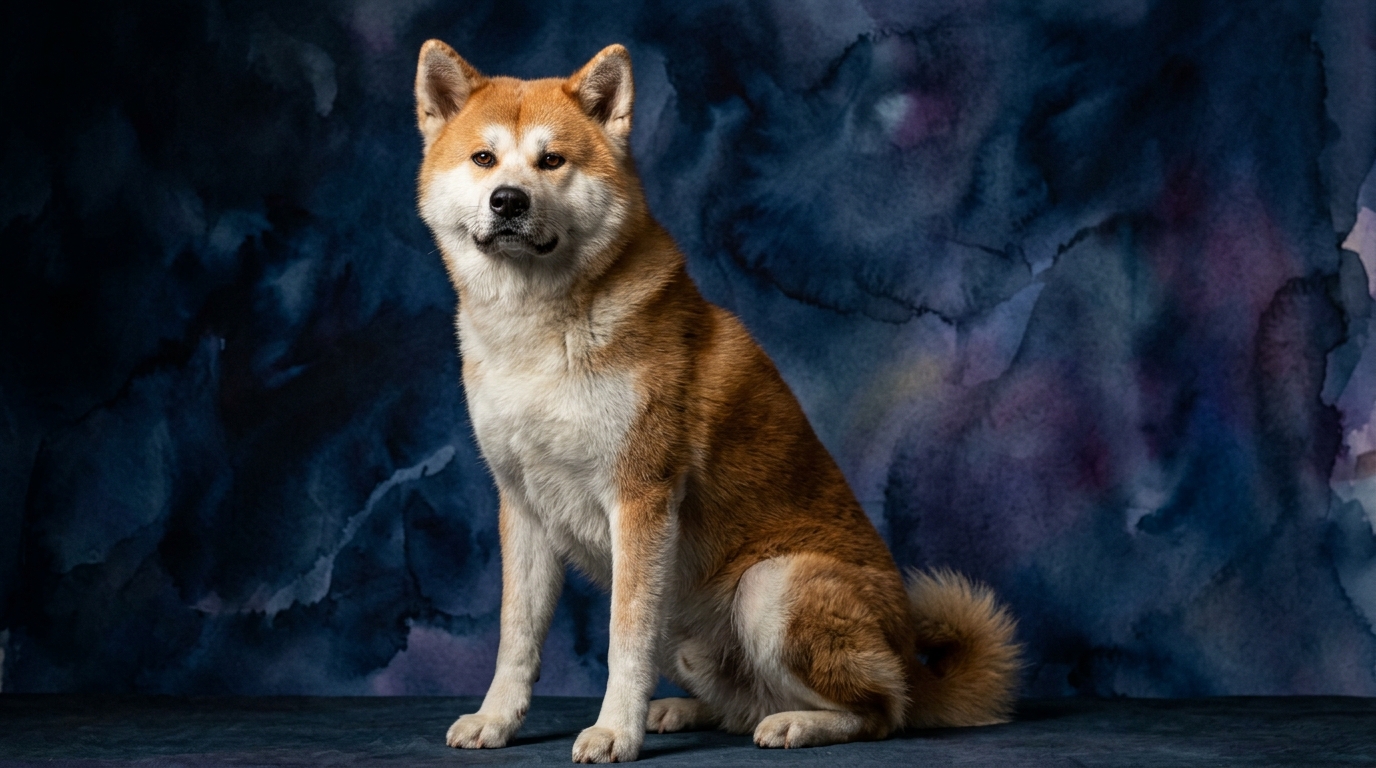
The Cosmic Pet Pet IQ Lab employs five key dimensions to map canine intelligence, offering a nuanced view beyond simple obedience. For the Akita, a breed often revered for its dignified bearing, its Coren rank of #54 places it in the 'Average Working/Obedience Intelligence' category. This indicates they can typically learn new commands within 25-40 repetitions, responding reliably to 50% of commands or better. Their problem-solving ability is rated 3/5, suggesting a moderate capacity to navigate novel challenges, often with a preference for their own methods rather than quick adoption of human-prescribed solutions. Training speed, at 2/5, highlights their deliberate approach to learning, demanding consistent, patient instruction. Social intelligence scores 3/5, reflecting their selective social circles and often reserved nature with outsiders, while their instinctive drive is exceptionally high at 5/5, underpinning their guardian tendencies. Finally, their memory is a robust 4/5, allowing them to retain experiences and learned behaviors with impressive recall.
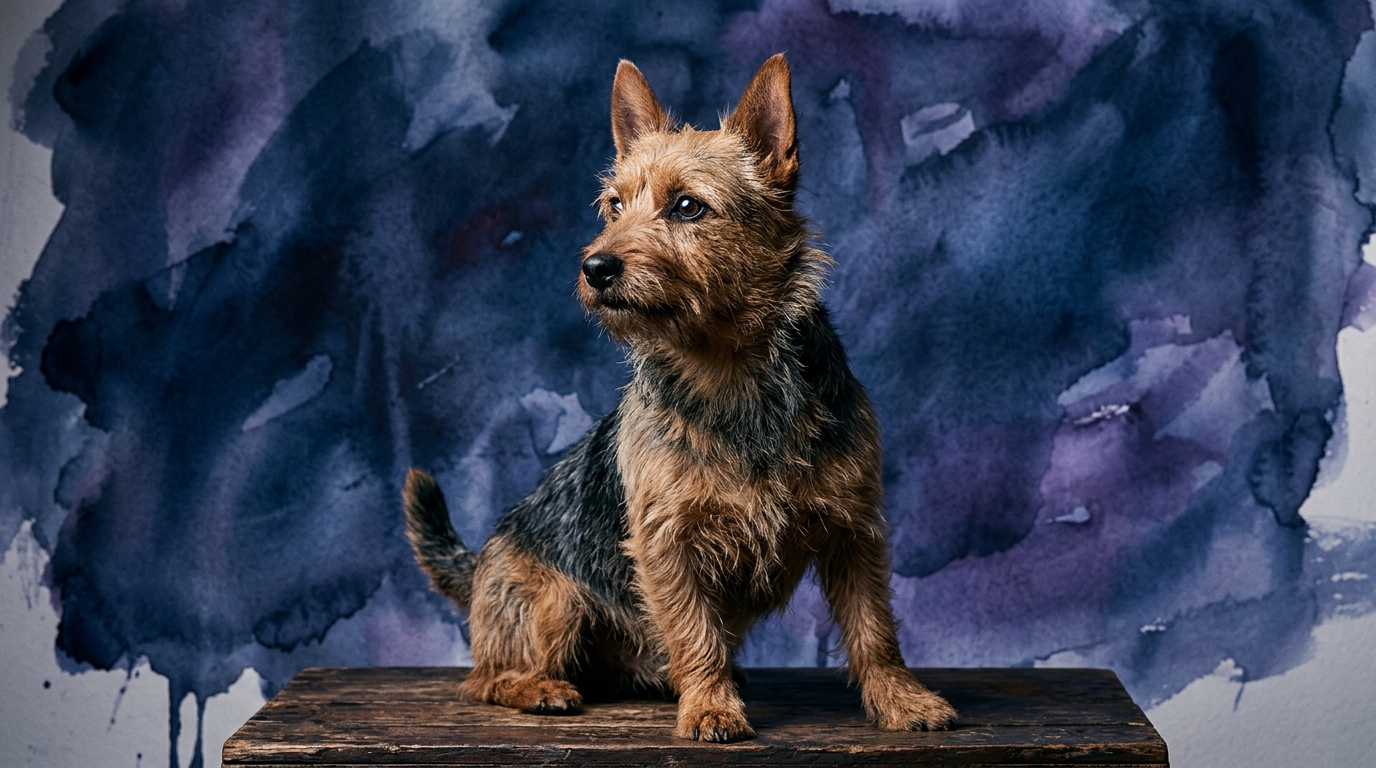
In contrast, the Australian Terrier, a tenacious member of the terrier group, is not specifically listed in Coren's ranking, which often focuses on obedience trial performance rather than comprehensive cognitive assessment. This absence doesn't imply a lack of cognitive prowess but rather a different manifestation of their intellect. Their problem-solving ability is rated 3/5, similar to the Akita, though it often expresses itself through clever, resourceful navigation of their environment, particularly when curiosity or a desired object is involved. Their training speed is a moderate 3/5, making them generally more receptive to learning new cues than the Akita, albeit with a characteristic terrier independent streak. Social intelligence also sits at 3/5, indicating an awareness of human moods and social dynamics, often accompanied by a bold, outgoing demeanor. Their instinctive drive is rated 3/5, primarily focused on hunting small prey and exploring, a classic terrier trait, but less intense than the Akita's guardian instincts. Their memory is a solid 3/5, sufficient for retaining commands and routines, though perhaps less detailed than the Akita's.
Where the Akita's Cognition Excels
The Akita truly distinguishes itself through its exceptionally high instinctive drive, rated 5/5. This isn't merely a physical attribute; it's a profound cognitive program that constantly assesses their environment for perceived threats and responsibilities. This deep-seated guardian instinct means an Akita is perpetually vigilant, making calculated judgments about who belongs and who doesn't, exhibiting a sophisticated, inherent understanding of their role as protector. This translates into an unwavering commitment to their family and territory, guiding their actions with a profound sense of purpose that influences every aspect of their behavior and interaction.
Complementing their drive is the Akita's remarkable memory, scoring 4/5. This superior recall allows them to build intricate mental maps of their territory, remember specific training cues, and retain past interactions with significant detail. An Akita will recall not just commands, but also the context in which they were learned, and the consistency (or inconsistency) of their handler. This cognitive strength means they learn boundaries and routines thoroughly, but also implies that negative experiences or perceived injustices can be deeply ingrained, necessitating a consistent, fair, and respectful handling approach to foster trust and prevent the reinforcement of undesirable behaviors.
Where the Australian Terrier's Cognition Shines
The Australian Terrier's cognitive strengths often manifest in their moderate yet effective training speed, rated 3/5, which surpasses the Akita's 2/5. While they possess a terrier's characteristic independence, their eagerness to engage and moderate desire to please often make them more receptive and quicker to grasp new commands and routines. They thrive on interactive training sessions that leverage their natural curiosity and energy, making them generally more amenable to varied learning experiences and faster to generalize learned behaviors across different situations. Their relatively quicker uptake means training can progress more fluidly and remain engaging for both dog and handler.
Furthermore, while both breeds share a 3/5 in problem-solving, the Australian Terrier's application of this skill is distinct and often more immediately practical. Their problem-solving frequently manifests in clever, resourceful ways, particularly when navigating obstacles or figuring out how to access interesting smells or small prey. They might quickly devise a way to open a gate or retrieve a toy from a tight spot, driven by their inherent curiosity and desire to explore. Their solutions are often immediate and innovative, reflecting a pragmatic intelligence focused on achieving direct, tangible outcomes, making them astute navigators of their immediate environment.
Training Dynamics: Which is Easier and Why?
When it comes to ease of training, the Australian Terrier generally holds an advantage due to its higher training speed (3/5) and a temperament that, while spirited, is often more malleable. They respond positively to engaging, reward-based methods and tend to view training as a fun, interactive activity. While their terrier stubbornness can emerge, it's typically manageable with consistent, clear communication and positive reinforcement. Their moderate instinctive drive means they are often less distracted by intense guarding impulses and more focused on the task at hand, making them receptive to a broader range of commands and tricks.
Conversely, the Akita presents a more significant training challenge. Their lower training speed (2/5) combined with a formidable independent streak and powerful instinctive drive requires an exceptionally patient, consistent, and experienced handler. Akitas often question commands, needing to perceive the 'why' or the value in compliance before offering their cooperation. Rote, repetitive training can quickly bore them, leading to refusal or disengagement. Furthermore, their strong guarding instincts necessitate early, extensive, and ongoing socialization training, which can be demanding to manage and integrate into their independent nature.
Matching Breeds to Lifestyles: Active vs. Relaxed Owners
Neither the Akita nor the Australian Terrier is suited for a truly 'relaxed' owner who prefers minimal interaction and exercise. Both breeds require consistent engagement, though their needs differ significantly. An Akita demands an owner committed to providing structured physical activity and profound mental stimulation to appropriately channel their powerful guardian instincts and high instinctive drive. This means daily, purposeful activities like long, brisk walks, advanced obedience work, or 'jobs' that engage their protective nature, all managed with firm, fair leadership. A relaxed approach with an Akita can quickly lead to behavioral challenges due to their strong will and protective nature.
The Australian Terrier, while smaller, also thrives with an active owner, albeit one who might prefer different types of engagement. They require daily walks, interactive playtime, and consistent mental challenges to prevent boredom and destructive behaviors, particularly those driven by their moderate instinctive drive for exploration and digging. They enjoy being part of family activities and appreciate opportunities to learn new things. While they might tolerate a slightly less rigorous schedule than an Akita, they are not content to be couch potatoes and will quickly invent their own (potentially undesirable) forms of entertainment if under-stimulated.
The Verdict: When to Choose Each Breed
The Verdict
Choose an Akita if you are an experienced owner seeking a fiercely loyal, dignified guardian with a powerful presence, prepared for dedicated, consistent training and extensive socialization from puppyhood.
Opt for an Australian Terrier if you desire a spirited, clever companion who enjoys interaction and can thrive with consistent, positive reinforcement training and moderate daily activity.
🧠 Find Your Pet's IQ Score
Our Pet IQ Lab assessment covers 25+ tests across 5 cognitive dimensions — personalized to your breed.
Take the Full IQ Test →Frequently Asked Questions
Does the Akita's lower training speed mean it cannot be trained?
No, it simply means an Akita requires more patience, consistency, and a nuanced approach. They are capable of learning complex commands, but they often need to perceive the value in complying and respond best to handlers who earn their respect through fair and clear leadership, rather than rote repetition.
How does the Australian Terrier's instinctive drive compare to other terriers?
The Australian Terrier exhibits a typical terrier instinctive drive, focused on hunting small prey and exploring. While strong, it's generally considered moderate compared to some more intensely driven terrier breeds, making them a slightly more manageable companion for many households, yet still requiring outlets for these natural behaviors.
Is the Akita's memory an advantage or a challenge in training?
The Akita's excellent memory is a double-edged sword. While it allows them to retain positive training and routines, they also remember negative experiences or inconsistencies. This means early socialization and consistent, positive reinforcement are crucial, as bad habits or fear-based responses can be deeply ingrained and difficult to modify later.