
Side-by-Side Pet IQ Profile
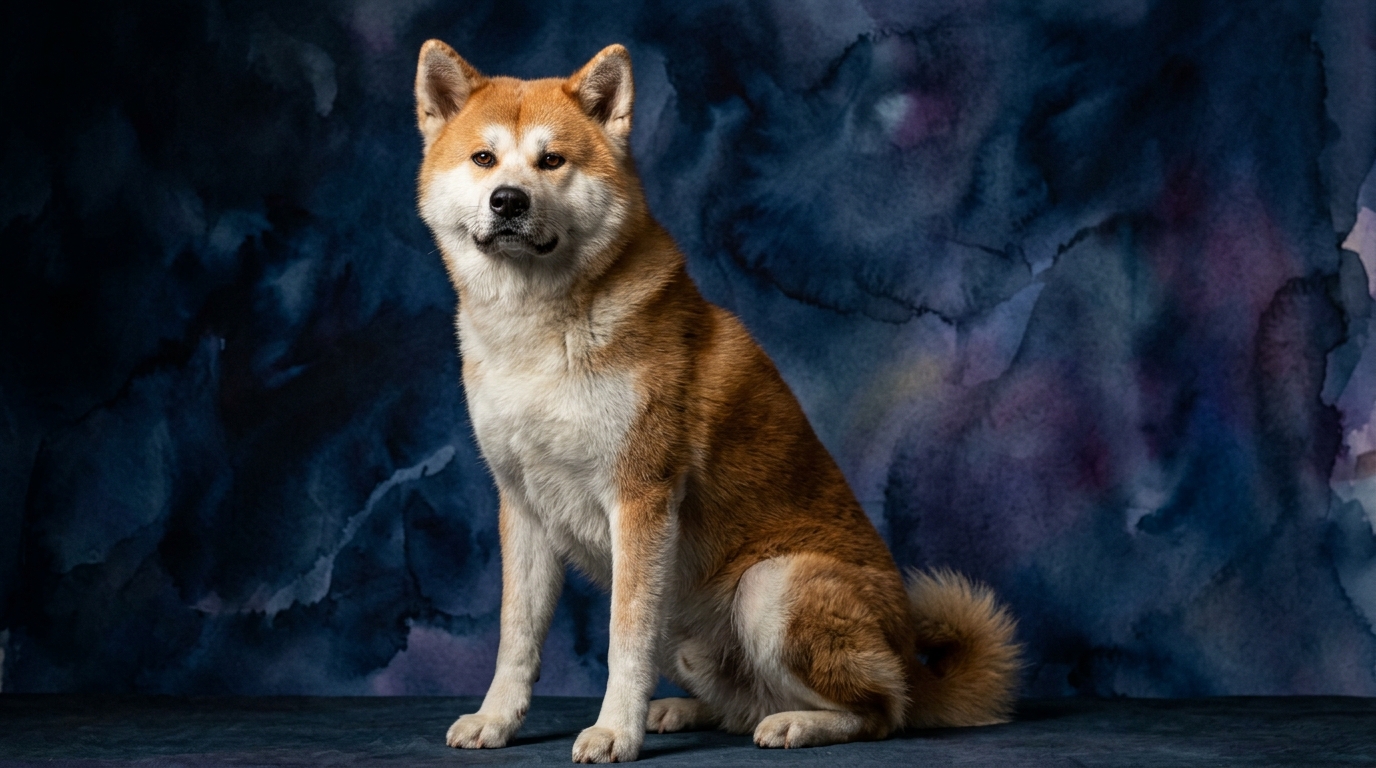
The Akita, a powerful Working breed ranked #54 by Coren, demonstrates a nuanced cognitive profile. Their problem-solving ability, rated 3/5, often manifests as independent, strategic thinking, sometimes interpreting situations on their own terms rather than seeking human direction. Training speed, at 2/5, indicates a deliberate learning pace, requiring significant patience and consistent methods to overcome their inherent self-will. Social intelligence, also 3/5, points to a discerning nature; they form deep bonds with their immediate family but typically remain reserved, even aloof, with strangers. A standout trait is their instinctive drive, a formidable 5/5, reflecting strong guarding, territorial, and prey instincts that are deeply ingrained. Their memory, a robust 4/5, means they recall commands, experiences, and social interactions with impressive clarity, making both positive and negative lessons lasting.
In contrast, the Basset Hound, a charming Hound breed ranked #71, presents a cognitive makeup driven primarily by their olfactory prowess. Their problem-solving capacity, also 3/5, is largely centered around their nose; they excel at unraveling scent puzzles with methodical persistence, though often at their own unhurried pace. Training speed, rated 3/5, is slightly higher than the Akita's, suggesting a generally more amenable disposition to instruction, though their powerful scent drive can easily divert their focus. Social intelligence, mirroring the Akita at 3/5, is expressed through a generally amiable and tolerant nature, enjoying companionship without the Akita's guardedness, often making friends readily. Their instinctive drive, 3/5, is almost entirely channeled into tracking and trailing scents, a deeply satisfying pursuit for them, but they lack the intense guarding or prey drive of the Akita. Memory, at 3/5, is sufficient for retaining routines and pleasant associations, though perhaps not with the Akita's depth for complex sequences or past grievances.
Where the Akita Wins Cognitively
The Akita's cognitive strengths shine particularly in areas demanding independence, strategic thought, and strong recall. Their impressive 5/5 instinctive drive for guarding and protecting their territory far surpasses the Basset Hound's more generalized 3/5, meaning an Akita is naturally attuned to assessing threats and acting decisively within their perceived domain. This isn't merely physical, but a constant cognitive vigilance, processing environmental cues for potential intruders or changes. Furthermore, the Akita's 4/5 memory rating gives them a distinct advantage. They can recall complex sequences of past events, remember specific commands learned long ago, and retain lessons, both positive and negative, with remarkable tenacity. This robust memory contributes to their consistency in behavior and their ability to learn from experience over time, often making them highly predictable once a routine or expectation is established. While both breeds score 3/5 in problem-solving, the Akita's approach is often more direct and self-directed, seeking efficient solutions to perceived obstacles rather than following a scent trail.
Where the Basset Hound Wins Cognitively
The Basset Hound's cognitive advantages are rooted in their specialized sensory world and a more amenable training disposition. Their training speed, rated 3/5, gives them a slight edge over the Akita's 2/5. This doesn't mean they are inherently "easier," but they tend to be less resistant to instruction, provided the training is engaging and doesn't conflict with their primary drive. Their problem-solving, also 3/5, is a masterclass in olfactory deduction; while an Akita might strategize to open a gate, a Basset Hound will meticulously follow a scent trail to its source, demonstrating an unparalleled cognitive focus within their specialized domain. This persistence and methodical approach to scent-based puzzles is a unique cognitive strength. Although both breeds score 3/5 in social intelligence, the Basset Hound's expression of it is often more overtly friendly and less guarded, making them generally more approachable and tolerant of novel social situations, which can be a cognitive benefit in adapting to new environments or people. Their lower instinctive drive (3/5) compared to the Akita's (5/5) means they are less prone to territorial aggression or prey drive, simplifying household management and social interactions in many contexts.
Which is Easier to Train and Why
When considering ease of training, the Basset Hound generally presents fewer direct challenges than the Akita, despite both breeds requiring patient and consistent approaches. The Basset Hound's training speed of 3/5, compared to the Akita's 2/5, suggests a more receptive attitude towards instruction. While Bassets are famously independent and easily distracted by captivating scents, they typically lack the Akita's strong self-willed nature and pronounced guarding instincts. An Akita's high instinctive drive (5/5) means their territorial and prey drives are powerful motivators that often override human commands, making consistent recall and impulse control particularly difficult. Their strong memory (4/5) also means any negative training experiences or inconsistencies can be deeply ingrained, creating lasting resistance. Basset Hounds, while still requiring positive reinforcement and creative engagement to counteract their scent-driven distractions, are generally more interested in pleasing their owners, provided the reward is enticing enough. Their challenges stem more from a single-minded focus on scent and a leisurely pace, rather than an inherent desire to defy or an overwhelming protective instinct. Training a Basset often involves finding ways to incorporate their nose work, while training an Akita demands establishing clear leadership and managing powerful drives.
Suitability for Active vs. Relaxed Owners
The Akita is best suited for owners who are active in the sense of being highly engaged, consistent leaders, and capable of providing structured mental and physical outlets, rather than necessarily seeking a jogging partner. Their intense instinctive drive (5/5) and need for purpose mean they thrive with owners who understand breed-specific training, can manage their strong guarding tendencies, and provide ample opportunities for supervised, challenging activities that tap into their cognitive strengths. They are not dogs for passive ownership; they require an active mind at the helm, committed to lifelong training and socialization. A truly "relaxed" owner who prefers minimal interaction or training commitment would find an Akita overwhelming.
Conversely, the Basset Hound generally aligns better with owners seeking a more relaxed pace, though "relaxed" doesn't mean sedentary. While they enjoy long, slow walks where they can follow their nose, they are not built for intense athletic pursuits. Their lower instinctive drive (3/5, outside of scent work) and amiable social intelligence (3/5) make them excellent companions for individuals or families who appreciate a calm, affectionate presence indoors, but are willing to dedicate time to regular, enriching sniff-walks. They require an owner patient enough to accommodate their deliberate pace and occasional single-minded pursuit of a scent, making them a good fit for those who find joy in observing their dog's natural behaviors without demanding constant high-energy engagement.
The Verdict
Choose an Akita if you are an experienced, dedicated owner prepared for a strong-willed, discerning companion with powerful protective instincts and a deep memory for lessons learned.
Choose a Basset Hound if you appreciate a charming, amiable dog with an unparalleled sense of smell, are patient with a deliberate pace, and enjoy incorporating scent work into their daily routine.
🧠 Find Your Pet's IQ Score
Our Pet IQ Lab assessment covers 25+ tests across 5 cognitive dimensions — personalized to your breed.
Take the Full IQ Test →Frequently Asked Questions
Are Akitas stubborn?
Akitas often exhibit a strong independent streak and a self-willed nature, contributing to their reputation for being challenging to train for novice owners. This isn't necessarily stubbornness but a reflection of their problem-solving and decision-making abilities, which they prefer to use autonomously.
Do Basset Hounds need a lot of exercise?
Basset Hounds do not require intense, high-impact exercise, but they absolutely need regular, moderate activity, particularly "sniff walks." These walks are crucial for mental stimulation and satisfying their powerful instinctive drive for scent work, preventing boredom and potential behavioral issues.
How do their social behaviors differ with strangers?
Akitas, with their 3/5 social intelligence, are typically reserved and discerning with strangers, often requiring careful introductions and preferring to observe before accepting new people. Basset Hounds, also 3/5, are generally more amiable and tolerant, often greeting new acquaintances with a relaxed curiosity, though their attention might quickly shift to an interesting scent.
Can Akitas live with other pets?
Akitas' high instinctive drive (5/5) and strong prey drive mean they require careful, early socialization and often do best as the sole dog or with a very compatible, established companion. Their territorial nature can also make introducing new animals challenging.
Are Basset Hounds difficult to house train?
Basset Hounds can sometimes be a bit slower to house train due to their independent nature and tendency to follow their nose rather than human cues. Consistency, positive reinforcement, and a regular schedule are key to success, but patience is definitely required.