Side-by-Side IQ Profile: Akita vs. Black and Tan Coonhound
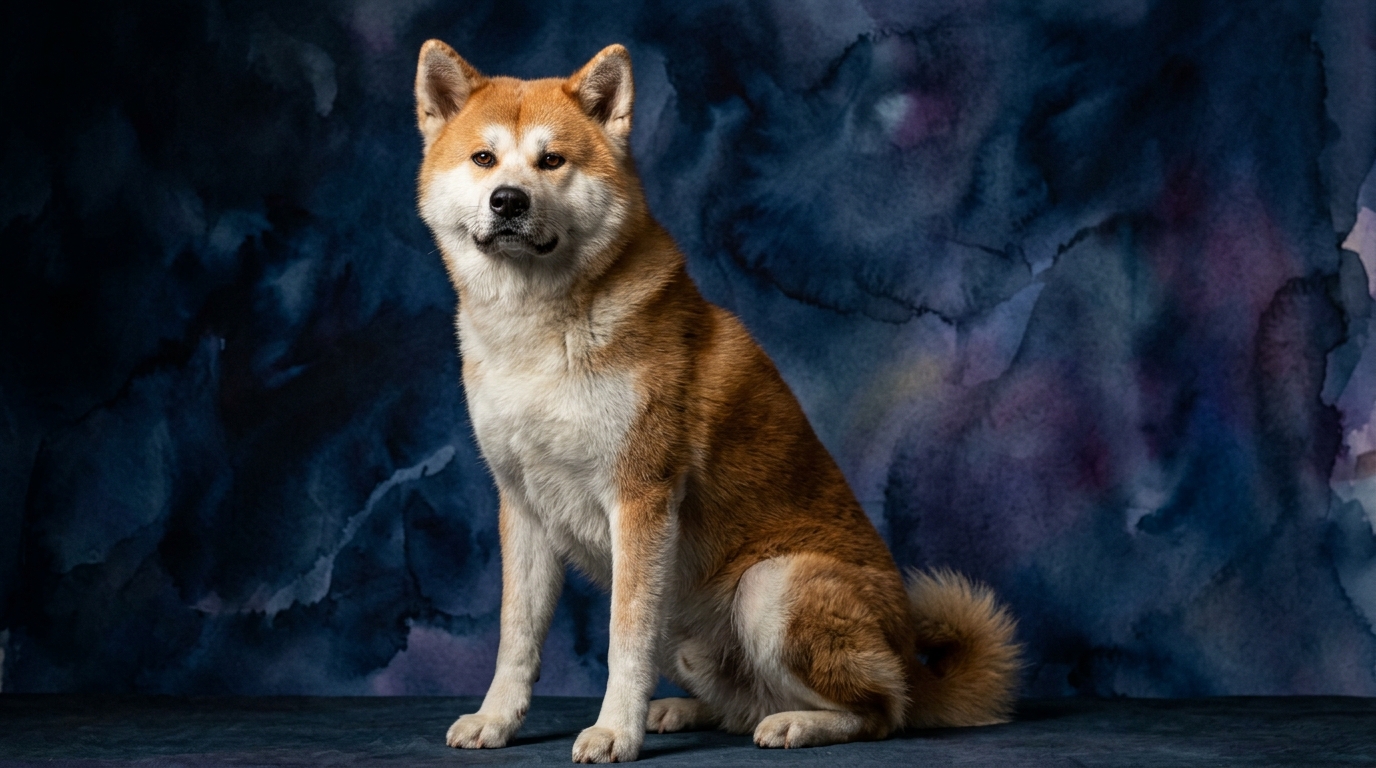
The Cosmic Pet Pet IQ Lab provides a fascinating framework for understanding the cognitive strengths and tendencies of different breeds. For the Akita, a breed ranked #54 in Coren's intelligence scale, its profile showcases a robust, independent thinker. Its Problem Solving is rated 3/5, indicating a capacity for independent thought and finding solutions, often on its own terms, rather than waiting for human direction. Training Speed is 2/5, suggesting a measured approach to learning new commands, often requiring consistent, patient, and engaging methods to foster cooperation. Social Intelligence stands at 3/5, reflecting an ability to understand social cues, though often with a reserved demeanor towards strangers and other animals, preferring a close bond with its immediate family. The Akita’s Instinctive Drive is a formidable 5/5, highlighting its powerful guardian instincts, territoriality, and strong prey drive. Finally, its Memory is 4/5, indicating a strong capacity to retain learned behaviors, routines, and experiences over time, which contributes to its consistent character.
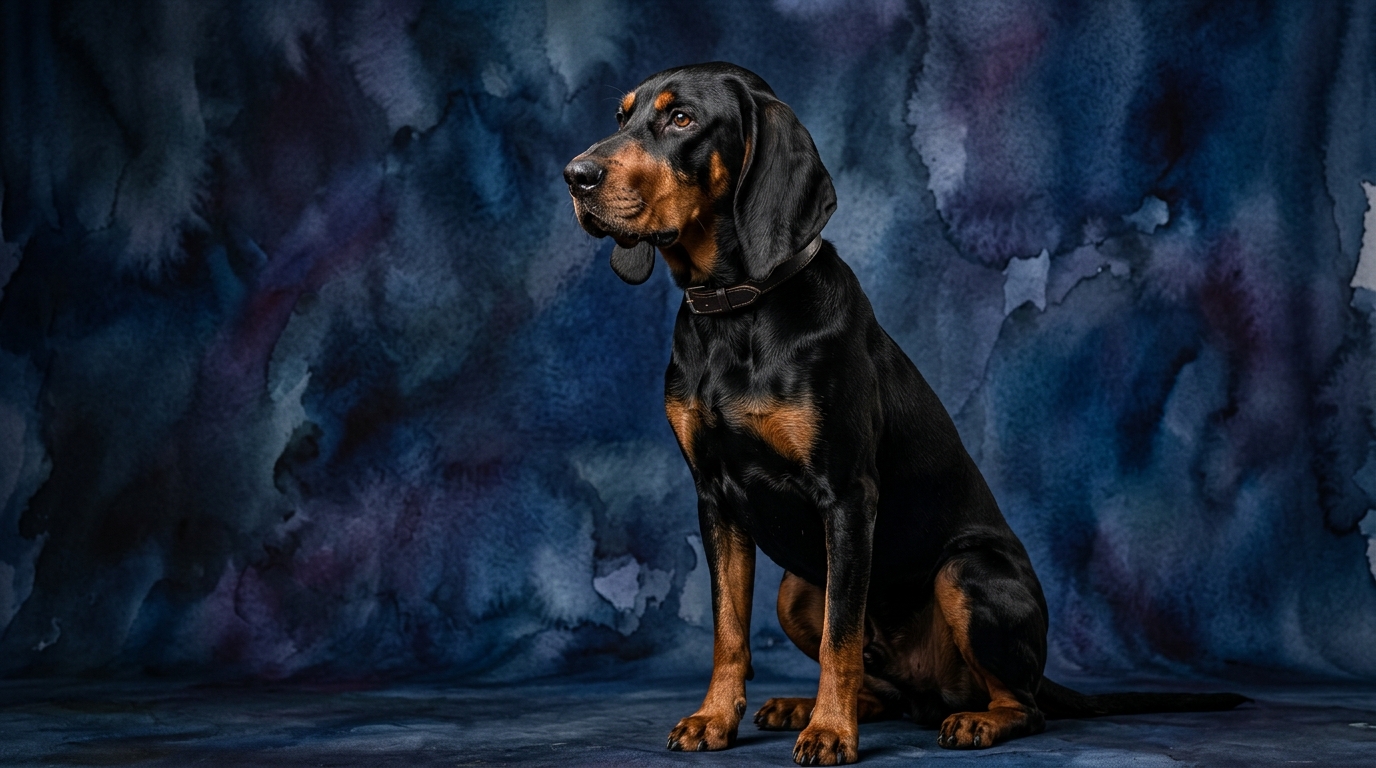
In contrast, the Black and Tan Coonhound, while not Coren-ranked, presents a profile geared towards its specialized hunting role. Its Problem Solving is also 3/5, demonstrating an ability to navigate complex environments and track elusive scents, often requiring sustained focus and independent decision-making in the field. Training Speed is 3/5, suggesting a somewhat more responsive and cooperative learner than the Akita, particularly when the training engages its natural drives. Social Intelligence is 3/5, reflecting a generally amicable nature with its human family and, often, with other dogs, though its single-minded focus on scent can sometimes overshadow social niceties. The Coonhound's Instinctive Drive is 3/5, primarily centered around its powerful olfactory senses and the relentless pursuit of a trail, rather than territorial guardianship. Its Memory is 3/5, indicating a solid ability to recall learned commands and remember scent patterns, though perhaps not with the same depth of long-term recall as the Akita for general life experiences.
Where the Akita Wins Cognitively
The Akita's cognitive profile demonstrates clear strengths in areas related to its ancestral role as a guardian and hunter. Its Instinctive Drive, rated a perfect 5/5, is unparalleled in this comparison. This translates into an unwavering sense of duty, a deep protective instinct towards its family, and a strong territorial awareness. This isn't just aggression; it's a finely tuned awareness of its surroundings and a readiness to act if a perceived threat arises, making it an exceptional sentinel. This high drive means it's constantly processing its environment for anomalies, a form of active cognitive engagement that ensures vigilance.
Furthermore, the Akita’s Memory, at 4/5, gives it an edge in long-term retention of routines, boundaries, and past interactions. This robust memory allows an Akita to develop profound understanding of its household's dynamics and its human companions' expectations over time. It remembers specific commands, positive and negative experiences, and the layout of its territory with remarkable clarity. This contributes to its consistent temperament and the deep, enduring bond it forms with its chosen family, as it recalls shared history and established trust.
Where the Black and Tan Coonhound Wins Cognitively
The Black and Tan Coonhound’s cognitive strengths are deeply rooted in its specialized purpose: scent tracking. While its Instinctive Drive is 3/5 overall, its problem-solving abilities within the context of scent work are exceptionally refined. This breed excels at navigating complex olfactory landscapes, distinguishing subtle scent trails, and persistently following them over varied terrain and extended periods. This requires immense focus, a structured approach to sensory input, and the cognitive stamina to disregard distractions, making it a master of sustained, single-minded pursuit.
Another area where the Coonhound holds a distinct advantage is Training Speed, rated 3/5 compared to the Akita's 2/5. While not a 'fast' learner in the traditional sense, the Coonhound exhibits a more direct willingness to engage with human instruction, especially when that instruction aligns with its natural drives. This means that with the right motivators, particularly scent-based rewards or activities that mimic tracking, a Coonhound can pick up and reliably execute commands more readily than an Akita. This slightly higher responsiveness indicates a stronger inclination towards cooperative learning when its interests are piqued.
Which Is Easier to Train and Why?
When considering ease of training, the Black and Tan Coonhound generally presents a more straightforward experience due to its 3/5 Training Speed, which is comparatively higher than the Akita's 2/5. The Coonhound, while possessing a strong independent streak driven by its nose, often exhibits a more tractable nature when engaged in activities that leverage its natural instincts. It is more inclined to cooperate if it perceives a reward, particularly one related to scent or food. Its problem-solving skills are applied to the task at hand, making it persistent but also more open to guidance in achieving a goal.
The Akita, with its 2/5 Training Speed, requires a more nuanced and patient approach. Its inherent independence and strong sense of self mean it often evaluates commands before complying, rather than automatically obeying. Training an Akita is less about rote memorization and more about building a respectful partnership based on trust and clear, consistent boundaries. While it has a good memory (4/5), its lower training speed means it takes longer to internalize new commands, and once learned, they may still be executed on the Akita's own timetable. Behavioral differences include the Akita's tendency to be less food-motivated in training and more reliant on intrinsic motivation or a desire to please its chosen human, which must be carefully cultivated.
Which Suits Active Owners vs. Relaxed Owners?
For owners seeking an active companion, both breeds offer distinct forms of engagement, but the Black and Tan Coonhound leans more towards a physically demanding, outdoor-centric lifestyle. Its instinctive drive for tracking and its robust problem-solving skills are best satisfied through long walks, hikes, and especially scent work. These dogs thrive with owners who enjoy exploring the outdoors, participating in activities like 'nose work,' or even hunting, providing the mental and physical stimulation their hound instincts crave. A relaxed owner might find the Coonhound's boundless energy and persistent vocalizations (baying) challenging without a suitable outlet.
The Akita, while possessing an intense 5/5 instinctive drive, suits an owner who is active in a different sense: mentally engaged and consistent in leadership. While they enjoy moderate exercise, their 'activity' often manifests as watchful guardianship and a need for mental structure. They thrive with owners who can provide clear rules, consistent training, and purposeful activities that stimulate their protective and problem-solving minds, such as advanced obedience or agility. A truly relaxed owner might struggle with an Akita’s independence and strong will, as it requires a confident, experienced hand to guide its powerful personality and channel its deep drives appropriately.
The Verdict: When to Choose Each Breed
Choosing between an Akita and a Black and Tan Coonhound comes down to aligning their specific cognitive profiles with your lifestyle and expectations.
The Akita is an ideal companion for individuals or families seeking a steadfast, protective, and deeply loyal partner who values a strong, independent presence. They are best suited for experienced dog owners who appreciate a reserved but profoundly bonded companion, capable of consistent guardianship, and who are prepared for the commitment of patient, respectful training.
The Verdict
Choose the Akita if you desire a formidable, devoted guardian with a strong memory and independent spirit, and you are prepared for consistent, firm, and patient training to harness its powerful instinctive drive.
Opt for the Black and Tan Coonhound if you are an active, outdoors-loving individual or family seeking a persistent, amiable companion for scent work, hiking, or other endurance activities, and you appreciate a dog with a cooperative training speed when its natural drives are engaged.
🧠 Find Your Pet's IQ Score
Our Pet IQ Lab assessment covers 25+ tests across 5 cognitive dimensions — personalized to your breed.
Take the Full IQ Test →Frequently Asked Questions
Is the Akita difficult to train?
The Akita's Training Speed is rated 2/5, indicating it requires significant patience and consistent methods. While not 'difficult' in the sense of inability, their independent nature means they often need compelling reasons to comply, requiring an owner who understands their specific motivations and builds a strong, trusting partnership.
Are Black and Tan Coonhounds good family dogs?
Black and Tan Coonhounds generally possess a 3/5 Social Intelligence, making them amicable with their families. They can be wonderful companions, especially in active households, but their strong scent drive means they can sometimes be single-minded and may require management around other pets or small children due to their size and enthusiasm.
Which breed is more prone to wandering?
The Black and Tan Coonhound, with its intense instinctive drive for scent (a core component of its 3/5 overall drive), is significantly more prone to wandering if it catches a compelling scent. The Akita, with its 5/5 instinctive drive focused on guardianship and territory, is less likely to wander, preferring to patrol its established boundaries.