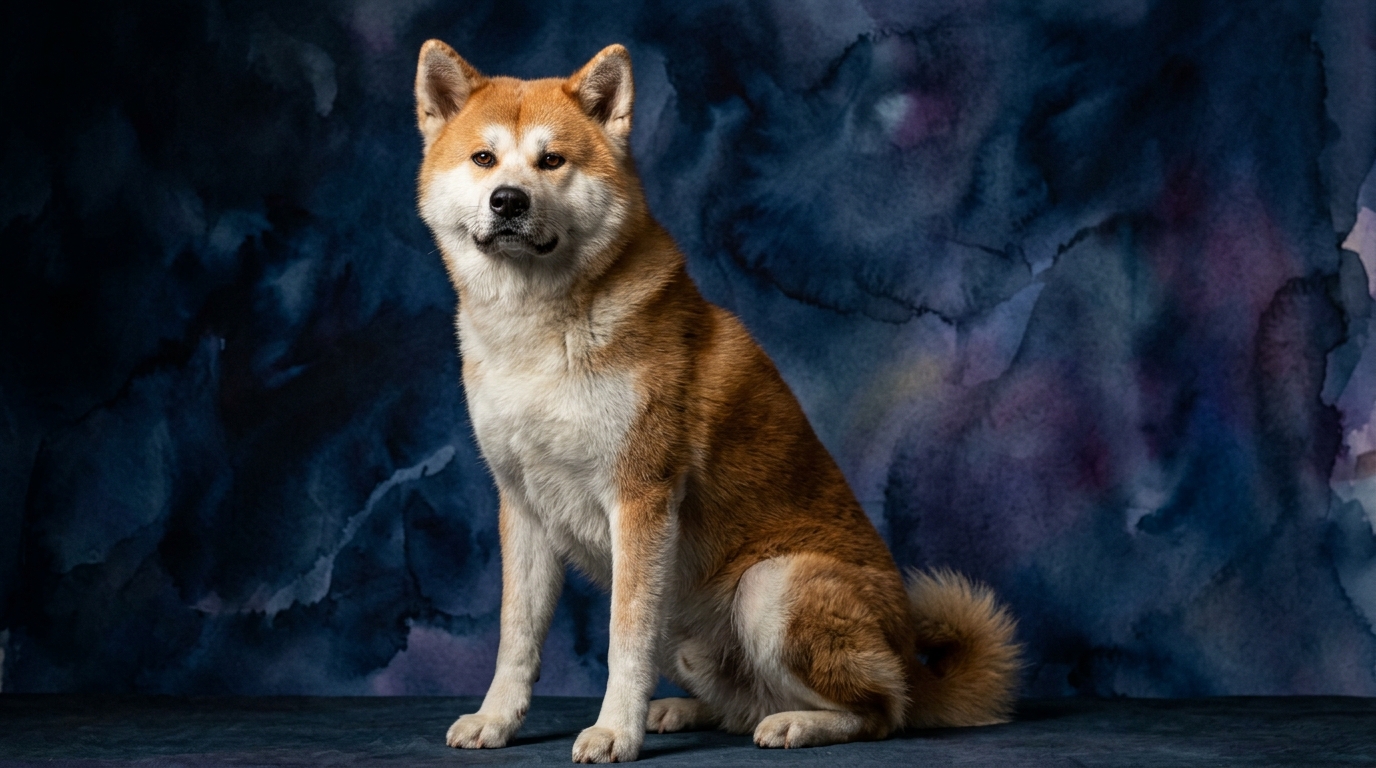

Side-by-Side IQ Profile: Akita vs. Boykin Spaniel
**Akita IQ Profile:**
**Problem Solving (3/5):** Moderate; Akitas prefer established routines, assessing situations independently rather than always seeking direction. They can learn complex tasks but often take their own time to evaluate, reflecting their guarding heritage.
**Training Speed (2/5):** Slower; their independent nature requires significant patience and consistent methods for new behaviors. Akitas often weigh commands against their own perceived importance, making rapid acquisition a deliberate process.
**Social Intelligence (3/5):** Moderate; deeply bonded with family, Akitas are discerning and reserved with strangers, reading familiar cues well. Their social circle is typically small and fiercely protected.
**Instinctive Drive (5/5):** Exceptionally strong; intense guarding, territoriality, and prey drive define their vigilant nature. This innate wiring makes them constant protectors, always alert to their surroundings.
**Memory (4/5):** Robust; they retain training, experiences, and routines effectively, contributing to consistent behavior. An Akita rarely forgets a perceived threat or a trusted individual.
**Boykin Spaniel IQ Profile:**
**Problem Solving (3/5):** Moderate; capable of tasks, especially when reward-motivated, Boykin Spaniels show adaptability in varied conditions. They often find practical solutions to retrieve game or navigate terrain.
**Training Speed (3/5):** Moderate; eager to please and responsive to instruction, making them receptive to new commands. Boykins generally thrive on positive reinforcement and cooperative learning.
**Social Intelligence (3/5):** Moderate; generally friendly, thriving on interaction, Boykin Spaniels are adept at reading handler cues for cooperative work. They enjoy being part of family activities.
**Instinctive Drive (3/5):** Moderate; primarily focused on retrieving, flushing, and scent work, their drives are manageable and directed. This makes them versatile in various sporting and family contexts.
**Memory (3/5):** Moderate; retains learned behaviors adequately, benefiting from regular reinforcement for proficiency. They remember commands and patterns, but may require refreshers.
Where the Akita Wins Cognitively
The Akita demonstrates a distinct cognitive edge in their superior memory and profound instinctive drive. With a memory rating of 4/5 (versus the Boykin’s 3/5), Akitas retain training, past experiences, and environmental details with impressive clarity, forming enduring associations that guide their consistent guardianship and discerning temperament. This robust recall contributes significantly to their reliable vigilance. Furthermore, their exceptionally strong instinctive drive (5/5 compared to the Boykin’s 3/5) is a powerful cognitive asset for their intended role. This manifests as unwavering vigilance, territoriality, and a deep protective impulse, enabling them to instinctively assess and respond to their surroundings as a steadfast guardian, always 'on duty' due to this innate wiring.
Where the Boykin Spaniel Wins Cognitively
The Boykin Spaniel's cognitive strengths particularly shine in their training speed and the versatile nature of their instinctive drives. With a training speed of 3/5 (compared to the Akita's 2/5), Boykins exhibit a greater readiness for cooperative learning, absorbing new commands more readily. This responsiveness makes them agile learners, thriving on interaction and positive reinforcement, which is invaluable for diverse sporting tasks. While the Akita's drives are intense, the Boykin's moderate instinctive drive (3/5) offers a cognitive advantage in adaptability. Their strong yet manageable drive for retrieving and flushing can be channeled into various activities beyond primary working roles, making them versatile companions for different lifestyles without the same inherent challenges of intense guardian instincts.
Which is Easier to Train, and Why
Without question, the Boykin Spaniel generally proves to be the easier breed to train. Their moderate training speed (3/5) combined with an inherent eagerness to please and cooperative spirit makes them highly receptive to instruction. Boykins thrive on interaction and positive reinforcement, displaying a natural inclination to work alongside their human partners, which is crucial for mastering complex sequences in hunting or competitive sports. Their moderate instinctive drives are also more easily directed and harnessed for training purposes, making them less prone to independent decision-making that might conflict with commands. In contrast, the Akita’s slower training speed (2/5) is compounded by their profound independence and strong instinctive drives (5/5). An Akita often weighs commands against their own judgment or deep-seated protective instincts, making training a significant undertaking. It requires immense patience, consistent leadership, and a deep understanding of their motivations, focusing on building respect over simple compliance. Their strong memory (4/5) ensures retention, but their willfulness can prolong the initial learning process.
Active Owners vs. Relaxed Owners: A Cognitive Match
For owners seeking an active, engaged partner for varied pursuits, the Boykin Spaniel is an exceptional fit. Their moderate instinctive drive for retrieving and flushing, coupled with their moderate training speed, means they excel in activities like dock diving, agility, scent work, and, of course, field trials. They require consistent physical exercise and mental stimulation that involves cooperative tasks and problem-solving, thriving when given a 'job' to do alongside their human. Their friendly social intelligence also makes them adaptable to diverse social settings. Conversely, the Akita, while needing regular exercise, is better suited for owners who appreciate a more self-contained, watchful companion with profound, specific drives. 'Relaxed' in this context doesn't mean sedentary, but rather an owner prepared for a dog whose mental engagement often revolves around monitoring their environment and family, rather than constant interactive games. Owners must be ready to manage their strong instinctive drives and independent nature with consistent, patient training, providing clear boundaries and a calm, structured home environment. They thrive with owners who understand and respect their discerning social intelligence and formidable protective instincts, offering a steadfast presence rather than an eager participant in every family activity.
The Verdict
Opt for an Akita if you seek a resolute, watchful companion with a formidable memory and unwavering protective instincts, and are prepared for dedicated, patient training that respects their independent nature.
Select a Boykin Spaniel if you desire an eager, cooperative partner for diverse activities, who responds enthusiastically to training and thrives on interactive engagement within a family setting.
🧠 Find Your Pet's IQ Score
Our Pet IQ Lab assessment covers 25+ tests across 5 cognitive dimensions — personalized to your breed.
Take the Full IQ Test →Frequently Asked Questions
Are Akitas difficult to train due to their independence?
Akitas can be challenging to train due to their strong independent streak and slower training speed (2/5). They often assess commands before complying, requiring consistent, patient methods and a deep understanding of their motivations rather than rote obedience.
Do Boykin Spaniels need a lot of exercise and mental stimulation?
Yes, Boykin Spaniels are energetic sporting dogs with moderate instinctive drives and training speed (3/5), meaning they thrive on regular physical exercise and mental engagement. Activities like retrieving, scent games, and cooperative training are essential to keep them happy and balanced.
Which breed is generally better with children?
The Boykin Spaniel, with its generally friendly social intelligence and cooperative nature, is typically more adaptable and patient with children, especially when properly socialized. Akitas, while fiercely loyal to their family, have a more discerning social intelligence and strong protective instincts, requiring careful management around children and strangers.