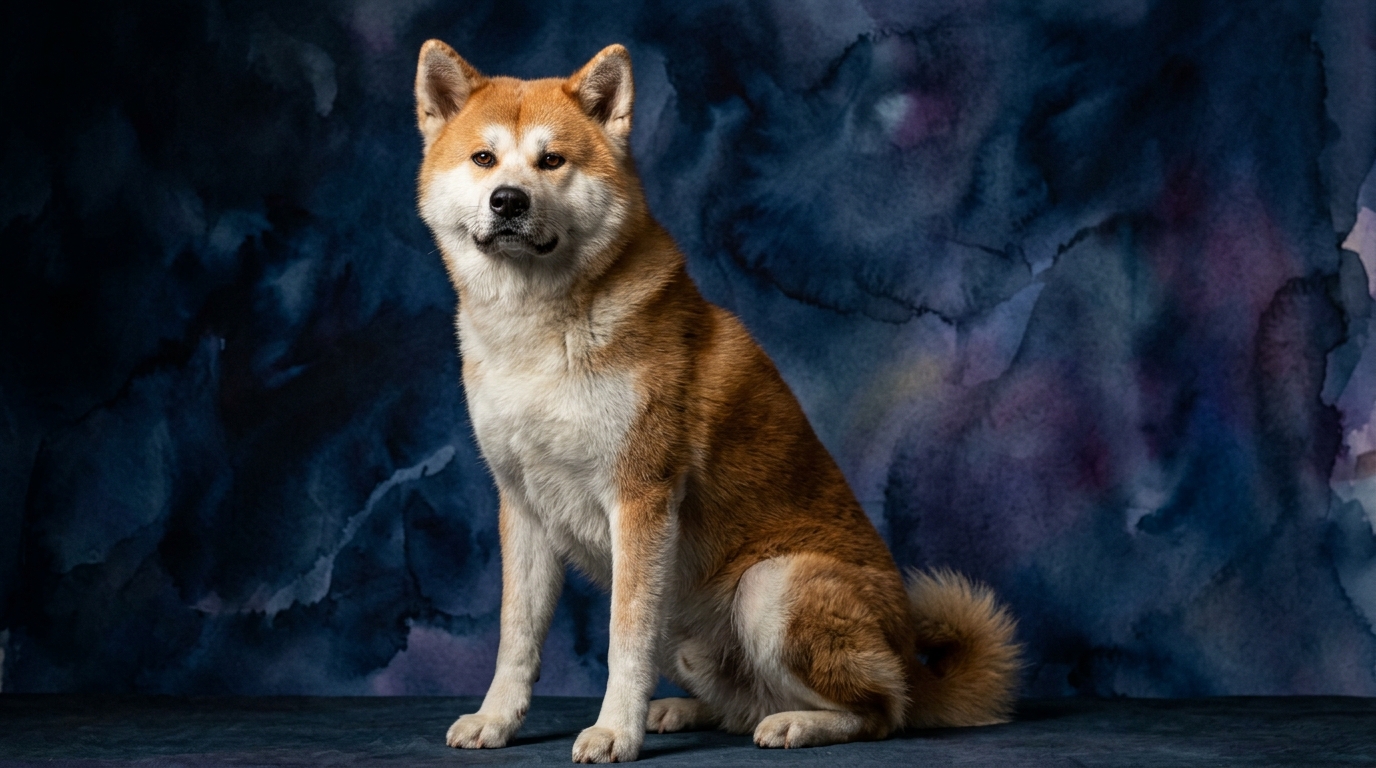
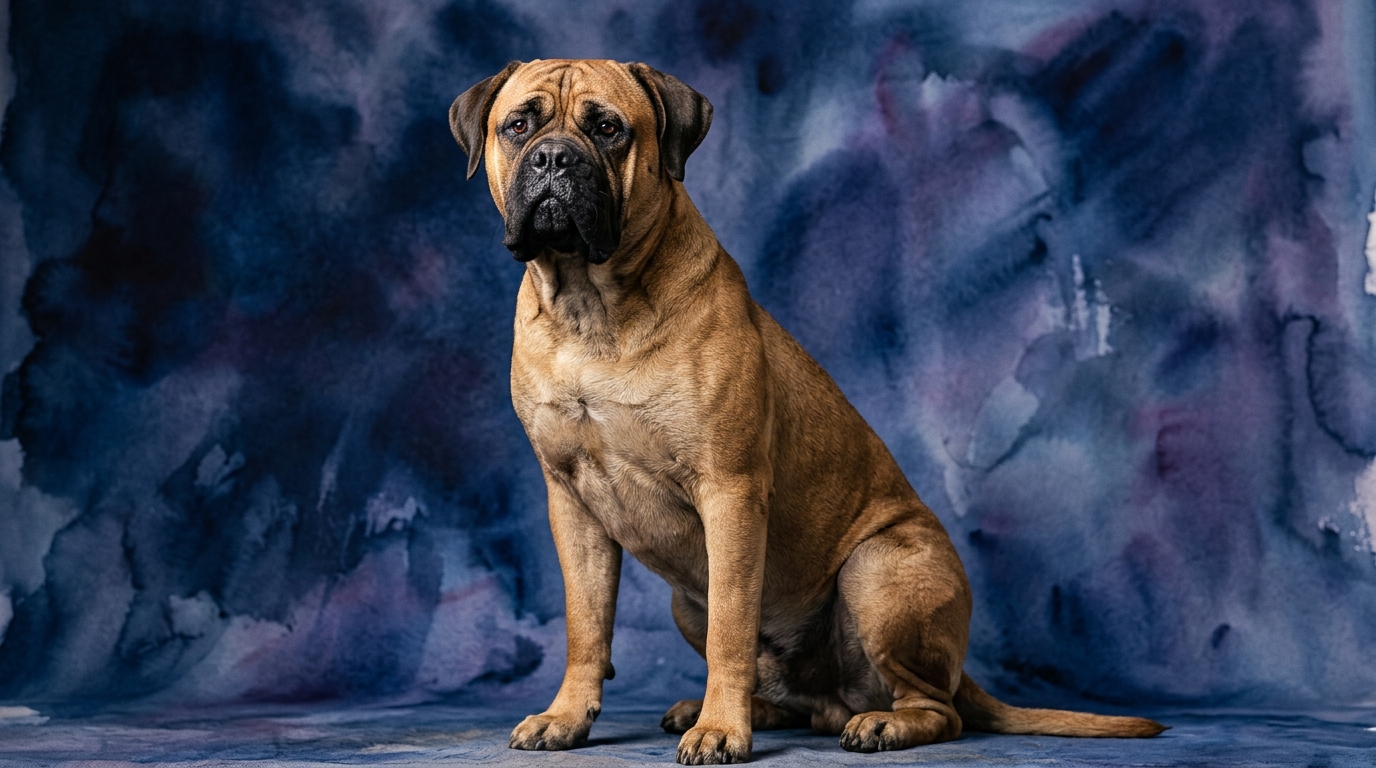
Side-by-Side IQ Profile: Akita vs. Bullmastiff
The Cosmic Pet Pet IQ Lab employs a comprehensive five-dimensional framework to assess canine intelligence, offering a granular view beyond simple rankings. For the Akita, ranked #54 by Coren, its profile shows Problem Solving at 3/5, Training Speed at 2/5, Social Intelligence at 3/5, Instinctive Drive at an impressive 5/5, and Memory at 4/5. This suggests a dog capable of independent thought and strong innate behaviors, but one that may require patience in formal training.
In contrast, the Bullmastiff, positioned at Coren rank #69, presents a slightly different cognitive makeup. Its Problem Solving ability is rated 3/5, matching the Akita. However, its Training Speed is 3/5, a point higher than the Akita. Social Intelligence stands at 3/5, again mirroring the Akita. Its Instinctive Drive is 3/5, notably lower than the Akita's, and Memory is 3/5. This profile indicates a dog with a more balanced, perhaps less intensely driven, cognitive approach, potentially making it more amenable to certain types of instruction.
Where the Akita Excels Cognitively
The Akita truly distinguishes itself with an exceptional Instinctive Drive, scoring a full 5/5. This isn't just about raw energy; it reflects a profound genetic predisposition for specific behaviors, historically rooted in guarding and hunting. This manifests as a keen awareness of their surroundings, a strong protective instinct towards their family, and an innate understanding of roles within a pack structure. For example, an Akita might instinctively position itself to monitor entryways or become acutely aware of unfamiliar sounds long before a human registers them, demonstrating a complex, ingrained pattern recognition tied to its inherent purpose.
Furthermore, the Akita's Memory, rated 4/5, is a significant cognitive asset. This superior recall isn't merely about remembering commands; it extends to remembering people, places, and specific past events, both positive and negative. An Akita is likely to remember a kind interaction with a stranger years later, or conversely, a negative experience, which can shape its future reactions. This strong memory contributes to its loyalty and its ability to learn complex routines, even if the initial training speed is moderate. This deep memory allows them to build intricate mental maps of their environment and social circle.
Where the Bullmastiff Finds Its Cognitive Edge
The Bullmastiff's primary cognitive advantage lies in its Training Speed, rated 3/5, which is a point higher than the Akita. While neither breed is a 'lightning learner' in the traditional sense, the Bullmastiff demonstrates a relatively quicker grasp of new commands and routines. This isn't necessarily due to higher problem-solving capacity, which is equal to the Akita's, but rather a potentially greater willingness to engage with human instruction and a slightly lower internal drive to follow purely independent impulses. They might process and connect actions with consequences more readily in a structured training environment.
While their Problem Solving score of 3/5 is on par with the Akita, the Bullmastiff's lower Instinctive Drive (3/5) can subtly influence how this manifests. Without the overwhelming internal directives of a 5/5 drive, a Bullmastiff might be more inclined to consider human-presented solutions to a puzzle or task, rather than immediately defaulting to an ancestral, self-directed approach. This makes them adaptable in scenarios where human cooperation is paramount, such as navigating complex household rules or learning nuanced behavioral expectations within a family setting.
Training Dynamics: Akita vs. Bullmastiff Amenability
When considering ease of training, the Bullmastiff generally presents a more amenable experience due to its higher Training Speed (3/5 vs. Akita's 2/5) and lower Instinctive Drive (3/5 vs. Akita's 5/5). A Bullmastiff is often more eager to please and less inclined to challenge authority, making initial command acquisition smoother. Their cooperative nature means they might require fewer repetitions to solidify a command and are less likely to become bored or stubborn during training sessions. Behavioral differences include a Bullmastiff's tendency to lean into human companionship and guidance, making them more receptive to positive reinforcement.
The Akita, with its strong independent streak and powerful instinctive drives, often demands a different training approach. Their 2/5 Training Speed means they might take longer to grasp new concepts and may require consistent, patient, and highly motivating methods. Their 5/5 Instinctive Drive means they are often thinking for themselves, making their own decisions based on their innate protective or territorial impulses. This can translate into a dog that tests boundaries, requiring an owner who can establish clear, confident leadership without resorting to harshness. While they remember well (4/5), getting them to initially accept and perform a new behavior requires significant dedication to overcome their inherent self-reliance.
Matching Breeds to Owner Lifestyles: Active vs. Relaxed
For active owners who relish a challenge and seek a canine partner with profound depth, the Akita is an intriguing choice. While their physical exercise needs are moderate, their cognitive needs are substantial, driven by their high Instinctive Drive and strong Memory. Owners must be prepared to engage with their Akita's independent problem-solving nature and provide consistent, thoughtful training that respects their self-assured temperament. They thrive with owners who understand their need for a clear hierarchy and can channel their protective instincts positively, perhaps through structured 'work' or advanced obedience that satisfies their mental acuity.
Relaxed owners who appreciate a calm, watchful presence and a more straightforward training experience might find the Bullmastiff a better fit. Their moderate Instinctive Drive and slightly higher Training Speed make them more adaptable to a less demanding lifestyle, provided their basic exercise and social needs are met. While they are still large, powerful dogs requiring responsible handling, their cognitive profile suggests a dog that is content to be a loyal companion without constantly seeking an independent mission. They are generally less prone to questioning authority, making them a good choice for those who prefer a more compliant, albeit still strong-willed, family guardian.
The Verdict
Choose an Akita if you are an experienced owner seeking a loyal, independent guardian who thrives on purposeful engagement and you are prepared for a committed, nuanced training journey.
Opt for a Bullmastiff if you desire a steadfast, more amenable protector with a calmer disposition, willing to follow direction more readily within a loving family structure.
🧠 Find Your Pet's IQ Score
Our Pet IQ Lab assessment covers 25+ tests across 5 cognitive dimensions — personalized to your breed.
Take the Full IQ Test →Frequently Asked Questions
Are Akitas stubborn during training?
Akitas can appear stubborn due to their strong independent nature and lower training speed. They often prefer to make their own decisions, requiring patient, consistent, and highly motivating training methods to gain their cooperation and respect.
Do Bullmastiffs need a lot of exercise?
Bullmastiffs have moderate exercise needs; regular daily walks and playtime are sufficient to keep them healthy and content. They are not high-energy dogs, but consistent physical activity prevents boredom and maintains muscle tone.
Which breed is better with children?
Both breeds can be good with children when properly socialized and raised in a respectful environment. However, the Bullmastiff's generally calmer demeanor and slightly higher amenability to training might make it a marginally more predictable choice for families with young children, always under supervision.