Side-by-Side Cognitive Profiles: Akita vs. Chow Chow
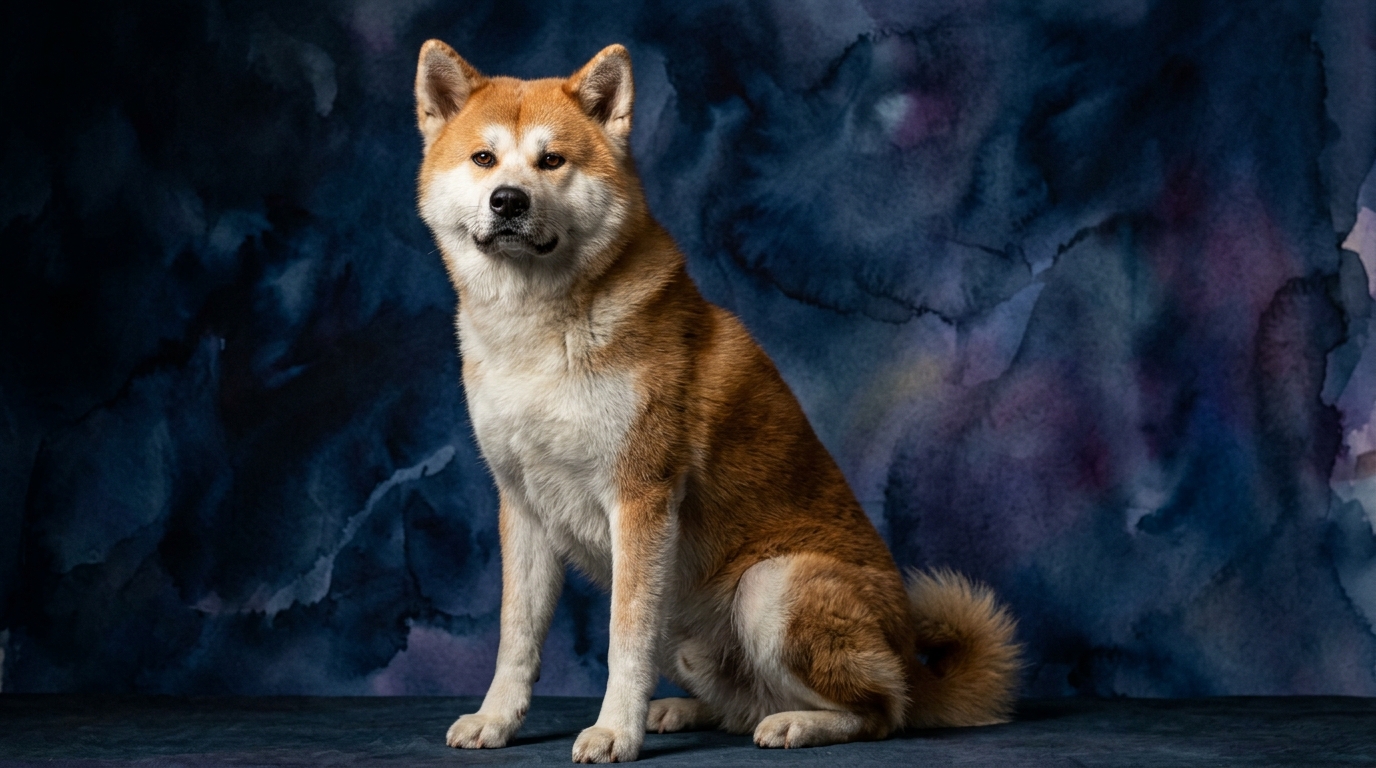
The Cosmic Pet Pet IQ Lab employs a five-dimensional framework to assess canine intelligence, providing a nuanced understanding of each breed's cognitive strengths. For the Akita, a Working breed ranked #54 by Coren, its Problem Solving ability scores 3 out of 5, indicating a capacity for practical solutions but not necessarily innovative breakthroughs. Its Training Speed is rated 2 out of 5, suggesting a slower acquisition of new commands and requiring consistent, patient repetition. Social Intelligence stands at 3 out of 5, reflecting a selective engagement with humans and other animals, often reserved. A dominant trait is its Instinctive Drive, scoring a perfect 5 out of 5, highlighting profound guarding, hunting, and protective behaviors. Finally, the Akita's Memory is strong at 4 out of 5, meaning it retains learned information and experiences over long periods.
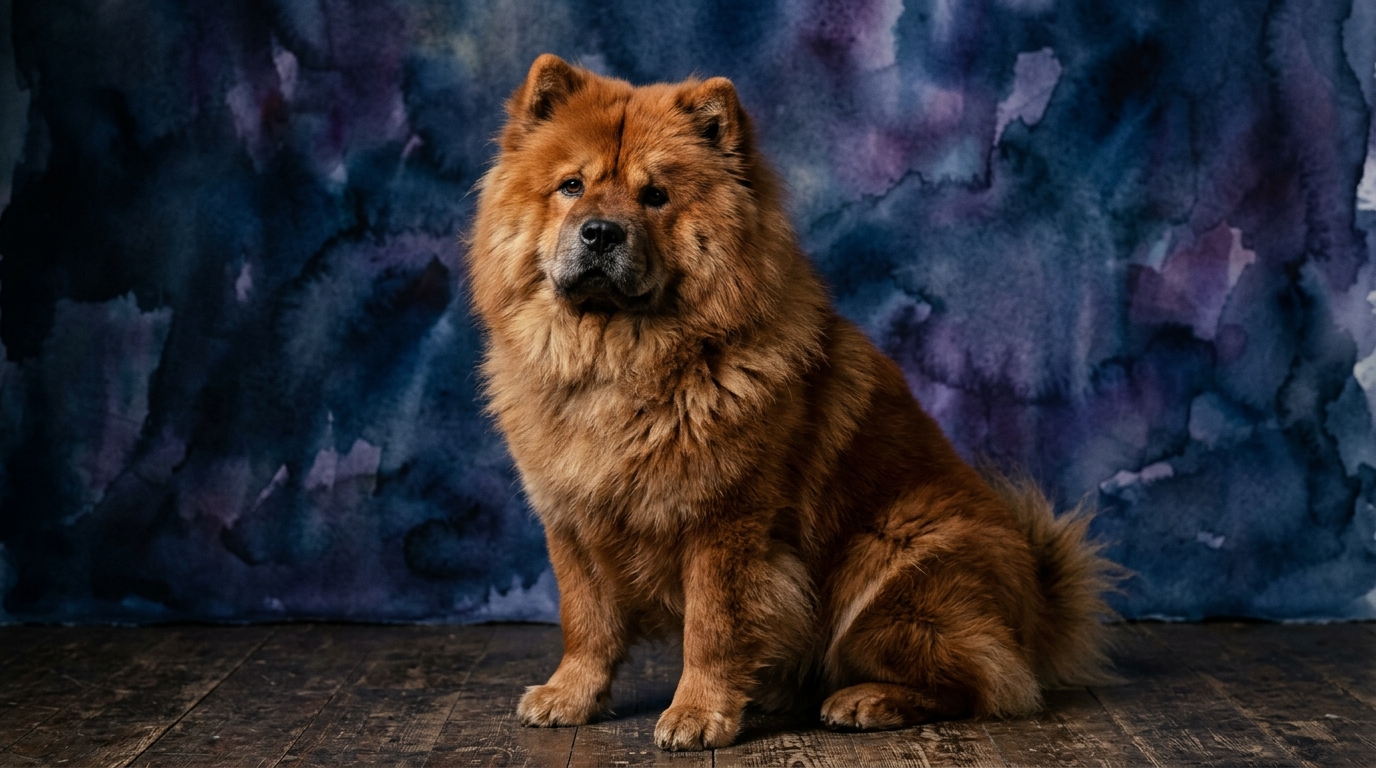
Conversely, the Chow Chow, a Non-Sporting breed with a Coren rank of #76, presents a slightly different cognitive picture. Its Problem Solving ability matches the Akita at 3 out of 5, demonstrating similar practical reasoning skills. However, its Training Speed is rated 3 out of 5, indicating it may grasp new commands somewhat quicker than the Akita, though still requiring thoughtful motivation. Social Intelligence also scores 3 out of 5, aligning with the Akita's reserved nature, often perceived as aloofness. The Chow Chow's Instinctive Drive is rated 3 out of 5, suggesting a moderate expression of guarding or prey drive compared to the Akita's intense manifestation. Its Memory is 3 out of 5, implying a solid but not exceptional retention of experiences and learned behaviors.
Where the Akita Demonstrates Cognitive Advantages
The Akita’s cognitive profile shows distinct advantages in areas crucial for specific roles. Its outstanding Instinctive Drive, rated 5 out of 5, means Akitas possess an innate, powerful drive for protection and purpose-driven work. This isn't merely a behavioral trait but a cognitive predisposition to excel in tasks requiring vigilance, territorial awareness, and a strong sense of duty. This robust drive allows them to maintain focus on guarding or tracking tasks with unwavering determination, often acting autonomously when a perceived threat arises.
Furthermore, the Akita's superior Memory at 4 out of 5 provides a significant cognitive edge. While their initial training speed might be slower, once an Akita learns a command or a routine, it is deeply ingrained. This strong memory contributes to their reliability in established roles, enabling them to recall complex sequences of actions or specific commands even after long periods. This cognitive retention means that an Akita, once properly trained and socialized, is less likely to 'forget' its manners or responsibilities, making it a consistently dependable companion in familiar environments.
Where the Chow Chow Demonstrates Cognitive Advantages
The Chow Chow, despite its lower Coren rank, presents specific cognitive strengths that can be advantageous for certain owners. Its Training Speed, rated 3 out of 5, is marginally higher than the Akita's 2 out of 5. This indicates that while both breeds are known for their independent streaks, the Chow Chow might require slightly fewer repetitions to grasp new basic commands. This isn't to say they are eager students, but rather that when motivated correctly, they can process and incorporate new information into their behavioral repertoire with a bit more efficiency in the initial learning phase.
Additionally, the Chow Chow's more moderate Instinctive Drive (3/5) compared to the Akita's intense 5/5, can be a cognitive advantage in specific living situations. This lower drive means they may exhibit less intense prey drive or territorial guarding behaviors, making them potentially more adaptable to diverse environments or multi-pet households where extreme vigilance isn't desired. Their problem-solving capacity, rated equally with the Akita at 3/5, combined with this moderate drive, suggests a dog capable of independent thought without the overwhelming compulsion to act on powerful instincts, leading to a more measured and self-contained approach to their surroundings.
Trainability: Akita vs. Chow Chow
When considering trainability, the Akita and Chow Chow each present unique challenges rooted in their cognitive makeup. The Akita’s 2/5 Training Speed means owners must commit to extensive, patient, and consistent training. Their independence and strong will, coupled with a selective Social Intelligence (3/5), mean that they are not inherently motivated to please and require compelling incentives. For instance, an Akita might understand a 'stay' command but choose to break it if a strong instinctive drive, like chasing a squirrel, overrides their learned obedience. Their high memory (4/5) ensures that once a behavior is learned, it is retained, but the initial process demands significant repetition and a firm, fair hand to overcome their inherent self-reliance.
The Chow Chow, with a slightly better Training Speed of 3/5, may pick up commands a little faster, but their training is equally complex due to their renowned aloofness and selective engagement. Their Social Intelligence (3/5) means they might not seek constant interaction or validation from their human, making it challenging to maintain their focus during training sessions. While they might grasp the concept of 'sit' relatively quickly, their independent nature means they will only perform it if they perceive value in doing so. Unlike the Akita's strong will often manifesting as defiance, the Chow Chow's challenge often stems from a lack of inherent motivation to engage, requiring creative and high-value rewards to sustain their interest. Both breeds benefit immensely from early socialization to shape their 3/5 social intelligence positively, mitigating potential territoriality or wariness towards strangers.
Matching Breeds to Lifestyles: Active vs. Relaxed Owners
Choosing between an Akita and a Chow Chow often comes down to an owner's lifestyle and their willingness to engage with specific canine cognitive traits. For active owners who thrive on structure, consistency, and purposeful engagement, the Akita often makes an exceptional companion. Their 5/5 Instinctive Drive means they excel when given a 'job,' whether that's guarding the home, participating in advanced obedience, or even scent work. These owners should be prepared to channel the Akita's strong will and high memory into constructive activities, providing mental stimulation that goes beyond simple walks. They need an owner who can lead confidently and consistently, understanding that the Akita's loyalty is earned through mutual respect and clear boundaries.
Conversely, the Chow Chow, with its more moderate 3/5 Instinctive Drive and 3/5 Memory, tends to suit owners who appreciate a more relaxed, independent, and less demanding companion. While they still require regular exercise and mental engagement, their needs are typically not as intense or purpose-driven as the Akita's. Relaxed owners, who enjoy a steadfast presence but are not seeking a dog for intense training regimens or constant interaction, might find the Chow Chow’s self-contained nature appealing. They are content with a stable routine and thrive in an environment where their independence is respected, making them excellent choices for those seeking a dignified, less overtly effusive companion who still offers deep, quiet loyalty.
The Verdict
Choose an Akita if you are an experienced, active owner committed to consistent training, ready to channel a powerful instinctive drive, and value a deeply loyal, protective companion with a strong memory.
Opt for a Chow Chow if you prefer a more independent, self-contained companion, are comfortable with a reserved demeanor, and seek a dog with moderate instinctive drives that fits a more relaxed lifestyle.
🧠 Find Your Pet's IQ Score
Our Pet IQ Lab assessment covers 25+ tests across 5 cognitive dimensions — personalized to your breed.
Take the Full IQ Test →Frequently Asked Questions
Are Akitas better at problem-solving than Chow Chows?
Both Akita and Chow Chow breeds score 3 out of 5 in Problem Solving according to our Pet IQ Lab metrics. This indicates they possess similar capacities for practical reasoning and finding solutions to straightforward challenges within their environment, without one significantly outperforming the other.
Which breed is more social, Akita or Chow Chow?
Both Akitas and Chow Chows score 3 out of 5 in Social Intelligence, meaning they share a similar reserved nature. Neither breed is typically known for being overtly gregarious; they tend to be selective with their affections and may appear aloof towards strangers or unfamiliar situations.
Does the Akita's strong instinctive drive make it harder to live with?
The Akita's 5/5 Instinctive Drive means it possesses powerful guarding and prey instincts, which can be challenging without proper management. While not inherently 'harder,' it requires an owner dedicated to consistent training and socialization to channel these drives constructively and ensure a harmonious household.