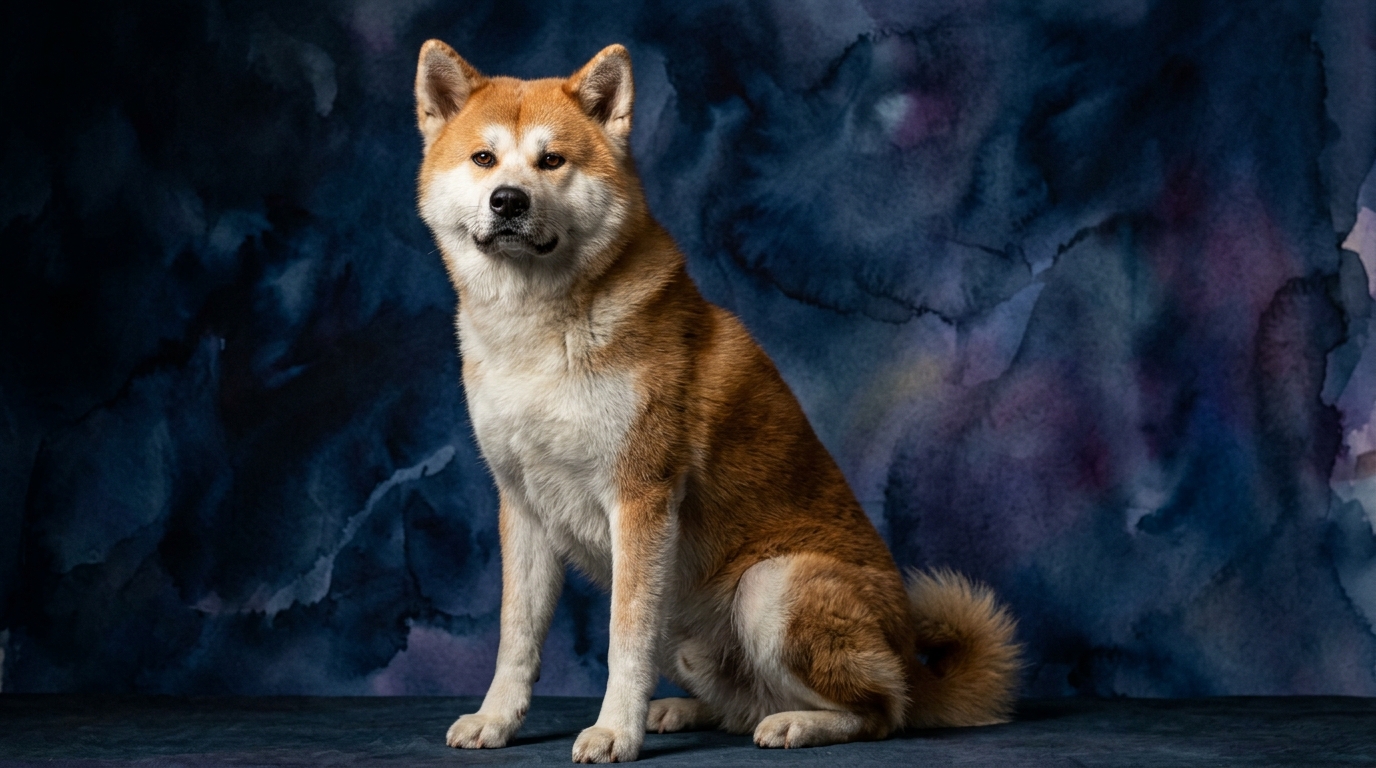

Side-by-Side IQ Profile: Akita vs. Clumber Spaniel
The Cosmic Pet Pet IQ Lab's framework provides a granular view of intelligence beyond a single ranking, dissecting cognitive abilities into five key dimensions. For the Akita, a Working breed, we observe a Problem Solving score of 3/5, indicating a capacity for independent thought and resolution, often applied to guarding or protective scenarios. Its Training Speed is rated 2/5, suggesting a more deliberate and independent approach to learning, rather than an eagerness to please. Social Intelligence stands at 3/5, reflecting an ability to understand social cues, though often selectively applied within its immediate family. The Akita's Instinctive Drive is a robust 5/5, a testament to its heritage as a powerful hunter and guardian, manifesting as strong territoriality and prey drive. Finally, its Memory is 4/5, enabling it to retain complex routines, commands, and past experiences with considerable recall.
In contrast, the Clumber Spaniel, a Sporting breed, presents a different cognitive blueprint. Its Problem Solving ability also scores 3/5, meaning it can navigate moderately complex situations, often in pursuit of game or comfort. The Clumber's Training Speed is 3/5, indicating a more cooperative and moderately responsive disposition compared to the Akita, making it generally more amenable to instruction. Social Intelligence matches the Akita at 3/5, signifying an awareness of social dynamics, typically expressed through its gentle and companionable nature within its family unit. Its Instinctive Drive is 3/5, reflecting a focused drive for flushing and retrieving game, but without the intense territoriality or broad prey drive seen in the Akita. The Clumber Spaniel's Memory is 3/5, allowing it to remember commands and routines adequately, though perhaps not with the same depth or longevity as the Akita.
Where the Akita Wins Cognitively
The Akita's cognitive strengths distinctly shine in areas demanding strong independence and robust recollection. Its Instinctive Drive, rated a perfect 5/5, is a profound cognitive asset, enabling it to act decisively and often without direct human instruction when fulfilling its perceived role, whether guarding territory or assessing potential threats. This drive is not merely physical; it's a deep-seated cognitive program that fuels its protective instincts and self-reliance. For instance, an Akita might independently decide to block a stranger from entering a perceived boundary, demonstrating a complex interplay of environmental assessment and innate drive-based problem-solving. This high drive also means an Akita is constantly processing its surroundings for potential changes or intrusions, a vigilant form of environmental problem-solving.
Furthermore, the Akita's Memory, at 4/5, grants it a superior capacity for long-term retention of experiences and learned behaviors. This isn't just about remembering simple commands, but about recalling intricate social dynamics, specific routines, and even past interactions with individuals, both positive and negative. An Akita might remember a specific person who once caused discomfort years later, influencing its future interactions. This strong memory, combined with its independent problem-solving, allows it to build a comprehensive mental map of its world, making it exceptionally reliable in its established roles and routines, often anticipating tasks before they are explicitly requested.
Where the Clumber Spaniel Wins Cognitively
The Clumber Spaniel's cognitive advantages manifest primarily in its approachability and willingness to engage in cooperative learning. Its Training Speed, rated 3/5, represents a significant cognitive win over the Akita's 2/5. This indicates a greater inherent receptiveness to human guidance and a quicker grasp of new commands, often driven by a desire for positive reinforcement and companionship. A Clumber is generally more inclined to repeat behaviors that earn praise or treats, making the initial stages of training smoother and less prone to the independent decision-making that can characterize Akita training. Their moderate drive means they are less likely to be distracted by overwhelming external stimuli during training sessions, allowing for more focused learning.
While both breeds score 3/5 in Problem Solving, the Clumber's application of this skill is often more aligned with cooperative tasks. For example, a Clumber might figure out how to navigate a complex scent trail to locate a hidden toy, demonstrating its problem-solving within the context of a game or a task designed by its owner, rather than solely independent, self-initiated problem-solving. This cognitive predisposition towards collaboration means they are often more adaptable to varied training methodologies and environments, making them a more straightforward partner in learning new skills, even if the skills themselves aren't overtly complex.
Which is Easier to Train and Why
When it comes to ease of training, the Clumber Spaniel generally presents a more straightforward experience due to its higher Training Speed (3/5) and moderate Instinctive Drive (3/5). These factors combine to create a dog that is typically more biddable and eager to please. A Clumber is more likely to view training as a collaborative activity, responding readily to cues and seeking positive interaction with its owner. Their moderate instinctive drive means they are less prone to acting on overwhelming urges that might conflict with training commands, such as an intense prey drive or territorial guarding, allowing for a more focused and consistent learning environment. Real behavioral differences include the Clumber's propensity for gentle mouthing and a generally calm demeanor, making them receptive to gentle correction and praise.
The Akita, with a Training Speed of 2/5 and an Instinctive Drive of 5/5, presents a more significant training challenge. Their lower training speed reflects an independent, often stubborn nature; an Akita will question the utility of a command or prefer to follow its own instincts rather than blindly comply. Their exceptionally high instinctive drive means they are constantly assessing their environment and are quick to act on innate protective or hunting behaviors, which can override training cues if not managed with consistency and understanding of their motivations. For example, an Akita might ignore a 'come' command if it perceives a threat or an interesting scent, prioritizing its high drive over compliance. Training an Akita demands immense patience, firm consistency, and an approach that respects their independent thinking, often requiring more creative motivation to ensure engagement and adherence to commands.
Which Suits Active Owners vs. Relaxed Owners
For active owners seeking a canine partner with a strong presence and demanding engagement, the Akita is often the more fitting choice, provided the owner understands the breed's unique cognitive makeup. An Akita's 5/5 Instinctive Drive translates into a need for structured activity that challenges both its physical prowess and its independent problem-solving abilities. Owners who enjoy rigorous training, mental games that stimulate their dog's protective instincts, or activities that allow for independent decision-making will find the Akita a compelling companion. They thrive with owners who can provide consistent leadership, channel their strong drives, and appreciate a dog that thinks for itself, even if it sometimes means a challenge. This breed is not for the faint of heart or those seeking a passively compliant pet; it requires an owner who is equally engaged and mentally robust.
Conversely, the Clumber Spaniel, with its moderate Instinctive Drive (3/5) and generally more relaxed temperament, is better suited for relaxed owners. While they certainly require regular exercise to maintain their health and happiness, their needs are typically less intense and more adaptable than the Akita's. Clumbers are content with moderate daily walks, engaging in scent work or retrieving games in the yard, and ample time spent relaxing indoors with their family. Their higher training speed and social intelligence make them a more agreeable companion for owners who prefer a dog that is generally biddable, affectionate, and less prone to intense independent action. They fit well into households seeking a calm, loyal presence that enjoys companionship without demanding constant, high-octane activity or intensive behavioral management.
The Verdict
Choose an Akita if you are an experienced owner seeking a deeply loyal, independent, and protective companion, capable of complex memory and driven by strong instincts, and are prepared for a consistent and patient training journey.
Opt for a Clumber Spaniel if you desire a gentle, biddable, and moderately active companion with a cooperative spirit, who responds well to training and enjoys a relaxed, affectionate family life.
🧠 Find Your Pet's IQ Score
Our Pet IQ Lab assessment covers 25+ tests across 5 cognitive dimensions — personalized to your breed.
Take the Full IQ Test →Frequently Asked Questions
Do Akitas and Clumber Spaniels have similar problem-solving abilities?
Both breeds score 3/5 in problem-solving, indicating they can handle moderately complex situations. However, the Akita often applies this independently for protection or resourcefulness, while the Clumber tends to use it more cooperatively, often in tasks or games with their owner.
Which breed is more prone to independent decision-making based on instinct?
The Akita, with its 5/5 Instinctive Drive, is significantly more prone to independent decision-making based on its strong protective and hunting instincts. The Clumber Spaniel's 3/5 Instinctive Drive is more focused and less likely to override human guidance.
Is the Akita's superior memory a significant advantage in everyday life?
Yes, the Akita's 4/5 memory provides a significant advantage, allowing it to remember complex routines, commands, and social interactions over long periods. This contributes to its reliability in established roles and its ability to learn intricate patterns, though it can also mean remembering negative experiences.