Side-by-Side Cognitive Profiles at the Pet IQ Lab
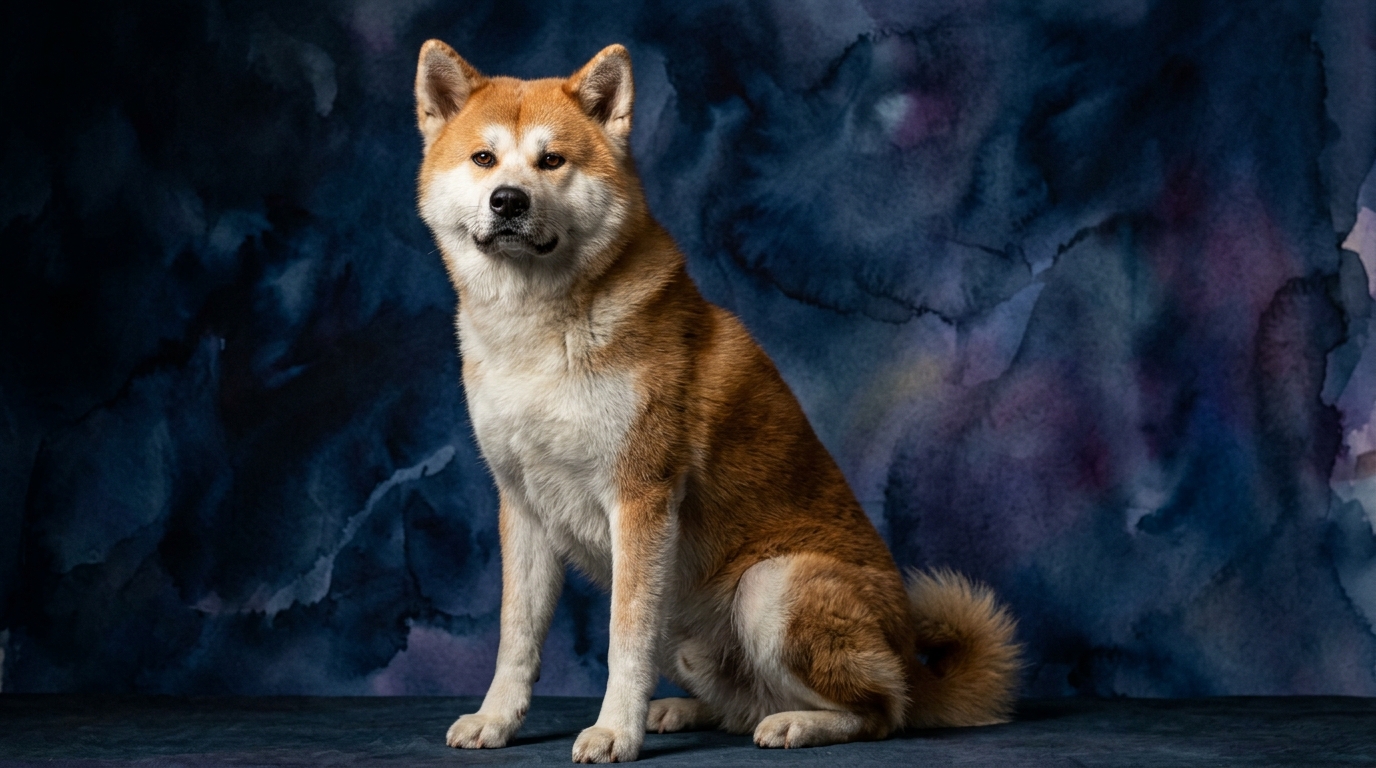
Originating as hunting dogs for bear and boar, and later as guardians, Akitas exhibit a Problem Solving score of 3/5. This suggests they can navigate moderately complex situations but might prefer established routines over constant novel challenges. Their Training Speed, at 2/5, indicates a deliberate learning pace, often requiring patience and consistent methods, reflecting their independent nature rather than a lack of capacity. Social Intelligence, rated 3/5, means they can understand human cues and social hierarchies within their trusted circle, though they are often reserved with strangers. Their Instinctive Drive is a commanding 5/5, highlighting a powerful prey drive and strong territorial instincts, crucial for their historical roles. Memory, at 4/5, suggests they retain learned behaviors and experiences effectively, contributing to their reliability once a task is mastered. On the Coren ranking, the Akita sits at #54, placing them in the average working intelligence category, a position that speaks more to their independence in task execution than their overall mental capacity.
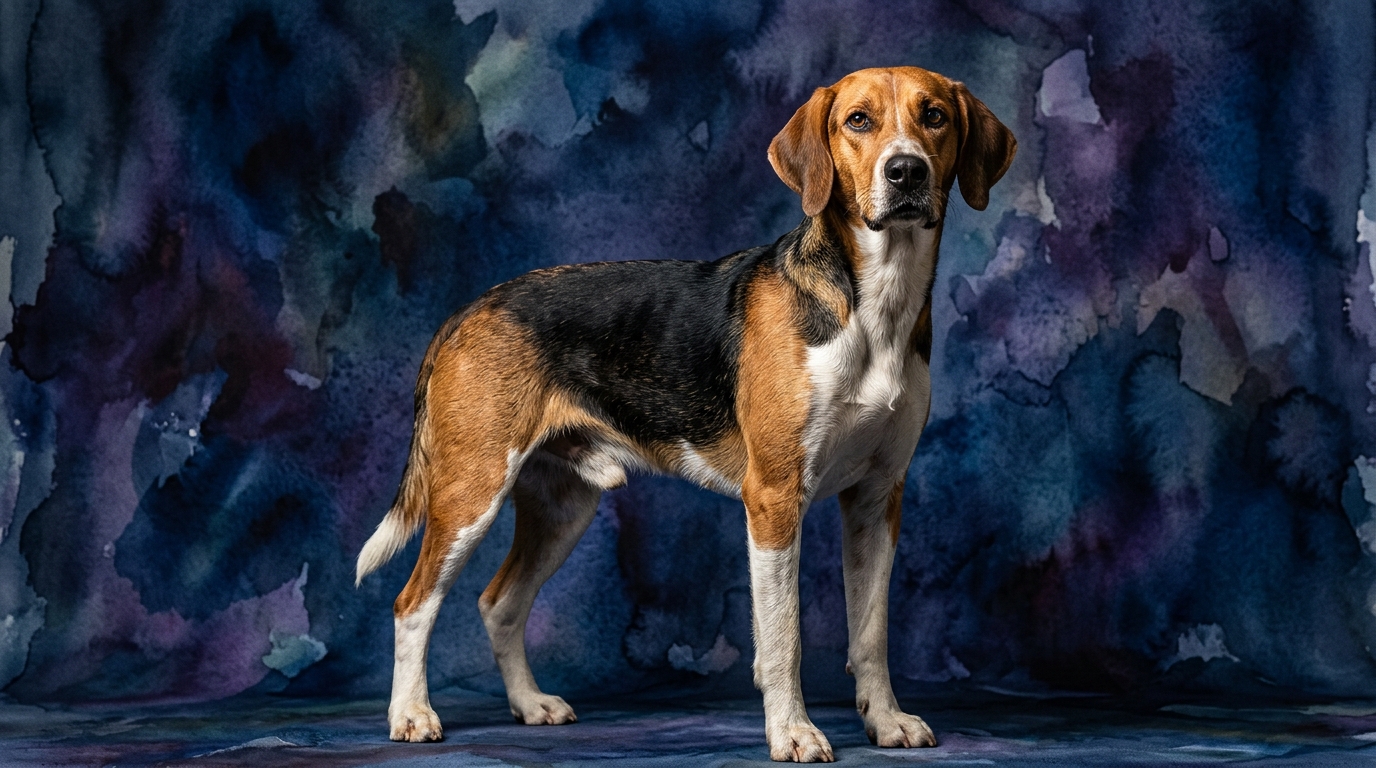
Bred specifically for stamina and scent-driven pursuit in large packs, the English Foxhound's cognitive profile reflects their specialized hunting heritage. Their Problem Solving ability is rated 3/5, similar to the Akita, indicating competence in practical, task-oriented scenarios, particularly those involving scent trails. Training Speed, at 3/5, is slightly higher than the Akita, suggesting they can pick up commands at a moderate pace, especially when motivated by scent work or positive reinforcement. Social Intelligence, also 3/5, points to their capacity for pack dynamics and responsiveness to handler cues within a group context, though their focus often remains on the hunt. Their Instinctive Drive, 3/5, is primarily focused on scenting and pursuing, less on guarding or direct confrontation compared to the Akita's intense drive. Memory, at 3/5, allows them to recall scent patterns and terrain, essential for their work, but perhaps not as strong in recalling complex sequences of commands as other breeds. The English Foxhound is not Coren-ranked, which is common for breeds whose primary intelligence is highly specialized for a specific, instinctive task like scent trailing, rather than general obedience or problem-solving in a domestic setting.
Where the Akita Demonstrates Cognitive Strengths
The Akita's cognitive profile reveals particular strengths in areas demanding self-reliance and long-term retention. Their Memory score of 4/5, superior to the English Foxhound's 3/5, means an Akita is more likely to recall complex sequences of learned behaviors or past interactions over extended periods. This contributes to their reputation for being trustworthy companions once a bond is established and boundaries are understood. Furthermore, their Instinctive Drive, a formidable 5/5, while presenting training challenges, is a cognitive strength in terms of their inherent capability for intense focus and unwavering commitment to a perceived duty, whether guarding a home or tracking game. This deep-seated drive translates into a powerful conviction in their actions, allowing them to make independent decisions based on their assessment of a situation, a trait valued in their historical roles as guardians and hunters. Their moderate Problem Solving (3/5) combined with strong memory allows them to adapt established solutions to recurring challenges, exhibiting a practical, rather than purely innovative, form of cognition.
Where the English Foxhound Demonstrates Cognitive Strengths
The English Foxhound's cognitive advantages are deeply rooted in their specialized purpose: the relentless pursuit of scent. While their Problem Solving (3/5) matches the Akita, the nature of that problem-solving differs; for the Foxhound, it's about navigating varied terrain and overcoming obstacles to follow a trail, a complex spatial and sensory puzzle. Their Training Speed of 3/5, slightly higher than the Akita's 2/5, indicates a greater readiness to absorb handler directions within a working context, particularly when those directions align with their innate drive. This isn't necessarily about mastering intricate tricks but rather responding promptly to cues during a hunt or related activities. The English Foxhound's Instinctive Drive, while rated 3/5, is a profound strength in its singular focus on scent. This highly specialized cognitive function allows them to filter out distractions and concentrate intensely on a faint aroma, a feat of sensory processing and sustained attention that few breeds can match. Their moderate Memory (3/5) is perfectly adequate for recalling successful scent paths and recognizing familiar hunting grounds, reinforcing their effectiveness in their chosen field.
Training Aptitude: Akita vs. English Foxhound
When considering ease of training, the English Foxhound generally presents a more straightforward path for handlers, largely due to their slightly higher Training Speed (3/5 vs. Akita's 2/5) and the nature of their instinctive drives. English Foxhounds are bred to work cooperatively in packs and respond to human direction during a hunt, making them more inclined to follow commands, especially when those commands are associated with exciting activities like scent work. Their behavioral differences manifest in their general eagerness to please in a working context, although their strong scent drive can make off-leash reliability a challenge in uncontrolled environments. In contrast, the Akita's independent nature and lower Training Speed mean that while they are capable of learning, they often require more repetition and a handler who understands their deliberate approach. An Akita is less likely to perform a command purely for the sake of pleasing; they need to perceive the value or logic in the action. Their strong instinctive drive (5/5) means they often rely on their own judgment, which can be interpreted as stubbornness, but is actually a manifestation of their self-reliant cognitive style. Consistent, positive reinforcement methods are crucial for both, but the Akita demands a deeper understanding of their motivations and a more patient, firm, and respectful approach to training.
Matching Canine Cognition to Lifestyles: Active vs. Relaxed Owners
The Akita's cognitive makeup, characterized by a potent instinctive drive (5/5), strong memory (4/5), and a reserved social intelligence (3/5), positions them as better suited for owners who appreciate a dog with a profound sense of purpose and a need for clear structure. These are not dogs for casual, relaxed owners who prefer a perpetually eager-to-please companion. Akitas thrive with active owners who can provide consistent mental stimulation, engage in structured training, and understand the nuances of managing a dog with strong guarding instincts and a powerful prey drive. Their problem-solving (3/5) is best directed towards tasks that align with their protective nature or reinforce their bond with a trusted handler.
The English Foxhound, with its moderate instinctive drive (3/5) primarily focused on scent, slightly higher training speed (3/5), and balanced social intelligence (3/5), aligns well with highly active owners who can channel their dog's boundless energy and olfactory prowess. These dogs are built for endurance and require significant physical exercise, ideally in environments where their scenting abilities can be engaged, such as tracking sports or long, secure off-leash runs. Relaxed owners would quickly find themselves overwhelmed by a Foxhound's unmet energy requirements, which could lead to disruptive behaviors. While not as intensely independent as the Akita, their drive to follow a scent can make them less attentive to their handler when a compelling trail is present. Therefore, an active owner who understands and respects this specialized cognitive focus will find a rewarding partnership.
The Verdict
Opt for an Akita if you are an experienced owner seeking a loyal, self-reliant companion with robust guarding instincts and a formidable presence, prepared to invest in consistent, respectful training to manage their independent nature and strong drives.
Select an English Foxhound if you lead an exceptionally active lifestyle and are eager to engage with a dog whose primary cognitive strength lies in tireless scent work and endurance, providing ample opportunities for them to express their innate tracking abilities.
🧠 Find Your Pet's IQ Score
Our Pet IQ Lab assessment covers 25+ tests across 5 cognitive dimensions — personalized to your breed.
Take the Full IQ Test →Frequently Asked Questions
Is an Akita difficult to train due to its independence?
An Akita's independence and lower training speed (2/5) mean they require a patient, consistent, and respectful approach. They are capable learners but need to understand the 'why' behind a command and thrive on clear expectations rather than rote obedience, often making their training a more deliberate process.
Do English Foxhounds make good family pets despite their hunting background?
English Foxhounds can be affectionate family pets, especially in active households that can meet their significant exercise needs. Their social intelligence (3/5) allows them to bond, but their strong scent drive requires secure environments and consistent recall training to prevent them from pursuing a trail.
How do the problem-solving abilities of these two breeds compare in a home environment?
Both breeds score 3/5 in problem-solving, but they apply it differently. An Akita might problem-solve by finding ways to guard their territory or access a desired resource, often with a degree of deliberation. An English Foxhound's problem-solving in a home might involve navigating obstacles to reach a scent or finding ways to expend pent-up energy, driven more by instinctual urges.