Side-by-Side Cognitive Profiles
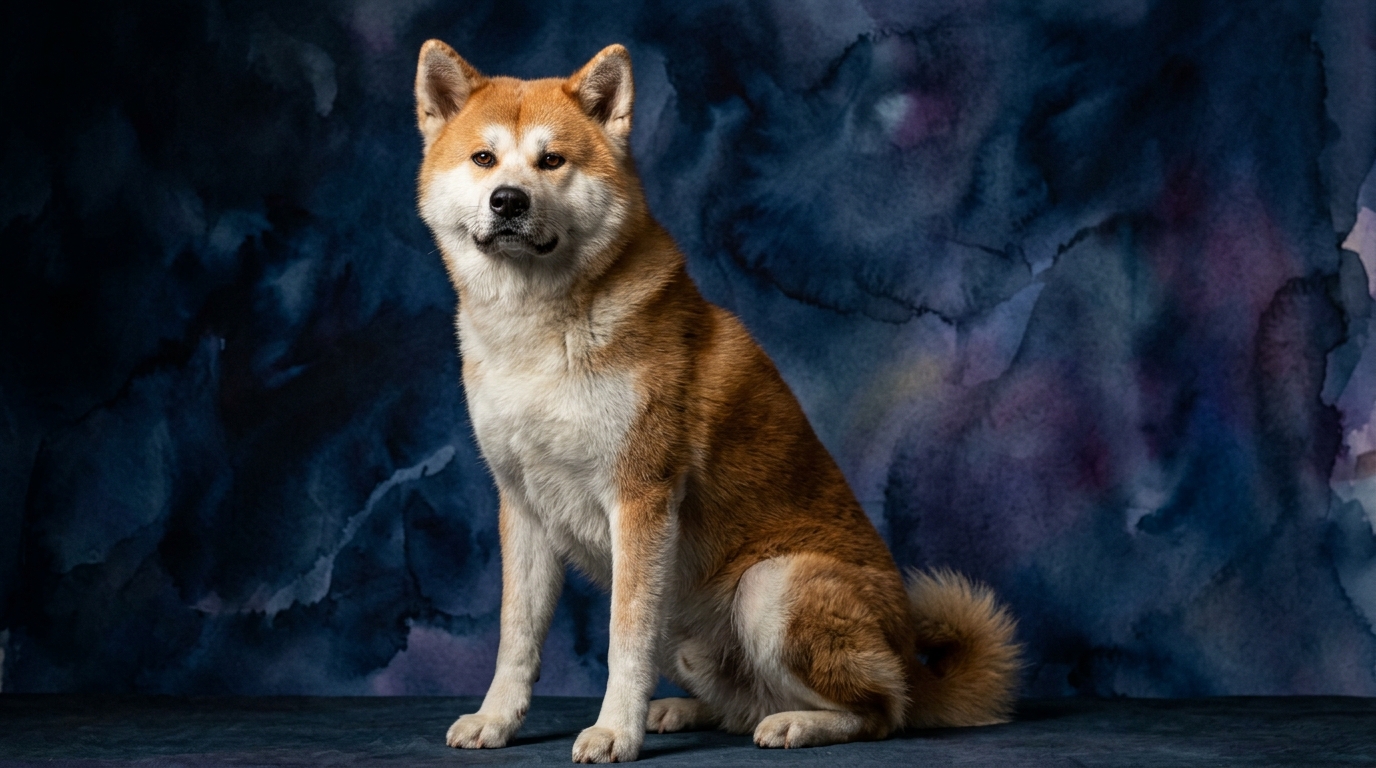
The Akita, ranking #54 on Stanley Coren's list of dog intelligence, presents a unique cognitive makeup tailored for independent thought and strong guardianship. Their problem-solving ability scores a solid 3/5, suggesting a capacity to navigate novel situations, often by relying on their own judgment rather than seeking human direction. Training speed is rated 2/5, indicating they require more repetition and motivation to master new commands, a trait often linked to their independent nature. Social intelligence is 3/5, meaning they are adept at understanding the nuances of their immediate social circle but can be reserved with outsiders. Where the Akita truly excels is in instinctive drive, scoring a perfect 5/5, reflecting their powerful guarding, hunting, and territorial instincts. Their memory, at 4/5, is robust, allowing them to recall routines, perceived threats, and specific interactions with remarkable accuracy.
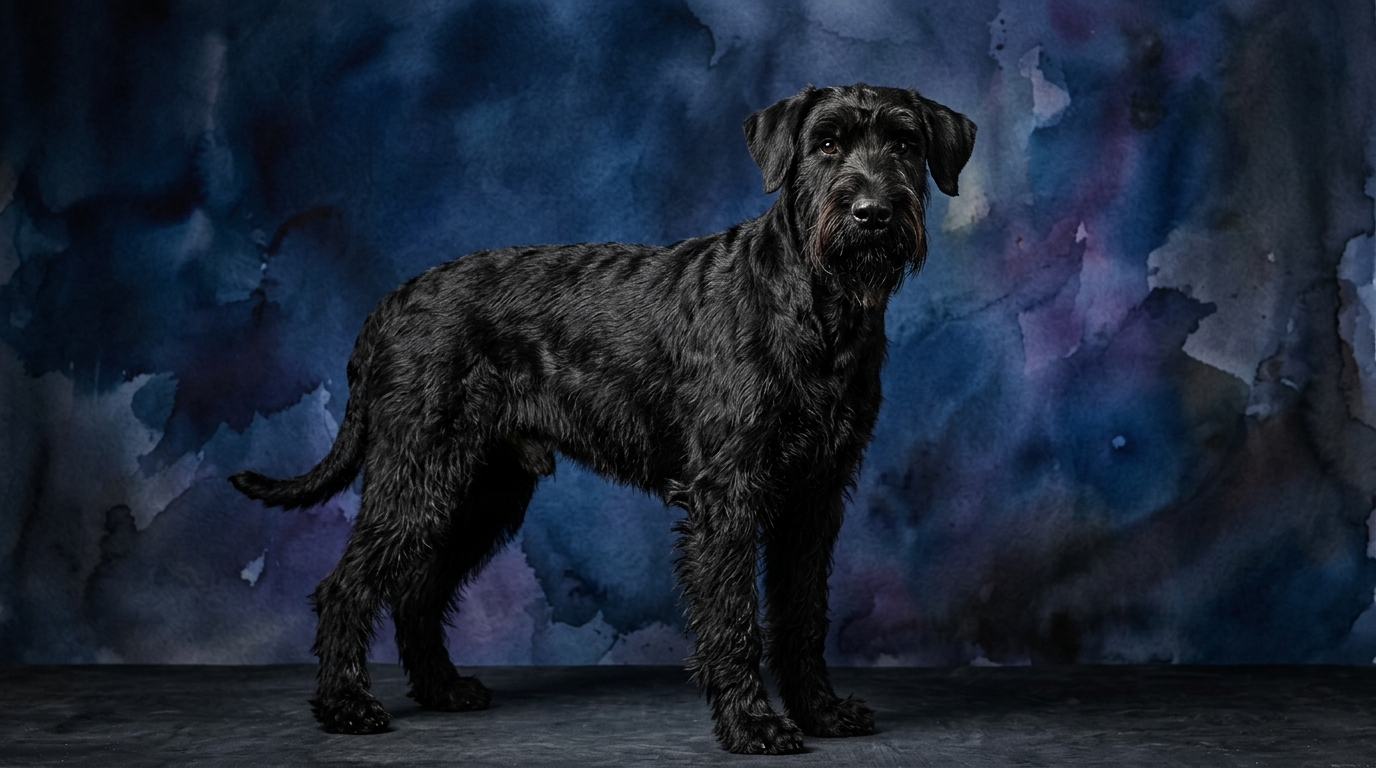
In contrast, the Giant Schnauzer, with a higher Coren rank of #28, showcases a more cooperative and task-oriented intelligence. Their problem-solving aptitude is rated 4/5, indicating a greater inclination to analyze challenges and find solutions, particularly when engaged in a task or working alongside a handler. Training speed also scores 4/5, highlighting their eagerness to learn and quicker comprehension of new commands and sequences. Social intelligence, like the Akita, is 3/5, but in the Giant Schnauzer, this often manifests as a keen ability to interpret human cues and intentions within a working context. Their instinctive drive is 3/5, present but more manageable and channelled into purposeful work rather than raw, independent expression. A Giant Schnauzer's memory, also 4/5, supports their excellent retention of complex training protocols and past experiences.
Where the Akita Wins Cognitively
The Akita's cognitive strengths truly shine in areas demanding self-reliance and an unwavering adherence to instinct, particularly their formidable instinctive drive (5/5). This isn't merely a brute force; it's a sophisticated cognitive framework that allows them to assess threats, patrol boundaries, and protect their family with minimal human prompting. Their ability to make independent decisions in high-stakes situations, driven by this primal intelligence, is a key differentiator. For example, an Akita might instinctively position itself between a child and a perceived stranger, a decision made without direct command, based on an internal assessment of the situation.
While their problem-solving score is 3/5, it manifests uniquely. Akitas often solve problems through observation and memory (4/5), recalling past events or patterns to navigate new obstacles. They might remember a specific weak point in a fence or a gate latch, demonstrating a form of cognitive mapping and recall that serves their independent nature. This memory also plays a crucial role in their discerning social intelligence; they remember specific interactions, good or bad, with individuals, forming lasting impressions that guide their future behavior towards them. This combination of strong instinct and memory makes them exceptionally reliable guardians who operate with a profound sense of purpose.
Where the Giant Schnauzer Wins Cognitively
The Giant Schnauzer's cognitive advantages are most evident in their responsiveness and capacity for complex learning, particularly in their superior training speed (4/5) and problem-solving skills (4/5). These dogs possess a keen desire to engage with tasks and understand human directives, allowing them to process new information and associate actions with commands much faster than an Akita. This means they can pick up intricate sequences of behaviors for sports like agility or obedience trials with impressive efficiency, often requiring fewer repetitions to achieve mastery.
Their problem-solving ability extends beyond simple recall; Giant Schnauzers often demonstrate an adaptive intelligence, capable of adjusting their approach when an initial strategy fails. This might involve figuring out how to open a puzzle toy through trial and error, or learning a multi-step routine by understanding the underlying logic rather than just memorizing a sequence of movements. Their social intelligence, while rated 3/5 like the Akita, is typically more outwardly expressive and collaborative, enabling them to form strong working partnerships and respond to subtle handler cues, making them exceptional partners in various canine disciplines. Their memory (4/5) supports this by allowing them to retain vast amounts of learned information and apply it consistently.
Which is Easier to Train and Why
When it comes to ease of training, the Giant Schnauzer clearly holds an advantage, largely due to their higher Coren rank (#28) and superior training speed (4/5). These dogs exhibit a strong desire to please and a natural inclination to work cooperatively with their human partners. They are typically more receptive to commands, eager to learn, and less likely to question the validity of an instruction. Their inherent drive to perform tasks means they find satisfaction in mastering new skills and receiving positive reinforcement, making the training process a rewarding experience for both dog and owner. They are more forgiving of handler errors and show a greater capacity for generalization, applying learned behaviors across different environments and situations.
The Akita, with a training speed of 2/5 and a Coren rank of #54, presents a more significant training challenge. Their independence and strong will mean they are not inherently driven to please in the same way a Giant Schnauzer is. An Akita often requires a clear purpose or strong motivation to comply with a command, and may choose not to obey if they perceive the instruction as unnecessary or illogical. Their powerful instinctive drive (5/5) can also sometimes override learned behaviors, especially in situations where their guarding or hunting instincts are triggered. Training an Akita demands immense patience, consistency, and a deep understanding of their unique motivations, focusing on building a respectful partnership rather than expecting immediate, unquestioning obedience. They thrive on clear, fair boundaries and a handler who earns their trust and respect.
Cognitive Fit: Active Owners vs. Relaxed Owners
For owners seeking a highly engaged and actively working partner, the Giant Schnauzer's cognitive profile aligns perfectly. Their excellent problem-solving, rapid training speed, and desire for cooperative tasks make them ideal for individuals or families committed to advanced obedience training, dog sports like agility or protection work, or roles requiring consistent mental stimulation. These dogs thrive on having a 'job' and require owners who can dedicate significant time to structured activities and consistent engagement. A Giant Schnauzer is not content with simply existing; they need to exercise their substantial cognitive abilities and physical energy, making them unsuitable for owners preferring a largely sedentary lifestyle.
Conversely, the Akita's independent nature and profound instinctive drives make them a better fit for owners who appreciate a more self-reliant companion, yet are prepared for the rigorous demands of managing a powerful, discerning breed. While they require consistent training and socialization, Akitas are not 'velcro' dogs and are often content with periods of quiet observation, provided their needs for exercise and mental engagement are met on their own terms. They suit owners who understand and respect their independent decision-making, can provide clear, consistent leadership without being overbearing, and are confident in managing a dog with strong protective instincts. A 'relaxed' owner for an Akita is one who is calm and steady, not one who is passive about training or management.
The Verdict: When to Choose Each Breed
The Verdict
Choose an Akita if you value an independent, loyal guardian with formidable instincts and a discerning social nature, and are prepared for a consistent, patient training approach that respects their strong will. They thrive with owners who appreciate their self-reliant character and can provide firm, fair leadership.
Opt for a Giant Schnauzer if you desire a highly trainable, cooperative working partner eager for complex tasks and consistent mental and physical engagement. They are an excellent choice for active owners dedicated to dog sports, advanced obedience, or roles requiring a responsive and intelligent companion.
🧠 Find Your Pet's IQ Score
Our Pet IQ Lab assessment covers 25+ tests across 5 cognitive dimensions — personalized to your breed.
Take the Full IQ Test →Frequently Asked Questions
Do Akitas respond well to positive reinforcement training?
Yes, Akitas do respond to positive reinforcement, but it must be highly motivating and consistent. Due to their independent nature, they often require higher-value rewards and a clear understanding of 'what's in it for them' to engage enthusiastically in training exercises. Patience and building a strong, respectful bond are paramount for success.
Are Giant Schnauzers good at learning new tricks quickly?
Absolutely, Giant Schnauzers excel at learning new tricks and commands quickly thanks to their high training speed and problem-solving abilities. Their desire to work and engage with their owners makes them highly receptive to instruction, often mastering complex behaviors with fewer repetitions than many other breeds. They thrive on mental challenges.
Which breed is better for a first-time dog owner?
Neither breed is typically recommended for first-time dog owners without significant prior research and commitment, but the Giant Schnauzer is generally more manageable due to its higher trainability and desire to cooperate. The Akita's strong independence and powerful instincts require an experienced hand to guide them effectively, making them a more challenging choice for novices.