Side-by-Side IQ Profile: Akita vs. Harrier
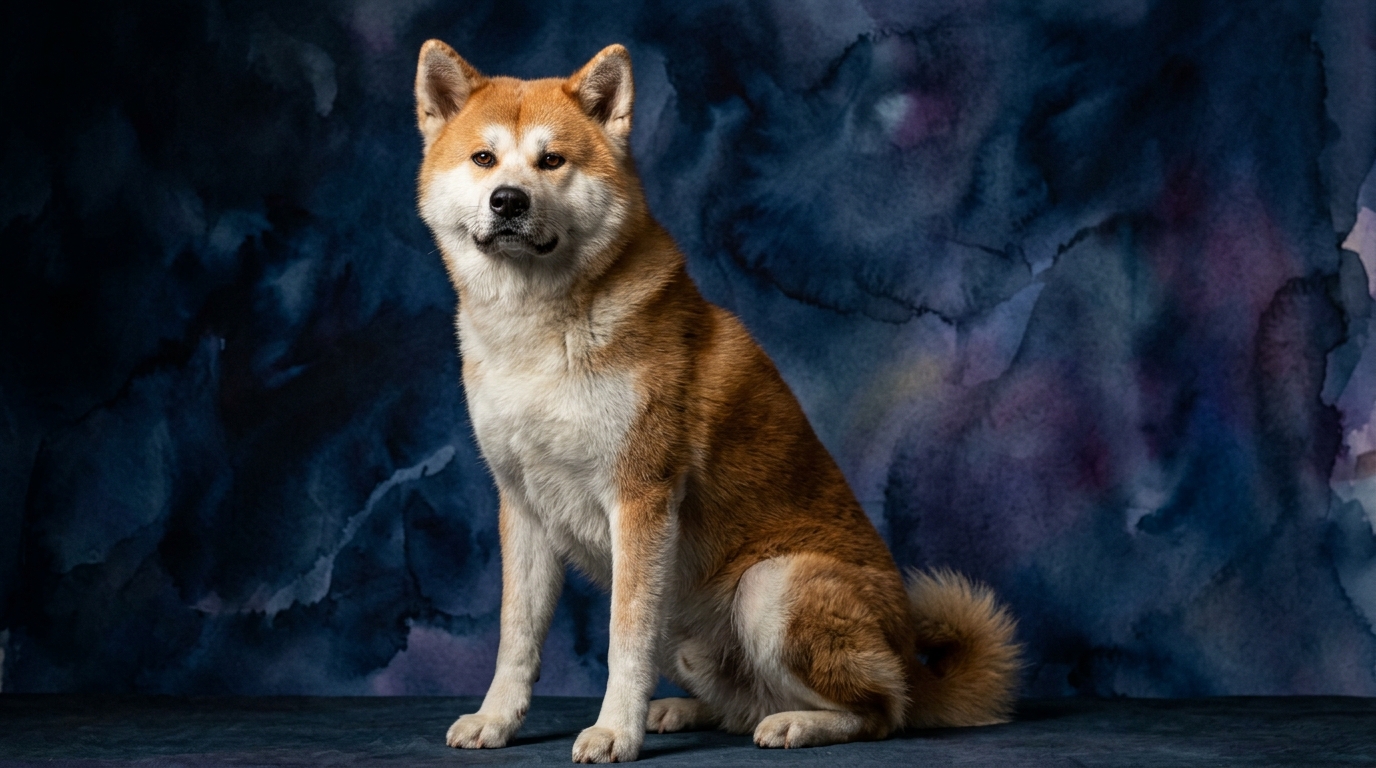
The Akita, a robust working dog, presents a distinctive cognitive blueprint. Its Problem Solving ability is rated 3/5, indicating a capacity to navigate novel situations and figure things out, though often on its own terms. Training Speed, at 2/5, suggests that while Akitas can learn, they require consistent, patient instruction and may not absorb new commands as quickly as some breeds. Social Intelligence stands at 3/5, meaning they can interpret human cues and social dynamics, but often prefer a more reserved interaction style. The Akita's Instinctive Drive is a notable 5/5, reflecting powerful guarding instincts, a strong prey drive, and an inherent need to protect its family and territory. Finally, Memory is scored 4/5, signifying a strong ability to recall past experiences, learned behaviors, and even perceived injustices over extended periods.
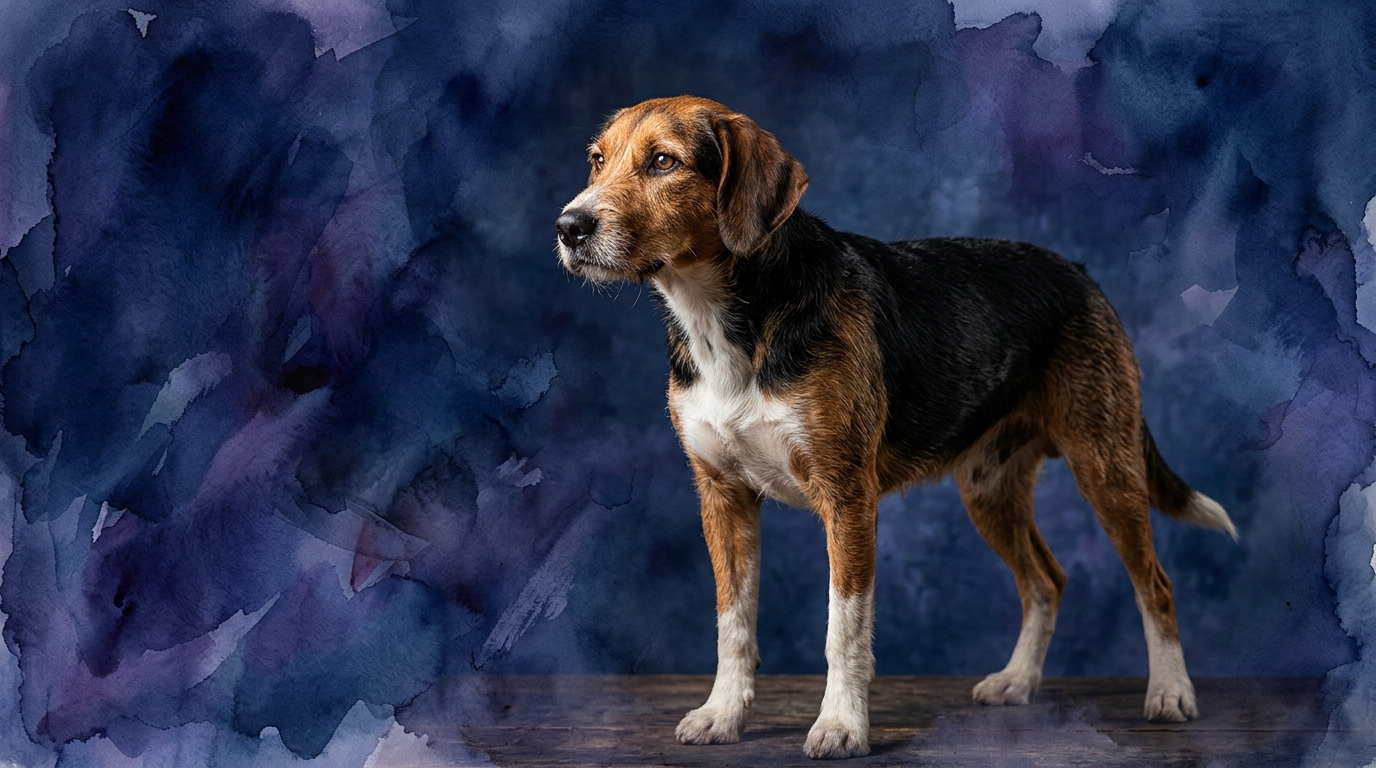
In contrast, the Harrier, a spirited hound, exhibits a cognitive profile tailored for its historical role in tracking game. Its Problem Solving ability also sits at 3/5, demonstrating practical intelligence for tasks related to its natural instincts, such as following complex scent trails. The Harrier shines in Training Speed with a score of 3/5, indicating a more eager and receptive attitude towards learning new commands and routines, making them generally more pliable. Social Intelligence matches the Akita at 3/5, showing an ability to engage with and understand its human companions, often in a more overtly friendly manner. Instinctive Drive for the Harrier is 3/5, primarily focused on its powerful scenting abilities and the pursuit of game, rather than guarding. Memory is rated 3/5, an adequate capacity for retaining information pertinent to its tasks and daily life, though not as profound as the Akita's.
Where the Akita Wins Cognitively
The Akita's cognitive strengths distinctly lie in its profound Instinctive Drive and impressive Memory. With an Instinctive Drive score of 5/5, the Akita possesses an unwavering resolve and a deep-seated protective nature. This isn't merely a preference; it's a fundamental aspect of their being, manifesting as a vigilant awareness of their surroundings and a ready response to perceived threats. Owners will observe this as a quiet watchfulness, an inherent wariness of strangers, and a fierce loyalty to their inner circle. This powerful drive makes them exceptional guardians, though it demands experienced handling to channel appropriately and prevent misdirected behaviors.
Complementing its drive, the Akita's Memory, rated 4/5, allows it to retain complex information and experiences with remarkable tenacity. This means an Akita will remember training commands, past routines, and even specific interactions – positive or negative – for a very long time. An owner who is inconsistent in training or who allows undesirable behaviors to be reinforced will find these patterns deeply ingrained. Conversely, consistent, positive reinforcement builds a strong foundation of learned behaviors that the Akita will recall reliably, even after long breaks. Their memory also contributes to their independent problem-solving, allowing them to draw on past solutions to navigate new challenges.
Where the Harrier Wins Cognitively
The Harrier's primary cognitive advantage is evident in its Training Speed, scoring 3/5 compared to the Akita's 2/5. This higher score reflects a greater willingness and capacity to absorb new commands and routines efficiently. Harriers are generally more motivated by cooperation and positive reinforcement, making them more straightforward to guide through obedience exercises. Their focus on the task at hand, especially when scent-related, can be harnessed to teach a variety of skills with relatively fewer repetitions. Owners will often find Harriers more eager to please and more forgiving of minor training inconsistencies than their Akita counterparts.
While the Akita's drives are centered on protection, the Harrier's Instinctive Drive (3/5) is specifically tuned for tracking and hunting. This specialized cognitive strength allows them to interpret and follow complex scent trails with remarkable precision and endurance. It's a different manifestation of drive, less about guarding and more about persistent, focused pursuit. This natural aptitude makes them exceptional at scent work, tracking sports, and any activity that engages their powerful nose, demonstrating a unique problem-solving ability within their domain. Their moderate social intelligence also allows them to work cooperatively within a pack or with a handler during these activities.
Which is Easier to Train and Why
Based on their respective IQ profiles, the Harrier is generally easier to train than the Akita. The Harrier's Training Speed of 3/5 indicates a more receptive learner, often showing greater enthusiasm for new tasks and a quicker grasp of commands. This translates to real behavioral differences: a Harrier is more likely to respond promptly to cues, engage willingly in training sessions, and be more forgiving of a novice trainer's learning curve. Their cooperative nature, combined with a focused instinctive drive towards scenting, means they can be highly motivated by engaging their nose in training games, making the process enjoyable and productive. While they can be distracted by compelling scents, their overall amenability makes them a more straightforward training partner.
The Akita, with its Training Speed of 2/5, presents a more significant training challenge. Their independence and strong will mean they require a highly consistent, confident, and patient handler. An Akita will assess whether a command is worth obeying, and if they don't see the value or if the handler's leadership is wavering, they may simply choose not to comply. Their deep memory means that both good habits and bad habits are deeply ingrained, making early, correct training crucial. Unlike the Harrier's eagerness to please, an Akita's compliance is often earned through mutual respect and understanding, rather than an inherent desire to follow instructions. This isn't a lack of intelligence, but a difference in cognitive approach – they think for themselves more readily, demanding a more nuanced and committed training strategy.
Which Suits Active Owners vs. Relaxed Owners
For active owners seeking a cooperative partner for outdoor adventures and structured activities, the Harrier is the more suitable choice. Their moderate Instinctive Drive (3/5), while strong in scenting, translates to a dog that thrives on engaging activities like long walks, runs, hiking, and especially scent work or tracking sports. Harriers possess good stamina and enjoy being part of the action, but their energy is often more directed and manageable than some high-drive breeds. Their better Training Speed (3/5) also means they are more adaptable to learning new sports or activities, making them excellent companions for owners who want to actively participate in their dog's mental and physical stimulation. They enjoy being busy, but also appreciate downtime with their family.
The Akita, with its powerful Instinctive Drive (5/5) and independent nature, is better suited for experienced owners who appreciate a dog with a strong presence and are prepared for a more structured, consistent lifestyle. While Akitas require regular exercise to maintain physical health, their mental stimulation often comes from guarding their territory and observing their surroundings, rather than necessarily engaging in high-intensity, cooperative sports. A 'relaxed owner' in this context doesn't mean inactive, but rather an owner who understands and respects the Akita's reserved demeanor and potential for strong-willed behavior. They need an owner who can provide firm, consistent leadership and a secure environment, without necessarily demanding constant interaction or complex training routines. Their deep memory means they thrive on predictable routines and a stable home environment, making them excellent companions for owners who value loyalty and a strong, protective presence over constant playful engagement.
The Verdict
Choose the Akita if you are an experienced owner seeking a loyal, protective companion with a strong will and deep memory, prepared for dedicated, consistent training.
Opt for the Harrier if you are an active owner who enjoys cooperative training, scent work, and a sociable dog that learns readily and thrives on engaging activities.
🧠 Find Your Pet's IQ Score
Our Pet IQ Lab assessment covers 25+ tests across 5 cognitive dimensions — personalized to your breed.
Take the Full IQ Test →Frequently Asked Questions
Are Akitas good family dogs?
Akitas can be wonderful family dogs, forming deep bonds with their immediate human family members. However, their strong protective instincts and reserved nature mean they often require careful socialization and supervision around children and strangers.
Do Harriers get along with other pets?
Harriers, being pack hounds, generally get along well with other dogs, especially if socialized from a young age. Their prey drive, however, means they may not be suitable for homes with smaller pets like cats or rabbits unless raised with them carefully.
What kind of exercise do these breeds need?
Akitas require moderate daily exercise, such as long walks or yard play, to stay healthy and content, but mental stimulation often comes from their guarding duties. Harriers need substantial daily exercise, including opportunities to run and engage their powerful sense of smell through activities like scent games or tracking.