Side-by-Side IQ Profile: Akita vs. Irish Terrier
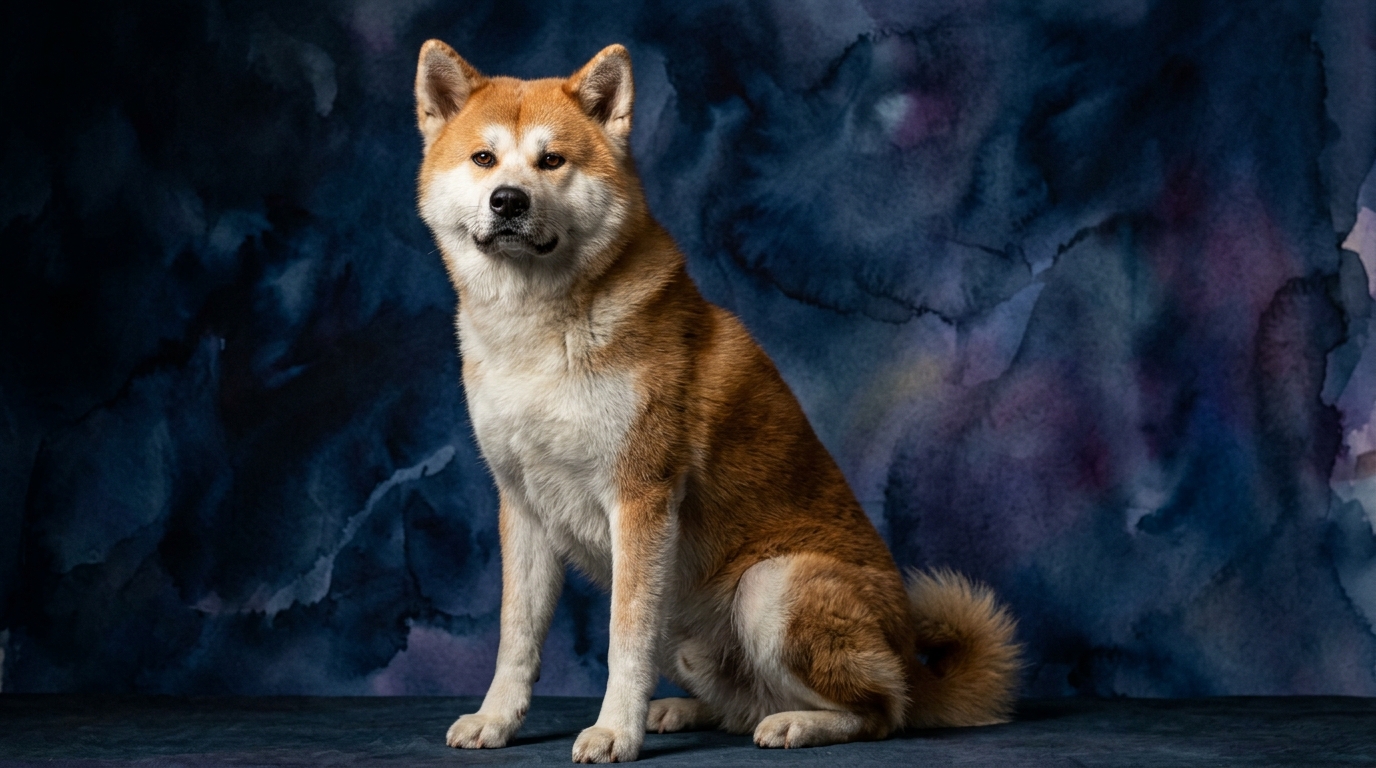
Our Cosmic Pet Pet IQ Lab evaluates canine cognition across five distinct dimensions, offering a detailed look into what makes each breed's mind unique. For the Akita, a breed with a Coren ranking of #54, its Problem Solving score stands at 3 out of 5, reflecting an independent capacity to figure things out, often on its own terms. Its Training Speed is 2 out of 5, indicating that while it learns, it does so at its own pace and with a strong will. Social Intelligence registers at 3 out of 5, characterized by deep, discerning bonds with its family and a reserved nature towards outsiders. The Akita’s Instinctive Drive is a formidable 5 out of 5, showcasing powerful guarding and protective instincts, while its Memory is rated 4 out of 5, demonstrating excellent recall for experiences and learned associations.
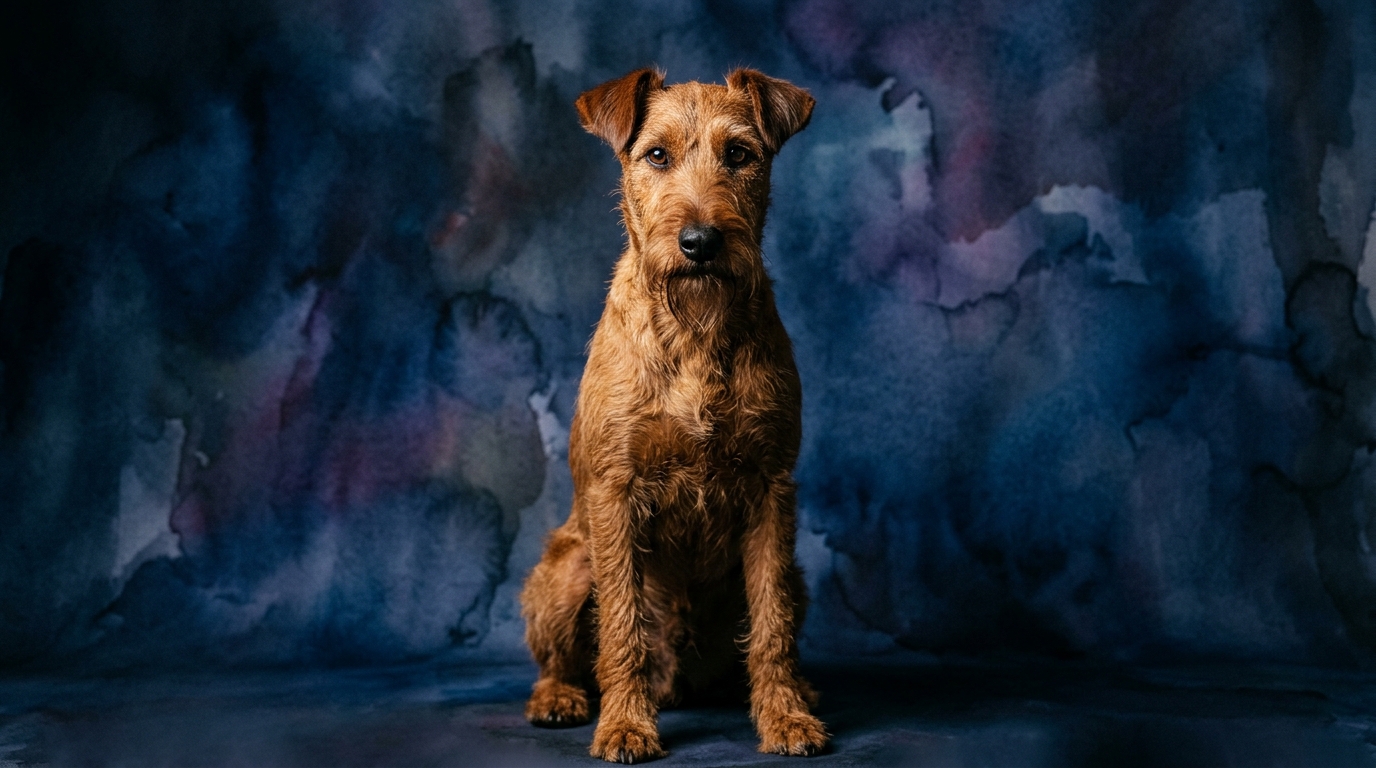
The Irish Terrier, a breed not Coren-ranked but equally compelling in its cognitive makeup, presents a slightly different profile. Its Problem Solving ability also scores 3 out of 5, highlighting a resourceful nature that can be applied to various tasks, sometimes with a mischievous bent. Where it differs significantly is in Training Speed, scoring 3 out of 5, suggesting a quicker grasp of new commands and a more collaborative approach to learning compared to the Akita. Social Intelligence for the Irish Terrier is also 3 out of 5, typically displaying a friendly disposition and clear communication within its social circles. Its Instinctive Drive is 3 out of 5, encompassing a moderate prey drive and the tenacious spirit of a terrier, but less intense guarding than the Akita. Finally, the Irish Terrier’s Memory is 3 out of 5, indicating a solid ability to recall routines and learned behaviors.
Where the Akita Wins Cognitively
The Akita demonstrates distinct cognitive strengths that align with its historical roles as a hunter and guardian. Its superior Memory, rated 4 out of 5 compared to the Irish Terrier's 3, is a significant advantage. This manifests as a profound recall of past experiences, people, and specific situations, contributing to their discerning nature and their capacity to hold grudges or form lasting positive associations. An Akita remembers who belongs and who doesn't, enhancing its effectiveness as a watchful protector. This deep memory isn't just about commands; it's about the entire tapestry of its life, allowing for complex emotional and situational recall.
Furthermore, the Akita's Instinctive Drive, a perfect 5 out of 5 against the Irish Terrier's 3, represents a specialized cognitive excellence. While not a 'thinking' score in the traditional sense, this intense drive for vigilance, territory protection, and self-reliance means the Akita's mind is exceptionally primed for these tasks. Its cognitive architecture is wired for independent decision-making in high-stakes situations, relying on deeply ingrained protective instincts rather than constant human direction. This self-sufficiency, born from a powerful internal drive, is a hallmark of its unique intelligence, enabling it to assess threats and act decisively without hesitation, a trait less pronounced in the Irish Terrier.
Where the Irish Terrier Wins Cognitively
The Irish Terrier's cognitive profile shines in areas emphasizing responsiveness and adaptable ingenuity. Its Training Speed, rated 3 out of 5 compared to the Akita's 2, highlights a more eager and quicker uptake of new commands and routines. This breed generally displays a greater willingness to engage in cooperative learning exercises, making the initial stages of obedience training more fluid. Their mental agility allows them to process and integrate new information efficiently, translating into a more responsive training partner.
While both breeds share a 3 out of 5 in Problem Solving, the Irish Terrier's application of this skill often comes with a distinct terrier flair. Their resourcefulness is frequently directed towards more immediate, sometimes impish, challenges—figuring out how to access a forbidden treat, or devising a game to entertain themselves. This brand of problem-solving is often more overt and less ponderous than an Akita's, reflecting a quicker pivot to action and a readiness to experiment with solutions in their environment. Their social intelligence, while rated the same, tends to be more broadly expressed, allowing for quicker rapport in varied social settings, a form of cognitive flexibility.
Which is Easier to Train and Why
Based on our IQ Lab scores, the Irish Terrier is generally considered easier to train than the Akita, primarily due to its higher Training Speed (3/5 vs. 2/5) and a more amenable temperament. Irish Terriers typically possess a keen desire to please their owners and are more inclined to engage in collaborative activities. They respond well to positive reinforcement and clear, consistent instruction, often picking up new commands with relative ease. Their lively and curious nature means they are often enthusiastic participants in training sessions, viewing them as stimulating interactions rather than mere chores. This willingness to work alongside their human makes the training journey less arduous for many owners.
In contrast, the Akita's independent nature and strong will present a more significant challenge in training. Their lower Training Speed score (2/5) indicates that while they are capable of learning, they require immense patience, consistency, and a deep understanding from their handler. An Akita often learns best when it perceives the value or logic in a command, rather than simply complying for compliance's sake. They are not easily coerced and will often choose to ignore commands if they don't see the immediate benefit or if their independent judgment dictates otherwise. This behavioral difference means that while an Akita can become a well-trained companion, the process demands a dedicated owner who can build a relationship based on mutual respect and firm, yet gentle, leadership, rather than expecting rote obedience.
Which Suits Active Owners vs. Relaxed Owners
Choosing between an Akita and an Irish Terrier involves understanding their inherent energy levels and cognitive needs, aligning them with an owner's lifestyle. The Akita, despite its powerful physique, isn't necessarily a fit for 'active' owners in the traditional sense of constant, high-octane physical activity. Instead, it suits owners who are 'active' in their dedication to consistent, patient training, mental stimulation, and maintaining clear boundaries. They thrive with owners who appreciate a dog that thinks for itself, requiring a calm, confident presence to guide its strong will. These owners must be prepared for a discerning companion that demands respect and a well-structured environment, rather than incessant fetch or jogging partners.
The Irish Terrier, conversely, is an ideal match for genuinely active owners who enjoy engaging in various physical and mental pursuits with their dog. Their spirited nature and moderate instinctive drive (3/5) mean they require regular, vigorous exercise to prevent boredom and channel their energy constructively. Owners who enjoy long walks, interactive play, agility, or other dog sports will find a willing and enthusiastic partner in an Irish Terrier. They suit individuals or families who are prepared to provide consistent mental stimulation through training and puzzle toys, ensuring their quick wit and problem-solving abilities (3/5) are positively challenged, fitting a more hands-on, interactive lifestyle.
The Verdict
Choose the Akita if you seek a profound, independent bond with a discerning guardian that thrives on mutual respect and consistent, patient guidance, valuing a dog that thinks for itself.
Opt for the Irish Terrier if you desire a lively, resourceful companion eager for engaging activities and cooperative training, bringing spirited energy and quick wit to your home.
🧠 Find Your Pet's IQ Score
Our Pet IQ Lab assessment covers 25+ tests across 5 cognitive dimensions — personalized to your breed.
Take the Full IQ Test →Frequently Asked Questions
Are Akitas good family dogs?
Akitas can be wonderful family dogs, forming extremely loyal bonds with their immediate human family. However, their discerning social intelligence means they are often reserved with strangers and other animals, requiring careful socialization and supervision, especially with children.
How much exercise does an Irish Terrier need?
Irish Terriers are energetic and require a good amount of daily exercise to stay content and well-behaved. This typically includes vigorous walks, playtime, and opportunities to run in a secure area, preventing boredom that can lead to mischief.
Do Irish Terriers bark a lot?
Irish Terriers are known for their vocal nature, often barking to alert their owners or express excitement and frustration. Consistent training and addressing the root cause of barking can help manage this trait, but their terrier instincts make them naturally communicative.