Side-by-Side IQ Profile: Unpacking Canine Cognition
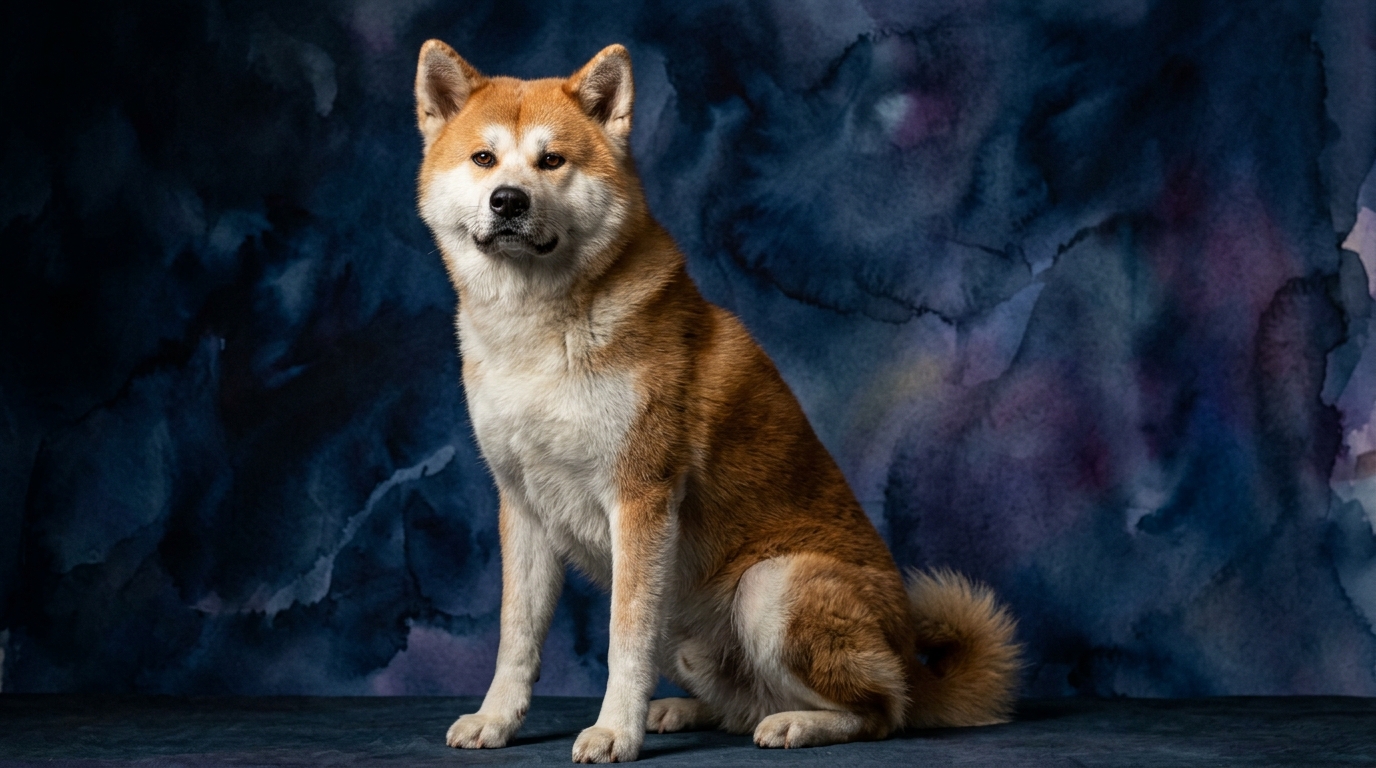
The Cosmic Pet Pet IQ Lab employs a five-dimensional framework to understand breed intelligence, moving beyond simple obedience to encompass a holistic view of canine mental faculties. For the Akita, a breed rooted in guarding and hunting, its cognitive makeup reflects a powerful independence and purpose. Its problem-solving capacity sits at a solid 3 out of 5, indicating an ability to navigate complex situations, often through self-directed thought rather than immediate human instruction. Training speed for an Akita is rated at 2 out of 5, suggesting a deliberate learning pace, where commands are absorbed and considered rather than instantly adopted. Social intelligence is also a 3 out of 5, meaning they can interpret human cues and social dynamics, though often from a more discerning, reserved perspective. Where the Akita truly stands out is its instinctive drive, scoring a maximum 5 out of 5, a testament to its profound natural inclinations for protection and territoriality. Memory is strong at 4 out of 5, allowing them to retain learned behaviors, routines, and experiences over extended periods, contributing to their consistent character. Its Coren rank of #54 places it within the average working intelligence category.
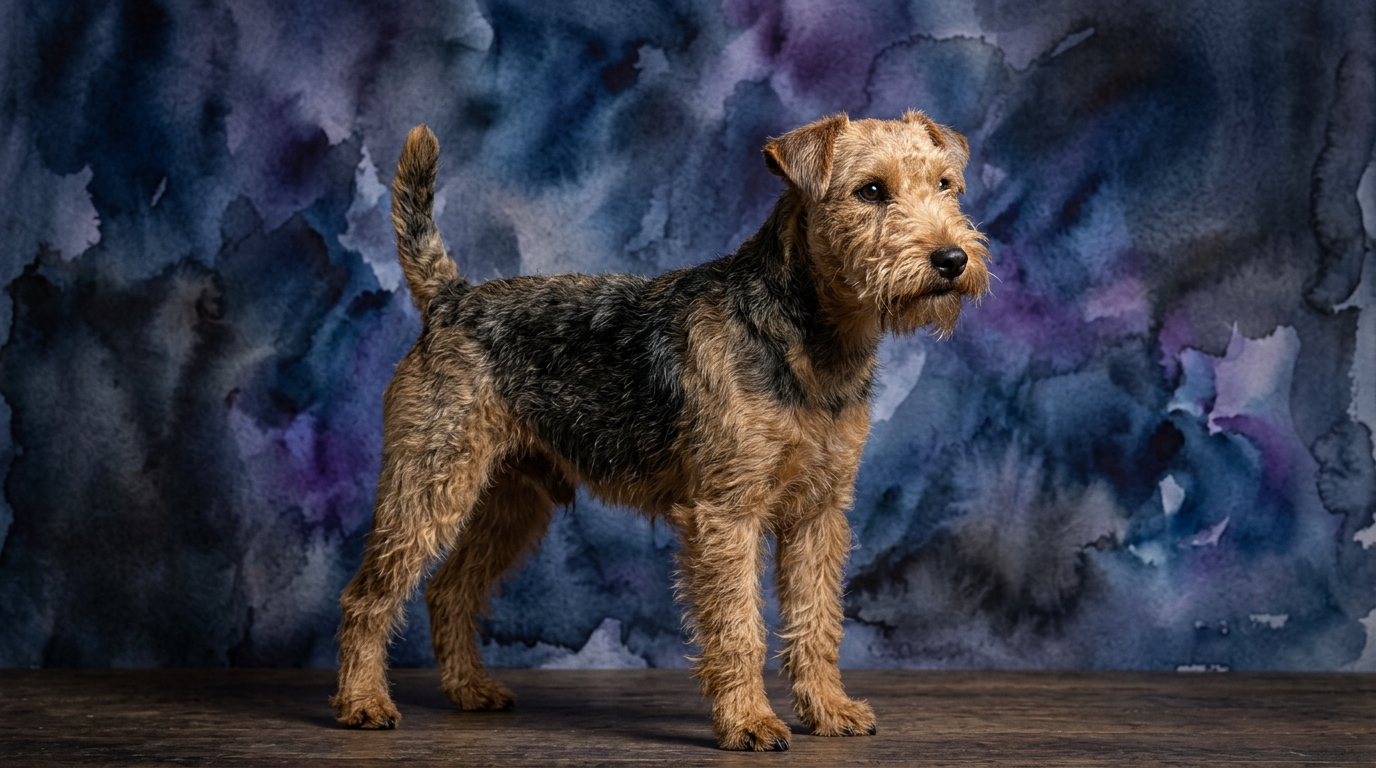
In contrast, the Lakeland Terrier, a tenacious member of the Terrier group, presents a different cognitive blueprint, honed for vermin control and spirited engagement. Its problem-solving ability matches the Akita at 3 out of 5, demonstrating competence in navigating obstacles and figuring out tasks, often with a characteristic terrier zest. The Lakeland Terrier edges out the Akita in training speed, rated at 3 out of 5, indicating a quicker grasp of new commands and a more immediate responsiveness during learning sessions. Social intelligence also scores 3 out of 5, reflecting an aptitude for understanding and interacting within social structures, typically with more outgoing enthusiasm than the Akita. The instinctive drive for a Lakeland Terrier is 3 out of 5, present but less overwhelmingly intense than the Akita’s, often manifesting as a strong prey drive rather than territorial guarding. Memory is rated at 3 out of 5, sufficient for retaining training and experiences, though perhaps not with the same depth or duration as the Akita. The Lakeland Terrier is not Coren-ranked, but its scores suggest a capable and adaptable mind within its own breed type.
Where the Akita Wins Cognitively
The Akita’s cognitive strengths are most apparent in its profound instinctive drive and superior memory. With an instinctive drive score of 5 out of 5, the Akita possesses an innate purposefulness that guides its actions, whether it's guarding its territory, protecting its family, or demonstrating a keen awareness of its surroundings. This isn't just a physical attribute; it's a deep-seated cognitive framework that prioritizes vigilance and loyalty, making them exceptional at recognizing threats or changes in their environment. This strong internal compass means Akitas often act with conviction based on their primal understanding of situations, a trait invaluable for their historical roles. Owners frequently report their Akitas making independent decisions that align with protective instincts, showcasing a sophisticated internal logic.
Furthermore, the Akita’s memory, rated at 4 out of 5, provides a significant cognitive advantage. They possess an impressive capacity to recall routines, past interactions, and even specific events, which contributes to their consistent temperament and reliability. An Akita remembers who belongs and who doesn't, which paths lead where, and what expectations are placed upon them. This robust memory underpins their ability to form deep, lasting bonds and to operate within complex household structures, remembering boundaries and previous training cues with precision. This cognitive retention means lessons, once truly ingrained, tend to stick, making them predictable and steadfast companions for those who understand their learning style.
Where the Lakeland Terrier Wins Cognitively
The Lakeland Terrier's primary cognitive edge lies in its superior training speed, scoring 3 out of 5 compared to the Akita's 2 out of 5. This quicker learning acquisition means Lakeland Terriers typically grasp new commands and concepts with greater alacrity, often showing a more immediate willingness to engage in training exercises. Their energetic and curious nature fuels this responsiveness, making them enthusiastic participants in learning sessions. While both breeds show competence in problem-solving, the Lakeland's slightly faster processing of new information means they can be more readily guided through novel tasks or behavioral modifications, often requiring fewer repetitions to solidify a command. This characteristic makes them a joy for owners who appreciate rapid progress in obedience and trick training.
Beyond just speed, the Lakeland Terrier’s cognitive profile, with its balanced scores across problem-solving, social intelligence, and memory, contributes to a versatile and adaptable mind. While their instinctive drive is moderate, it's often channelled into focused tasks like scent work or agility, where their intelligence truly shines. They exhibit a cleverness in figuring out how to get what they want, often using their problem-solving skills to overcome minor obstacles or manipulate situations to their advantage, all within a framework of quicker learning. This combination of swift learning and balanced cognitive functions allows them to adapt more fluidly to diverse environments and training methodologies, making them highly engaging and often entertaining companions.
Which is Easier to Train and Why
When considering ease of training, the Lakeland Terrier generally presents a more straightforward path for most owners due to its higher training speed score of 3 out of 5. Lakeland Terriers are typically eager to please and possess a lively curiosity that makes them receptive to learning new things. Their terrier tenacity, while sometimes challenging, often translates into a spirited engagement during training, where they quickly pick up on cues and associate actions with rewards. They respond well to positive reinforcement and consistent, varied training sessions that keep their sharp minds stimulated, often showing quick progress in basic obedience and more complex tasks.
The Akita, with a training speed of 2 out of 5, requires a different approach. Their independence and strong will mean they are not inherently driven by a desire to please, but rather by their own internal motivations and a deep understanding of purpose. Training an Akita demands patience, consistency, and a profound respect for their discerning nature. They learn effectively, particularly when the training makes sense to them or aligns with their protective instincts, but they may take longer to accept a command and will often decide if and when they wish to comply. Real behavioral differences include an Akita's tendency to question commands or perform them only when they see a valid reason, contrasting with a Lakeland's more immediate, enthusiastic compliance. Successful Akita training relies on building trust and demonstrating clear, consistent leadership rather than sheer repetition.
Which Suits Active Owners vs. Relaxed Owners
For owners with an active lifestyle, both breeds can be suitable, but they cater to different types of activity. The Lakeland Terrier, with its moderate instinctive drive and quicker training speed, thrives with owners who enjoy interactive engagement, consistent outdoor adventures, and mentally stimulating activities. Their energy levels demand regular exercise, such as long walks, vigorous play sessions, or participation in dog sports like agility or earthdog trials. Owners who appreciate a dog that learns quickly and eagerly participates in various activities will find the Lakeland Terrier a rewarding companion. They are not content to be solely couch potatoes and will actively seek engagement and mental challenges, making them ideal for owners who are proactive in providing structured stimulation.
The Akita, while possessing a powerful physique, can surprisingly adapt to owners who might be described as more 'deliberately active' rather than constantly on-the-go. Its high instinctive drive and strong memory mean it requires significant mental engagement and a clear sense of purpose, even if physical exercise is moderate. Akitas benefit from consistent routines, structured training, and opportunities to fulfill their guarding instincts, which can be achieved through perimeter walks or 'patrolling' a secure yard. They are not for truly 'relaxed' owners who prefer minimal interaction, as their independent nature and discerning social intelligence demand a strong, consistent leader and thoughtful management of their environment and social interactions. Owners must be prepared for the cognitive demands of managing a dog with such profound internal drives and a deep memory for experiences, both positive and negative.
The Verdict: When to Choose Each Breed
Choosing between an Akita and a Lakeland Terrier ultimately hinges on an owner’s lifestyle, experience, and what they seek in a canine companion. The Akita is an excellent choice for experienced owners who appreciate a dignified, loyal, and protective companion with a profound sense of purpose and a strong, independent spirit. They thrive in homes where their innate instincts are understood and managed through consistent, respectful leadership and where their deep memory and discerning social intelligence are valued.
Conversely, the Lakeland Terrier is ideal for active, engaged owners who desire a spirited, quick-witted partner for interactive training, consistent outdoor adventures, and a generally more responsive, enthusiastic demeanor. Their quicker training speed and balanced cognitive profile make them a versatile companion for those who enjoy a dog that readily participates in diverse activities and learns with zest.
The Verdict
Choose an Akita if you are an experienced owner seeking a loyal, protective companion with a strong independent streak, prepared for consistent, patient leadership and a deep bond.
Opt for a Lakeland Terrier if you are an active owner looking for an energetic, quick-to-learn companion eager for interactive training and consistent outdoor adventures.
🧠 Find Your Pet's IQ Score
Our Pet IQ Lab assessment covers 25+ tests across 5 cognitive dimensions — personalized to your breed.
Take the Full IQ Test →Frequently Asked Questions
Are Akitas stubborn during training?
Akitas are often perceived as stubborn due to their independence and discerning nature (training speed 2/5). They learn best when training makes sense to them and is delivered with consistent, respectful leadership, rather than through rote repetition.
Do Lakeland Terriers require a lot of mental stimulation?
Yes, Lakeland Terriers, with their problem-solving ability (3/5) and quicker training speed (3/5), thrive on mental stimulation. They benefit from activities like puzzle toys, obedience training, and dog sports to keep their minds engaged.
Which breed is better with children or other pets?
Both breeds require careful socialization to be good with children and other pets, with their social intelligence rated 3/5. Akitas (instinctive drive 5/5) can be protective and require supervision, while Lakeland Terriers (instinctive drive 3/5) may have a strong prey drive towards smaller animals, necessitating early introductions and training.