Side-by-Side IQ Profile
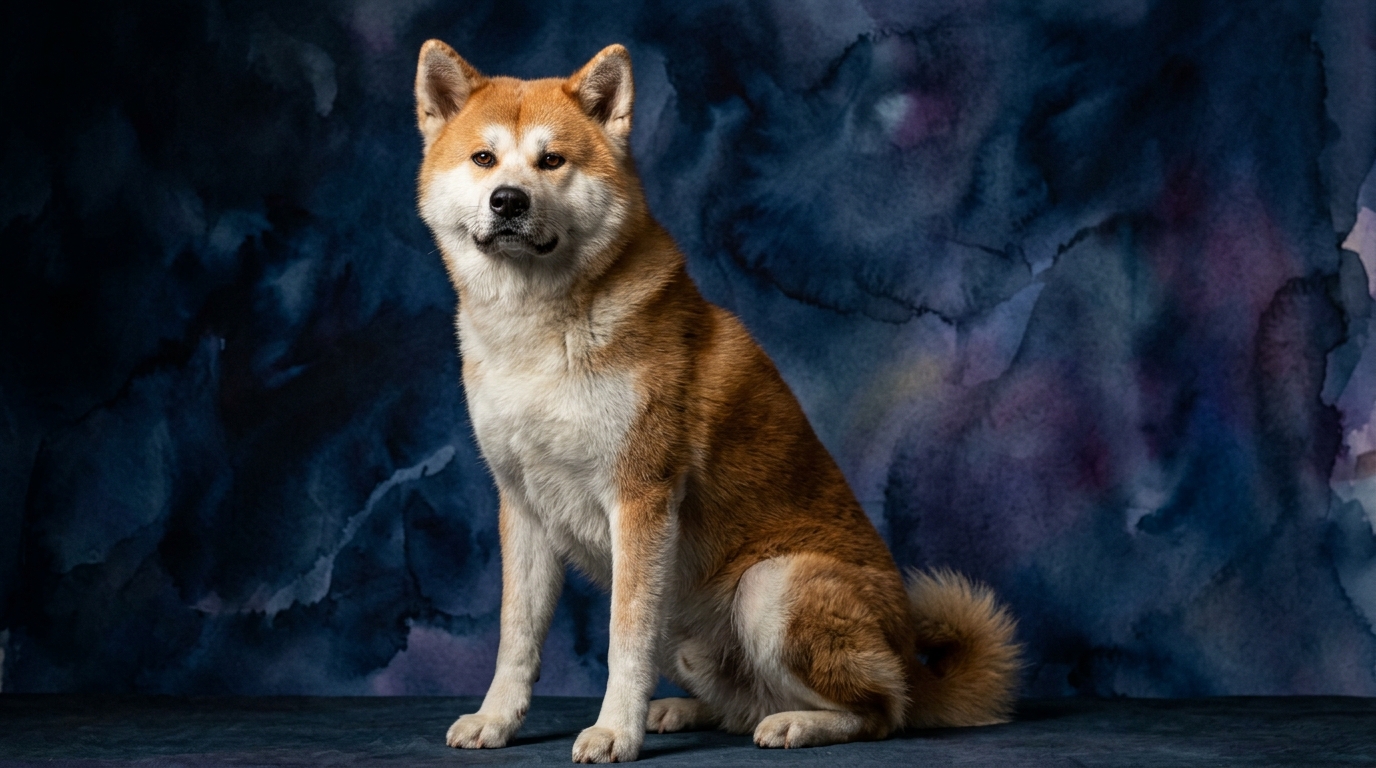
**Akita (Coren rank #54):** This powerful working breed exhibits a balanced Problem Solving score of 3/5, indicating an ability to navigate moderately complex situations and make independent decisions, a trait honed by its heritage. Its Training Speed is rated 2/5, suggesting a more deliberate learning process, often requiring patience. Social Intelligence stands at 3/5, implying an ability to form strong bonds, though often with a reserved demeanor. A standout characteristic is its Instinctive Drive at 5/5, a testament to its deeply ingrained protective and territorial instincts. Finally, its Memory score of 4/5 indicates a strong capacity to recall past experiences and learned behaviors over time.
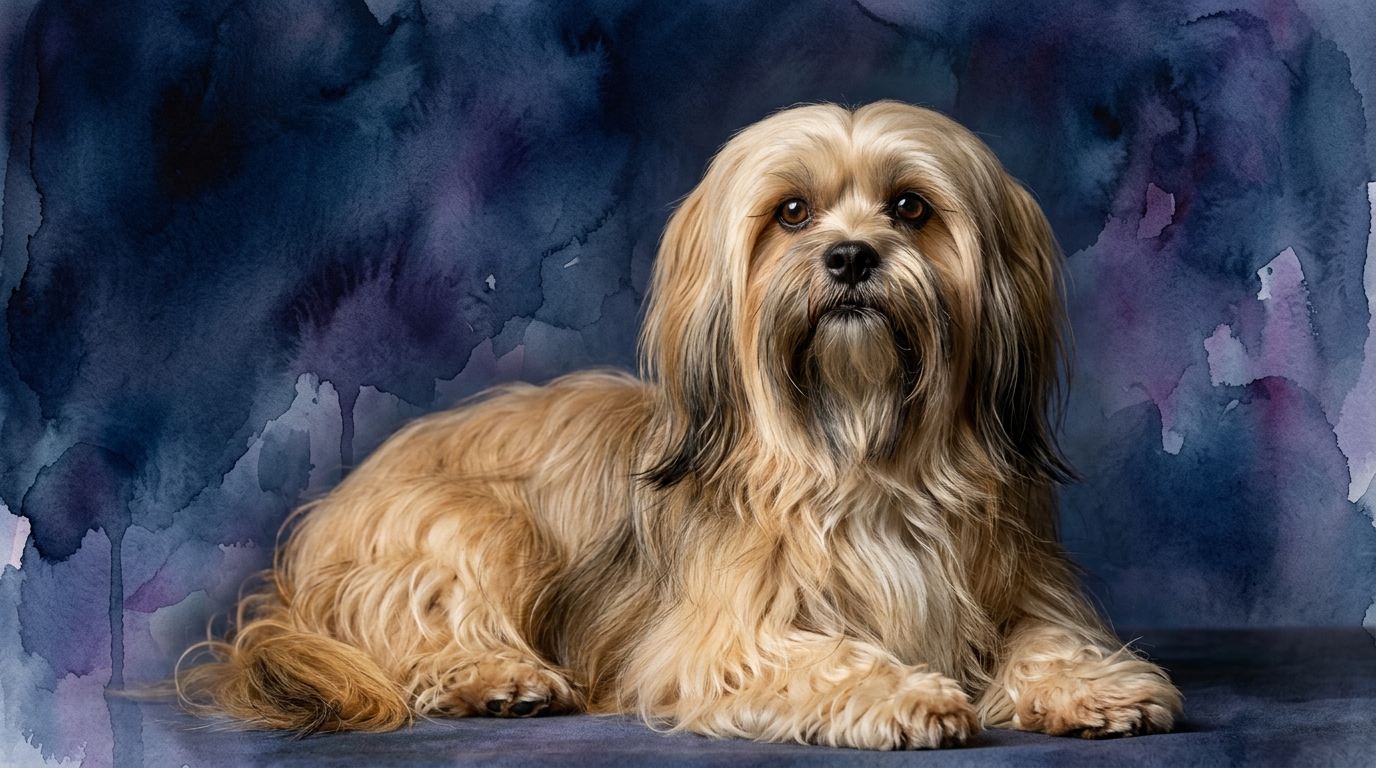
**Lhasa Apso (Coren rank #68):** Originating as a sentinel, the Lhasa Apso presents a Problem Solving score of 3/5, suggesting a comparable capacity for independent thought, often expressed through cleverness. Its Training Speed is 3/5, indicating a quicker grasp of commands and routines compared to the Akita, making initial learning potentially smoother. Social Intelligence also scores 3/5, reflecting its ability to connect with its family, often displaying a charming personality. The Lhasa Apso's Instinctive Drive is 3/5, a moderate rating pointing to its historical role as an alert system. Its Memory score of 3/5 suggests a solid, functional recall of experiences and training.
Where Akita Wins Cognitively
The Akita's cognitive profile showcases distinct advantages, particularly in areas tied to its working heritage. Its Instinctive Drive, rated a robust 5/5, far surpasses the Lhasa Apso's 3/5. This higher drive manifests as a profound motivation for purpose-driven tasks, whether guarding its family or engaging in activities that tap into its innate hunting instincts. This isn't merely physical, but a deep cognitive wiring that informs its decision-making, often leading to independent, self-assured actions. An Akita might instinctively assess a perceived threat and react with protective behaviors, a complex cognitive process driven by this powerful internal compass.
Furthermore, the Akita's Memory score of 4/5 edges out the Lhasa Apso's 3/5. This superior recall means an Akita can retain complex sequences, remember specific interactions, and learn from past experiences with tenacity. Owners might observe an Akita remembering a specific route taken months ago, or recalling the exact location of a hidden toy. This robust memory contributes to its ability to form strong, lasting associations and understand nuanced social dynamics within its family unit. Its capacity for long-term retention supports its role as a reliable guardian, recalling perceived dangers or routines with precision.
Where Lhasa Apso Wins Cognitively
The Lhasa Apso demonstrates a clear cognitive advantage in its Training Speed, scoring 3/5 compared to the Akita's 2/5. This difference is significant for owners, as it indicates a quicker uptake of new commands and routines. A Lhasa Apso often requires fewer repetitions to grasp a concept, making initial obedience training potentially more straightforward and less time-consuming. While both breeds possess independent streaks, the Lhasa Apso's slightly higher receptiveness to instruction means it might respond more readily to positive reinforcement techniques and varied training exercises, showing faster progression through learning stages.
While both breeds share a Problem Solving score of 3/5 and Social Intelligence of 3/5, the Lhasa Apso's application of these traits often manifests differently. Its problem-solving might lean towards finding clever ways to get what it wants, using its wit rather than brute force. For instance, a Lhasa Apso might figure out how to manipulate a gate latch or use vocalizations to communicate specific desires, demonstrating nuanced application of its cognitive abilities. Its moderate Instinctive Drive (3/5) also means it is less likely to be overwhelmed by intense internal pressures, allowing for more consistent focus during training sessions compared to the Akita's powerful, often distracting, drives.
Which is Easier to Train and Why
When evaluating ease of training, the Lhasa Apso generally presents a more manageable experience for the average owner, primarily due to its higher Training Speed score of 3/5 compared to the Akita's 2/5. The Lhasa Apso's quicker grasp of commands means foundational obedience can be established with fewer repetitions and potentially less frustration. While they possess an independent streak, their historical role means they are often more inclined to engage in cooperative tasks, provided the motivation is compelling. Their moderate Instinctive Drive (3/5) allows for a more focused learning environment, as they are less likely to be internally driven by powerful impulses that can override human instruction.
The Akita, with its lower Training Speed and formidable Instinctive Drive (5/5), presents a more significant training challenge. Its deeply ingrained independence means it often questions commands rather than immediately complying. Training an Akita requires immense patience, consistency, and a deep understanding of canine psychology. Owners must be prepared for a longer learning curve and the need for highly motivating, positive reinforcement strategies to overcome its natural inclination to make its own decisions. Its powerful instinctive drives can manifest as resistance to human-imposed rules, making early socialization and consistent boundary setting paramount to shape its behavior positively.
Which Suits Active Owners vs Relaxed Owners
For owners who thrive on activity and purpose-driven engagement, the Akita aligns well. Its impressive Instinctive Drive (5/5) means it requires significant mental and physical stimulation that goes beyond simple walks. These dogs excel with owners who can provide consistent training, engage in dog sports, or offer a defined role within the family. An active Akita owner isn't just physically active but also cognitively engaged, willing to provide structure, challenge its problem-solving abilities (3/5), and channel its powerful drives constructively. A relaxed owner might find an Akita's needs overwhelming, potentially leading to behavioral issues from under-stimulation.
The Lhasa Apso, with its moderate Instinctive Drive (3/5) and historical role as a companion sentinel, is often better suited for more relaxed owners, though it still appreciates regular engagement. While it enjoys walks and playtime, its needs are less demanding. A Lhasa Apso thrives in a home where it can be an integral part of daily life, offering alert barking and affectionate companionship. Its problem-solving skills (3/5) can be satisfied with puzzle toys or short, engaging training sessions. Relaxed owners will appreciate its adaptability and relatively lower physical demands, while still being prepared for its independent nature and the need for consistent, positive reinforcement.
The Verdict
Choose an Akita if you are an experienced, dedicated owner prepared for a long-term commitment to consistent training, mental stimulation, and channeling a powerful, independent spirit. They thrive with active owners who appreciate their intense loyalty and protective instincts.
Opt for a Lhasa Apso if you seek a vigilant, charming companion adaptable to a more relaxed lifestyle, valuing a dog that learns quickly and requires moderate exercise. They suit owners who appreciate a clever, independent personality in a smaller package.
🧠 Find Your Pet's IQ Score
Our Pet IQ Lab assessment covers 25+ tests across 5 cognitive dimensions — personalized to your breed.
Take the Full IQ Test →Frequently Asked Questions
Does the Akita's higher memory score make it easier to train?
Not necessarily. While an Akita's 4/5 memory means it retains information well, its 2/5 training speed and 5/5 instinctive drive often mean it remembers *what* it's been taught but may choose whether to comply based on its independent nature. Consistency is key.
Are Lhasa Apsos generally more affectionate than Akitas due to their companion history?
Both breeds score 3/5 in social intelligence, but their expression of affection differs. Lhasa Apsos tend to be more outwardly demonstrative with their chosen family, while Akitas often display loyalty and affection through a more reserved, protective presence.
Which breed is better for first-time dog owners?
Given the Akita's powerful instinctive drives and lower training speed, it is generally not recommended for first-time owners. The Lhasa Apso, with its higher training speed and moderate drives, can be a better fit for a committed first-time owner prepared for its independent spirit.