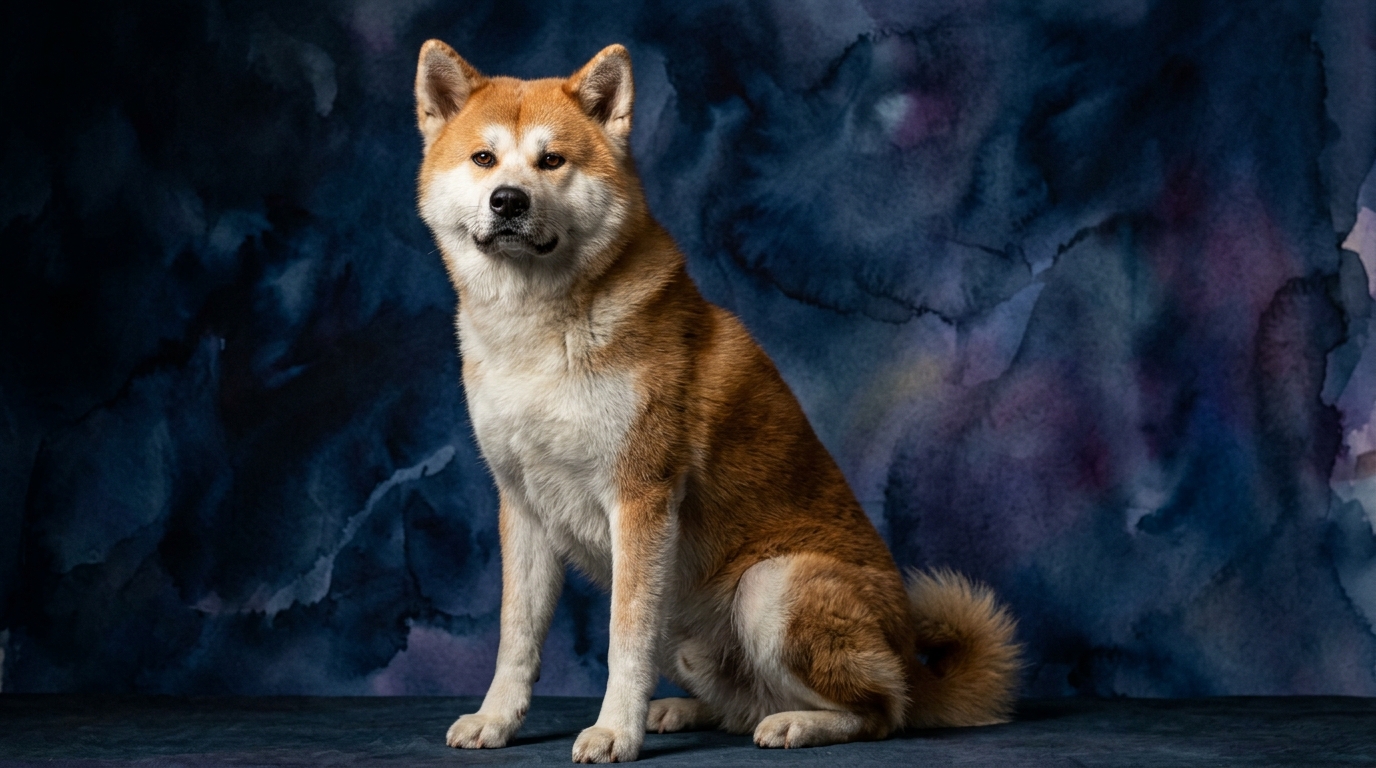
Side-by-Side IQ Profile: Akita
The Akita, a powerful breed, demonstrates a specific cognitive profile. Their Problem Solving rates 3/5; they are capable of complex thought, often applying their intellect to tasks that align with their own motivations or perceived utility, rather than simply following commands. Training Speed is 2/5, reflecting their independent nature; they require significant patience, consistent repetition, and compelling positive reinforcement to integrate new behaviors. Social Intelligence scores 3/5, meaning they understand human cues and pack dynamics within their trusted family unit, but can be reserved, even aloof, with strangers and other animals, showing discernment rather than broad sociability. Their Instinctive Drive is a commanding 5/5, rooted in deep protective and territorial instincts, along with a strong prey drive that reflects their ancestral roles. Finally, Memory stands at 4/5, indicating an impressive long-term retention of experiences, commands, and the individuals they encounter, which profoundly shapes their learning and trust.
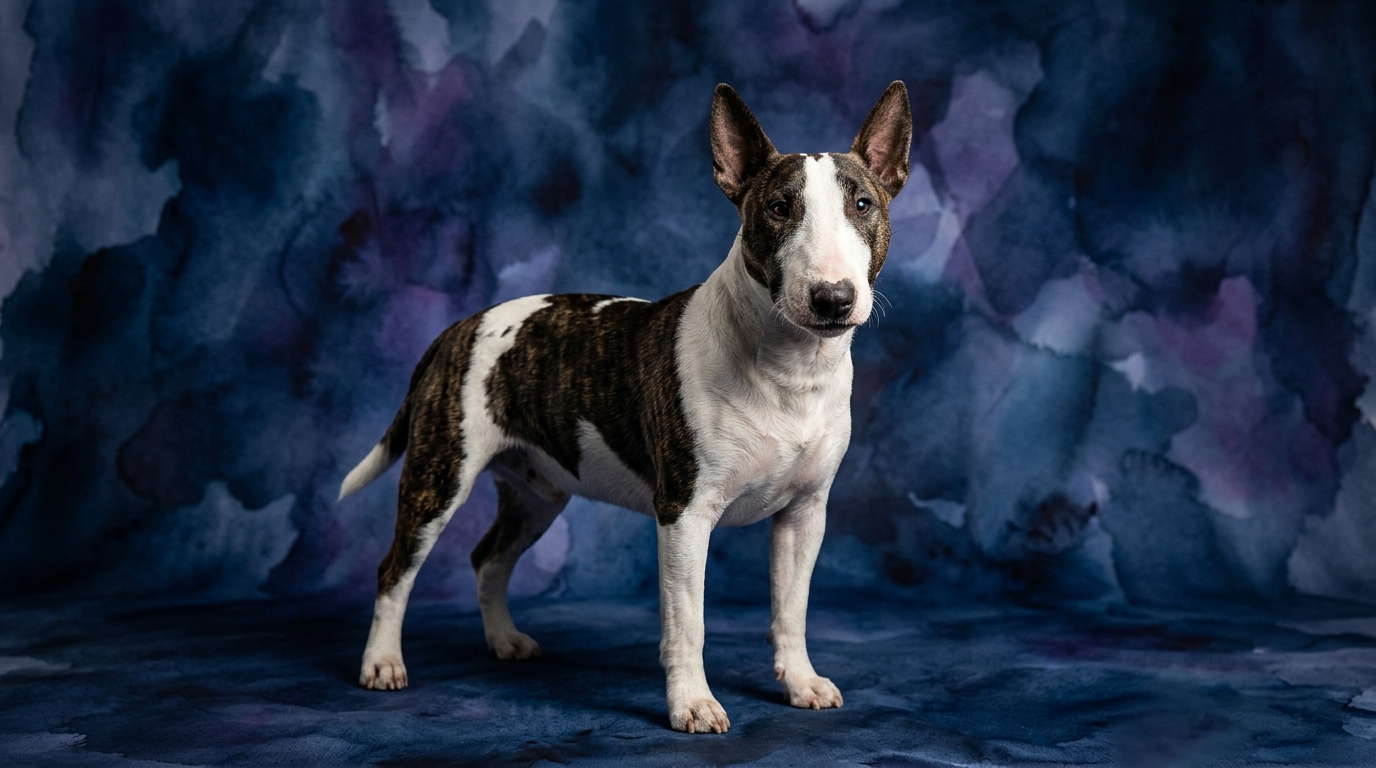
Side-by-Side IQ Profile: Miniature Bull Terrier
The Miniature Bull Terrier presents a different, yet equally engaging, cognitive landscape. Their Problem Solving is 3/5; these dogs are resourceful and often creative in figuring out how to achieve their desires, though their focus can sometimes be diverted by novel stimuli. Training Speed is 3/5, suggesting a moderate pace of learning; they can grasp concepts relatively quickly, but their playful and sometimes stubborn streak necessitates engaging, varied training methods to maintain interest. Social Intelligence also rates 3/5; they generally enjoy interaction and understand social cues, though their boisterous nature can sometimes lead to misinterpretations in new or subtle social contexts. Their Instinctive Drive is 3/5, reflecting a typical terrier tenacity and prey drive, which is present but often more manageable and playful compared to more intensely driven breeds. Memory is 3/5, indicating they retain commands and routines reasonably well, though they might benefit from occasional refreshers, especially if reinforcement isn't consistently applied.
Where the Akita Wins Cognitively
When comparing the cognitive strengths, the Akita's superior Memory (4/5 versus the Miniature Bull Terrier's 3/5) stands out. This translates to an enduring recall of complex sequences, past experiences, and the trustworthiness of individuals, making them exceptionally reliable in established routines and deeply discerning in their relationships. Their formidable Instinctive Drive, rated 5/5 compared to the Miniature Bull Terrier's 3/5, while presenting training challenges, signifies an unparalleled dedication to protective roles. This high drive means an Akita possesses an innate, profound understanding of territory and threat assessment, making them vigilant and unwavering guardians, a cognitive strength rooted in their ancestral purpose. Furthermore, while both breeds score 3/5 in Problem Solving, the Akita's application of this skill often manifests as a self-directed, independent intellect, focused on achieving their own goals or safeguarding their family with a determined, singular purpose.
Where the Miniature Bull Terrier Wins Cognitively
The Miniature Bull Terrier shines in areas where adaptability and playful engagement are key. Their Training Speed, rated 3/5 compared to the Akita's 2/5, means they generally pick up new commands and concepts with fewer repetitions, especially when training is kept light, fun, and varied. This quicker learning curve makes early training milestones more achievable and less demanding for the owner. While both share a 3/5 Social Intelligence score, the Miniature Bull Terrier's manifests as a generally more outgoing and adaptable nature, making them more amenable to varied social situations and interactions once properly socialized, often seeking engagement rather than maintaining a reserved distance. Their Instinctive Drive, at 3/5 versus the Akita's 5/5, is a distinct advantage in a domestic setting; a lower intensity of prey drive and territoriality means they are often easier to integrate into multi-pet households or urban environments without requiring constant vigilance against deeply ingrained, powerful instincts. Their Problem Solving, also 3/5, often involves creative, sometimes mischievous, ways to engage in play or secure attention, showcasing a more whimsical yet effective cognitive approach to navigating their world.
Which is Easier to Train and Why
Assessing ease of training between these two breeds highlights their fundamental behavioral differences. The Miniature Bull Terrier generally presents as the easier candidate for training due to their higher Training Speed (3/5) and a more playful, somewhat attention-seeking nature. They often view training as an engaging game, and their motivation frequently stems from the desire to interact and participate with their human. Their less intense instinctive drives mean there are fewer deeply ingrained, powerful behaviors that need to be redirected or countered, making them more receptive to consistent positive reinforcement across a wider range of activities. In contrast, the Akita, with a Training Speed of 2/5 and a strong independent streak, requires an owner with immense patience and an understanding of canine psychology. Akitas don't typically perform simply to please; they perform a task if it makes logical sense to them or if they perceive a clear benefit. Their exceptionally strong instinctive drives, particularly for guarding and prey, mean that training often involves shaping or redirecting deeply rooted behaviors rather than simply teaching new ones. Success with an Akita hinges on establishing clear, consistent leadership and making training highly rewarding and relevant to their independent motivations, which can be a more challenging and time-consuming endeavor.
Suitability for Active vs. Relaxed Owners
When considering suitability for active versus relaxed owners, it's crucial to define 'active' beyond just physical exertion. Neither the Akita nor the Miniature Bull Terrier is truly suited for a genuinely 'relaxed' owner who prefers minimal engagement. An Akita suits owners who are 'active' in providing consistent, firm, and patient leadership, structured routines, and extensive mental stimulation alongside regular physical activity. They thrive with owners who understand the commitment required to manage a dog with powerful instincts and a profound memory, who are prepared for long, purposeful walks and consistent training sessions that reinforce their position as the leader. These are not dogs for casual ownership; they demand an owner who is actively engaged in their psychological and behavioral development. The Miniature Bull Terrier, while also requiring an engaged owner, suits those who are 'active' in a different way: they thrive on playful interaction, varied activities, and structured socialization. They enjoy being involved in family life and can adapt to different activity levels as long as they receive their daily dose of fun, mental challenges, and consistent guidance. They are less intense in their guarding instincts than an Akita, but still require dedication to training and socialization to channel their tenacity and exuberance positively. For a truly relaxed owner seeking a low-maintenance companion, neither breed would be an appropriate choice.
The Verdict
Choose the Akita if you are seeking a supremely loyal, vigilant guardian with a profound memory and independent spirit, prepared for extensive, patient training and consistent management of strong instincts.
Opt for the Miniature Bull Terrier if you desire a playful, tenacious, and moderately trainable companion who thrives on varied engagement and can adapt to a range of family dynamics with consistent, positive guidance.
🧠 Find Your Pet's IQ Score
Our Pet IQ Lab assessment covers 25+ tests across 5 cognitive dimensions — personalized to your breed.
Take the Full IQ Test →Frequently Asked Questions
Are Akitas generally good with other pets in the home?
Akitas possess a strong prey drive and can be dog-aggressive, especially with same-sex dogs. While some can coexist peacefully with other pets if raised with them from puppyhood and consistently socialized, it requires immense vigilance and is not a guarantee.
What is the biggest training challenge for a Miniature Bull Terrier?
The biggest training challenge for a Miniature Bull Terrier often lies in their stubbornness and tendency to get easily bored if training isn't engaging. Their playful nature means they might choose fun over compliance, requiring creative, varied, and consistent positive reinforcement.
Do Miniature Bull Terriers need a lot of physical exercise?
Miniature Bull Terriers are energetic and do require a moderate amount of physical exercise, typically 30-60 minutes daily, combined with mental stimulation. Without sufficient outlets, they can become bored and destructive.