Side-by-Side Cognitive Profile: Akita vs. Pekingese
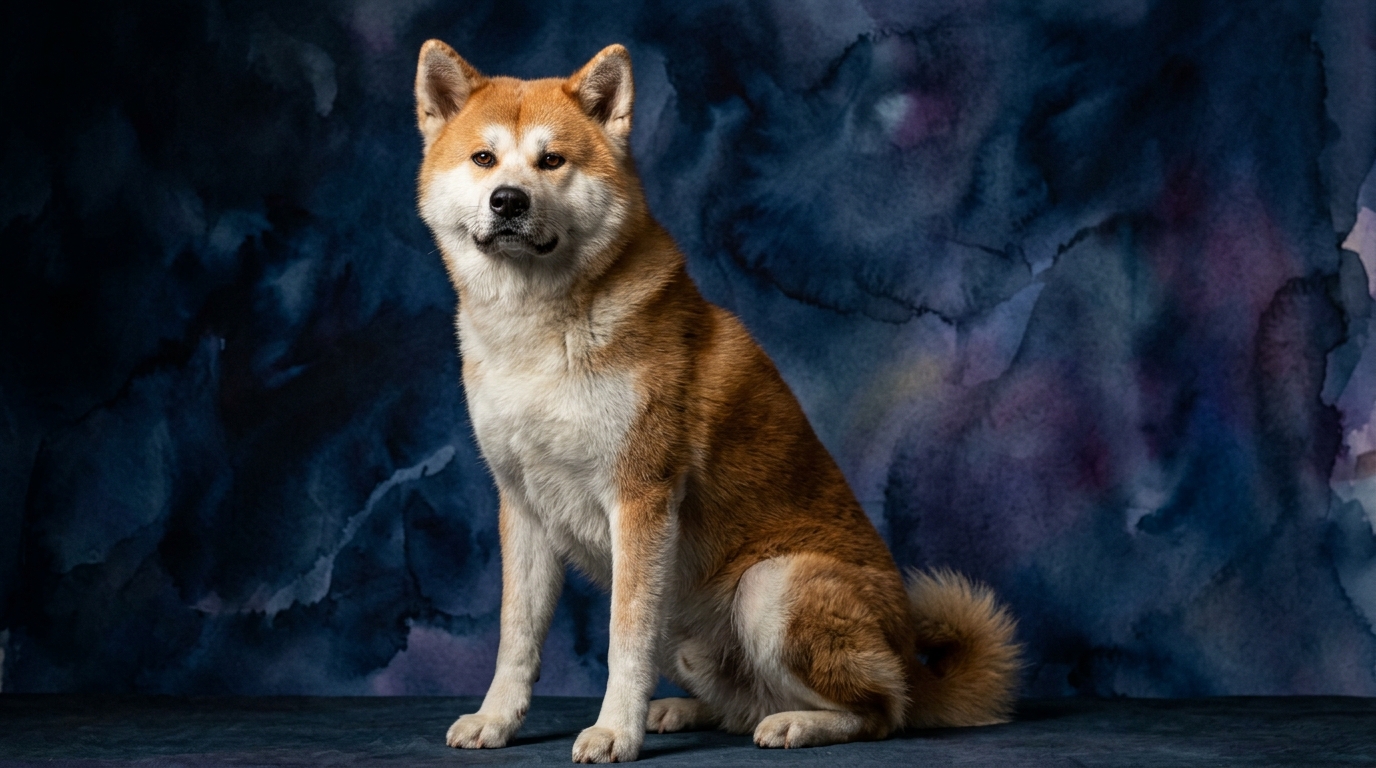
The Cosmic Pet Pet IQ Lab employs a five-dimensional framework to assess canine intelligence, offering a granular view beyond general rankings. The Akita, a robust working dog with a Coren ranking of #54, presents a cognitive profile characterized by significant drive and memory. Its problem-solving capacity scores a 3 out of 5, indicating a moderate ability to navigate novel challenges. Training speed for the Akita is rated 2 out of 5, suggesting a need for consistent, patient instruction. Social intelligence stands at 3 out of 5, reflecting a balanced capacity for interaction without excessive dependency. Critically, its instinctive drive is a robust 5 out of 5, a testament to its heritage in guarding and hunting, while memory scores a strong 4 out of 5, enabling it to retain complex information and routines over time.
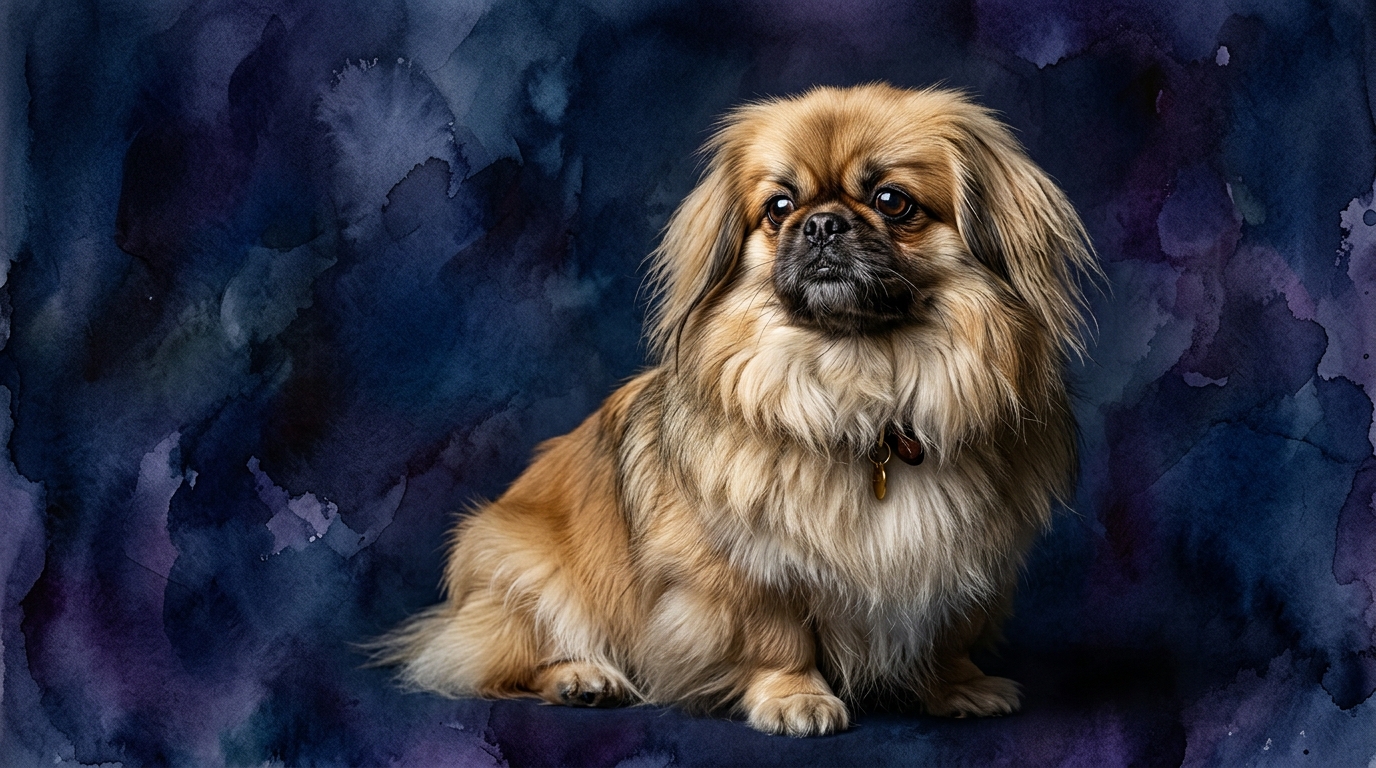
In contrast, the Pekingese, a charming toy breed with a Coren ranking of #77, offers a more evenly distributed cognitive landscape. Its problem-solving ability also registers 3 out of 5, demonstrating an equal capacity to figure things out, albeit on a smaller scale. The Pekingese surprisingly edges out the Akita in training speed, scoring 3 out of 5, suggesting a slightly quicker uptake of new commands in appropriate contexts. Social intelligence mirrors the Akita at 3 out of 5, indicating a similar level of adaptability in social settings. Its instinctive drive is a moderate 3 out of 5, reflecting a less intense urge for traditional working tasks compared to its larger counterpart. Finally, memory for the Pekingese is rated 3 out of 5, indicating a solid ability to recall learned behaviors and experiences.
Where the Akita Excels Cognitively
The Akita’s cognitive strengths are deeply rooted in its heritage as a powerful working and guardian dog. Its standout score in instinctive drive, a perfect 5 out of 5, means this breed possesses an innate, unwavering purposefulness. This manifests as a profound motivation for guarding, protecting its family, and surveying its territory, often with remarkable self-reliance. This drive isn't just about physical activity; it translates into a mental tenacity, a sustained focus on a perceived task, whether it's monitoring the home or navigating a complex scent trail.
Furthermore, the Akita's memory, scoring 4 out of 5, is a significant cognitive asset. This superior recall allows them to remember commands, routines, and even specific situations over long periods. Owners often observe their Akitas remembering past training sessions or particular social interactions, which contributes to their consistent behavior and reliability in established environments. This strong memory, coupled with their instinctive drive, makes them exceptionally capable of learning intricate, multi-step tasks that require both retention and purpose-driven execution, such as advanced protection work or complex scent detection.
Where the Pekingese Excels Cognitively
While the Akita shines in areas of drive and memory, the Pekingese demonstrates a subtle but distinct cognitive advantage in training speed, scoring 3 out of 5 compared to the Akita's 2 out of 5. This quicker uptake suggests that, given the right motivation and approach, a Pekingese may grasp new commands and routines with slightly less repetition. Their smaller size and historical role as companion animals might contribute to a greater immediate responsiveness to human cues, especially when training is framed as an engaging interaction rather than a task.
The Pekingese's moderate instinctive drive (3 out of 5) also contributes to a unique cognitive strength in a domestic setting. Unlike the Akita's intense working impulses, the Pekingese typically has less overriding natural urges to guard or hunt, which can sometimes simplify training by reducing the need to redirect powerful innate behaviors. This allows for a more direct focus on companion-oriented training, making them potentially more amenable to learning polite household manners and tricks without the added layer of managing strong, independent working instincts.
Training Dynamics: Akita vs. Pekingese
When considering ease of training, the Pekingese generally presents a slightly more straightforward path for many owners, primarily due to its higher training speed score of 3/5 compared to the Akita's 2/5. The Pekingese's quicker grasp of commands, coupled with its moderate instinctive drive, often means less resistance to learning and a greater inclination to engage in structured training sessions focused on companionship. Real behavioral differences include the Pekingese's tendency to be less independent-minded in training contexts, often seeking to please its primary caregivers, which can make positive reinforcement highly effective.
The Akita, despite its impressive memory, requires a more experienced and patient trainer. Its formidable instinctive drive (5/5) means that traditional obedience might be secondary to its inherent guarding or territorial instincts. Training an Akita often involves channeling these powerful natural behaviors rather than suppressing them, demanding consistent, firm, but fair leadership. Their lower training speed score means more repetitions are needed, and their independent nature means they may question commands or decide if a task is worth their effort, a behavioral trait that requires a deep understanding of the breed's psychology to navigate successfully. While both breeds score similarly in problem-solving and social intelligence, the Akita's strong will and drive are significant factors in its training approach.
Owner Suitability: Active vs. Relaxed Lifestyles
The Akita's cognitive profile, particularly its supreme instinctive drive (5/5) and strong memory (4/5), makes it an ideal companion for active owners who can provide consistent mental and physical engagement. Owners who enjoy structured activities like advanced obedience, protection sports, or extensive daily walks and training sessions will find the Akita thrives when its inherent purposefulness is channeled. This breed needs an owner willing to invest significant time in training and socialization from an early age to manage its strong will and ensure it develops into a well-adjusted adult, making it unsuitable for a purely sedentary lifestyle.
Conversely, the Pekingese, with its moderate instinctive drive (3/5) and slightly higher training speed, is better suited for more relaxed owners. While they still require mental stimulation and daily exercise, their needs are less intense than the Akita's. A Pekingese will typically be content with shorter, leisurely strolls, indoor play, and cuddling sessions. Their capacity for quicker training makes them adaptable to various household routines, making them an excellent choice for individuals or families who appreciate a devoted companion without the demands of a high-energy working breed, though their independent spirit means they still enjoy engaging activities.
The Verdict
Choose an Akita if you are an experienced, active owner prepared to dedicate substantial time to consistent training, socialization, and channeling a powerful, independent drive.
Opt for a Pekingese if you seek a devoted, charming companion with more moderate exercise needs and a slightly quicker response to training, fitting a more relaxed home environment.
🧠 Find Your Pet's IQ Score
Our Pet IQ Lab assessment covers 25+ tests across 5 cognitive dimensions — personalized to your breed.
Take the Full IQ Test →Frequently Asked Questions
Are Akitas difficult to train due to their intelligence?
Akitas possess strong cognitive abilities, particularly in memory and instinctive drive, but their training speed is rated lower (2/5). This means they aren't 'difficult' because of a lack of intelligence, but rather because of their independent nature and powerful natural instincts which require consistent, patient, and experienced handling to channel effectively.
Does a Pekingese's lower Coren rank mean it's less intelligent than an Akita?
Not necessarily. The Coren rank reflects a dog's general working and obedience intelligence. While the Akita ranks higher, the Pekingese matches its problem-solving and social intelligence scores, and even surpasses it in training speed. This illustrates that 'intelligence' is multi-faceted, and a lower Coren rank doesn't mean a dog lacks cognitive strengths in other areas.
Which breed is better for a first-time dog owner?
Given the Akita's strong instinctive drive (5/5) and lower training speed (2/5), it generally requires an experienced owner adept at managing a powerful and independent breed. A Pekingese, with its moderate drive and slightly higher training speed, tends to be a more manageable option for first-time dog owners, provided they are prepared for consistent training and socialization.