
Side-by-Side Cognitive Profiles
To understand the unique mental landscapes of the Akita and the Pointer, we turn to The Cosmic Pet Pet IQ Lab's detailed dimensions, which assess cognitive function beyond mere obedience. These profiles offer a granular view into how each breed perceives, processes, and interacts with their world.
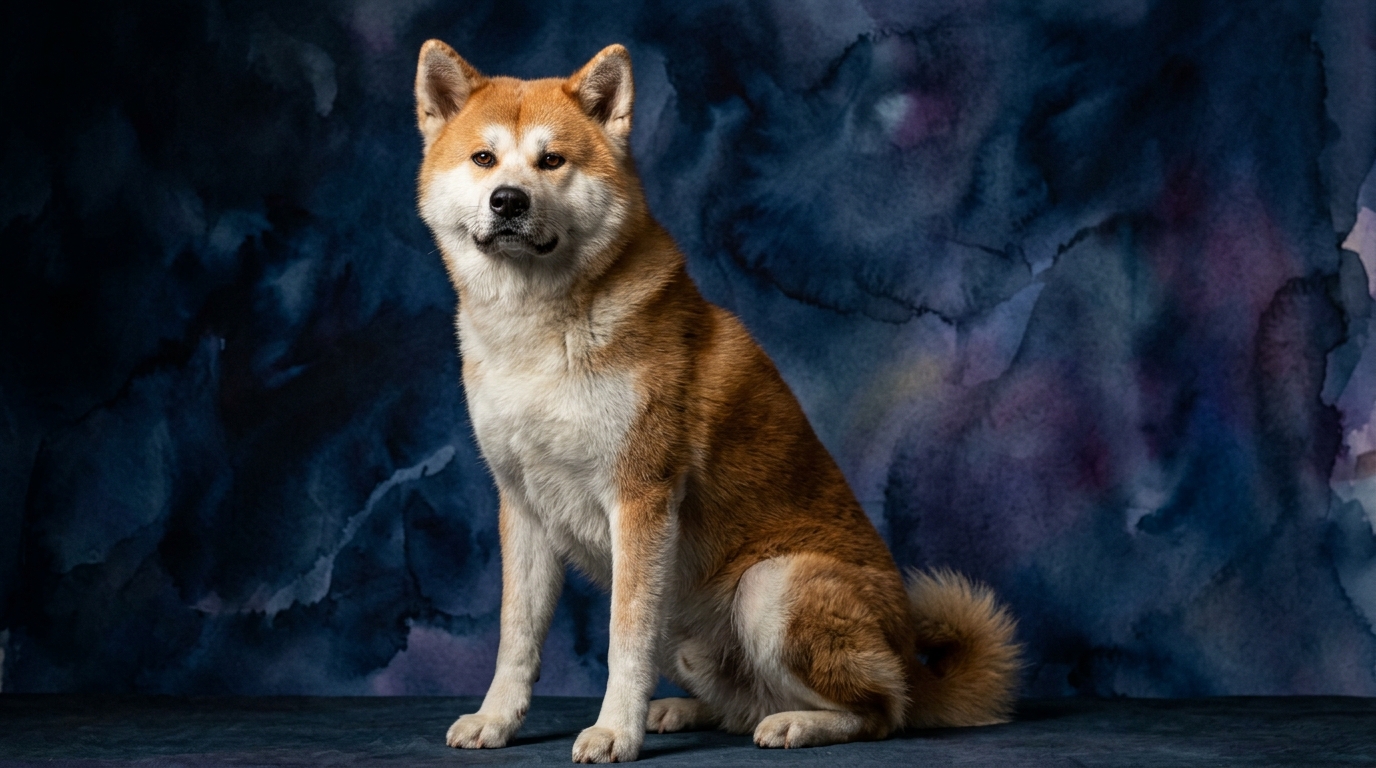
For the Akita, a breed with a Coren rank of #54, its cognitive breakdown reveals specific strengths and areas requiring a tailored approach. Its Problem Solving is rated 3/5, indicating an ability to figure out complex tasks, often employing independent thought rather than immediate human guidance. Training Speed stands at 2/5, suggesting they learn at a deliberate pace, requiring patience and consistent methods to solidify commands. Social Intelligence is 3/5, meaning they understand human cues and social hierarchies within their trusted circle, though often reserved with strangers. Its Instinctive Drive is a powerful 5/5, reflecting a profound, innate inclination particularly for guarding and hunting, which significantly influences their behavior. Finally, Memory is 4/5, indicating they retain learned behaviors and experiences over long periods, remembering both positive and negative interactions.
The Pointer, a Sporting breed not specifically Coren-ranked, offers a different cognitive blueprint. Its Problem Solving is 3/5, demonstrating an aptitude for navigating environments to achieve goals, particularly those related to their sporting instincts, often using trial and error. Training Speed is 3/5, meaning they learn at a moderate pace, generally receptive to new commands when motivated, especially by praise or rewards. Social Intelligence is 3/5, indicating they engage well with their family and demonstrate awareness of social dynamics, often seeking interaction. Instinctive Drive is 3/5, exhibiting a moderate drive primarily focused on scenting and pointing game, which is manageable but present. Memory is 3/5, possessing a solid recall for commands and routines, retaining information adequately for daily life and training.
Where the Akita Wins Cognitively
The Akita's superior instinctive drive, rated 5/5, translates into an unwavering dedication to its perceived role, whether guarding its territory or protecting its family. This deep-seated drive manifests as profound loyalty and an almost intuitive understanding of potential threats, a cognitive strength rooted in their ancestral purpose. This isn't merely a physical impulse; it's a constant cognitive process of assessment and response, shaping their decision-making in protective scenarios.
Furthermore, the Akita's advanced memory, scoring 4/5, means they will not easily forget lessons, whether positive reinforcement for a desired behavior or a past negative experience. This robust recall contributes to their consistency in established routines and their ability to build complex, nuanced relationships over time. Their memory allows them to form lasting impressions of people and situations, influencing their future responses and interactions significantly.
Where the Pointer Wins Cognitively
The Pointer's cognitive edge often appears in its moderate training speed, rated 3/5, making it generally more amenable to learning new commands and adapting to varied training scenarios. This receptiveness allows for quicker progress in obedience and skill acquisition, particularly when engaging their natural desires for activity and cooperation. Their cognitive flexibility allows them to process and integrate new information efficiently, making training sessions productive.
While its instinctive drive is rated lower than the Akita's at 3/5, this is a cognitive advantage for many owners. The Pointer's drive for scenting and pointing is typically more focused and less broadly assertive than the Akita's guarding instincts. This channeled energy is easier to direct into constructive activities and training exercises without overwhelming other cognitive functions or causing conflicts with domestic life. Their problem-solving at 3/5 is often applied to navigating complex scent trails, a specialized form of cognition that reflects their breed purpose.
Trainability: Akita vs. Pointer
The Pointer generally presents an easier training experience compared to the Akita, a difference largely attributable to their respective training speeds and instinctive drives. The Pointer's training speed of 3/5 indicates a dog that is moderately receptive to learning, often eager to please, and responsive to positive reinforcement, making the process smoother and more rewarding for both dog and owner. Their instinctive drive of 3/5, primarily focused on scenting and pointing, is a channeled energy that can be readily integrated into training exercises, providing a clear and consistent motivation.
In contrast, the Akita's training speed of 2/5 suggests a more deliberate learner who often requires greater consistency, patience, and a nuanced understanding of their independent nature. Their powerful instinctive drive of 5/5, often manifesting as strong guarding tendencies and a pronounced will, can sometimes conflict with training objectives, requiring a firm yet fair approach that acknowledges their self-assured temperament. This independence isn't stubbornness but a cognitive preference for evaluating instructions.
Behavioral differences emerge distinctly: Pointers often exhibit a cheerful willingness to engage in structured activities, readily following cues and adapting to handler expectations. Akitas, while loyal, approach training with a more discerning eye, often evaluating the necessity of a command and preferring to engage on their own terms. This cognitive independence means an Akita learns best when they perceive a command as logical or beneficial, rather than simply obeying for the sake of it, demanding a trainer who can inspire cooperation rather than enforce compliance through sheer repetition.
Best Fit: Active vs. Relaxed Lifestyles
For active owners seeking a canine partner for extensive outdoor pursuits, the Pointer often makes an excellent match. Their moderate instinctive drive (3/5) for scenting and their moderate training speed (3/5) make them superb companions for activities like hiking, field trials, or even long runs, where their stamina and focus can be channeled productively. Pointers thrive with owners who can provide consistent mental and physical challenges, engaging their natural predispositions for exploration and work with enthusiasm.
Neither breed is suitable for a truly "relaxed" owner who prefers minimal engagement, as both require significant attention and structure. However, for an owner who appreciates a dog with a strong, independent presence and is prepared for dedicated, consistent training and socialization, the Akita might fit a lifestyle that values quality interaction over constant high-energy demands. Once mature and well-exercised, an Akita's social intelligence (3/5) and reserved nature mean they can be content with a stable routine and less frantic daily activity than a Pointer, provided their mental needs are met through structured interaction and clear boundaries. They are not for individuals seeking an effortlessly compliant companion, but rather for those who respect and can manage a dog with a profound sense of self.
The Verdict
Choose an Akita if you are an owner seeking a dog with profound loyalty, a strong protective instinct, and a reserved demeanor, who is prepared for dedicated, consistent training and appreciates an independent thinker.
Choose a Pointer if you are an active individual or family who can provide ample physical exercise and mental stimulation, particularly enjoying outdoor activities and a dog that is generally more receptive to training.
🧠 Find Your Pet's IQ Score
Our Pet IQ Lab assessment covers 25+ tests across 5 cognitive dimensions — personalized to your breed.
Take the Full IQ Test →Frequently Asked Questions
Is an Akita hard to train?
An Akita's training speed is rated 2/5, meaning they learn at a deliberate pace and require consistent, patient methods. Their strong independent nature and powerful instinctive drive (5/5) mean they often evaluate commands, requiring a trainer who can inspire cooperation rather than simply enforce compliance.
What kind of mental stimulation does a Pointer need?
Pointers, with a problem-solving score of 3/5 and an instinctive drive of 3/5 for scent work, thrive on activities that engage their noses and minds. Scent games, puzzle toys, and consistent training in obedience or field work are excellent for their cognitive well-being, channeling their natural aptitudes.
How do their social intelligence scores impact family life?
Both breeds score 3/5 in social intelligence, indicating they understand social cues within their trusted circles. An Akita is often reserved with strangers but deeply loyal and protective of its family, whereas a Pointer is generally more outwardly amiable with its family and can adapt well to various social situations once comfortable.