Unpacking Their Minds: A Side-by-Side IQ Profile
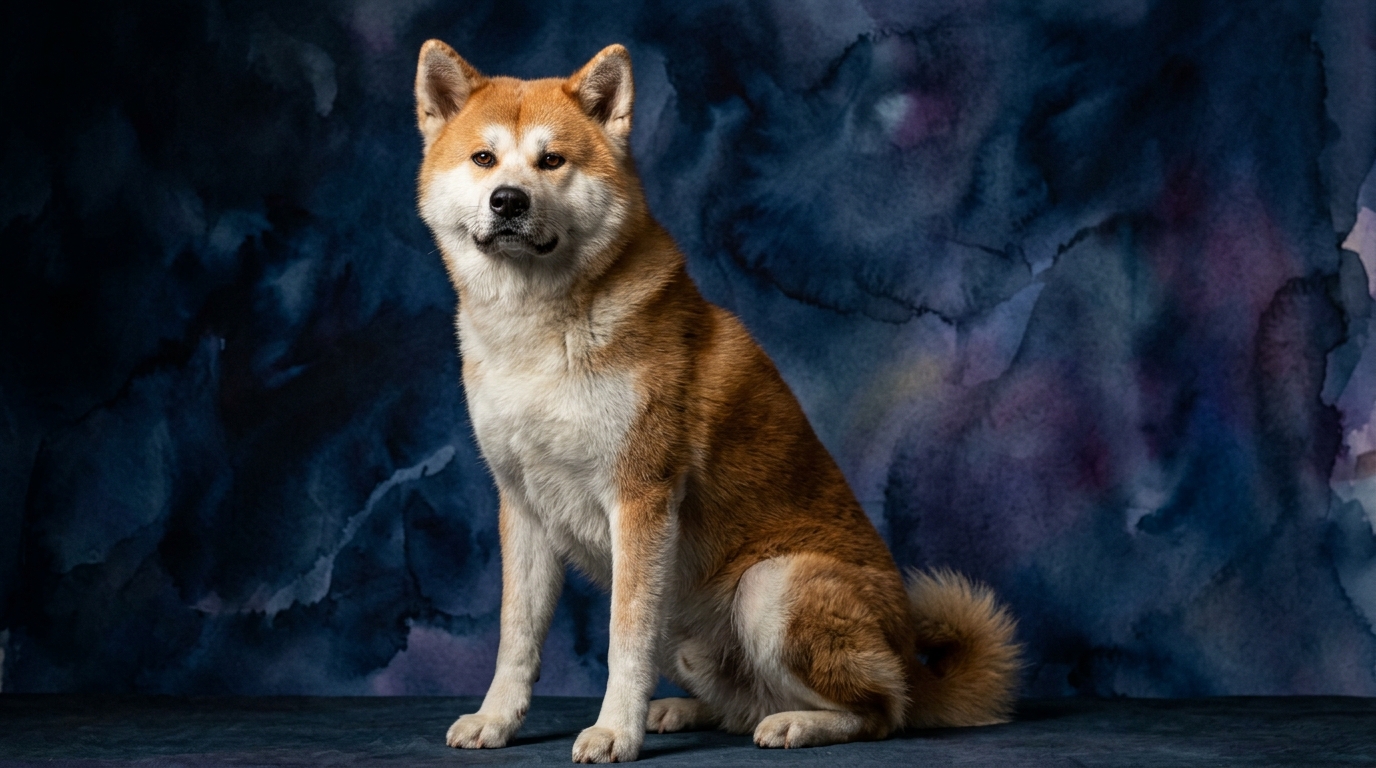
The Akita, a dignified working dog ranked #54 by Coren, demonstrates a distinct cognitive makeup. Its Problem Solving ability stands at a moderate 3/5, indicating a capacity to navigate novel situations with a degree of independence. Training Speed is observed at 2/5, suggesting a more deliberate pace in grasping new commands and requiring patient, consistent instruction. Social Intelligence registers at 3/5, reflecting a reserved yet perceptive understanding of social cues. The Akita’s Instinctive Drive is remarkably high at 5/5, manifesting in powerful guardian and protective behaviors. Finally, its Memory is strong at 4/5, allowing for excellent recall of established routines and past experiences.
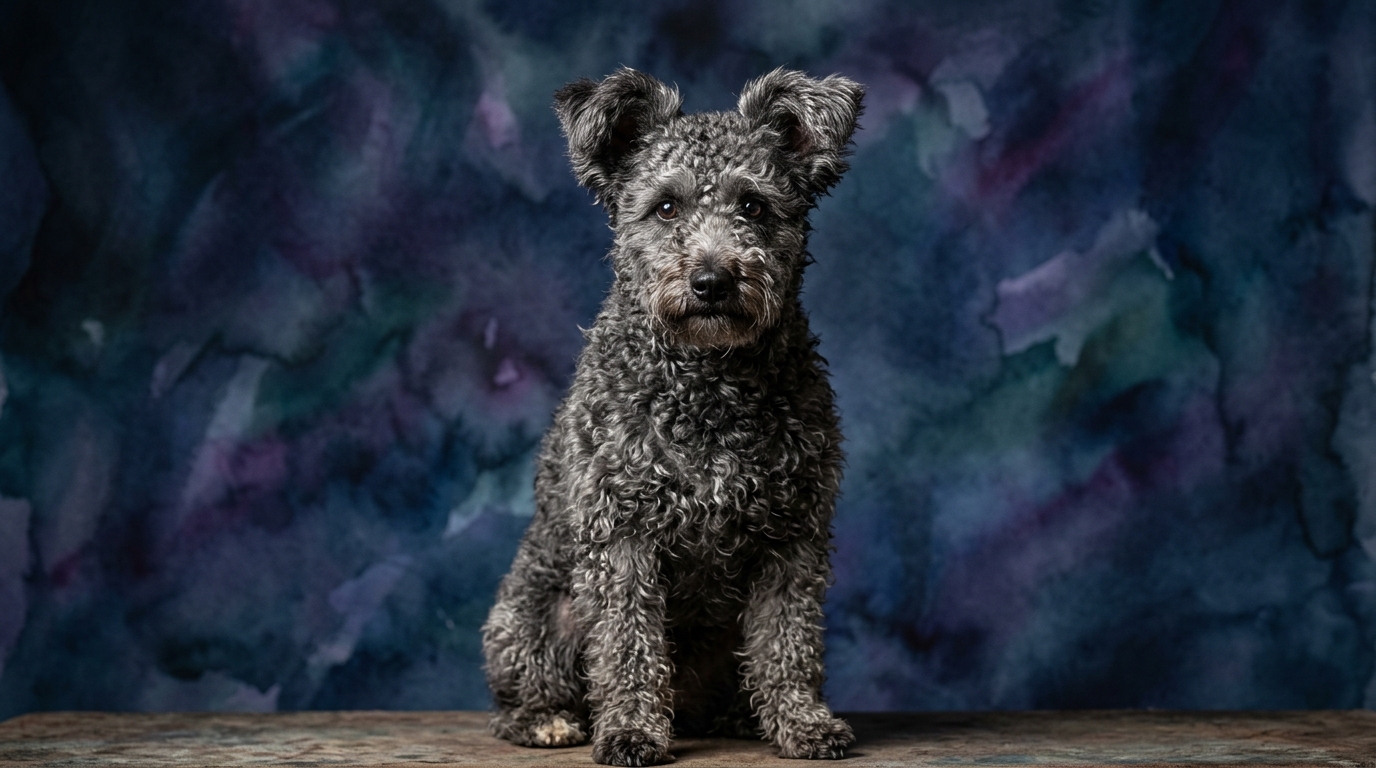
In contrast, the Pumi, a spirited herding dog not listed on Coren's traditional ranking, offers a different cognitive blueprint. Its Problem Solving capability also sits at 3/5, showing a similar moderate aptitude for independent thought and figuring out challenges. The Pumi excels in Training Speed with a 3/5 rating, indicating a more responsive and quicker learning pace compared to the Akita. Social Intelligence matches the Akita at 3/5, but often expresses itself with more overt enthusiasm and engagement. The Instinctive Drive of the Pumi is moderate at 3/5, primarily focused on herding tasks. Its Memory is moderate at 3/5, providing a solid foundation for learned behaviors and routines, though perhaps not with the Akita's depth.
Akita's Cognitive Strengths: The Steadfast Guardian
The Akita's most prominent cognitive strengths lie in its profound Instinctive Drive and robust Memory. With an instinctive drive rated at 5/5, this breed possesses an inherent and powerful predisposition towards guarding and protection. This isn't merely a learned behavior but a deep-seated cognitive program that shapes their interactions with their environment, making them exceptionally reliable in their roles as watchful companions and home protectors. This drive also contributes to their independent approach to problem-solving; they often assess situations and act based on their internal directives rather than solely waiting for human instruction.
Furthermore, the Akita's 4/5 Memory score is a significant asset. This strong recall means that once a lesson is truly learned, or a routine established, it is deeply ingrained. This contributes to their reliability and consistency in behavior over time. They remember past interactions, both positive and negative, which influences their social responses. This cognitive trait, coupled with their strong drive, means that early and consistent socialization is crucial for shaping their formidable instincts into appropriate behaviors, as they will remember these formative experiences vividly.
Pumi's Cognitive Strengths: The Agile Mind
The Pumi's cognitive profile shines in its Training Speed and its balanced approach to problem-solving and social interaction. With a Training Speed of 3/5, the Pumi demonstrates a quicker assimilation of new commands and concepts compared to the Akita. This moderate learning pace makes them highly amenable to diverse training regimens and dog sports, where rapid learning and adaptability are prized. Their eagerness to engage and relatively lower resistance to novel cues allows them to pick up complex sequences and tasks with greater efficiency, making training a more dynamic and rewarding experience.
The Pumi's moderate Instinctive Drive (3/5), primarily geared towards herding, is another cognitive advantage in certain contexts. Unlike the Akita's intense protective drive, the Pumi's drive is often channeled into cooperative tasks, such as agility, obedience, or even mock herding games. This drive, combined with their 3/5 Problem Solving and Social Intelligence, means they are often looking for ways to interact and work with their human partners, using their cognitive abilities to fulfill a shared objective. They are less likely to act on purely independent, self-directed impulses and more inclined to seek collaborative solutions.
Navigating Training: Akita's Patience vs. Pumi's Engagement
Training an Akita demands a profound level of patience and understanding, largely due to their 2/5 Training Speed and powerful 5/5 Instinctive Drive. They are not quick to respond to every command and often require multiple repetitions and a clear purpose to internalize a behavior. Their independent nature means they will question commands that don't make sense to them or go against their inherent drives. Owners must establish themselves as consistent, fair leaders, using positive reinforcement that truly motivates the Akita, as harsh methods will likely lead to resentment and resistance. While slower to learn, their 4/5 memory ensures that once a behavior is consistently practiced and understood, it is firmly retained.
Conversely, the Pumi's 3/5 Training Speed and 3/5 Instinctive Drive make them generally more eager and responsive in training scenarios. They thrive on mental stimulation and enjoy learning new tasks, often viewing training as an engaging game rather than a chore. Their herding background means they are often looking for direction and purpose, making them excellent candidates for advanced obedience, agility, or rally. However, their energetic nature means training sessions must be kept interesting and varied to prevent boredom, which can lead to mischievousness or a lack of focus. Owners will find success with positive, engaging methods that tap into the Pumi's desire to work collaboratively.
Lifestyle Match: Reserved Guardianship vs. Active Companionship
For owners seeking a reserved yet deeply loyal companion, the Akita's cognitive profile aligns well. They thrive in environments where their strong sense of independence and protective instincts are understood and respected. An Akita is not a dog that constantly seeks attention or performs tricks on command; rather, they offer a dignified, watchful presence. They require consistent, calm leadership and a structured environment that provides clear boundaries. Their high instinctive drive means they need purposeful activities that engage their minds and bodies, but they are not typically suited for owners looking for a constantly 'on-the-go' partner for endless, unstructured play. They appreciate quiet companionship and a predictable routine, remembering their place and role within the family.
The Pumi, with its balanced problem-solving and quicker training speed, is an excellent match for active owners who relish engaging their dog in various activities. This breed thrives on mental and physical stimulation, making them ideal partners for dog sports, extensive hiking, or any pursuit where their intellect and agility can be utilized. Their moderate instinctive drive, channeled into herding, translates into an eagerness to participate and work alongside their human. Owners who enjoy interactive training, providing consistent mental challenges, and offering outlets for their Pumi's spirited energy will find a deeply rewarding and adaptable companion. Without sufficient engagement, a Pumi might use its cleverness to find its own, potentially less desirable, forms of entertainment.
The Verdict
Choose the Akita if you seek a dignified, self-reliant guardian who excels at remembering routines and requires a patient, consistent leader. They thrive with owners who respect their independent nature and strong protective instincts.
Opt for the Pumi if you desire an energetic, adaptable partner eager for engagement, excelling in varied activities and learning new tasks with a spirited, cooperative approach. They suit active owners who enjoy interactive training and adventures.
🧠 Find Your Pet's IQ Score
Our Pet IQ Lab assessment covers 25+ tests across 5 cognitive dimensions — personalized to your breed.
Take the Full IQ Test →Frequently Asked Questions
Is an Akita hard to train?
Akitas present a moderate training challenge due to their 2/5 training speed and independent nature, requiring significant patience, consistency, and clear leadership to establish reliable behaviors. Their strong memory helps once concepts are grasped, but the initial learning phase demands dedication and understanding of their unique motivations.
Do Pumis need a lot of exercise?
Pumis possess a moderate instinctive drive and enjoy engagement, meaning they thrive on regular physical activity combined with mental stimulation, such as dog sports or interactive play, to prevent boredom and channel their energy constructively. Simply walking isn't always enough for their active minds; they need purposeful tasks.
Which breed is better with other pets?
The Akita, with its high instinctive drive and protective nature, often requires careful, early socialization to coexist peacefully with other pets, while the Pumi's moderate herding drive can lead to "herding" behaviors towards smaller animals, also necessitating thoughtful introductions and management. Individual temperament plays a significant role in both breeds, but neither is inherently universally accepting without proper guidance.